
Martin Thorne
Lab spectrometers determine quantities of chlorophyll. Though for predicting a tomato's ripeness, nothing beats the soft give of its skin against your thumb. I've published research articles on phototropism in plant biology, and I still find myself whispering encouragement to seedlings as they stretch toward their growth lights. The academy lauds peer review, but dirt teaches us the best lessons.
A few decades ago, I considered companion planting nothing more than a horticultural myth. Then, a graduate student's thesis opened my eyes when it showed marigold roots exude nematicides. From there, we planted marigolds in the rows of our nematode-infested tomatoes. Yield increased by 22 percent. Now, I interplant calendula in plots of my own. Science confirms what grandmothers always knew. Try to test your traditions and note your findings in the margins of your seed packets.
Last month, I helped a community garden implement my garden hacks related to soil pH. We used crushed eggshells as soil amendments for alkaline beds, and coffee grounds for a bed of acid-loving plants like kale. They doubled their kale harvest that fall. This is what you do next: Bury a slice of a raw potato next to a rose bush. After a week or so, compare the bloom count and vigor of that rose bush to a bush that received no additional treatment. Please email me your findings and describe the rosebush type and growing conditions. I will add your citizen science experiment to aggregated data gathering, and map those data against zones. Whether you're altering a variable or manipulating a careful arrangement of seed trays on a kitchen windowsill propagator, each observation will feed and advance the ground beneath us.
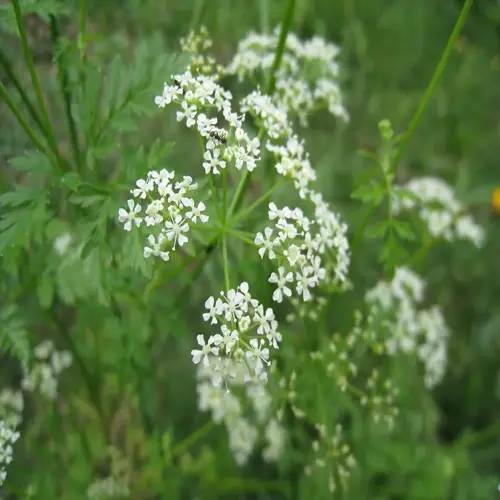
Water Hemlock: How to Identify and Stay Safe
Water hemlock is the most violently toxic plant in North America. Learn the leaf vein clue that sets it apart from its lookalikes.
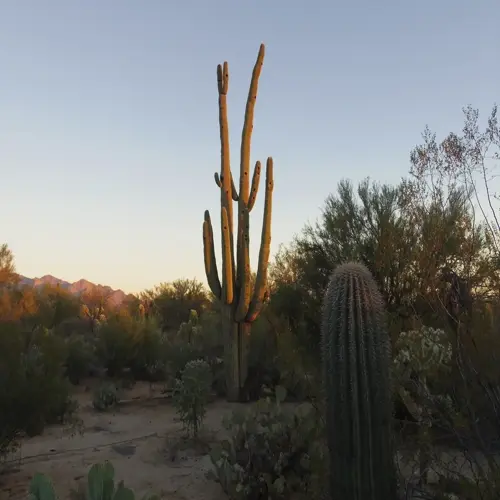
Cacti Are Not Hard to Kill, Just Hard to Read
Cacti do not wilt under drought stress. Learn the areole test, the care numbers that work, and why the family is at risk.

Fast Growing Trees: What Speed Really Costs
Fast growing trees trade lifespan for speed. See which fast growers extension services back, which ones they warn about, and where to plant.
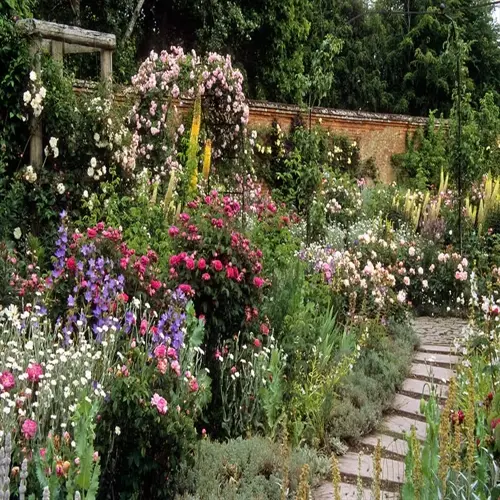
10 Pink Flowers and What Makes Them Pink
Pink flowers get their color from anthocyanin pigments. Meet 10 to grow, plus how soil pH keeps bigleaf hydrangeas pink.

10 Red Flowers and What Makes Them Red
Ten red flowers worth growing, plus the pigment science and the flower traits that predict which reds hummingbirds are likely to visit.
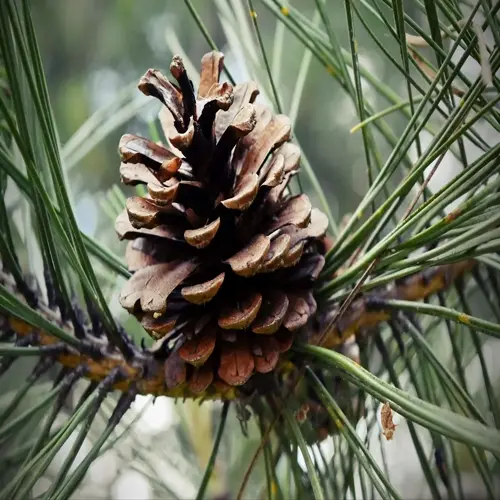
Conifers: Types, Traits, and Hard Numbers
Conifers are cone-bearing gymnosperms, not just evergreens. See how to tell the groups apart, how old they get, and why they are at risk.
Pyrethrin: What It Kills and How Safe It Is
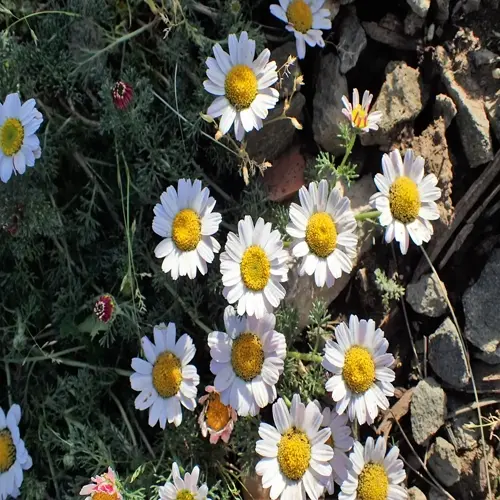
Pyrethrin knocks insects down in seconds, then sunlight breaks it down. See what it kills, who it harms, and how to spray it.

Raised Garden Bed Specs Backed by Research
Raised garden bed sizes, soil mixes and material safety exactly as the extension services publish them, plus the downsides sellers skip.

10 Low Light Houseplants for Dark Rooms
Low light houseplants sit in a measured band: Maryland Extension says 25 to 100 footcandles. See the 10 that hold up in dark rooms.
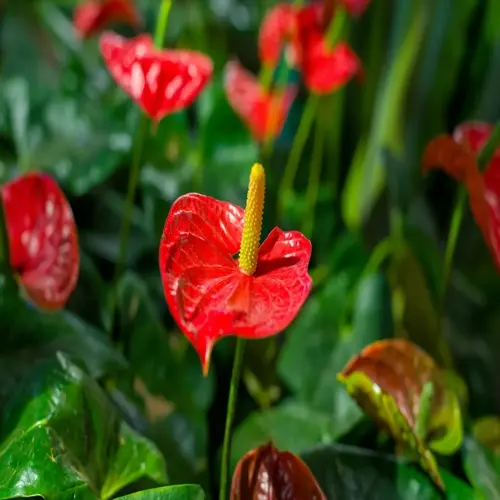
Anthurium Plant Care and Growing Guide
Learn how to grow a healthy anthurium plant with expert tips on watering, light, humidity, propagation, and varieties.
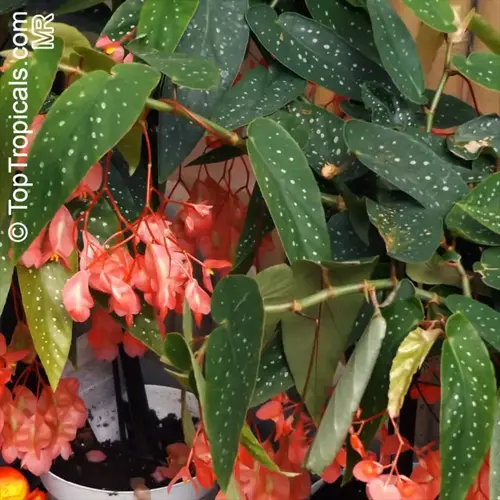
Angel Wing Begonia Care and Growing Guide
Learn how to grow angel wing begonia with our complete care guide covering light, water, soil, propagation, and troubleshooting tips.
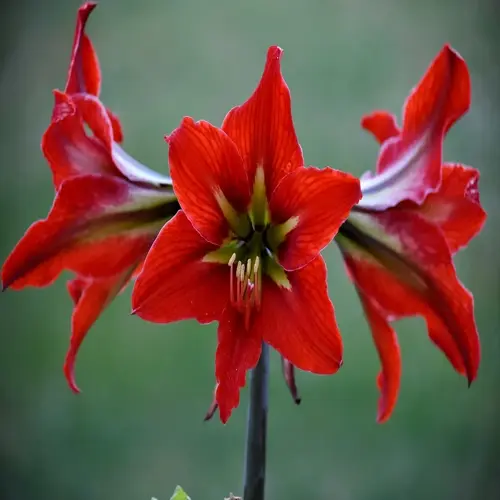
Amaryllis Flower: Care, Varieties and More
Everything about the amaryllis flower from planting and care to popular varieties, reblooming tips, and pet safety.
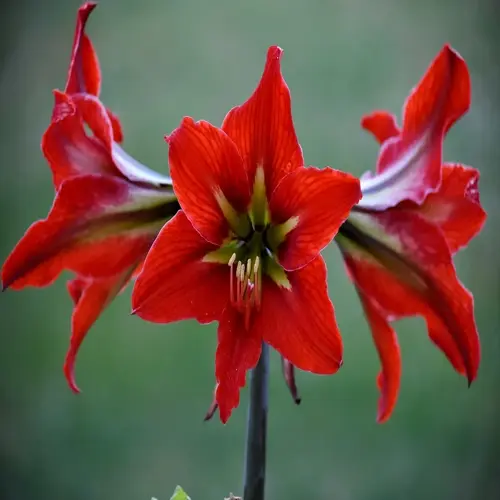
Amaryllis Care: How to Grow and Rebloom
Master amaryllis care with this guide to planting, watering, blooming, and reblooming your bulbs indoors and outdoors year after year.
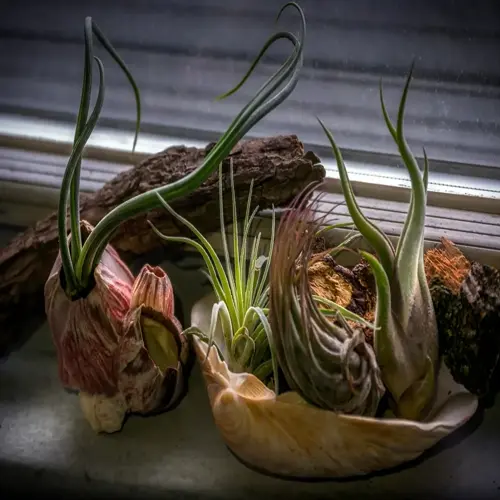
8 Best Air Plants and How to Grow Them
Learn about the best air plants for your home. Our guide covers Tillandsia varieties, watering, light needs, and display ideas.
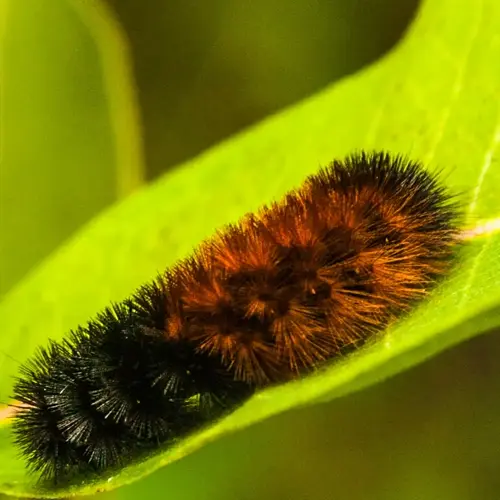
Woolly Bear Caterpillar Facts and Guide
Learn woolly bear caterpillar facts including identification, life cycle, freeze tolerance, diet, and why their bands do not predict winter.
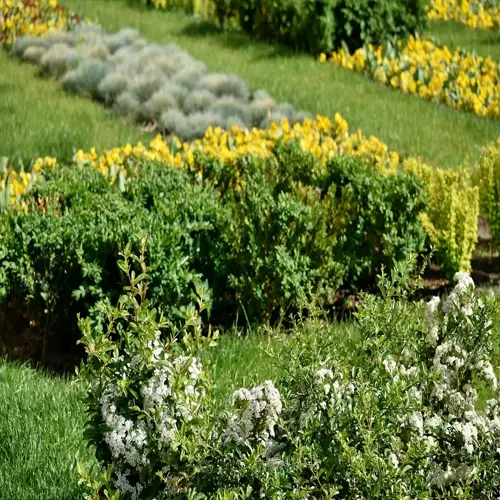
Yarrow Plant Guide for Every Garden
Learn everything about the yarrow plant, from growing tips and varieties to medicinal uses, ecology, and companion planting.
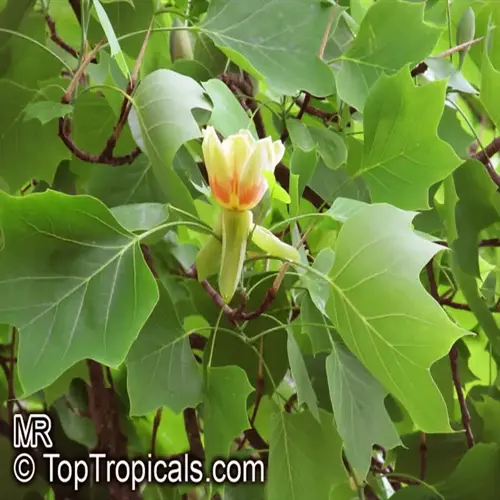
Tulip Poplar Tree Guide and Facts
Learn everything about the tulip poplar tree, from identification and growing tips to wildlife value and timber uses.
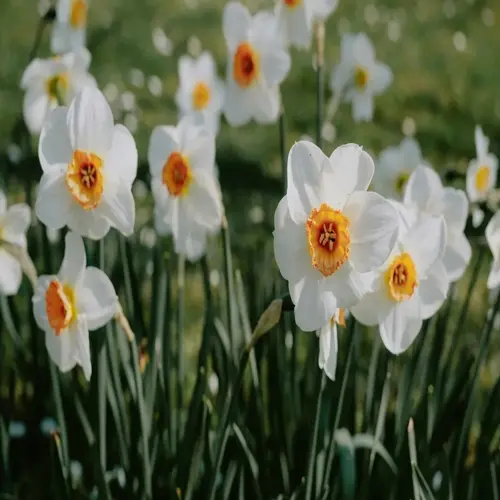
Narcissus Flower: A Complete Guide
Learn everything about the narcissus flower, from its 13 divisions and growing tips to toxicity facts and rich cultural history.