
Introduction
Few sights match the drama of an amaryllis flower bursting from a bare bulb in the dead of winter. One week you have a plain brown bulb sitting in a pot. Six weeks later, a thick green stalk towers up and cracks open into blooms that span 4 to 10 inches across. That kind of show from a single flowering bulb makes the amaryllis plant a top winter gift right next to poinsettias.
I've grown these bulbs for over a decade and they still catch me off guard each season. The plant you see at garden centers belongs to the genus Hippeastrum, not the true Amaryllis from South Africa. Most growers don't know that, but it matters when you pick cultivars. With proper care, a single bulb can rebloom for up to 75 years per the University of Minnesota Extension.
Behind all that beauty sits a hidden catch. This amaryllis plant holds a toxin called lycorine in every part. That makes it toxic to cats, dogs, and horses. The bulb holds the most of it. Pet owners need a smart spot for the pot from day one.
This guide walks you through popular varieties, planting steps, and reblooming secrets. You'll also find safety tips for pet owners and the rich history behind this bloom. Whether you got your first flowering bulb as a gift or you want to push an old bulb into another round of flowers, this page has what you need.
8 Popular Amaryllis Varieties
About 90 Hippeastrum species exist in the wild, but breeders use just 6 of them. That work dates back to 1799 and has produced hundreds of named amaryllis varieties. The 8 picks below show the best amaryllis varieties you can grow at home. The picks range from classic singles to doubles, miniature blooms, and novelty types.
I've grown most of these over the years and each one has a distinct personality. A bold red amaryllis like Red Lion gives you classic holiday drama. A double amaryllis like Dancing Queen adds soft ruffled charm. The miniature amaryllis picks fit small spaces, and the white amaryllis options bring a clean modern feel. Match your pick to your style and you won't go wrong.
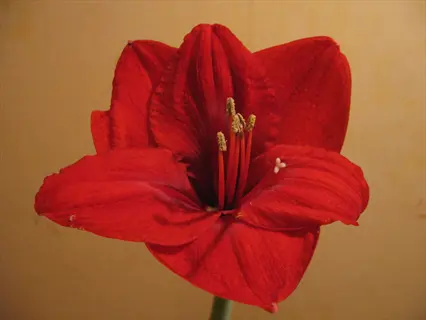
Red Lion
- Bloom Type: Single-petaled classic with wide, overlapping petals that form a bold trumpet shape measuring up to 8 inches (20 centimeters) across on sturdy stalks.
- Color Profile: Deep, vivid crimson red that holds its saturation from bud stage through the final days of bloom without fading or streaking.
- Growth Habit: Produces two strong flower stalks per bulb, each carrying three to four large blooms, reaching 18 to 22 inches (46 to 56 centimeters) tall.
- Best For: First-time growers who want a reliable, dramatic display because Red Lion is one of the most forgiving and consistent performers available.
- Bloom Timing: Flowers appear approximately six to eight weeks after planting, making it easy to time for holiday displays or winter table centerpieces.
- Care Note: Thrives in bright indirect light and tolerates brief periods of lower light without leaning excessively, though rotating the pot helps keep stalks straight.
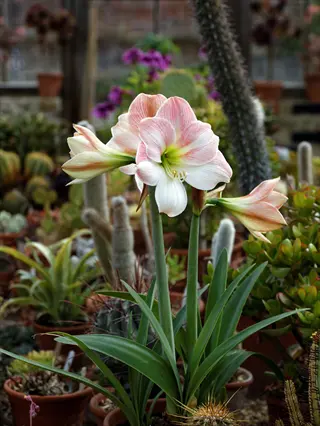
Apple Blossom
- Bloom Type: Single-petaled soft blush with delicate pink edges fading to a creamy white center, giving each flower a gentle watercolor appearance.
- Color Profile: Pale pink and white bicolor that brightens rooms without overpowering surrounding decor, perfect for neutral or pastel interiors.
- Growth Habit: Sturdy stalks reach 18 to 20 inches (46 to 51 centimeters) and produce three to four flowers per stalk with excellent vase life as a cut bloom.
- Best For: Gift giving and elegant displays because the subtle coloring pairs beautifully with seasonal arrangements and formal table settings.
- Bloom Timing: Reliable six to seven week timeline from planting to first open flower, often producing a second stalk shortly after the first finishes.
- Care Note: Slightly more sensitive to overwatering than red varieties, so allow the top inch (2.5 centimeters) of soil to dry fully between waterings.
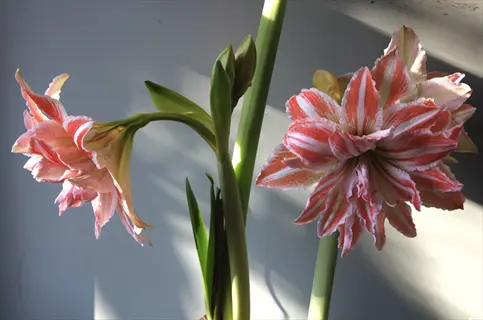
Dancing Queen
- Bloom Type: Fully double-petaled with layer upon layer of ruffled petals that create a peony-like rosette measuring 6 to 8 inches (15 to 20 centimeters) in diameter.
- Color Profile: Red and white striped petals with each layer revealing a slightly different ratio of color, giving every bloom a unique candy-cane pattern.
- Growth Habit: Stalks reach 16 to 20 inches (41 to 51 centimeters) and the heavy double flowers benefit from a support stake to prevent tipping in lightweight pots.
- Best For: Gardeners who want a showstopper centerpiece because the dense petal count makes Dancing Queen one of the most photographed amaryllis cultivars.
- Bloom Timing: Takes seven to nine weeks from planting to bloom, slightly longer than singles because the extra petals need more energy to develop fully.
- Care Note: Feed with a balanced fertilizer at half strength every two weeks during growth to support the energy demands of producing double blooms.
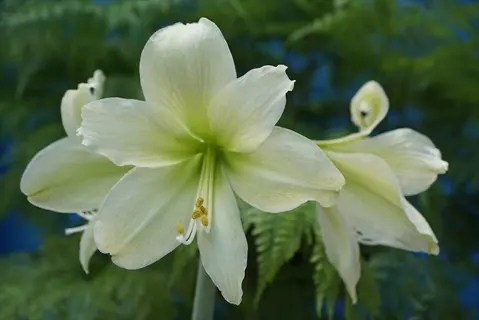
Mont Blanc
- Bloom Type: Large single-petaled pure white flowers with a faint green throat that adds depth, each bloom spanning 7 to 9 inches (18 to 23 centimeters) across.
- Color Profile: Pristine snow-white petals with a subtle satin sheen that catches light beautifully, making it a favorite for winter wedding and holiday decor.
- Growth Habit: Vigorous grower producing two to three stalks per bulb at 18 to 24 inches (46 to 61 centimeters) tall, with excellent posture even without staking.
- Best For: Minimalist and modern interior styles where a clean, bright focal point is needed without the boldness of red or pink varieties.
- Bloom Timing: Blooms in about six to eight weeks and each flower lasts two to three weeks, providing a long display window from a single planting.
- Care Note: White petals show bruising more easily than colored varieties, so handle stalks gently and keep the pot away from high-traffic areas.
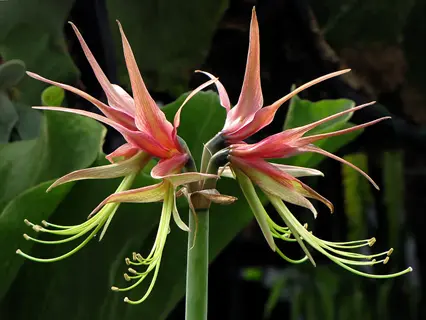
Exotic Star
- Bloom Type: Cybister type with narrow, spidery petals that curve and twist into a star-like shape, distinctly different from traditional trumpet-form amaryllis.
- Color Profile: Deep burgundy red petals with bright green central striping, creating a tropical and exotic look that stands out in any collection.
- Growth Habit: Produces slender stalks of 20 to 24 inches (51 to 61 centimeters) with three to four star-shaped flowers per stalk and a graceful open silhouette.
- Best For: Experienced growers or collectors who want something unusual because Exotic Star sparks conversation and pairs well with modern or tropical decor.
- Bloom Timing: Typically blooms seven to nine weeks after planting and each individual flower can last up to two weeks in cool indoor conditions.
- Care Note: Prefers slightly warmer temperatures of 70 to 75 degrees Fahrenheit (21 to 24 degrees Celsius) during active growth for the best petal coloring.
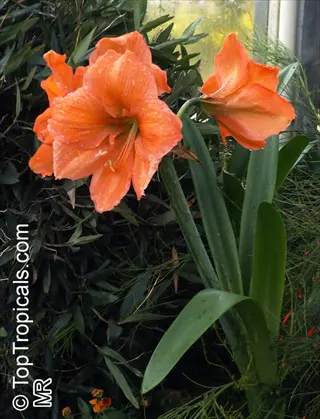
Fairy Tale
- Bloom Type: Miniature double-petaled variety with compact flowers roughly 4 to 5 inches (10 to 13 centimeters) across, packed with soft ruffled petals.
- Color Profile: White base with fine cherry-red veining and petal edges that intensify toward the tips, giving each bloom a hand-painted storybook appearance.
- Growth Habit: Shorter stalks of 12 to 16 inches (30 to 41 centimeters) make this variety ideal for windowsills, desks, and small spaces without staking.
- Best For: Small apartments and gift-giving because the compact size fits anywhere and the intricate petal pattern delights recipients who appreciate fine detail.
- Bloom Timing: Flowers in about six to eight weeks from planting, and the smaller double blooms tend to last slightly longer than their full-size counterparts.
- Care Note: Use a pot just 1 inch (2.5 centimeters) wider than the bulb since miniature varieties especially prefer snug containers for strong stalk support.
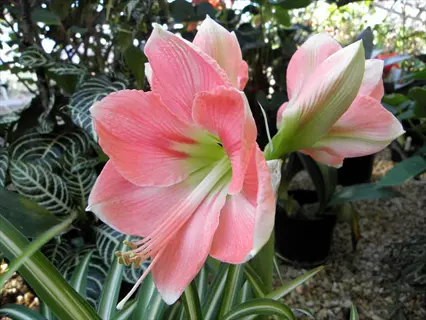
Picotee
- Bloom Type: Large single-petaled flowers with clean white petals edged in a thin, precise red border that creates an elegant two-tone frame effect.
- Color Profile: Bright white center with a narrow red picotee edge that varies slightly in width from petal to petal, adding natural charm to each bloom.
- Growth Habit: Grows 18 to 22 inches (46 to 56 centimeters) tall with two stalks per bulb and three to four flowers per stalk for an extended display period.
- Best For: Gardeners who enjoy subtle elegance over bold drama because the thin red edge creates visual interest without overwhelming a room's color palette.
- Bloom Timing: Blooms six to seven weeks after planting and is one of the more reliable cultivars for timing a precise holiday or event display.
- Care Note: Rotate the pot a quarter turn every two days during stalk growth because Picotee tends to lean toward the light source more than some varieties.
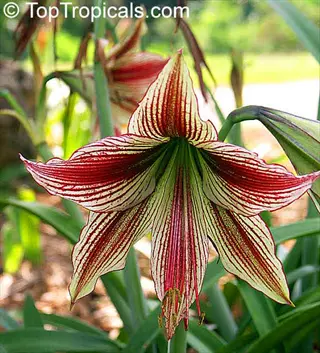
Cherry Nymph
- Bloom Type: Full double-petaled cherry red flowers with a compact, rounded shape that resembles a large garden rose more than a traditional trumpet amaryllis.
- Color Profile: Rich cherry red with occasional white flecks deep between the inner petals, giving a layered depth that single red varieties cannot match.
- Growth Habit: Moderately tall at 16 to 20 inches (41 to 51 centimeters) with dense flower heads that may need a bamboo stake in lightweight plastic pots.
- Best For: Anyone who loves the intensity of red amaryllis but wants the fullness and texture that only a double bloom provides as a holiday centerpiece.
- Bloom Timing: Expect flowers in seven to nine weeks from planting, with each double bloom lasting slightly longer than single varieties due to layered petal structure.
- Care Note: After blooming, continue watering and feeding the foliage for several months to help the bulb store enough energy for another round of double flowers.
Planting Your Amaryllis Bulb
Good amaryllis planting starts with the right pot and the right depth. I've killed more bulbs from bad pots than from any pest or disease. Once you learn how to plant amaryllis the right way, the rest gets much easier. Below I share steps for potting amaryllis bulb setups inside. I also added tips for growing amaryllis outdoors in the garden.
For an amaryllis container, pick one that's just 1 to 2 inches wider than the bulb. These plants like snug pots. A pot that's too large holds extra moisture and raises the risk of rot. Heavy ceramic works best since tall stalks can tip over lighter pots. Check the amaryllis hardiness zones chart if you plan to grow yours outside year round.
Choose the Right Container
- Pot Size: Select a container that is only 1 to 2 inches (2.5 to 5 centimeters) wider than the bulb because amaryllis performs best when slightly potbound.
- Drainage: Make sure the pot has at least one drainage hole at the bottom to prevent standing water that leads to bulb rot and root decay.
- Material: Heavy ceramic or terracotta pots work best because the weight prevents tipping when tall flower stalks make the plant top-heavy.
Prepare the Bulb and Soil
- Soaking: Place the bulb roots in lukewarm water for one to two hours before planting to rehydrate them and encourage faster establishment in the potting mix.
- Soil Mix: Use a well-draining blend of equal parts peat moss, perlite, and standard potting soil to provide moisture retention without waterlogging.
- Inspection: Check the bulb for soft spots, mold, or signs of red blotch disease before planting and discard any bulb that feels spongy or smells off.
Plant at the Correct Depth
- Depth Rule: Position the bulb so that one-third to one-half sits above the soil surface, which is the depth confirmed by multiple university extension sources.
- Firm the Soil: Press the potting mix firmly around the lower portion of the bulb to eliminate air pockets without compacting the soil so tightly that water cannot drain.
- Watering In: Give one thorough watering after planting to settle the soil, then wait until you see new green growth before watering again to avoid rotting the dormant bulb.
Place in a Warm, Bright Spot
- Temperature: Set the pot in a room with temperatures between 65 and 75 degrees Fahrenheit (18 and 24 degrees Celsius) to encourage strong stalk development.
- Light: Bright indirect light is ideal during the initial growth phase, and rotating the pot a quarter turn every two days keeps the stalk growing straight.
- Timeline: Expect the first flower stalk to emerge within two to four weeks and reach full bloom in six to eight weeks from planting.
Outdoor Garden Bed Planting
- Zones: Amaryllis grows year-round outdoors in USDA hardiness zones 7a through 10b, and gardeners in zones 7 and 8 should apply thick mulch for frost protection.
- Spacing: Space bulbs 12 to 15 inches (30 to 38 centimeters) apart in a bed with at least six hours of direct sunlight per day for the strongest flower production.
- Soil: Amaryllis tolerates clay, sand, loam, and acidic soils as long as drainage is good, making it a versatile landscape choice across southern gardens.
Amaryllis Care Essentials
Getting your amaryllis care right doesn't take much work once you know the basics. I lost my first 3 bulbs to overwatering before I learned the golden rule. Let the top inch of soil dry out before you add more water. That single tip on watering amaryllis fixes the number one cause of death for indoor bulbs. Amaryllis light requirements are simple too. Bright but indirect sun works best.
Use the table below as your quick care cheat sheet. I broke it into rows for light, water, food, heat, pot size, and pests so you can find what you need fast.
I check this cheat sheet before every new growth cycle and it keeps me on track.
Keep amaryllis temperature between 65 and 75°F during growth for the best results. Use amaryllis fertilizer at half strength every 2 to 4 weeks with a 10-20-15 NPK blend. Watch for amaryllis pests diseases like red blotch, which shows up as dark streaks on leaves. UF/IFAS research shows that long term health holds up well when you catch issues early.
Reblooming and Dormancy Guide
Most people toss their amaryllis after blooming, but that's a big mistake. Your bulb works like a rechargeable battery. The leaf phase is when it charges up, and amaryllis dormancy is the reset that preps the next bloom. Once you grasp this cycle, you can control blooming and enjoy flowers year after year.
I've been forcing amaryllis for over 10 years and the process never gets old. The trick to a strong amaryllis rebloom is giving the leaves 4 to 6 months of bright light after the flowers fade. Skip that step and the bulb won't have enough stored energy. Here is how to make amaryllis rebloom with a clear step plan.
After Blooming: Save the Stalk Energy
- Cut the Stalk: Trim the spent flower stalk to 1 to 2 inches (2.5 to 5 centimeters) above the bulb using clean scissors, but leave all green leaves intact.
- Keep Growing: Move the plant to a sunny window and continue watering and fertilizing because the leaves are photosynthesizing to recharge the bulb for next year.
- Duration: Maintain this active growing phase for at least four to six months after the last flower fades to build sufficient energy reserves inside the bulb.
Summer Outdoor Boost
- Move Outside: Place the pot outdoors in a spot with morning sun and afternoon shade once nighttime temperatures stay above 50 degrees Fahrenheit (10 degrees Celsius).
- Feed Regularly: Apply half-strength balanced fertilizer every two to three weeks throughout summer to maximize nutrient storage before the dormancy period begins.
- Watch for Pests: Inspect leaves regularly for mealybugs, spider mites, or signs of red blotch disease while the plant is outdoors in the warm months.
Force Dormancy in Early Fall
- Stop Watering: In late August or early September, gradually stop watering and allow the leaves to yellow and wither naturally over two to three weeks.
- Cool Storage: Move the potted bulb to a cool, dark location at 50 to 55 degrees Fahrenheit (10 to 13 degrees Celsius) such as an unheated garage or basement.
- Duration: Leave the bulb in dormancy for 8 to 12 weeks without water or light, which is the critical rest period that signals the bulb to form new flower buds.
Restart the Bloom Cycle
- Bring to Warmth: After 8 to 12 weeks of dormancy, move the pot back to a warm room with temperatures of 65 to 75 degrees Fahrenheit (18 to 24 degrees Celsius).
- Resume Watering: Give one thorough watering and place in bright indirect light, then wait for new green growth before establishing a regular watering schedule.
- Expect Blooms: A new flower stalk should appear within two to four weeks, with full flowers opening six to eight weeks after you restart the growth cycle.
If your amaryllis after blooming care goes right, you can time the next round of flowers for any date you want. Start forcing amaryllis 8 to 10 weeks before your target bloom date. You can also stagger multiple bulbs 2 weeks apart for nonstop color from December through June.
Toxicity and Pet Safety
Yes, amaryllis poisonous claims are true, and you need to know the details before you bring one home. The plant contains the lycorine alkaloid in every part, from the bulb to the flowers. NC State Extension rates the danger at a medium level. The bulb is the worst part because it holds the most toxin.
Pet owners ask me about amaryllis pet safety more than any other topic. The truth is that amaryllis toxic to cats warnings are real, and dogs and horses face the same risk. A PubMed study found that lycorine has about 40% oral absorption. Symptoms can show up within 2.5 hours of eating any part. Those symptoms include drooling, vomiting, and stomach pain.
Place your amaryllis on a high shelf or in a room your pets can't reach. If your cat or dog eats any part of this plant, call your vet right away. On the bright side, the same toxin that makes amaryllis toxic to dogs also keeps deer and rabbits away from outdoor beds.
Meaning, Symbolism and History
When I first looked into the amaryllis meaning, the story behind it blew me away. The amaryllis Greek mythology tale goes like this. A woman loved a man named Alteo who ignored her. She went to the Oracle of Delphi for advice. The Oracle told her to pierce her heart with a golden arrow at his door for 30 nights. On the last night a red flower grew from her blood.
That myth is the root of all amaryllis symbolism you see today. It stands for strength, devotion, and beauty earned through struggle. The Victorians used it in their secret plant language to say you found someone stunning. I've given these as gifts for years because the amaryllis flower meaning still feels bold and warm to me.
You might not know that the true species comes from South Africa. People there call it the naked lady because it blooms without any leaves on the stalk. Its family has over 60 genera. Your home bulbs come from a different genus called Hippeastrum, but the old name stuck. If you want a great holiday gift, you can't beat a red amaryllis Christmas flower. Each amaryllis color meaning tells you a different story, so pick the one that fits your message.
Red Amaryllis
- Symbolism: Represents passion, romantic love, and deep admiration, making red the most popular choice for holiday gifts and expressions of devotion.
- Tradition: Red amaryllis became associated with Christmas celebrations in Europe during the Victorian era when exotic bulbs were prized winter parlor decorations.
- Gift Meaning: Giving a red amaryllis signals strong affection and warmth, and it pairs well with winter greenery for festive table centerpieces.
White Amaryllis
- Symbolism: Stands for purity, innocence, and new beginnings, which makes white varieties a thoughtful choice for weddings, baby showers, and fresh starts.
- Tradition: White amaryllis gained popularity in formal floral design during the twentieth century as a striking alternative to white lilies and roses.
- Gift Meaning: A white amaryllis conveys respect, sympathy, or celebration of a new chapter, and its clean look fits both joyful and solemn occasions.
Pink Amaryllis
- Symbolism: Represents friendship, gentle affection, and playful joy, offering a softer emotional tone than the intensity of red varieties.
- Tradition: Pink cultivars like Apple Blossom have become among the best-selling amaryllis colors thanks to their versatility across seasons and decor styles.
- Gift Meaning: Giving pink amaryllis expresses care and gratitude without romantic overtones, making it ideal for friends, teachers, and family members.
Orange and Bicolor Amaryllis
- Symbolism: Conveys energy, creativity, and happiness, with bicolor patterns adding a sense of uniqueness and artistic flair to the traditional flower gift.
- Tradition: Striped and bicolor amaryllis varieties like Dancing Queen and Picotee reflect modern breeding achievements that expanded the palette far beyond solid colors.
- Gift Meaning: An orange or patterned amaryllis celebrates individuality and creative spirit, a fitting gift for artists, gardeners, and anyone who appreciates the unexpected.
5 Common Myths
Amaryllis and Hippeastrum are the same genus, so the names can be used interchangeably in a botanical sense.
Hippeastrum is the correct genus for the popular houseplant bulb, while true Amaryllis is a separate two-species genus native to South Africa.
Waxed amaryllis bulbs can be saved and replanted the following year because the bulb is still alive under the wax.
Waxed bulbs use all stored energy in a single bloom cycle and cannot take up water or nutrients, so they should be composted after flowering.
Amaryllis must have full direct sunlight all day or it will not produce any flowers indoors.
Bright indirect light or a few hours of direct morning sun is enough for strong flower stalks, and too much harsh midday sun can scorch the leaves.
You need to repot your amaryllis into a larger container every year to keep it healthy and blooming.
Amaryllis actually prefers to be slightly potbound, and repotting is only needed every three to four years when offsets crowd the container.
Touching or smelling an amaryllis flower can cause poisoning in people and pets because the toxins are airborne.
The toxic alkaloid lycorine must be ingested to cause harm, and the bulb contains the highest concentration, so handling leaves and flowers is safe with basic hand washing.
Conclusion
Your amaryllis flower is more than a one time holiday plant. With the right amaryllis care, a single amaryllis bulb can reward you with blooms for up to 75 years. That makes it one of the best long term investments among flowering bulbs. Pick a variety you love, plant it at the right depth, and give those leaves months of bright light after the flowers fade.
In my experience, bulbs just keep getting better with age. I tested this with my oldest one that has bloomed 12 seasons in a row. Each year the stalks get a bit taller and the flowers get a bit bigger. The secret is simple. Don't skip the dormancy phase and don't cut the leaves too soon. Give your bulb 8 to 12 weeks of cool rest and it will come back stronger than before. That's how amaryllis rebloom works in practice.
Keep your pets safe by placing the plant out of their reach since the bulb carries the most toxin. Learn the real name Hippeastrum and you'll read care guides with sharper eyes. The myth and symbolism behind this flower add a layer of meaning that turns a simple bulb into something special on your shelf.
Every bloom cycle you get from your amaryllis flower feels like a small win. When I first started this hobby, I didn't think a bulb could mean so much to me. Now each winter I wait for that first green tip to push up from the soil. Treat your amaryllis bulb well and it will keep that yearly tradition going for decades to come. That's the real joy of good amaryllis care.
External Sources
Frequently Asked Questions
What do you do with amaryllis after it blooms?
Cut the spent flower stalk to 1 to 2 inches (2.5 to 5 centimeters) above the bulb, keep the leaves in bright light, water and fertilize regularly, then force 8 to 12 weeks of cool dormancy before restarting the cycle.
Does amaryllis come back every year?
Yes, with proper post-bloom leaf care and a cool dormancy period of 8 to 12 weeks, amaryllis bulbs rebloom reliably every year for decades.
What do amaryllis flowers symbolize?
Amaryllis flowers symbolize strength, determination, and radiant beauty, rooted in a Greek myth about a shepherdess who pierced her heart to create a stunning crimson bloom.
How do you take care of an amaryllis plant?
Place in bright indirect light at 65 to 75 degrees Fahrenheit (18 to 24 degrees Celsius), water when the top inch of soil is dry, and feed with a balanced fertilizer every two to four weeks during active growth.
How to look after amaryllis in winter indoors?
Keep the plant in a bright, warm room away from drafts, water sparingly until new growth appears, and rotate the pot regularly so the stalk grows straight.
How long do amaryllis last indoors?
Individual blooms last about two to three weeks, while a full display with multiple stalks can provide color for up to six weeks indoors.
What triggers an amaryllis to bloom?
A cool, dark dormancy period of 8 to 12 weeks at 50 to 55 degrees Fahrenheit (10 to 13 degrees Celsius) followed by warmth, light, and resumed watering triggers new bloom stalks.
Why are amaryllis so expensive?
Large premium bulbs take three to five years to reach blooming size, and specialty double or novelty cultivars require additional breeding and careful handling during import.
Are amaryllis good luck?
In several cultural traditions amaryllis is considered a symbol of good fortune, and red varieties in particular are given during the winter holiday season as tokens of prosperity and warmth.
How often should I water amaryllis?
Water when the top inch (2.5 centimeters) of soil feels dry, typically once every seven to ten days during active growth, and reduce to almost nothing during the dormancy period.