Herb · Rosaceae
Salad Burnet
Sanguisorba minor
Set it in plenty of sun and poor, well-drained soil, and this easygoing herb rewards you with cucumber-scented leaves through the whole season.
Full sun
Every 5–10 days
50–77°F · 10–25°C
60–100 days
Overview
If you have never grown an herb before, salad burnet is a kind one to begin with. This tough little perennial belongs to the rose family and forms a low evergreen rosette of soft, toothed leaflets, and it holds its green for a good part of the year, lingering even through mild winters. The young leaves carry a mild cucumber flavor that cooks fold into salads, steep into vinegars, and drop into cool summer drinks.
Do not worry about giving it a perfect bed. Salad burnet is happy in dry, rocky, even alkaline ground that would sink pickier herbs, and once its roots take hold it barely needs watering from you. Poor soil is truly what it wants, since a rich bed only softens the very flavor you are growing it for.
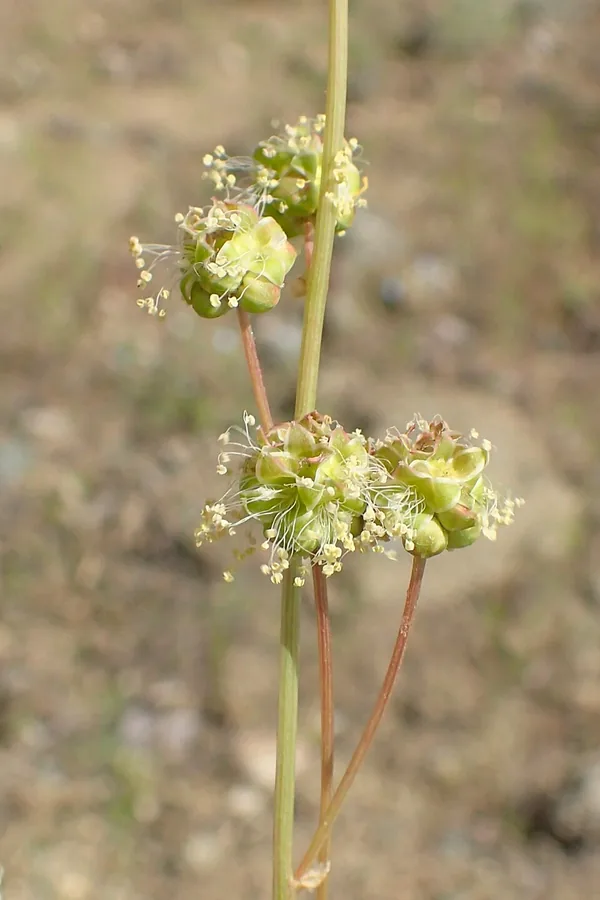
The one thing worth staying on top of is its wish to bloom. When the pinkish flower heads climb up on their stalks, the older foliage starts to toughen and fade in taste, but this is easy to manage and easy to undo. Snip those stalks off whenever they appear, and your plant settles back into soft, tender leaves for the rest of the season.
Care
The short version: give it a sunny spot and lean, well-drained soil, and water it only while it is settling in. Hold back on feeding, take off the flower stalks whenever you spot them, and pick the tender young leaves regularly so they stay soft and mild.
Light
Aim for full sun if you can, though salad burnet is gracious about partial sun or a bit of light shade. A sunny spot keeps the rosette compact and the leaves tasty, while deep shade tends to make it floppy, stretched, and more likely to catch mildew.
Water
While your plant is young, keep it watered so the roots settle in, then feel free to relax, since salad burnet turns wonderfully drought tolerant once it is established. Wait until the upper half of the mix has dried before you water again, and try not to let it stand in soggy ground, which it really dislikes.
Soil
Give it lean, well-drained soil and it will be content, nothing fancy needed. It genuinely enjoys the dry, rocky, alkaline spots that stump other herbs, and it happily accepts a pH from 6.0 to 7.8. Steer clear of rich, heavy earth, which both dulls the flavor and traps the moisture it would rather avoid.
Temperature
Mild weather suits it best, somewhere around 50°F to 77°F (10°C to 25°C). Being a hardy perennial, it shrugs off winter chill without fuss and will often stay green right through the softer months.
Humidity
Ordinary humidity in the 40% to 60% range is all it asks, and outdoors you can happily ignore the reading. What really counts is moving air, because still and damp corners are where powdery mildew gets its start.
Feeding
A gentle hand is all you need. One modest balanced or low-nitrogen feeding in spring covers it, and you can even skip that, since too much richness mutes the flavor. Overfeed and the leaves grow soft and bland rather than bright with that cucumber snap.
Pruning
Whenever flower stalks pop up, snip them off promptly so the leaves stay tender and mildly flavored. Give the worn, tough outer leaves a trim too, and the plant thanks you with a soft new flush of growth.
Repotting
Growing in a pot, plan to move it up every 1 to 2 years. When you notice roots winding around the pot, leaf growth stalling, or soil that parches almost as soon as you water, your plant is simply asking for a bigger home and fresh mix.
Size & spacing
This is a modest little herb, growing just 12 to 24 inches (30 to 60 cm) tall and reaching 12 to 18 inches (30 to 45 cm) across. Leave each one about that much space so air can drift easily through the rosette.
When to plant
Timing is forgiving here. Salad burnet is hardy across zones 4 through 8 and likes to start early, so sow seeds indoors 6 to 8 weeks ahead of your last frost, or just scatter them outside once early spring arrives. From then on you can gather young leaves from spring all the way into fall.
Northern hemisphere
Southern hemisphere
Typical months for a temperate climate: start earlier in warm zones, later where spring frosts linger.
- Sow: 6 to 8 weeks before last spring frost
- Plant: After last spring frost, or direct sow in early spring
- Harvest: Harvest young leaves spring through fall; pinkish flower heads appear late spring to midsummer (May to July)
Hardiness
USDA hardiness zones: 4–8
Temperature: down to -34°C
Troubleshooting
Take heart: salad burnet rarely gives you much grief, and the few problems it runs into usually trace back to soggy soil or stagnant air. Keep a gentle eye on the leaves and roots, find your plant's symptom in the list below, and step in early while a fix is still simple.
Yellowing, wilting, and collapse in ground that stays wet
Standing water leads to root rot, and salad burnet simply will not tolerate a waterlogged bed. Once the roots turn soft, dark, and mushy there is sadly no bringing them back, so this is one to catch early. Cut back your watering, sort out the drainage, and lift any healthy survivors into a raised bed or gritty, fast-draining mix.
Fix:
- Improve drainage
- Reduce watering
- Replant in well-drained or raised beds
A powdery white film creeping over the leaves
That film is powdery mildew, a fungus that settles in when the air goes still and crowded plants trap damp in the shade. Give the planting more elbow room for airflow, pinch away the worst-hit leaves, and shift the plant into full sun, where mildew has a hard time getting a foothold.
Fix:
- Improve spacing and air flow
- Remove affected foliage
- Site plant in full sun
Leaves grow tough and bitter and the cucumber taste fades
No harm done, this is just bolting. As the plant sends up its flower stalks, the older leaves swell into big, leathery foliage that trades away the gentle cucumber taste you planted it for. Nip those flower stems off as they appear, harvest only the tender inner leaves, and cut the whole plant back to coax out a soft new flush.
Fix:
- Cut off developing flower stalks
- Harvest only young inner leaves
- Cut the plant back to force a flush of tender new growth
Toxicity
You can relax completely on this one. Salad burnet is a fully edible herb with nothing toxic in it, the same young leaves people toss raw into salads. Cats, dogs, horses, rabbits, livestock, and birds are all perfectly fine around it.
Safe for
People · Cats · Dogs · Horses · Rabbits · Livestock · Birds
Cats None
Cats are completely safe near it, and a curious nibble on the soft leaves will not hurt them at all.
Dogs None
Dogs have nothing to fear from it, and even a big mouthful of leaves goes down without trouble.
Horses Safe
Horses may graze on it freely, since not a part of the plant is poisonous to them.
Rabbits Safe
For rabbits, the tender leaves make a gentle, harmless snack offered in small amounts.
Livestock Safe
Cattle, goats, and sheep can graze it without worry, and the bigger fodder type was once raised as livestock feed.
Birds Safe
Backyard hens and wild birds are safe pecking at its leaves or seeds.
People Safe
For people, the young leaves count as a salad green, enjoyed fresh for their gentle cucumber note.
Leaves and young growth are commonly eaten by people in salads; no special handling precautions are required.
Varieties
You will not find shelves of fancy named varieties for salad burnet, yet two forms are worth telling apart before you plant.
Sanguisorba minor subsp. muricata
Known as fodder burnet, this bigger, sturdier form was grown in the past as a forage plant and a cover crop.
Sanguisorba minor (species type)
The ordinary species grows as a neat evergreen rosette of fine, toothed leaflets, loved for the gentle cucumber flavor it lends a fresh salad.
Companions
Salad burnet sits happily beside herbs that share its taste for sun and lean soil, and does worst next to vigorous spreaders that swamp its low rosette.
How to propagate
Making more salad burnet is refreshingly simple, whether you sow a fresh packet of seed or divide a plant that is already thriving in your garden.
SeedEasy
Early spring, indoors 6 to 8 weeks before last frost or direct sown · Germinates in about 1 to 2 weeks; harvestable within 8 to 10 weeks
Seed is the friendliest route, and the one most gardeners take. Start it indoors 6 to 8 weeks before your last frost, or sow straight into the garden in early spring, and little seedlings usually appear in about 1 to 2 weeks. Leaves are ready to pick within 8 to 10 weeks, and if you let a few flower heads ripen, the plant kindly sows itself around for next year.
DivisionEasy
Spring or early fall · A few weeks to re-root and resume growth
A settled clump comes apart with ease in spring or early fall. Dig up the whole plant, tease or slice it into pieces that each keep some roots, and return the divisions to the ground promptly so they take hold and settle back into growth after a few weeks.
Myths
Salad burnet and the medicinal great burnet are one and the same plant.
Not so, they are two separate species. The kitchen herb is salad burnet (Sanguisorba minor), the smaller of the pair, while great burnet (Sanguisorba officinalis) stands taller with deep red flower heads and its own long story in herbal medicine. A quick look at the botanical name on the label saves any mix-up.
The older, mature leaves are every bit as tasty as the young ones.
Sadly not. That soft cucumber taste sits in the newest growth, while the older leaves stiffen and grow harsh as they age. Harvest little and often, always taking the young leaves, and the flavor stays sweet and mild.