
Introduction
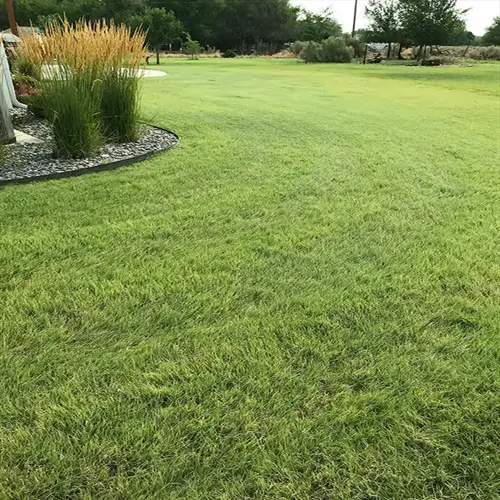
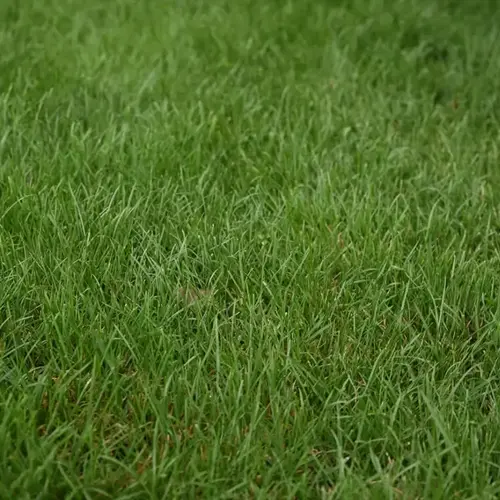
St augustine grass ranks as the top warm-season turfgrass across the Southeast. It grows strong in USDA zones 7a through 12b and handles shade better than any other warm-season option. If you want a lawn that stays green through brutal heat and still looks great under trees, this grass belongs on your list.
I've grown St Augustine in 3 different yards over the past 12 years. One thing caught me off guard when I first started. You can't grow this grass from seed like bermuda or fescue. St Augustine spreads through stolons, which are runners that creep across the soil and root down. You need sod, plugs, or sprigs to get started.
A stoloniferous lawn like St Augustine works like a living ground cover. The thick stolons weave into a dense carpet and crowd out weeds on their own. You don't need to dump chemicals on the yard to keep it clean. That natural weed control is why more people pick this shade tolerant grass.
This guide shows you how to pick the right cultivar and care for your lawn each season. You'll also learn how to fix common problems before they spread. Whether you're planting fresh or saving an old lawn, the info you need is right here.
8 St Augustine Grass Cultivars
Not all st augustine grass varieties perform the same way in every yard. The cultivar you pick should match your shade level, climate zone, and how much work you want to put in. I've tested 4 of these types of st augustine grass in my own yards, and the wrong pick cost me a full season of growth.
Each cultivar below solves a different problem. Floratam handles full sun, Palmetto owns the shade, CitraBlue fights drought, and Raleigh survives cold snaps. Pick the one that fits your biggest lawn challenge and you'll save time and money from day one. There's also a dwarf st augustine option for those who want a finer look.
Floratam
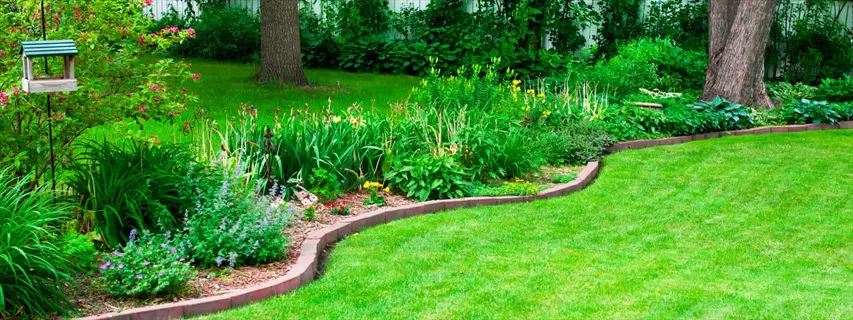
- Sun Needs: Floratam requires a minimum of 6 hours of direct sunlight daily, making it the best choice for open yards without significant tree canopy or shade structures.
- Growth Habit: This cultivar produces coarse-textured, dark green blades and spreads aggressively through thick stolons that can fill in bare spots within a single growing season.
- Pest Resistance: Floratam was originally released for its chinch bug resistance, though some populations have developed tolerance, requiring ongoing monitoring during warm months.
- Regional Fit: Best suited for central and south Florida, coastal Texas, and other areas where winter temperatures rarely drop below 25 degrees Fahrenheit (minus 3.9 degrees Celsius).
- Mowing Height: Maintain at 3.5 to 4 inches (8.9 to 10.2 centimeters) for standard health, or 2.4 inches (6.1 centimeters) if using a robotic mower based on UF/IFAS research.
- Consideration: Not recommended for shaded lawns or regions with frequent freezing temperatures, as Floratam has poor cold tolerance among St Augustine cultivars.
Palmetto
- Shade Tolerance: Palmetto offers very good shade tolerance, performing well with as little as 4 hours of filtered sunlight per day in most growing conditions.
- Cold Hardiness: Rated as having very good cold tolerance, Palmetto can survive in the upper range of USDA zone 7a, making it suitable for cooler southern climates.
- Appearance: Produces a medium-textured, emerald green lawn with a finer blade than Floratam, giving yards a softer and more manicured visual appeal.
- Establishment: Available as sod or plugs and establishes relatively quickly through active stolon production during warm months from late spring through early fall.
- Versatility: Works well in both full sun and partial shade settings, making it a reliable all-around choice for yards with mixed light conditions throughout the day.
- Consideration: Moderate chinch bug resistance means regular scouting is still necessary during hot summer months, especially in sunny sections of the lawn.
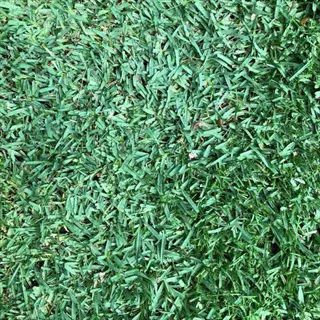
CitraBlue
- Drought Tolerance: Released in 2018 by UF/IFAS, CitraBlue demonstrates greater drought tolerance than Floratam, Palmetto, and Raleigh based on university field trials.
- Mowing Range: Maintain CitraBlue at 2.0 to 3.0 inches (5.1 to 7.6 centimeters), giving homeowners more flexibility with mowing height than standard cultivars.
- Color: Features a distinctive blue-green color that sets it apart visually from the darker green tones of Floratam and the lighter shades of Palmetto.
- Growth Rate: Produces a dense turf with moderate growth rate, reducing the frequency of mowing compared to faster-spreading cultivars like Floratam.
- Shade Performance: Shows good shade tolerance while also performing well in full sun, making it adaptable across different yard conditions and landscapes.
- Consideration: As a newer cultivar, long-term performance data across all regions is still being gathered, though early results from university trials are promising.
Raleigh
- Cold Tolerance: Raleigh offers the best cold hardiness of any St Augustine cultivar, making it the top choice for lawns in USDA zones 7a and 7b where winter freezes are common.
- Regional Fit: Most popular in North Carolina, northern parts of Alabama, northern Texas, and other areas at the upper edge of the St Augustine growing range.
- Shade Tolerance: Performs reasonably well in partial shade, though not quite as strong as Palmetto in heavily shaded areas beneath dense tree canopy.
- Disease Concern: More susceptible to gray leaf spot fungus during hot, humid weather, requiring good air circulation and careful nitrogen management to prevent outbreaks.
- Pest Weakness: Rated as having poor chinch bug resistance by Alabama Extension, making regular pest scouting essential during summer months in warmer parts of its range.
- Consideration: Best reserved for areas where cold tolerance is the primary concern, as other cultivars outperform Raleigh in pest resistance and drought management.

BitterBlue
- Heritage: Selected in the 1930s, BitterBlue is one of the oldest improved St Augustine cultivars and has a long track record in the southeastern United States.
- Shade Tolerance: Performs well in moderate shade conditions, historically valued for maintaining density and color under partial canopy where other cultivars thin out.
- Texture: Features a finer leaf blade than standard St Augustine, producing a denser and more visually refined turf compared to coarser cultivars like Floratam.
- Cold Tolerance: Better cold hardiness than Floratam but not as strong as Raleigh, placing it in a middle range suitable for moderate southern climates.
- Maintenance: Requires standard St Augustine care including regular mowing at 3.5 to 4 inches (8.9 to 10.2 centimeters) and seasonal fertilization throughout the growing period.
- Consideration: Availability has decreased as newer cultivars like CitraBlue and Palmetto have gained market share, so check local sod farms for supply before planning.
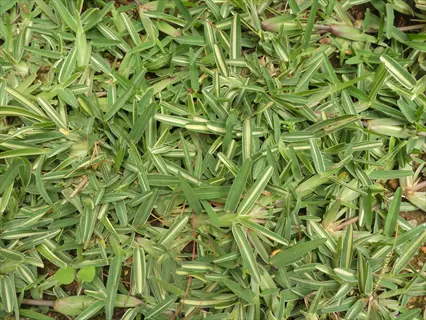
Seville
- Dwarf Type: Seville is classified as a dwarf St Augustine cultivar, allowing homeowners to mow at a lower height of 2 to 2.5 inches (5.1 to 6.4 centimeters).
- Fine Texture: Produces noticeably finer blades than standard cultivars, creating a more manicured lawn appearance that some homeowners prefer over coarser varieties.
- Shade Performance: Shows good shade tolerance, making it suitable for yards with moderate tree cover where a lower-growing turf is desired for aesthetic reasons.
- Density: Forms a tight, dense turf mat through close internode spacing on its stolons, providing strong weed resistance when properly maintained throughout the year.
- Growth Rate: Slower vertical growth than Floratam means less frequent mowing, though horizontal spreading also takes longer during establishment from plugs or sod.
- Consideration: The lower mowing height requires more precise mower blade adjustment to avoid scalping, which can damage the grass and create bare spots.
ProVista
- Unique Trait: ProVista is the only glyphosate-tolerant St Augustine cultivar, allowing homeowners to use glyphosate-based products for weed control without harming the turf.
- Growth Rate: Produces slower vertical growth than Floratam, reducing mowing frequency and the amount of clippings generated throughout the active growing season.
- Weed Management: The glyphosate tolerance opens up weed control options that are not available with any other St Augustine variety, simplifying lawn maintenance programs.
- Appearance: Maintains a dark green color similar to Floratam with a comparable blade width, so lawns look similar to traditional St Augustine installations.
- Availability: Sold primarily through licensed sod producers, which can limit availability in some markets and may require advance ordering during peak planting season.
- Consideration: The glyphosate tolerance is the main selling point, so homeowners who prefer organic or chemical-free lawn care may not benefit from this cultivar's primary advantage.
TamStar
- Texas Origin: Developed by Texas A&M, TamStar is specifically bred for performance in Texas growing conditions, including heat, humidity, and regional soil types.
- Shade Tolerance: Demonstrates good shade performance, competing with Palmetto for homeowners in Texas who need turf that handles both sun and partial shade areas.
- Pest Resistance: Shows improved chinch bug resistance compared to older cultivars, reducing the need for insecticide applications during peak summer pest pressure periods.
- Density: Produces a thick, carpet-like turf through vigorous stolon growth that helps crowd out common warm-season weeds during the active growing period.
- Mowing Height: Maintain at 2.5 to 3.5 inches (6.4 to 8.9 centimeters) following Texas A&M AgriLife recommendations for optimal health and appearance in Texas climates.
- Consideration: Primarily available in the Texas market, so homeowners in Florida or other southeastern states may find it difficult to source from local sod suppliers.
Your best bet is to match the cultivar to your yard's biggest weakness. Got heavy shade? Go with Palmetto. Full sun and dry soil? CitraBlue is your pick. Cold winters up north? Raleigh handles frost better than the rest.
Seasonal Maintenance Calendar
A good lawn care schedule keeps your St Augustine looking thick without wasting time or money. I keep a printed version of this calendar on my garage wall so I never miss a task. The table below covers seasonal mowing height, fertilization, and pest control in one spot.
Timing matters more than most people think with st augustine maintenance. Apply your pre-emergent herbicide from late February to mid March and follow up 8 to 10 weeks later. Test your soil for a target pH of 6.0 to 6.5 before you start any fertilizer program. When summer heat spikes, raise your mowing height by 0.5 to 1 inch to reduce stress on the roots.
Keep in mind that when to fertilize st augustine depends on your state. Florida's Urban Turf Rule caps nitrogen at 2 pounds per 1,000 square feet per application with 65% controlled release. Your local extension office can tell you if similar rules apply where you live. Thatch removal works best in early fall when the grass still has time to fill back in before winter.
Planting and Establishing
Planting st augustine grass starts with picking the right method for your budget and patience level. I've done all 3 methods in my own yards. St augustine sod installation gave me a full lawn in one day. St augustine plugs saved me hundreds of dollars when I wasn't in a rush. Either way, establishing st augustine lawn takes care during the first month.
Your new sod watering schedule matters more than anything else during the first 2 weeks. I lost an entire pallet of sod my first year because I didn't water enough during a hot stretch in June. Follow the guidelines below and check your lawn every single day for the first 30 days.
Sod Installation
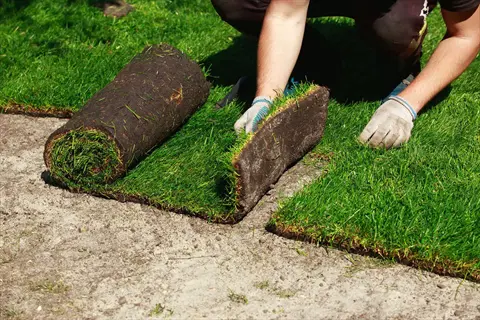
- Coverage Speed: Sod provides an instant lawn with full coverage on the day of installation, making it the fastest way to establish a St Augustine lawn for immediate use.
- Preparation: Clear the area of existing vegetation, grade the soil for proper drainage, and apply a starter fertilizer before laying sod pieces tight together with no gaps.
- Watering: Water new sod with multiple 5 to 10 minute applications daily for the first 7 to 10 days, then shift to deeper and less frequent irrigation sessions over the next week.
- Root Establishment: Sod roots into the soil within 2 to 3 weeks when watered well, though you should avoid heavy foot traffic for at least 3 to 4 weeks.
Plug Planting
- Spacing: Plant St Augustine plugs at 6 to 24 inch (15.2 to 61 centimeter) intervals, with closer spacing producing a filled-in lawn faster but requiring more plugs and higher upfront cost.
- Coverage Timeline: Expect full coverage in 3 to 6 months when plugs are spaced at 6 to 12 inches, or up to 12 months for wider spacing of 18 to 24 inches apart.
- Advantages: Plugs cost much less than full sod installation and let you establish a lawn in stages while managing your budget over a longer timeframe.
- Care During Fill-In: Keep the soil moist around plugs at all times and apply a weed barrier or pre-emergent between plugs to prevent weeds in bare areas.
Sprigging
- Method: Sprigs are individual stolons or stolon pieces planted in furrows spaced 6 to 12 inches (15.2 to 30.5 centimeters) apart and pressed firm into moist soil.
- Cost: Sprigging is the least expensive establishment method per square foot, making it practical for large areas where sod costs would be prohibitive.
- Coverage Timeline: Full lawn coverage from sprigs takes about 3 to 6 months depending on spacing, soil quality, watering consistency, and growing season temperatures.
- Best Timing: Plant sprigs during the active growing season from late spring through midsummer when soil temperatures stay above 65°F (18.3°C).
Critical First 30 Days
- No Fertilizer Rule: UF/IFAS recommends withholding fertilizer for 30 to 60 days after planting to allow roots to establish without the risk of burning tender new growth.
- Mowing Start: Begin mowing once the grass reaches 1 inch above your target mowing height. This is about 3 to 4 weeks after sod installation or when plugs show active spreading.
- Traffic Restriction: Keep foot traffic, pets, and equipment off fresh planted areas for at least 3 weeks to avoid disrupting root development and shifting sod pieces.
- Monitoring: Check daily for dry spots, lifted sod edges, or wilting plugs during the first month, as uneven watering is the most common cause of establishment failure.
Pests, Diseases, and Weeds
St augustine grass pests and diseases can ruin a lawn fast if you don't catch them early. Chinch bugs st augustine owners deal with are the number one insect threat to this grass. I've used the coffee can float test on my lawn dozens of times. You push a metal can into the soil, fill it with water, and watch for bugs to float up within 5 minutes. It works great and costs you nothing.
Gray leaf spot and brown patch are the 2 fungal diseases you'll see most often. Take-all root rot is harder to spot because it attacks below the soil line. For weeds, your best weed control st augustine plan starts with a thick lawn that crowds them out. Pay attention to this phenoxy herbicide warning too. Never spray phenoxy products on St Augustine or you risk killing your grass.
Clemson sets the grub treatment threshold at 6 or more grubs per square foot of sod. Don't treat for grubs unless you hit that number. I've seen people spray their whole yard for 2 grubs and waste good money on a problem that didn't exist.
St Augustine vs Other Grasses
Picking between St Augustine and other warm-season grasses comes down to your yard and your lifestyle. I've grown bermuda and St Augustine side by side and the differences show up fast. This warm-season grass comparison breaks down the 4 most popular options so you can match each grass to your needs.
NC State confirms St Augustine is the best grass for shade among all warm-season types. Texas A&M adds that it has deep rooting power and fast spread. But if you need a st augustine alternative for a sports field or cold climate, bermuda or zoysia might serve you better.
In a st augustine vs bermuda grass matchup, bermuda wins on traffic and drought but fails in shade. St augustine vs zoysia comes down to work versus cost, since zoysia needs less care but costs more upfront. St augustine vs centipede grass is about looks versus budget since centipede runs cheaper but grows thinner.
Environmental Benefits
Most people pick St Augustine for its looks. But the st augustine environmental benefits go far beyond a green yard. NC State research shows this grass improves soil structure and boosts water infiltration. That means less runoff during heavy rain and healthier soil under the surface.
I noticed the change in my own yard after 2 years of growing St Augustine. The soil went from hard clay to something I could push a screwdriver through with ease. That improved lawn soil health helped my flower beds drain better too. Dense St Augustine turf also acts as a strong erosion control grass on slopes and banks where bare soil would wash away.
The thick stolon network catches rainwater and lets it soak in instead of running off into storm drains. Better water infiltration means your yard holds more moisture on its own and you water less over time. This is a big deal for sustainable lawn care in areas that face water limits during the summer months.
Florida now enforces the florida turf fertilizer rule to keep water clean. It caps nitrogen at 2 pounds per 1,000 square feet per use. The rule also requires 65% controlled release in each bag you buy. Other states may follow suit soon. Smart St Augustine care lets you grow a great lawn while also protecting local streams and lakes.
You can cut chemical use even more by letting the dense canopy do its job. A thick St Augustine lawn crowds out weeds on its own, which reduces your need for herbicides. Mow at the right height, water when the grass tells you to, and fertilize based on soil tests rather than a set schedule. That approach gives you a lawn that works with nature instead of against it.
5 Common Myths
St Augustine grass can be grown from seed just like bermuda or fescue grasses available at garden centers.
St Augustine grass is established only through sod, plugs, or sprigs because commercially viable seed is not available for homeowner use.
Mowing St Augustine grass shorter will reduce how often you need to mow and save time on lawn maintenance.
Cutting St Augustine below recommended heights weakens the root system, increases weed invasion, and makes the lawn more vulnerable to drought stress.
St Augustine grass needs daily watering to stay green and healthy throughout the warm summer growing season.
Established St Augustine lawns perform best with deep, infrequent watering of 0.5 to 0.75 inches (1.3 to 1.9 centimeters) only when the grass shows stress signs like a bluish hue.
All St Augustine grass cultivars perform the same way regardless of your climate zone or yard conditions.
Cultivars vary significantly in cold hardiness, shade tolerance, and pest resistance, making selection critical for long-term lawn success in different regions.
Brown patches in St Augustine grass always mean the lawn has a fungal disease that requires chemical treatment.
Brown patches can result from chinch bug damage, drought stress, dormancy, or nutrient deficiency, and each cause requires a different management approach.
Conclusion
Good st augustine grass care starts with one big choice: picking the best st augustine cultivar for your yard. Match the cultivar to your shade level, climate zone, and how much time you want to spend on warm-season lawn maintenance. Get that choice right and most other problems take care of themselves over time.
Keep the basics in your head as you go forward with this lawn care guide. Mow at 3.5 to 4 inches for standard types. Apply 2 to 4 pounds of nitrogen per 1,000 square feet each year. Scout for chinch bugs with the coffee can float test once a month during summer. These 3 habits prevent most lawn problems before they start.
In my experience, too many people lose their St Augustine lawns because they skip the simple stuff. The grass tells you what it needs if you pay attention. A blue tint means water it now. Yellow patches in sunny spots mean check for chinch bugs. Thin spots in shade mean your cultivar might not fit that area.
Think about your shade, your zone, and your free time before you buy a single piece of sod. Palmetto works great in shade. Floratam owns the sun. CitraBlue fights through dry spells. Raleigh handles the cold. Your yard conditions should drive every choice you make from day one.
Your St Augustine lawn does more than look good from the street. Dense turf holds soil in place, filters rain, and crowds out weeds without chemicals. Take care of it the right way and you get a lawn that works with your local environment for years to come.
External Sources
Frequently Asked Questions
What are the downsides of St. Augustine grass?
St Augustine grass has low cold tolerance, poor wear resistance for high-traffic areas, susceptibility to chinch bugs and gray leaf spot, and requires consistent watering during dry periods.
Is St. Augustine grass good?
St Augustine grass is an excellent choice for warm, humid climates because it offers superior shade tolerance, dense weed-resistant growth, and rapid establishment through stolons.
Is buffalo grass the same as St. Augustine?
Buffalo grass and St Augustine grass are different species. In Australia, St Augustine is called buffalo turf, which causes confusion, but North American buffalo grass is a separate drought-tolerant species.
What is another name for St. Augustine grass?
St Augustine grass is scientifically known as Stenotaphrum secundatum and goes by regional names including Charleston grass, buffalo turf in Australia, and carpet grass in parts of the Caribbean.
What is the controversy about St. Augustine?
Controversy around St Augustine grass centers on its heavy water and fertilizer needs, herbicide restrictions, and debates over whether its benefits justify the environmental cost in drought-prone areas.
Is St. Augustine high maintenance?
St Augustine grass requires moderate to high maintenance including regular mowing at specific heights, consistent irrigation, seasonal fertilization, and monitoring for chinch bugs and fungal diseases.
What is poor man's grass?
Poor man's grass typically refers to centipede grass, which requires far less fertilizer, mowing, and care than St Augustine while still providing a green warm-season lawn at lower cost.
How cold does St. Augustine get in winter?
St Augustine grass enters dormancy when soil temperatures drop below 55 degrees Fahrenheit (12.8 degrees Celsius) and can suffer permanent damage when air temperatures fall below 20 degrees Fahrenheit (minus 6.7 degrees Celsius).
What grass is better than St. Augustine?
Bermuda grass outperforms St Augustine in cold tolerance, traffic resistance, and drought recovery, while zoysia offers better wear tolerance and lower maintenance in transitional climates.
Is St. Augustine grass more expensive?
St Augustine grass sod typically costs more than bermuda or centipede because it cannot be grown from seed and must be installed as sod, plugs, or sprigs, adding to material and labor costs.