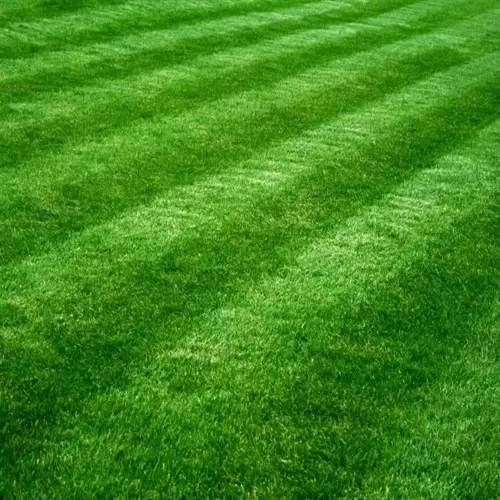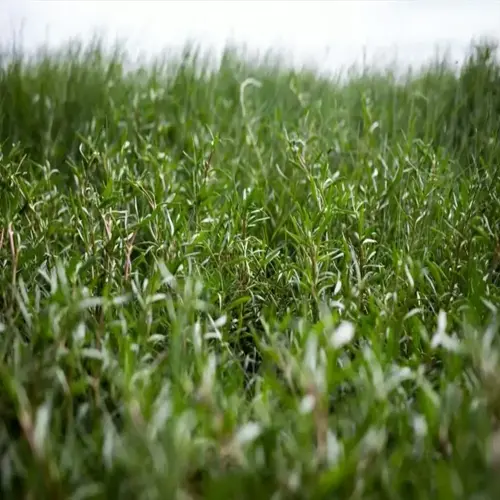

Poor man's grass is the nickname for bahia grass, a warm-season turf that grows in sandy soil with almost no help from you. People gave it this name because bahia costs very little to keep alive. You skip the big fertilizer bills and sprinkler runs that other grasses need. If your budget is tight, this grass earns its keep season after season.
This bahia grass nickname has stuck around for decades across the Southeast. Homeowners in Florida and along the Gulf Coast started using the term years ago. Bahia grew in soil so sandy and poor that nothing else would take root there. Instead of spending hundreds on sod, they threw down bahia seed at $30 to $50 for a full yard. The grass did the rest on its own without any extra care.
I've kept a bahia lawn for years and my total bill stays under $100 per year. That covers two bags of fertilizer and gas for the mower. My neighbor runs St. Augustine and spends close to $600 each year on fertilizer, pest control, and water. His lawn does look nicer, but mine survives every drought while his turns brown the moment he skips a watering day. In my experience, the savings add up fast over time.
The reasons behind the name make sense when you look at how bahia works underground. Its roots push several feet deep into sandy soil. They pull water from layers that bermuda and St. Augustine roots never reach. This deep root system means bahia stays green on rainfall alone in most parts of Florida. UF/IFAS calls bahia a low-care lawn grass that does well with limited water.
Bahia is the most affordable lawn grass you can plant in the Southeast today. It needs just 1 to 2 pounds of nitrogen per 1,000 square feet each year. Bermuda needs 4 to 6 pounds for the same space. You mow every 7 to 14 days instead of twice a week. You skip the sprinkler system since rain does the watering for you.
The "poor man's" label sells bahia short in some ways. This grass handles drought and heat better than turf types that cost five times more to maintain. If you want a green yard without draining your bank account, bahia is the smart pick. Just know that it won't give you the manicured look of a bermuda lawn. You trade looks for savings, and for most folks that trade works out just fine.
Read the full article: Bahia Grass: A Complete Growing Guide