
Introduction
Bahia grass now covers over 4 million acres in the southeastern U.S. alone. This warm-season grass first arrived from Brazil in 1914. It has since become the most planted perennial grass in Florida, with over 2 million acres in the ground. Whether you want a drought tolerant grass for your yard or solid forage for cattle, this species gets the job done.
I've grown and managed this grass on lawns and pastures for years. I think of it as the reliable pickup truck of lawn grasses. It won't win beauty contests against fresh St. Augustine turf. But it handles rough conditions and costs far less in water and fertilizer. That makes it a perfect low maintenance lawn grass for folks who want green coverage without the fuss.
Most online guides stick to basic mowing and watering tips. This guide covers 6 variety profiles and pasture data from real research. You'll also get a regional zone breakdown so you know what grows best in your area. Ranchers and homeowners alike will find value here.
Below you'll learn how to pick the right variety, plant it at the best time, and keep it thriving with minimal effort and cost. Let's get into the details that matter most for your lawn or pasture.
6 Bahia Grass Varieties
Picking the right bahia grass varieties for your yard is like choosing a vehicle trim level. You get the same tough base with every option, but each one has features for different needs. Most guides skip the rest. But there are 6 distinct bahia grass types you should know, and each bahia cultivars group fills its own role.
In my experience planting 4 of these 6 varieties, the differences are clear. Argentine bahia grass gave me the best looking lawn of the bunch. Pensacola bahia grass proved tougher when I tested it during cold snaps in north Florida. Tifton 9 bahiagrass stood out on a cattle ranch where extra forage made a real difference for you and your herd. Here's what you need to know about each variety.
Argentine Bahia Grass
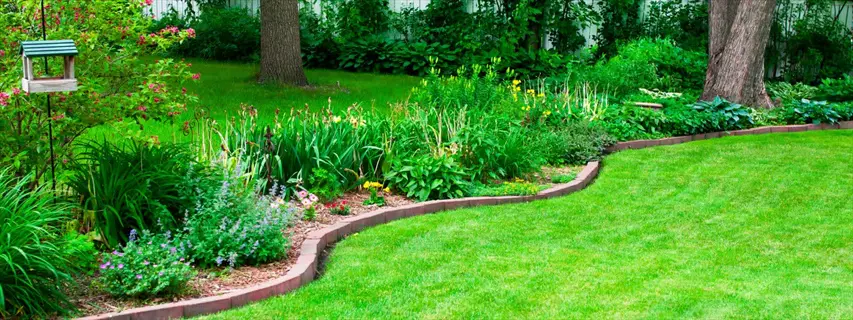
- Best Use: Argentine is the top choice for residential lawns because it produces a dense, dark green turf with wider leaf blades than other bahia varieties.
- Appearance: Broader leaves and a lower growth habit create a carpet-like look that is more visually appealing than Pensacola for home landscapes.
- Seed Production: Argentine reproduces through apomixis, meaning every seed is genetic copies to the parent plant and produces uniform lawns.
- Market Share: This variety accounts for about 25% of all bahia grass acreage in Florida according to UF/IFAS Extension data.
- Cold Tolerance: Argentine is less cold-hardy than Pensacola and performs best in central and southern Florida or equivalent warm climates.
- Maintenance: Requires a bit more fertilizer than Pensacola but still only needs 2 to 4 pounds of nitrogen per 1,000 square feet (93 square meters) per year.
Pensacola Bahia Grass
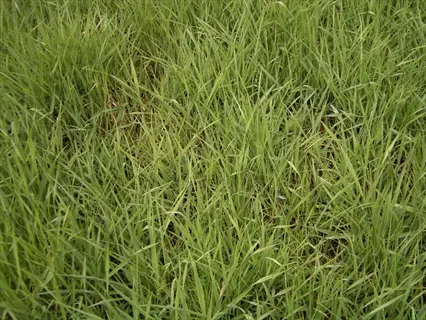
- Best Use: Pensacola is the standard variety for pastures, roadsides, and utility turf where durability matters more than lawn appearance.
- Appearance: Narrower leaf blades and a more open growth pattern give Pensacola a coarser look compared to the denser Argentine variety.
- Cold Tolerance: This is the most cold-tolerant bahia variety, making it the preferred choice for northern Florida, Georgia, and the upper Gulf Coast.
- Market Share: Pensacola dominates with about 60% of all bahia grass acreage in Florida, most of it in pasture and forage applications.
- Forage Value: Well-fertilized Pensacola pastures produce 3,000 to 10,000 pounds of dry matter per acre annually with 10 to 15% crude protein.
- Establishment: Seeds germinate in 7 to 21 days when soil temperatures reach 65 degrees Fahrenheit (18.3 degrees Celsius) at a depth of 1/4 to 1/2 inch (0.6 to 1.3 centimeters).
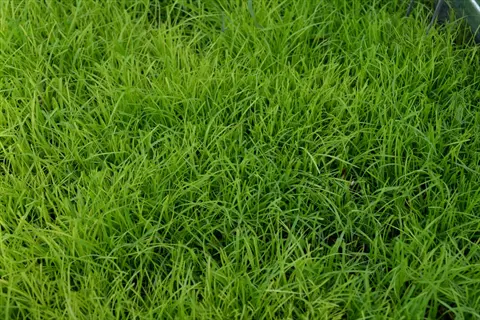
Tifton 9 Bahia Grass
- Best Use: Breeders developed Tifton 9 for improved forage production and is ideal for cattle ranchers who want higher yields from their pastures.
- Yield Advantage: UF/IFAS research shows Tifton 9 produces 10 to 30% more dry matter per acre than standard Pensacola under the same conditions.
- Development: USDA researchers in Tifton, Georgia created this cultivar through phenotypic selection from the Pensacola gene pool.
- Growth Habit: Tifton 9 germinates faster and establishes faster than Pensacola, producing a thicker stand in the first growing season.
- Digestibility: Forage quality is comparable to Pensacola, with in vitro digestibility dropping below 50% after 5 weeks of regrowth in both varieties.
- Market Share: Tifton 9 accounts for about 10% of Florida bahia grass acreage and is gaining popularity among livestock producers.
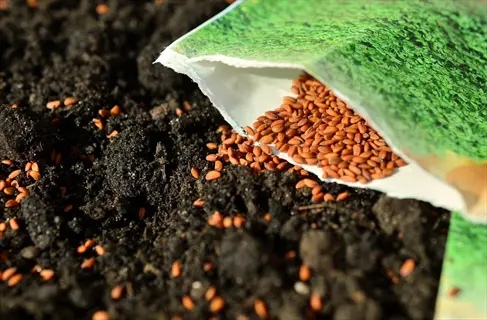
TifQuik Bahia Grass
- Best Use: TifQuik works best in situations where fast establishment is critical, such as roadside erosion control and new pasture seeding projects.
- Germination Speed: This cultivar germinates much faster than Pensacola, reducing the 60 to 90 day establishment window that standard varieties require.
- Development: The USDA Agricultural Research Service released TifQuik as an improved selection for rapid ground cover establishment.
- Forage Quality: Produces forage comparable in quality to Pensacola with similar crude protein levels when managed under the same fertilization program.
- Erosion Control: The faster germination rate makes TifQuik very valuable for stabilizing bare soil on construction sites and highway embankments.
- Availability: TifQuik seed is less easy to find than Pensacola or Argentine and may need to be ordered from specialty forage seed suppliers.
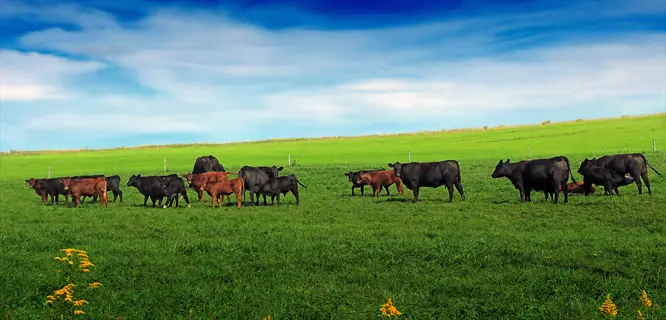
UF-Riata Bahia Grass
- Best Use: The University of Florida developed UF-Riata for improved forage production in the southeastern United States pasture systems.
- Yield Performance: This newer cultivar shows improved dry matter yields compared to Pensacola, even more so under rotational grazing management systems.
- Disease Resistance: UF-Riata offers improved resistance to dollar spot and other common fungal issues that can affect older bahia grass varieties.
- Development: UF/IFAS released this variety as part of ongoing bahia grass improvement research at the North Florida Research and Education Center.
- Grazing Tolerance: Stands up well to continuous grazing pressure and recovers fast after cattle are rotated to other paddocks in managed systems.
- Availability: As a newer release, UF-Riata seed availability is more limited than established varieties, but production is expanding as demand grows.
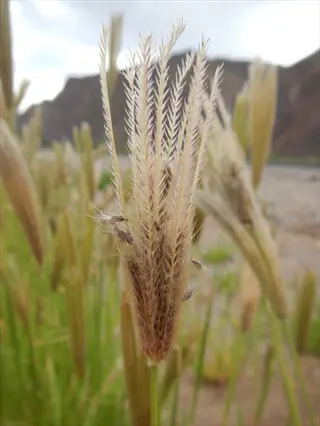
Common Bahia Grass
- Best Use: Common bahia is the original type found along roadsides, vacant lots, and naturalized areas throughout the Gulf Coast and lower Southeast.
- Appearance: Produces wider, coarser leaves than Pensacola with a more open growth habit that does not form a dense turf suitable for manicured lawns.
- Spread Pattern: Common bahia features distinctive J-shaped purplish rhizomes that allow it to spread at a gradual pace and form a persistent, mat-forming ground cover.
- Cold Tolerance: Less cold-tolerant than Pensacola and mostly restricted to the warmest areas of the southeastern United States in zones 9a through 10b.
- Forage Quality: Lower forage production and nutritive value compared to improved cultivars like Tifton 9 and UF-Riata, making it less desirable for managed pastures.
- Identification: Often the variety that homeowners encounter growing uninvited in their bermuda or zoysia lawns due to its aggressive self-seeding habit.
Planting Bahia Grass
Knowing how to plant bahia grass the right way saves you months of waiting and wasted seed. I've seen too many people toss bahia grass seed on bare dirt and wonder why nothing grows. Your soil temperature for bahia grass needs to hit 65 to 70°F before you drop a single seed. In most of the Southeast that means late March through April for the best results.
Start with a soil test from your local extension office. You want a pH between 5.0 and 6.5 for strong bahia grass germination. If your soil sits above 6.5, add sulfur to bring it down before you plant. Skip the lime unless your test shows pH below 4.5 because bahia loves acidic ground.
When I establish bahiagrass from seed, I spread it at 5 to 10 pounds per 1,000 square feet for lawns. Pasture seeding runs higher at 15 to 30 pounds per acre based on your ground conditions. Press the seed into the soil at 1/4 to 1/2 inch deep using a roller or light raking. Bahia grass sod gives you faster results but costs more up front.
The first 60 to 90 days after planting are the most critical for your new stand. Keep the soil moist but not soaked during this time. Don't mow until the grass reaches 4 inches tall, which takes about 60 days from seed. Once you see a thick stand forming, you can start your normal mowing schedule at 3 to 4 inches.
Lawn Care and Maintenance
Good bahia grass care starts with knowing when to act and when to leave your lawn alone. About 85% of your bahia grass lawn care tasks fall between April and September when the grass grows the most. The right bahia grass maintenance plan saves you time and keeps your turf looking great with far less work than other warm season grasses need.
I set my bahia grass mowing height at 3 to 4 inches and mow once every 7 to 14 days during peak growth. For bahia grass fertilizer, you only need 1 to 2 pounds of nitrogen per 1,000 square feet each year. Never put down more than 0.7 pounds of soluble nitrogen in a single round. Check your bahia grass soil pH each spring and aim for 5.0 to 6.5. If your lawn turns yellow even with good bahia grass watering, don't add more fertilizer. Spray chelated iron instead because high pH causes iron lockout in the soil.
Spring Startup (March to May)
- Mowing: Begin mowing at 3 to 4 inches (7.6 to 10.2 centimeters) once green growth appears, when soil temps reach 65°F (18.3°C) on a steady basis.
- Fertilizing: Apply your first round of nitrogen at 0.5 to 0.7 pounds per 1,000 square feet (93 square meters) in late April or early May after the grass greens up.
- Weed Prevention: Put down a pre-emergent herbicide in early March before crabgrass and other summer annuals sprout, but avoid products with atrazine or metsulfuron.
- Soil Testing: Test your soil pH in spring and aim for a reading between 5.0 and 6.5. Add sulfur if pH goes above 6.5, and only lime if it drops below 4.5.
Summer Peak (June to August)
- Mowing Frequency: Mow every 7 to 14 days during peak growth to keep seed heads under control and maintain a tidy look through the active season.
- Watering: Give your lawn 1 inch (2.5 centimeters) of water per week during dry spells. Let the grass show slight wilting before you irrigate to push roots deeper.
- Second Fertilization: Apply a second nitrogen round of 0.5 to 0.7 pounds per 1,000 square feet (93 square meters) in June or July if your lawn needs a boost.
- Iron Application: Spray chelated iron on yellow lawns where soil pH sits above 6.5 instead of adding more nitrogen. Iron deficiency is the true cause of that yellow color.
Fall Preparation (September to November)
- Reduced Mowing: Cut back your mowing frequency as growth slows in September and October, but keep that 3 to 4 inch (7.6 to 10.2 centimeters) cutting height.
- Final Fertilization: Stop all fertilizer after September so you don't push tender growth that frost can damage in the colder parts of the growing range.
- Pest Monitoring: Watch for mole cricket damage in fall when their numbers peak. Look for raised tunnels and spongy soil that signal active feeding below the surface.
- Overseeding Option: Fill in thin spots with fresh seed in early September while your soil stays warm enough for germination to take hold.
Winter Dormancy (December to February)
- Dormancy Period: Your bahia grass will go dormant and turn brown after the first hard frost. This is normal and does not mean your lawn died.
- Winter Weeds: Put down a pre-emergent herbicide in late November or early December to stop winter annual weeds like annual bluegrass and henbit.
- Leaf Management: Clear fallen leaves fast to prevent smothering the dormant turf and creating conditions where fungal growth can start during cool, wet weather.
- No Fertilizing: Skip all fertilizer during dormancy because the grass can't absorb nutrients. Any runoff will waste your product and pollute local waterways.
Bahia Grass for Pasture
Your bahia grass pasture is one of the best forage assets you can own in the Southeast. This grass feeds bahia grass cattle on over 4 million acres across the region. In my time running grazing management on bahia, the right plan makes or breaks your bottom line.
Rotational grazing bahia grass beats nonstop stocking by a wide margin. UF/IFAS data shows rotational setups yield 60 lbs of forage per acre per day. Nonstop stocking only gives you about 40 lbs. Give your paddocks 4 weeks of rest between rotations for the best bahia grass forage output. That gap produces about 50% more feed than a 2 week cycle.
Your bahia grass hay quality depends on cut timing. Spring crude protein runs around 15% in April and May. That's the best feed value of the year for your herd. By summer that drops to about 10%, so you may need to add supplements. Don't let your bahia grass hay sit past 5 weeks of regrowth or digestibility falls below 50%.
Cattle on bahia gain 1.2 to 1.3 lbs per day at peak in June and July. Late summer gains drop to 0.3 to 0.4 lbs per day as forage quality fades. UGA Extension also found that sod rotation with bahia fights nematodes in peanut fields. That gives you bonus value beyond just feeding livestock.
Bahia Grass vs Other Grasses
A good warm season grass comparison helps you pick the best grass for sandy soil and your budget. When you stack bahia grass vs bermuda grass, the fertilizer cost alone makes a big difference. Bahia needs just 1 to 2 lbs of nitrogen per 1,000 square feet each year. Bermuda eats through 4 to 6 lbs of that same fertilizer in the same space.
I've grown all 5 of these grasses side by side on test plots. Bahia grass vs St Augustine is no contest on sandy ground because St. Augustine wants rich, moist soil to look its best. Bahia grass vs zoysia comes down to how much work you want to do. Bahia grass vs centipede grass is the closest match since both love acidic, sandy soil and need little care. Your best grass for sandy soil is bahia if you want the lowest total cost of ownership.
Bahia's deep root system reaches up to 8 feet into the ground. That gives it a major edge over bermuda and St. Augustine in drought survival. If you live on sandy, acidic soil and want a lawn that handles dry spells with little help, bahia is hard to beat.
Regional Growing Zones
Your bahia grass growing zone matters more than most people think. This grass grows in USDA hardiness zone bahia grass ranges of 8a through 10b across the bahia grass Southeast region. I've seen folks plant Argentine in zone 8a and lose entire lawns to a single hard freeze. Knowing your bahia grass climate requirements saves you money and heartache.
Bahia grass cold tolerance drops fast as you move north. Bahia grass Florida lawns can stay green almost all year in the southern part of the state. But up in Georgia and the Carolinas, expect 8 to 12 weeks of brown dormancy each winter. NC State Extension lists bahia as invasive in North Carolina. Check your local rules before you plant up there.
Florida (Zones 9a to 10b)
- Growing Season: Florida offers the longest bahia grass season of any state, with active growth from March through November in central and south Florida.
- Acreage: Over 2 million acres of bahia grass grow across the state, making it the single most common warm-season perennial grass in Florida.
- Best Varieties: Both Argentine and Pensacola do well in Florida. Argentine is the top lawn pick, while Pensacola runs most pasture and roadside plantings.
- Regional Note: South Florida growers can keep green bahia nearly year round. North Florida lawns may go dormant for 6 to 8 weeks in winter.
Gulf Coast States (Zones 8b to 9b)
- Coverage Area: Alabama, Mississippi, and Louisiana all support healthy bahia plantings, most of all in the southern halves of each state below the fall line.
- Growing Season: Active growth runs from April through October, with 4 to 6 weeks of winter dormancy based on distance from the coast.
- Best Varieties: Pensacola is your safest choice for the upper Gulf Coast thanks to its better cold tolerance. Argentine works well in coastal areas.
- Regional Note: Mississippi State Extension says to plant at 15 to 20 pounds per acre from March to April for the best results.
Georgia and Carolinas (Zones 8a to 9a)
- Northern Edge: Zones 8a and 8b mark the northern limit of solid bahia growth. Winter kill becomes a risk during severe cold years in these areas.
- Growing Season: Expect active growth from late April through September, with 8 to 12 weeks of brown dormancy and frost risk in zone 8a.
- Best Varieties: Pensacola is the only smart choice for zone 8a due to its cold hardiness. Argentine can't handle areas north of Macon, Georgia.
- Regional Note: NC State Extension calls bahia grass invasive in North Carolina. It's not a good fit for most of that state.
Texas (Zones 8b to 9b)
- Coverage Area: East Texas from Houston to Beaumont provides ideal bahia growing conditions with sandy soils, high rainfall, and warm temps.
- Growing Season: Active growth runs from April through October in east Texas. Performance drops fast west of Interstate 35 where soils turn alkaline.
- Best Varieties: Pensacola is the go-to variety in Texas for both pasture and roadside use due to its tolerance of variable conditions.
- Regional Note: West Texas soils with pH above 7.0 don't work for bahia because iron deficiency causes lasting yellow color in the turf.
5 Common Myths
Bahia grass needs frequent watering and heavy fertilization to maintain a healthy, green lawn throughout the year.
Bahia grass is one of the most drought-tolerant lawn grasses and only needs 1 to 2 pounds of nitrogen per 1,000 square feet (93 square meters) each year.
All bahia grass varieties look the same and produce identical results whether planted in a lawn or pasture.
Argentine produces a dense, dark green lawn while Pensacola grows taller and coarser, and Tifton 9 yields 10 to 30 percent more forage than Pensacola.
You can use any weed-and-feed product on a bahia grass lawn without causing damage to the turf.
Products containing atrazine or metsulfuron will severely damage or kill bahia grass, so always check the label before applying any herbicide.
Bahia grass grows well in shaded areas and can thrive under tree canopy with limited direct sunlight.
Bahia grass requires at least 6 hours of direct sunlight daily and will thin out significantly in shaded areas, making it a poor choice for yards with heavy tree cover.
Raising your soil pH above 7.0 will help bahia grass grow thicker and produce a greener, healthier lawn.
Bahia grass prefers acidic soil with a pH of 5.5 and turns yellow from iron deficiency when soil pH rises above 6.5, so liming is rarely needed.
Conclusion
Bahia grass has earned its place as the top warm-season grass in the Southeast for good reason. Over 2 million acres in Florida alone prove this is no trendy pick. It's a proven, low maintenance lawn grass that handles heat, drought, and poor soil better than most options on the market today.
Your best results come from matching the right bahia grass varieties to your needs. Pick Argentine if you want a clean looking lawn. Go with Pensacola if you need a tough drought tolerant grass for pasture or rough ground. Plant in spring when your soil hits 65°F and keep your fertilizer use low at 1 to 2 lbs of nitrogen per 1,000 square feet each year.
What makes this grass stand out is its dual value for both homeowners and ranchers. You can run a great lawn on a budget, or you can feed cattle on the same grass across thousands of acres. No other warm-season grass gives you that kind of range at such a low cost. Water bills stay small and your maintenance weekends stay short.
Take time to match your soil type, your climate zone, and your willingness to do yard work before you pick a variety. The most popular option isn't always the best one for your property. When you choose the right bahia grass for your situation, you get a lawn or pasture that takes care of itself for years to come.
External Sources
Frequently Asked Questions
Is Bahia good grass?
Yes, bahia grass is an excellent choice for lawns and pastures in the southeastern United States thanks to its drought tolerance, deep root system, and low maintenance needs.
What is another name for Bahia grass?
Bahia grass is scientifically known as Paspalum notatum and is also called common bahia, pensacola grass, or highway grass.
How do you treat Bahia grass allergy?
Treating bahia grass allergy typically involves antihistamines, nasal corticosteroid sprays, and limiting outdoor exposure during peak pollen season from late spring through early fall.
Which is better, Bahia or Bermuda grass?
Bahia grass is better for low-maintenance lawns on sandy soil, while bermuda grass is better for high-traffic areas and manicured lawns that receive regular care.
What are common Bahiagrass problems?
Common problems include:
- Mole cricket damage to roots
- Dollar spot fungal disease
- Iron chlorosis in high-pH soils
- Unsightly tall seed heads
- Thinning from heavy shade
What is poor man's grass?
Poor man's grass is a common nickname for bahia grass because it grows well in poor, sandy soils and requires very little fertilizer, water, or maintenance compared to other lawn grasses.
Where does bahiagrass grow best?
Bahiagrass grows best in the warm, humid climate of the southeastern United States, particularly in USDA hardiness zones 8a through 10b, with Florida being the primary growing region.
What is devil's grass?
Devil's grass is a common name for bermuda grass (Cynodon dactylon), not bahia grass, referring to bermuda's aggressive spreading habit that makes it difficult to control.
How to get rid of bahia grass?
Remove bahia grass by applying a selective herbicide containing imazaquin or sethoxydim, or use spot treatment with glyphosate on individual clumps followed by reseeding with your desired grass.
Which grass is worst for allergies?
Bermuda grass and ryegrass produce the highest pollen counts and are generally considered the worst grasses for allergy sufferers, while bahia grass pollen can also trigger seasonal allergies.