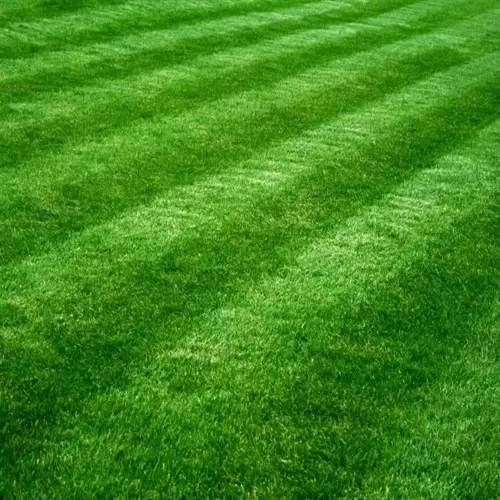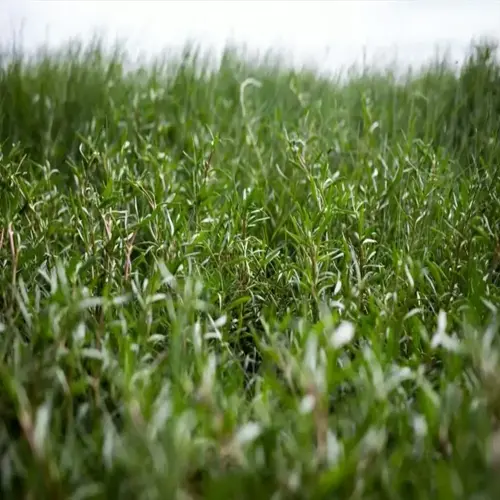

Yes, bahia is bahia good grass for lawns, pastures, and roadsides across the Southeast. It handles heat, drought, and poor sandy soils better than most warm-season grasses. If you want a lawn that survives tough conditions without constant care, bahia belongs on your short list.
The bahia grass benefits go far beyond just staying alive in bad soil. This grass builds a deep root system that reaches several feet underground to pull water from depths other turf grasses can't touch. It needs just 1 to 2 pounds of nitrogen per 1,000 square feet each year. Compare that to bermuda grass, which demands 4 to 6 pounds of nitrogen for the same area. Your fertilizer bill drops fast with bahia.
I watched my bahia lawn stay green through a brutal summer when my neighbor's St. Augustine turned crispy brown. He ran his sprinklers three times a week and still lost patches. My bahia got zero irrigation that entire season and held up fine. The roots kept pulling moisture from deep in the sandy soil while everything else around it dried out.
UF/IFAS calls bahia the most common warm-season perennial grass in Florida. It covers over 2 million acres across the state for good reason. Highway departments plant it along roads. Cattle ranchers seed their pastures with it. Homeowners choose it because the grass establishes fast and asks for very little in return.
Sandy or Poor Soil
- Root advantage: Bahia thrives in sandy, acidic soils with a pH between 4.5 and 6.5 where other grasses fail to establish strong roots.
- Nutrient needs: You can skip expensive soil amendments since bahia extracts what it needs from poor ground without heavy fertilizer programs.
- Erosion control: The dense root network holds sandy soil in place during heavy rains, protecting slopes and drainage areas from washing out.
Low Budget Maintenance
- Fertilizer savings: One or two applications per year costs a fraction of what bermuda or zoysia lawns demand for healthy growth.
- Water costs: Bahia survives on rainfall alone in most of Florida and the Gulf Coast, cutting your irrigation bill to nearly zero dollars.
- Mowing schedule: You can mow every 7 to 14 days at 3 to 4 inches instead of the twice-weekly cutting that bermuda requires.
Full Sun Locations
- Light requirement: Bahia needs at least 6 hours of direct sun each day and will thin out in shaded spots under trees.
- Heat tolerance: Peak performance happens during the hottest summer months when temperatures stay above 80°F (27°C) for weeks.
- Open areas: Pastures, roadsides, and large open lawns give bahia the sunlight it craves for thick, healthy coverage.
Ranchers across the South trust bahia as a pasture grass for their cattle herds. Cows graze on it all summer without extra feed costs. The grass bounces back from heavy grazing within weeks, saving money on reseeding. Horses and cattle eat it safely thanks to its low toxicity profile. When I first toured cattle ranches in central Florida, bahia good grass was growing in every pasture I saw.
Bahia does have tradeoffs you should know about. The bahia grass lawn quality won't match a well-kept bermuda or zoysia yard. Bahia grows in a coarser, more open pattern and sends up tall seed heads that look weedy between mowings. If you want a golf-course look, bahia won't give you that. You also need to mow more often during summer just to keep those seed heads under control.
Pick bahia when you have sandy soil, a tight budget, and limited time for yard work. Choose bermuda for high-traffic areas where you want a tight, manicured turf. Go with zoysia if you need shade tolerance and don't mind higher costs. Match the grass to your situation and you'll save yourself years of fighting the wrong turf.
Read the full article: Bahia Grass: A Complete Growing Guide