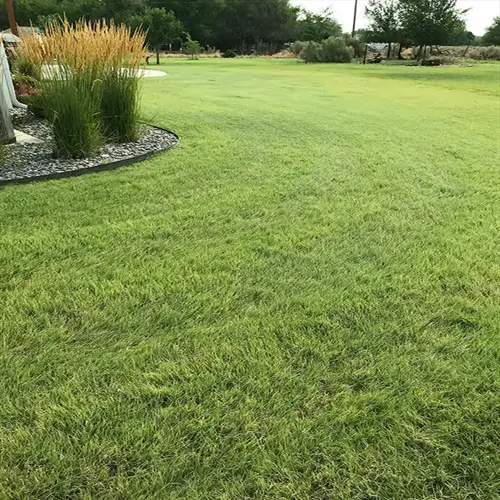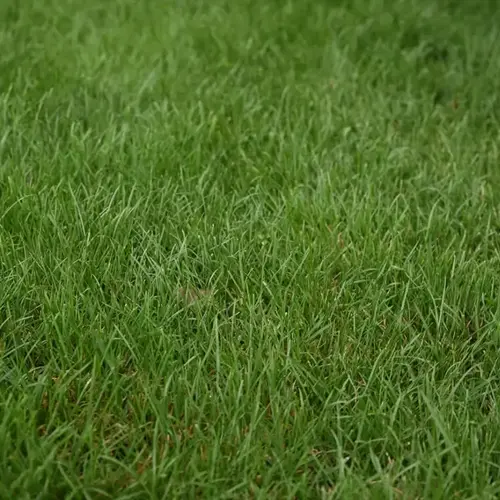

The controversy about St Augustine grass boils down to water, chemicals, and turf choices. Critics say it drinks too much water and needs too much fertilizer. Fans say nothing else gives you the same thick, shady lawn. Both sides make fair points.
The st augustine grass water use debate gets the most heat. I've seen it play out on my own street. My neighbor runs sprinklers three times a week to keep his St. Augustine green. The homeowner two doors down ripped out all turf and put in native plants instead. HOA meetings get tense when water bans hit and St. Augustine owners want more watering days than the city allows.
St. Augustine needs about 1 inch of water per week during summer. In dry spells, that number goes higher. The st augustine grass water use debate hits hardest in Texas and Florida. These states have millions of St. Augustine lawns pulling from the same water supply. When drought rules kick in, this grass suffers first. Some cities now offer cash rebates to people who swap turf for dry-weather plants.
The st augustine grass environmental concerns go beyond water too. Fertilizer runoff is a major issue. This grass needs 2 to 6 pounds of nitrogen per 1,000 square feet each year. Rain washes excess nitrogen into storm drains and coastal waters. That nitrogen feeds algae blooms that choke marine life. Florida passed the Urban Turf Fertilizer Rule to fight this problem. The rule caps each application at 2 pounds of nitrogen per 1,000 square feet. It also requires that 65% of the nitrogen come from slow-release sources.
Wrong herbicide use adds to the st augustine grass environmental concerns. Alabama Extension warns that many homeowners spray phenoxy products like 2,4-D on their lawns. These products harm St. Augustine. The damaged turf gets bare spots. Bare spots invite weeds. More weeds lead to more spraying in a cycle that hurts both your lawn and the soil around it. Most of these problems come from not reading the product label first.
In my experience, you can grow St. Augustine without adding to these problems if you follow a few rules. Water only when your grass blades start to fold or your footprints stay visible after you walk across the lawn. These are stress signals that tell you the grass needs a drink right now. Use your state extension service rates for fertilizer. Pick slow-release nitrogen to cut runoff risk. Try newer types like CitraBlue that handle dry spells better than older Floratam.
This debate won't end soon. St. Augustine gives you dense, shade-loving turf that blocks weeds on its own. But it does need more water and food than many other options. The smart path is to grow it right, not just grow it green. Follow research-backed rates, water based on what your lawn tells you, and your yard can look great without wasting resources.
Read the full article: St Augustine Grass Care and Growing Guide