
Introduction
Buffalo grass has fed bison herds across the Great Plains for thousands of years. This tough native grass now serves homeowners who want a drought tolerant grass that cuts water bills. As a warm season grass, it goes dormant in winter and bounces back each spring on its own.
Think of this grass as the camel of the lawn world. It thrives where other turf wilts under drought stress. Colorado State data shows these lawns use 50% to 75% less water than bluegrass. That stat alone makes it worth a hard look if you deal with summer water bans.
In my experience growing this turf for 4 years, most guides miss a key benefit. The lawn supports beneficial insects like lady beetles and wasps. These bugs keep harmful pests in check on their own. You get a low maintenance lawn that works with nature instead of fighting it.
This guide gives you cultivar picks and planting methods from real university research. You'll also find cost breakdowns and weed control plans. Let's get into the details so you can decide if this grass fits your yard.
8 Best Buffalo Grass Cultivars
Picking the right buffalo grass cultivars can make or break your lawn. Missouri Extension counts 8 seeded and 6 vegetative options on the market right now. Vegetative cultivars can't be grown from seed at all. They spread through stolons and are sold as sod or plugs due to patent rules.
I've tested several buffalo grass varieties over the years. Turf-type buffalograss picks like Prestige and UC Verde buffalograss look much finer than old pasture types. Seeded cultivars like Bison and Cody cost less upfront but give you a slightly coarser texture. Your best pick depends on climate, budget, and how polished you want the lawn to look.
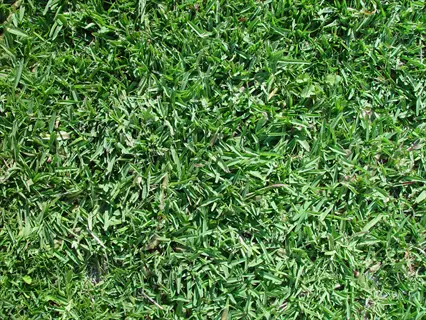
Prestige Buffalograss
- Growth Type: Vegetative-only cultivar that produces a dense, fine-textured turf with excellent color retention throughout the growing season.
- Water Needs: Maintains quality turf with as little as 25 millimeters (about 1 inch) of water from rainfall or irrigation per month during summer.
- Best Climate: Performs well across USDA zones 5 through 8, making it one of the most versatile cultivars for residential lawns in the southern Great Plains.
- Turf Quality: Produces a carpet-like lawn with a blue-green color that stays attractive longer into fall dormancy than many older cultivars.
- Establishment: Planted through sod or plugs only, with plugs at 12 to 18 inch (30 to 46 centimeter) spacing filling in within 8 to 12 weeks.
- Ideal Use: Best suited for homeowners who want a premium low-water lawn with the look and feel of a traditional turf without the high maintenance demands.
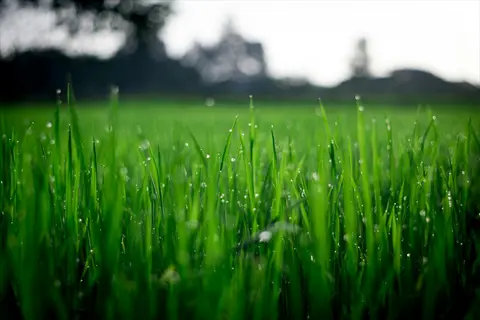
609 Buffalograss
- Growth Type: Vegetative cultivar known for producing thick, dark green turf that forms a tight canopy to help resist weed invasion.
- Water Needs: Requires about 1 to 2 inches (2.5 to 5 centimeters) of water every 2 to 4 weeks once fully established in the landscape.
- Best Climate: Thrives in USDA zones 5 through 8 and was developed specifically for improved turf quality in the transition zone states.
- Turf Quality: One of the first female-only cultivars, meaning it produces no pollen and creates a uniform, low-growing lawn surface.
- Establishment: Available as sod or plugs, with full coverage from plugs typically achieved within 6 to 10 weeks at recommended spacing.
- Ideal Use: Excellent for homeowners in Kansas, Nebraska, and Oklahoma who want a tried-and-true cultivar with decades of research backing its performance.

UC Verde Buffalograss
- Growth Type: Vegetative cultivar developed by the University of California specifically for western states with hot, dry summers and mild winters.
- Water Needs: Very drought tolerant and can survive on natural rainfall alone in many California and Southwest climates once established.
- Best Climate: Performs best in USDA zones 7 through 8 and was bred for regions outside the traditional Great Plains buffalo grass range.
- Turf Quality: Maintains a green color longer than most buffalo grass cultivars, with a finer leaf texture that resembles conventional lawn grasses.
- Establishment: Installed through sod or plugs and requires consistent watering during the first 6 to 8 weeks to develop a strong root system.
- Ideal Use: The top choice for California and Southwest homeowners looking to replace water-hungry cool-season lawns with a sustainable native alternative.
Bison Buffalograss
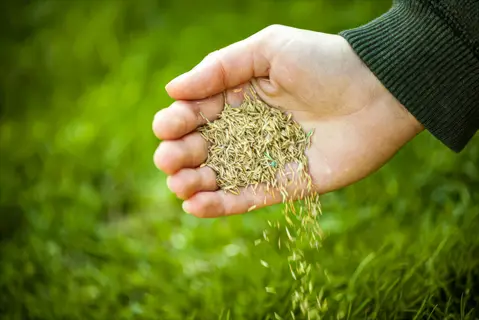
- Growth Type: Seeded cultivar that germinates in 7 to 21 days when soil temperatures reach 60 degrees Fahrenheit (15.5 degrees Celsius) or above.
- Water Needs: Once established, Bison needs only 1 to 2 inches (2.5 to 5 centimeters) of supplemental water every 2 to 4 weeks in the growing season.
- Best Climate: Hardy across USDA zones 4a through 8b and well adapted to the northern Great Plains with cold winters.
- Turf Quality: Produces a medium-textured turf with good density, though less refined than vegetative cultivars like Prestige or 609.
- Establishment: Seed at a rate of 3 to 5 pounds per 1000 square feet (1.4 to 2.3 kilograms per 93 square meters) at half-inch (1.3 centimeter) depth.
- Ideal Use: A budget-friendly option for homeowners who prefer to start from seed and want a proven cultivar for northern plains climates.
Cody Buffalograss
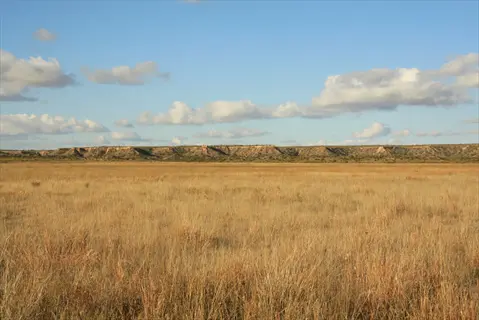
- Growth Type: Seeded cultivar that offers faster establishment than many older varieties, with treated seed germinating in about 7 to 14 days.
- Water Needs: Maintains healthy growth with minimal irrigation, requiring roughly 1 inch (2.5 centimeters) of water every 2 to 3 weeks once rooted.
- Best Climate: Performs well in USDA zones 4 through 7, making it one of the best choices for colder regions of the northern Great Plains.
- Turf Quality: Provides a bit coarser texture than vegetative types but develops good density when mowed at 2 to 3 inches (5 to 7.6 centimeters).
- Establishment: Can be seeded in late spring through early summer when soil temperatures are consistently warm for fastest germination results.
- Ideal Use: Well suited for large areas where the lower cost of seed over sod or plugs makes a significant difference in the overall project budget.

Legacy Buffalograss
- Growth Type: Vegetative cultivar that spreads aggressively through stolons, forming a thick mat that resists foot traffic and weed encroachment.
- Water Needs: Thrives with 1 to 2 inches (2.5 to 5 centimeters) of water every 2 to 4 weeks and tolerates extended dry periods without permanent damage.
- Best Climate: Grows well in USDA zones 5 through 8b, with strong performance in the central Great Plains states of Kansas, Nebraska, and Colorado.
- Turf Quality: Produces an attractive dark green turf with good density that holds up well to moderate foot traffic from pets and children.
- Establishment: Installed as sod or plugs, with sod providing instant coverage and plugs filling in within 8 to 12 weeks at standard spacing.
- Ideal Use: A strong pick for families who need a durable lawn that handles regular activity while still providing major water savings over bluegrass.
Texoka Buffalograss
- Growth Type: Seeded cultivar from Oklahoma State University, bred for both turf and forage use across the southern plains.
- Water Needs: Very drought tolerant with deep roots that can pull moisture from soil even during extended dry spells in summer months.
- Best Climate: Best suited for USDA zones 6 through 8 in the southern Great Plains, including Texas, Oklahoma, and parts of New Mexico.
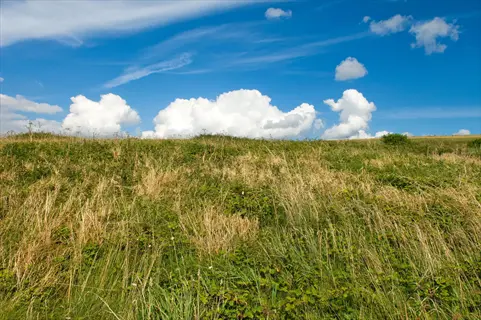
- Turf Quality: Coarser leaf texture than newer turf-type cultivars, but provides reliable ground cover with a natural prairie grass appearance.
- Establishment: Seeded at 3 to 5 pounds per 1000 square feet (1.4 to 2.3 kilograms per 93 square meters) during late spring warm soil conditions.
- Ideal Use: Best for large acreage, rural properties, or naturalized areas where a manicured look is less important than drought survival.

Sharp's Improved Buffalograss
- Growth Type: Seeded cultivar that was one of the earliest improved varieties developed for residential lawn use in the Great Plains region.
- Water Needs: Requires very little supplemental irrigation once established, handling drought conditions that would damage most conventional lawn grasses.
- Best Climate: Adapted to USDA zones 4 through 7, with proven strength in the northern plains where cold winters demand hardy grass varieties.
- Turf Quality: Produces a medium-density turf with a natural, prairie-style look that works well in low-traffic areas and naturalized landscapes.
- Establishment: Seed is easy to find and affordable, making it one of the easiest buffalo grass cultivars to find at garden centers and online retailers.
- Ideal Use: A practical choice for budget-conscious homeowners who want a native lawn and are comfortable with a less refined turf appearance.
Your climate zone and budget should drive your final choice. Vegetative cultivars give you a premium turf look but cost more upfront. Seeded cultivars save money on big lawns but take longer to fill in.
Planting Buffalo Grass
Planting buffalo grass starts with good soil preparation no matter which method you pick. Test your soil first and aim for a pH between 6.0 and 7.5 for best results. Kill off existing weeds, till the top 4 to 6 inches, and rake the surface smooth before you plant a single seed or plug.
Wait until soil temps hit 60°F (15.5°C) before you start. In the Great Plains, that means late May through June for most areas. I made the mistake of planting too early my first year and lost half my buffalo grass seed to a cold snap. Patience pays off when establishing buffalo grass lawn projects.
Here's what shocks most people about this process. Your new lawn needs equal or more water than bluegrass during the first 6 to 8 weeks. Buffalo grass plugs and buffalo grass sod both need daily watering until roots take hold. Missouri Extension says to seed at 1 to 3 pounds per 1000 square feet at half an inch deep. Colorado State says buffalo grass plugs at 12 to 18 inch centers fill in within 6 to 12 weeks.
For most homeowners, plugs offer the best balance of cost and speed when planting. Sod gives instant results but costs 4 to 8 times more than seed for the same area.
Seasonal Care Calendar
Buffalo grass seasonal care works best when you tie your tasks to soil temperature instead of dates on a calendar. Your region might warm up in April or not until late May. I track soil temps with a cheap probe thermometer so I know when to act. This takes the guesswork out of the whole buffalo grass growing season.
Buffalo grass dormancy runs from mid fall to mid spring and turns the lawn straw colored. Don't panic when this happens. It's the same natural cycle this grass has followed for thousands of years. Your biggest job during dormancy is weed control and planning for spring. Missouri Extension suggests a 3-1-2 or 4-1-2 NPK ratio for best results. Knowing when to fertilize buffalo grass matters just as much as the product you use. Mowing frequency drops to every 2 to 3 weeks during peak growth. Buffalo grass spring care starts when you spot the first green shoots pushing through the brown.
Spring: March Through May
- Weed Prevention: Apply pre-emergent herbicide like prodiamine or dithiopyr when soil temperatures reach 55 degrees Fahrenheit (12.8 degrees Celsius) consistently.
- Green-Up Watch: Buffalo grass begins breaking dormancy in late April to May depending on your region, turning from straw-colored back to green gradually.
- First Mowing: Wait until the grass has fully greened up and reached 3 to 4 inches (7.6 to 10 centimeters) before the first mow of the season.
- Watering: Hold off on irrigation until the grass shows active growth, as early watering can encourage cool-season weeds to outcompete the buffalo grass.
Summer: June Through August
- Fertilizing: Apply 1 to 2 pounds of nitrogen per 1000 square feet (0.5 to 1 kilogram per 93 square meters) in June using a slow-release formula with 35% or more slow-release nitrogen.
- Mowing Schedule: Mow every 2 to 3 weeks at 2 to 3 inches (5 to 7.6 centimeters) for a manicured look, or let it grow to 3 to 4 inches (7.6 to 10 centimeters) for low maintenance.
- Watering Needs: Provide 1 to 2 inches (2.5 to 5 centimeters) of water every 2 to 4 weeks if rainfall is absent, allowing the soil to dry between waterings.
- Pest Monitoring: Check for grub damage by pulling back small sections of turf, and apply imidacloprid preventively in late June if grubs have been a problem in past years.
Fall: September Through November
- Final Mowing: Complete the last mow of the season in late September or early October before the grass enters dormancy and stops active growth.
- Weed Cleanup: Apply post-emergent broadleaf herbicide like Trimec or Weed-B-Gon to any fall weeds before the buffalo grass goes fully dormant.
- Reduce Watering: Stop supplemental irrigation as temperatures drop and the grass begins its natural transition into winter dormancy.
- Avoid Fertilizing: Do not apply nitrogen after September, as late feeding encourages tender growth that cannot survive the first frost.
Winter: December Through February
- Dormancy Care: Buffalo grass will be fully dormant and straw-colored during winter, which is normal for this warm-season native grass.
- Winter Weed Control: Apply glyphosate to dormant buffalo grass to control winter annual weeds without harming the sleeping grass beneath.
- Avoid Traffic: Minimize foot traffic on dormant buffalo grass when possible, as frozen stolons can get damaged by heavy or repeated walking.
- Plan Ahead: Use winter to soil test, order seed or plugs, and plan any spring renovations so you are ready to act when soil temperatures warm up.
Buffalo Grass vs Other Grasses
In my experience helping homeowners pick turf, I get asked all the time which grass wins. The answer depends on your climate, your water budget, and how much work you want to do each week. Buffalo grass vs Kentucky bluegrass is the most common debate. Colorado State data shows buffalo grass uses 50% to 75% less water. It also needs just 1 to 2 pounds of nitrogen per year versus 4 to 6 for bluegrass.
When you look at buffalo grass vs bermuda grass, bermuda handles foot traffic better but needs mowing 1 to 2 times per week. Buffalo grass vs zoysia is close on water needs, but zoysia does better in shade. If you want the best grass for drought and low inputs, buffalo grass wins every time. It's the top drought resistant grass for the Great Plains and beyond.
The table makes the trade offs clear. Buffalo grass gives you the lowest total maintenance of any option here. You give up shade tolerance and traffic durability. But you save big on water, mowing, and fertilizer costs each year.
Weed Control and Pest Management
Buffalo grass weed control is the biggest challenge you'll face with this turf. The open canopy lets weeds sneak in, and I've seen new lawns get taken over within a single growing season without a plan. A good pre-emergent herbicide buffalograss plan stops crabgrass cold. Prodiamine and dithiopyr are the top 2 picks. For broadleaf weed control, Trimec handles dandelions and clover well.
Here's something most guides miss about buffalo grass pests. This turf hosts beneficial insects like big eyed bugs, syrphid flies, and lady beetles. These predators eat chinch bugs and other pests that damage your lawn. I've found that grubs buffalograss problems get worse when you spray too much and kill off these helpful bugs. Use imidacloprid for grub prevention in late June only if you've had problems before.
Crabgrass and Foxtail Invasion
- The Problem: Crabgrass and foxtail are warm-season annual weeds that germinate alongside buffalo grass in spring and can choke out thin or new turf.
- Prevention: Apply pre-emergent herbicide containing prodiamine or dithiopyr when soil temperatures reach 55°F (12.8°C) in early spring.
- Timing Note: Pre-emergent applications must happen before crabgrass seeds germinate, about two weeks before the buffalo grass breaks dormancy.
Broadleaf Weeds Like Dandelions
- The Problem: Broadleaf weeds including dandelions, clover, and bindweed exploit the open canopy of buffalo grass in thinner areas of the lawn.
- Treatment: Apply post-emergent broadleaf herbicides such as Trimec or Weed-B-Gon during active weed growth in spring or fall when temperatures are moderate.
- Prevention Tip: Keeping a dense stand of buffalo grass through proper mowing at 2 to 3 inches (5 to 7.6 centimeters) is the best long-term weed defense.
White Grubs in the Root Zone
- The Problem: White grubs feed on buffalo grass roots, causing brown patches that peel back when tugged, most often in late summer months.
- Prevention: Apply a preventive grub treatment with imidacloprid in late June to early July before larvae reach damaging size in the soil.
- Detection Method: Pull back a one-square-foot section of suspect turf and count grubs in the top 3 inches (7.6 centimeters) of soil to check severity.
Chinch Bugs and Mealybugs
- The Problem: Chinch bugs and mealybugs suck sap from buffalo grass stems, causing yellowing patches that spread outward from feeding sites during hot weather.
- Biological Control: Buffalo grass hosts beneficial predators including big-eyed bugs, lady beetles, and parasitic wasps that help keep pest numbers in check.
- Chemical Option: If pest pressure is severe, targeted insecticide on affected areas only will cut disruption to the beneficial insect population.
Cost and Long-Term Savings
The buffalo grass cost to get started depends on your planting method. Seed runs $5 to $30 per 1000 square feet while sod can hit $200 to $400 for the same area. The cost to install buffalo grass with plugs falls in between at $50 to $150. That upfront price tag can scare people off, but the real story is what you save each year after that.
When I first switched from bluegrass, I ran the numbers on my own 5000 square foot lawn. The buffalo grass savings added up fast. Water bills dropped because this grass needs 50% to 75% less water. Fertilizer costs fell from $60 to $120 per year down to $15 to $30. I mow every 2 to 3 weeks now instead of each week. As an affordable lawn alternative, nothing else comes close on total low maintenance lawn cost.
The water conservation savings alone can pay back your upfront investment within 2 to 3 years. After that, every dollar saved goes straight into your pocket.
5 Common Myths
Buffalo grass is a zero-maintenance lawn that never needs any care or attention after planting.
Buffalo grass is low-maintenance but still needs periodic mowing, occasional fertilizing, and weed management to stay healthy and attractive.
You can grow buffalo grass in shady areas under trees and it will thrive just like in full sun.
Buffalo grass requires a minimum of 6 hours of direct sunlight daily and performs poorly in shaded areas, often thinning and allowing weeds.
Buffalo grass turns brown and dies during winter, so you need to replant it every spring season.
Buffalo grass enters natural dormancy from mid-fall to mid-spring and turns straw-colored, but it is a perennial that regrows each year from established roots.
Applying more nitrogen fertilizer will make buffalo grass grow thicker and greener without any drawbacks.
Over-fertilizing buffalo grass beyond 2 pounds of nitrogen per 1000 square feet annually encourages weed growth and offers no additional improvement to the turf.
Buffalo grass only grows in Kansas and Nebraska, so homeowners outside the Great Plains should not consider it.
Buffalo grass thrives across USDA hardiness zones 4a through 8b, covering a wide range of states from Montana to Texas and parts of the Southeast.
Conclusion
Buffalo grass gives you a native grass lawn that cuts your water use by 50% to 75% compared to bluegrass. It needs just 1 to 2 pounds of nitrogen per year and you mow every 2 to 3 weeks instead of each week. Those numbers come from years of real university studies. This isn't a fad. It's a proven, drought tolerant grass with real data behind it.
When I first switched to this turf, I expected zero work. That's not how it works. Buffalo grass care still means seasonal weed control, smart watering, and picking the right cultivar for your USDA zone. The key is to match your expectations to what this low maintenance lawn can deliver. Do that and you'll love the results.
Start with a soil test before you buy a single plug or bag of seed. Know your USDA zone and pick a cultivar that fits your climate. Water restrictions are growing more common across western states. Cities are starting to reward homeowners who choose water smart turf like buffalo grass for their yards.
You now have the research, the cultivar options, and the care plan to make this work. Your future self will thank you when the neighbors are scrambling to water their lawns and yours looks great on a fraction of the effort.
External Sources
Frequently Asked Questions
What are the disadvantages of buffalo grass?
Buffalo grass has a long dormancy period where it turns straw-colored, poor shade tolerance, and slow establishment from seed compared to other warm-season grasses.
What is the use of buffalo grass?
Buffalo grass is used for low-maintenance lawns, erosion control, roadside plantings, and grazing pastures across the Great Plains.
Is buffalo grass a good grass?
Buffalo grass is an excellent choice for homeowners in semi-arid regions who want a drought-tolerant, low-input lawn with minimal mowing.
Where does buffalo grass grow best?
Buffalo grass grows best in the Great Plains from Montana to Texas, in USDA zones 4a through 8b with full sun and well-drained soil.
What is poor man's grass?
Poor man's grass is a common nickname for buffalo grass because it requires very little water, fertilizer, or mowing to maintain.
Which is better, Kikuyu or buffalo grass?
Buffalo grass needs less water and mowing, while Kikuyu is more aggressive and shade-tolerant, making the better choice depend on your climate.
What is another name for buffalo grass?
Buffalo grass is also known by its scientific names Bouteloua dactyloides and the former classification Buchloe dactyloides.
Why can't you buy buffalo grass seed?
Many improved buffalo grass cultivars are vegetative-only varieties that can only be sold as sod or plugs due to patent restrictions.
What are common buffalo grass problems?
Common buffalo grass problems include weed invasion from thin canopy, winter dormancy browning, grub damage, and poor performance in shade.
Does buffalo grass need a lot of water?
No, established buffalo grass needs only 1 to 2 inches (2.5 to 5 centimeters) of water every 2 to 4 weeks during the growing season.