
Introduction
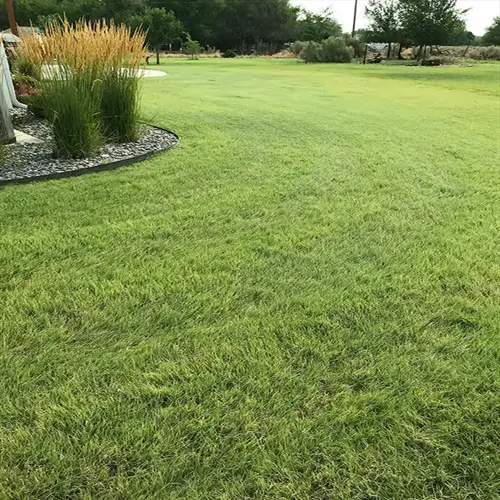
Fescue grass isn't just one type of lawn. It's a whole family of cool season grass options. Each one handles a different yard problem better than the rest. Tall fescue sends roots 2 to 3 feet deep into the soil. Fine fescues thrive in shade where other grasses turn brown.
I've grown both tall and fine fescue on my own land for over 8 years now. Oregon State tested tall fescue with no water at all. The grass stayed green until mid August in their test plots. That strength sets fescue apart from bluegrass and ryegrass in real yards.
Picking a fescue is like choosing the right tool from a toolbox. Need a drought tolerant lawn that handles foot traffic? Tall fescue is your pick. Want a soft, low care yard under big trees? Fine fescues do that job best. Studies at 6 schools showed fine fescues need less mowing, less water, and fewer sprays.
This guide covers all 7 fescue types, planting steps, and care tips. All the data here comes from real field tests at top schools.
7 Fescue Grass Types
Not all fescue varieties look or act the same in your yard. The 7 types below split into 2 groups: tall fescue for sun and traffic, and fine fescue for shade and low care. Hard fescue and chewings fescue are 2 of my top picks from the fine fescue group.
Each fescue type has a standout strength that makes it the best pick for certain yards. Tall fescue roots go 2 to 3 feet deep for drought power. Fine fescue seeds sprout in just 5 to 12 days per UMN research. Check each profile below to find your best match.
Tall Fescue (Kentucky 31)
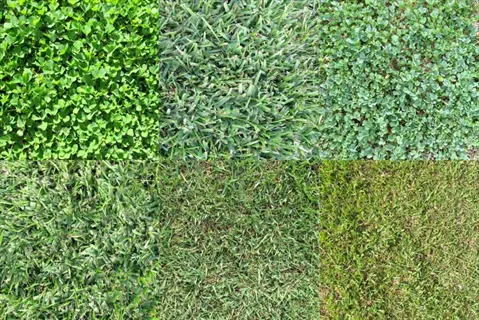
- Growth Habit: Tall fescue is a perennial bunch type grass that grows in clumps rather than spreading through runners, requiring overseeding to maintain density over time
- Root System: Roots penetrate 2 to 3 feet (60 to 90 centimeters) deep into the soil, providing exceptional drought tolerance compared to other cool season grasses
- Best Climate: Thrives across northern and transition zones, tolerating both cold winters and moderate summer heat better than most cool season grasses
- Maintenance Level: Requires moderate maintenance with seeding rates of 10 pounds per 1,000 square feet and annual overseeding to fill thinning areas
- Texture: Kentucky 31 has a coarser leaf blade than modern cultivars, making it better suited for utility lawns, roadsides, and erosion control
- Key Advantage: Seed costs as low as $0.85 to $1.00 per pound make K-31 the most affordable fescue option for large areas
Turf-Type Tall Fescue
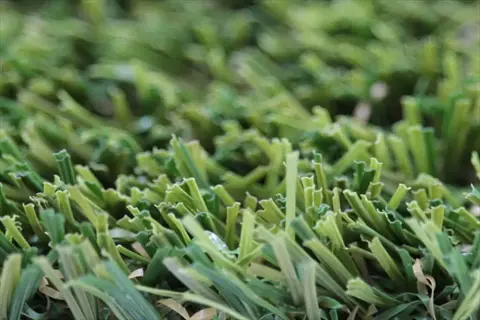
- Growth Habit: Modern turf type tall fescue grows in a denser bunch pattern with finer leaf blades than Kentucky 31, creating a more uniform lawn appearance
- Root System: Retains the deep 2 to 3 foot (60 to 90 centimeter) root system of standard tall fescue while producing a softer, more attractive turf surface
- Best Climate: Performs well in transition zones where both warm and cool season grasses struggle, handling summer temperatures that stress bluegrass
- Maintenance Level: Requires seeding at 6 to 8 pounds per 1,000 square feet with recommended cultivars including Firenza II, Bonfire, Zion, and Avenger III
- Texture: Fine textured leaves rival the appearance of Kentucky bluegrass, making turf-type varieties the top choice for residential lawns
- Key Advantage: Combines the deep roots and toughness of traditional tall fescue with the refined look homeowners expect from a front lawn
Strong Creeping Red Fescue
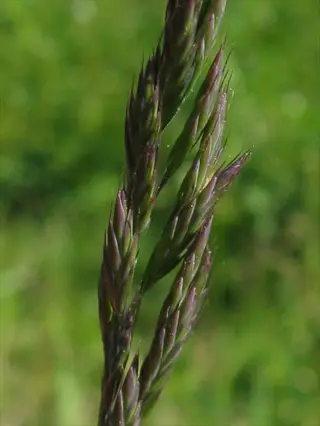
- Growth Habit: Spreads through underground rhizomes to gradually fill bare spots, making it the only fine fescue type that actively repairs gaps in the lawn
- Root System: Produces a moderate root system that supports excellent shade tolerance, performing well under tree canopies where other grasses thin out
- Best Climate: Recommended for northern climates with cool summers, performing best in the upper Midwest, Northeast, and Pacific Northwest regions
- Maintenance Level: Requires very low nitrogen fertilization and less frequent mowing than tall fescue, with mowing heights of 2.5 to 4 inches (6 to 10 centimeters)
- Texture: Fine, narrow leaf blades create a soft, dense turf that looks attractive in both mowed and unmowed settings
- Key Advantage: Its spreading rhizomes make it the best fine fescue for blending with other grass types, recommended at 20% in UMN full-sun blends
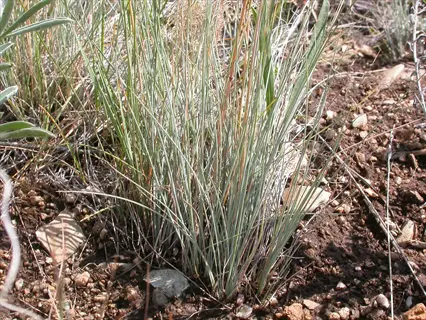
Slender Creeping Red Fescue
- Growth Habit: Produces short rhizomes that spread more slowly than strong creeping red fescue, creating a moderate gap-filling ability between bunch type plants
- Root System: Develops a short but efficient root network that supports reliable shade performance with minimal irrigation requirements
- Best Climate: Adapted to cool, humid climates and performs well in coastal regions where moisture levels remain consistent throughout the growing season
- Maintenance Level: Included in Purdue University USDA-funded research blend at 25% alongside three other fine fescue species for low-input lawns
- Texture: Very fine leaf blades give this variety a delicate, wispy appearance that blends seamlessly with other fine fescue types in mixed plantings
- Key Advantage: Germinates in 5 to 12 days and establishes quickly without starter fertilizer according to University of Minnesota Extension research

Chewings Fescue
- Growth Habit: A bunch type fine fescue that grows in tight, upright clumps without any spreading runners, producing a dense turf in shaded lawn areas
- Root System: Develops a compact root zone that performs best in well-drained soils, avoiding waterlogged conditions that cause root rot and thinning
- Best Climate: Excels in cool climates with moderate summers and handles partial to full shade better than most grass types available to homeowners
- Maintenance Level: Recommended at 40% in UMN full-sun blends and 25% in Purdue research blends, requiring minimal nitrogen inputs
- Texture: Dense, upright growth creates a tidy lawn appearance without frequent mowing, making it popular for formal shade garden borders
- Key Advantage: Produces the most aggressive growth among bunch type fine fescues, competing well against weeds in shaded areas where other grasses fail

Hard Fescue
- Growth Habit: A tough bunch type fine fescue that forms dense, low-growing clumps requiring very little maintenance once established in the lawn
- Root System: Produces a hardy root network that tolerates poor, dry soils better than other fine fescues, surviving extended periods without irrigation
- Best Climate: The most drought tolerant of all fine fescues, performing well in northern climates with hot, dry summers and cold winters
- Maintenance Level: Recommended at 40% in UMN full-sun blends due to its durability, and campus demonstration plots required no extra care beyond standard mowing
- Texture: Short, stiff leaf blades create a rugged yet attractive turf that maintains a consistent blue-green color through most of the growing season
- Key Advantage: Ideal for no-mow lawn areas where it reaches a mature height of 8 to 12 inches (20 to 30 centimeters) if left uncut
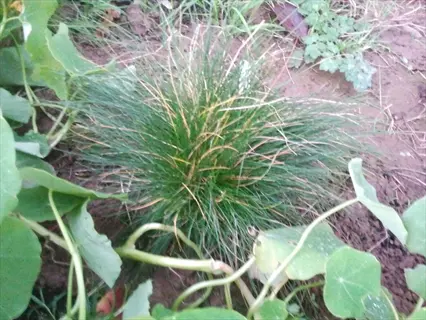
Sheep Fescue
- Growth Habit: A fine-textured bunch type grass that grows in small, compact tufts and stays naturally short, making it well suited for low-traffic landscape areas
- Root System: Develops a fibrous root system adapted to thin, rocky, or sandy soils where other grass species struggle to survive or produce coverage
- Best Climate: Tolerates extreme cold and performs well in northern mountain regions, high elevations, and areas with poor, acidic soils below pH 6.0
- Maintenance Level: The lowest maintenance fescue type overall, requiring almost no fertilizer, very infrequent mowing, and minimal irrigation once roots establish
- Texture: Very fine, hair-like leaf blades form a distinctive silvery-blue turf that adds visual interest to naturalized lawn areas and meadow plantings
- Key Advantage: Best suited for erosion control on slopes, highway medians, and naturalized areas where regular lawn maintenance is impractical or impossible
Tall vs Fine Fescue
The tall fescue vs fine fescue choice comes down to what your yard needs most. One isn't better than the other. They just solve different problems. When I first started, I planted tall fescue in my front yard where kids run and play. My shaded back yard does best with a low maintenance fescue blend of fine types.
Tall fescue is the best fescue for high traffic areas because its deep roots hold up under heavy use. Fine fescue wins as the best fescue for shade since it thrives under tree cover. NC State sets tall fescue mowing at 2.5 to 3.5 inches. UMN puts fine fescue at 2.5 to 4 inches.
Can't decide between the two? A 90/10 fescue to bluegrass blend gives you the best of both worlds. You get fescue toughness with some self repair from the bluegrass mixed in.
Planting Fescue Grass
Knowing how to plant fescue starts with getting the timing and soil preparation right. When I planted my first fescue lawn, I made the mistake of seeding in spring. The summer heat killed half my new grass before the roots could set. Now I seed in fall and get much better results.
The best time when to plant fescue is September through October per Alabama Extension research. Your fescue seeding rate matters too. NC State says to use 6 pounds per 1,000 square feet for turf type. Use half that rate for overseeding fescue on an existing lawn.
Test and Prepare Your Soil
- Soil pH: Test your soil before planting and aim for a pH between 5.5 and 7.5, which is the range where fescue grass absorbs nutrients most efficiently
- Soil Amendment: Add lime to raise pH or sulfur to lower it based on test results, working amendments into the top 4 to 6 inches (10 to 15 centimeters) of soil
- Ground Prep: Remove existing weeds, rake the area smooth, and loosen compacted soil with a core aerator or garden fork to give roots room to establish
Choose the Right Timing
- Best Window: September through October is the best time to seed fescue according to Alabama Cooperative Extension, when soil temperatures support fast germination
- Spring Option: Late March through April offers a secondary planting window, though summer heat may stress young seedlings before roots fully develop
- Temperature Check: Soil temperature should be between 50 and 65°F (10 to 18°C) at a 2 inch depth for strongest germination rates
Seed at the Correct Rate
- Tall Fescue Rate: Apply 6 pounds per 1,000 square feet for turf-type tall fescue, or 10 pounds per 1,000 square feet for Kentucky 31 according to university guidelines
- Fine Fescue Blend: Use a mix of 40% hard fescue, 40% Chewings fescue, and 20% strong creeping red fescue for full sun areas per UMN recommendations
- Overseeding Rate: When overseeding existing fescue lawns, use half the new lawn rate and focus seed on thin or bare areas that need the most coverage
Water for Establishment
- First Two Weeks: Keep the top inch (2.5 centimeters) of soil moist by watering two to three times daily until seeds germinate in 5 to 12 days
- Weeks Three to Six: Reduce watering to once daily and increase depth to encourage roots to grow downward rather than staying near the soil surface
- After Establishment: Move to about 1 inch (2.5 centimeters) of water per week, applied between 2 and 8 in the morning per NC State Extension guidelines
UMN research found that fine fescues don't need starter fertilizer at all. That saves you money right from the start. Just press seeds into the soil and keep things moist for 2 weeks after planting.
I've had my best luck with fall seeding on both new and old fescue lawns. The cool air and warm soil make roots grow fast before winter hits.
Seasonal Care Calendar
This fescue lawn care calendar breaks down your seasonal lawn maintenance tasks by time of year. I keep a copy of these numbers on my phone so I can check them before I mow or feed my lawn. The mowing height fescue needs changes with each season to keep roots strong.
NC State research sets the rules I follow for when to fertilize fescue through the year. Spring and summer need just 0.2 to 0.5 pounds of nitrogen per 1,000 square feet. Fall is the big feeding time at 1 pound of nitrogen per 1,000 square feet. Use a 3 to 1 to 2 or 4 to 1 to 2 fertilizer ratio for best results.
Fescue fall care is when your lawn builds the most strength for the year ahead. In my experience, the fall feeding makes a bigger difference than anything else I do. One more tip: leave your grass clippings on the lawn after mowing. NC State says clippings provide up to 25% of the fertilizer your fescue needs each year.
Water and Drought Tips
Fescue drought tolerance is the main reason I switched from bluegrass 8 years ago. My water bill dropped fast once those fescue deep roots took hold in the soil. Oregon State research proved what I saw at home: you can cut your watering and still get a greener lawn with fewer weeds.
Watering fescue lawn the right way means using less water, not more. OSU found that giving your lawn just 80% of the water it loses gave the best grass color. That same study showed fescue stayed green until mid August with zero water at all in the first year of testing. Your water conservation lawn goals and a great looking yard can go together.
The 80 Percent Watering Rule
- Research Finding: Oregon State University found that watering at 80% of full replacement rate produced the best grass color ratings in tall fescue test plots
- Weed Benefit: Reduced watering led to fewer annual bluegrass and spotted spurge weeds, potentially eliminating the need for herbicide applications on the lawn
- Practical Application: Instead of replacing every drop of moisture the soil loses, hold back about 20% and your fescue lawn will actually look greener with fewer weeds
Best Time to Water Fescue
- Optimal Hours: NC State Extension recommends watering between 2 and 8 in the morning when wind is low and evaporation rates are minimal for maximum soil absorption
- Weekly Target: Apply about 1 inch (2.5 centimeters) of water per week total, split into 2 or 3 sessions rather than applying it all at once to prevent runoff
- Depth Check: Push a screwdriver into the soil after watering to confirm moisture reaches 4 to 6 inches (10 to 15 centimeters) deep where fescue roots absorb water
Sandy Soil Adjustments
- Frequency Change: Sandy soils drain faster, so NC State recommends sandy soil watering at 0.5 inch (1.25 centimeters) every third day instead of 1 inch once per week
- Why It Matters: Water moves fast through sand, so smaller doses keep moisture in the root zone longer for fescue uptake and root growth
- Soil Test Tip: Squeeze a handful of moist soil; if it falls apart right away rather than holding shape, you have sandy soil that benefits from shorter, more frequent watering
When to Skip Watering
- Natural Rainfall: OSU research showed fescue needed no irrigation from September 15 through July 1 in the Pacific Northwest thanks to seasonal rainfall alone
- Dormancy Recovery: Tall fescue can enter summer dormancy and turn brown during extreme heat but will recover when cooler temperatures and rainfall return in early fall
- Root Depth Advantage: With roots reaching 2 to 3 feet (60 to 90 centimeters) deep, established tall fescue accesses soil moisture well below the surface during dry spells
Disease and Pest Control
Brown patch fescue problems hit me hard my second summer growing tall fescue. I lost a big circle of grass right in the front yard. Since then, I learned that fescue disease control starts with knowing the temperature triggers that cause each problem. Fix those conditions and you won't need a lawn fungicide most of the time.
NC State data shows brown patch kicks in above 85°F air temps. Gray leaf spot shows up when nights stay above 70°F for several days in a row. Good fescue pest management means watching your thermometer as much as your lawn. UMN research found that fungicide use is almost never needed for fine fescues when you get the basics right.
The best fescue disease control tip I can share is this: raise your mower blade in summer to at least 3.5 inches. Taller grass shades the soil, keeps roots cool, and blocks the conditions that brown patch and gray leaf spot need to spread. Water before 8 AM to let blades dry fast.
5 Common Myths
Fescue grass needs constant watering to stay green throughout the entire summer growing season
Oregon State University research shows tall fescue stayed green until mid-August with zero irrigation, thanks to roots reaching 2 to 3 feet deep
All fescue grass types look the same and produce a coarse, unattractive lawn texture
Modern turf type tall fescue cultivars have a fine leaf texture similar to bluegrass, and fine fescues produce some of the most delicate lawn textures available
You must apply starter fertilizer when planting new fescue seed for it to establish properly
University of Minnesota research found that fine fescues do not benefit from starter fertilizer during establishment, saving cost and reducing runoff
Fescue lawns require the same amount of fertilizer and maintenance as Kentucky bluegrass lawns do
Purdue University and USDA research confirmed fine fescues need less mowing, less fertilizer, less irrigation, and fewer pesticide applications than bluegrass
Mowing your fescue lawn as short as possible will make it thicker and healthier over time
NC State Extension recommends mowing tall fescue at 2.5 to 3.5 inches, raising to 3.5 inches in summer to shade roots and reduce heat stress
Conclusion
Fescue grass gives you a tough, good looking lawn that won't drain your time or wallet. Tall fescue handles drought and heavy foot traffic thanks to roots that reach 2 to 3 feet deep. Fine fescues thrive in shade and need less mowing, less water, and fewer chemicals than bluegrass. The best fescue for lawn depends on your yard's sun, shade, and traffic levels.
Two research findings stick with me from writing this fescue planting guide. First, Oregon State showed that watering at just 80% of the full rate gave the best grass color and fewer weeds. Second, Purdue's study across 6 schools proved fine fescues need almost no extra care. Both tips save you time and money right away.
Start by testing your soil pH to make sure it falls between 5.5 and 7.5. Pick tall fescue if you want cool season grass care for sunny, high traffic yards. Choose fine fescue for shaded areas that you don't want to mow as often. Either way, plant your seed in the September through October window for the strongest roots.
When I switched to fescue years ago, my lawn care costs dropped within 2 growing seasons. You can expect the same results if you match the right fescue type to your yard conditions and follow the care steps in this guide.
External Sources
Frequently Asked Questions
Is fescue a good lawn?
Fescue is an excellent lawn grass for most homeowners, offering strong drought tolerance, shade adaptability, and low maintenance needs across northern and transition zones.
What is another name for fescue grass?
Fescue grass is scientifically known as Lolium arundinaceum for tall fescue, formerly classified under the genus Festuca, which still names fine fescue species.
Which is better, Kentucky bluegrass or fescue?
Fescue outperforms Kentucky bluegrass in drought tolerance, shade tolerance, and lower maintenance needs, while bluegrass offers better self-repair through rhizome spreading.
What are the downsides of tall fescue?
Tall fescue is a bunch type grass that does not spread to fill bare spots, requires annual overseeding, and can thin out during extreme summer heat in transition zones.
What is poor man's grass?
Kentucky 31, an older tall fescue variety, is often called poor man's grass because its seed costs significantly less than modern turf type cultivars.
How long does it take for fescue grass to grow?
Fine fescue seeds germinate in 5 to 12 days under proper conditions, while tall fescue typically establishes visible growth within 10 to 14 days after seeding.
What are the common problems with tall fescue?
The most common tall fescue problems include brown patch disease above 85 degrees Fahrenheit, gray leaf spot, summer thinning in hot climates, and inability to self-repair bare spots.
What is the toughest grass for lawns?
Tall fescue is among the toughest cool season lawn grasses due to its deep 2 to 3 foot root system, heat tolerance, and ability to handle heavy foot traffic.
Why avoid ryegrass?
Annual ryegrass dies after one season, and perennial ryegrass lacks the drought tolerance and deep root system that makes fescue a more reliable long term lawn grass.
Will fescue grass spread?
Tall fescue is a bunch type grass that does not spread by runners, while creeping red fescue varieties spread slowly through underground rhizomes to fill gaps over time.