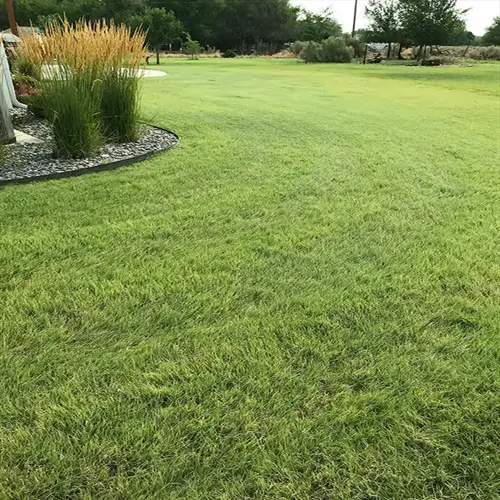

Fescue grass spreading depends on which type you planted. Tall fescue does not spread because it grows in bunches from a central crown. Creeping red fescue does spread, but it moves at a slow pace through underground stems called rhizomes. This distinction matters because it determines whether your lawn fills gaps on its own or needs your help every fall.
So does fescue spread or not? The answer splits into two groups. Strong creeping red fescue and slender creeping red fescue send out rhizomes that colonize bare soil next to the parent plant. Minnesota Extension lists these two as the only common fescues that spread on their own. On the other side, tall fescue, Chewings fescue, hard fescue, and sheep fescue all grow as bunch types that stay put in their original spot.
I learned the difference the hard way in my own yard. A dog dug up a patch of tall fescue about 12 inches wide in late spring. I figured the surrounding grass would fill in over the summer like my neighbor's bluegrass does. It never did. That bare spot sat there through June, July, and August without a single blade growing inward. I had to wait until September to overseed it and then waited another three weeks for the new grass to sprout.
Meanwhile, a shaded area in my side yard planted with creeping red fescue told a different story. A small thin spot from foot traffic started filling in on its own during spring. The process took about two months to cover a gap that was only a few inches wide. Rhizomes crept outward from surrounding plants and produced new shoots along the way. It was slow compared to bluegrass but it happened without any reseeding on my part.
The biology behind this difference is straightforward. A fescue bunch type grass grows from one central crown. That crown pushes out tillers, which are new shoots that emerge right next to the original plant. Tillers make each clump wider over time, but they never jump across bare soil to start a new plant somewhere else. Fescue grass spreading works through rhizomes in creeping types. These underground stems travel sideways and pop up as new plants inches to a foot away from the parent.
Overseed Tall Fescue Each Fall
- Rate and timing: Spread 4-5 pounds per 1,000 square feet in September when soil temps sit between 50-65°F for fast germination results.
- Prep work: Core aerate before seeding to open holes in the soil that catch seed and give it direct contact for better sprouting rates.
- Why annual: Tall fescue loses density each summer from heat stress, disease, and foot traffic that bunch growth can't repair on its own.
Use Creeping Red Fescue in Blends
- Best placement: Mix creeping red fescue into shaded areas and low-traffic zones where its slow rhizome spread can fill small gaps without your help.
- Shade advantage: Creeping red fescue handles deep shade better than tall fescue, making it ideal under trees where bare spots develop from low light.
- Spread speed: Expect 1-3 inches of lateral growth per season from rhizomes, which fills small gaps but won't repair large bare areas fast.
Add Bluegrass for Self-Repair
- Blend ratio: Mix 10% Kentucky bluegrass by weight into your tall fescue seed for active rhizome spread that fills gaps between fescue bunches.
- Repair speed: Bluegrass rhizomes spread faster than creeping red fescue and can cover a 6-inch bare spot within one growing season.
- Trade-off: Bluegrass needs more water than pure fescue, so expect a slight increase in irrigation needs with this blended approach.
Your fescue lawn care should match the type you planted. If you grow tall fescue, plan for overseeding every September. If you use creeping red fescue in shaded areas, give it time to fill your gaps on its own. Adding 10% bluegrass to your mix gives you a safety net that covers gaps without replacing your fescue base.
Read the full article: Fescue Grass Types, Care and Tips