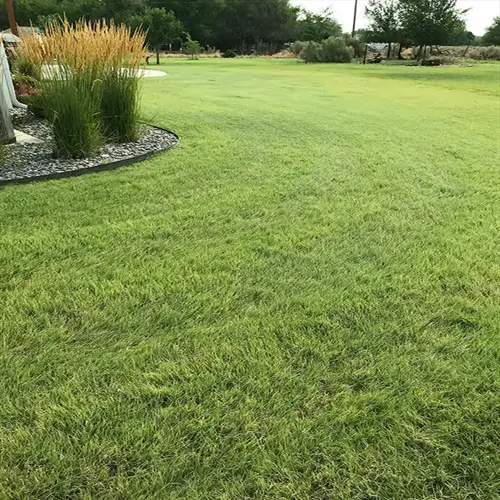

A fescue lawn makes an excellent choice for homeowners in northern and transition zones. Fescue handles heat, shade, and drought better than most cool season grasses. It needs less water and fertilizer than Kentucky bluegrass, saving you time and money each year.
Two main groups of fescue grass for lawns exist, and picking the right one for your yard matters more than you think. Tall fescue works best in your sunny areas where kids and pets put heavy wear on the turf. Fine fescue blends shine under your tree canopies and in low-traffic side yards where other grasses fail.
I noticed this difference firsthand when I planted tall fescue in the front yard and a fine fescue blend in the shaded backyard. The tall fescue looked thick and green through full summer sun with no extra watering. Meanwhile, the fine fescue thrived under a row of mature oaks where my neighbor's bluegrass had gone completely bare. That shade tolerance alone makes fescue stand out from the crowd.
The secret behind your fescue lawn's toughness sits underground. Tall fescue sends roots down 2 to 3 feet deep into the soil. It pulls moisture from layers that short-rooted grasses can't reach. Fine fescues handle shade because they grow with less sunlight than bluegrass or ryegrass need. No amount of extra watering gives other species this same edge.
Research backs up what fescue lawn owners see in their own yards. An OSU study showed that tall fescue stayed green until mid-August without irrigation. Other cool season grasses went dormant weeks earlier. Purdue USDA-funded research showed fine fescues need less mowing and fertilizer than bluegrass. You get a healthier lawn with far less weekend work.
Tall Fescue for Sun and Traffic
- Best conditions: Full sun to partial shade with regular foot traffic from kids, pets, or outdoor activities on the lawn.
- Root advantage: Grows roots 2-3 feet deep, giving it drought resistance that keeps your lawn green longer through dry spells.
- Maintenance level: Needs overseeding each fall because it grows in bunches rather than spreading on its own to fill gaps.
Fine Fescue Blends for Shade
- Best conditions: Shaded areas under trees or along fences where your lawn gets less than 4 hours of direct sunlight per day.
- Shade performance: Outperforms every other cool season grass in low light, staying thick where bluegrass and ryegrass thin out fast.
- Low input needs: Requires the least fertilizer and mowing of any cool season option, making it ideal for low-maintenance yard areas.
Fescue and Bluegrass Blends
- Mix ratio: A 90/10 blend of tall fescue with Kentucky bluegrass gives you both deep roots and self-repair from bluegrass rhizomes.
- Gap recovery: Bluegrass fills in small bare spots that tall fescue leaves behind, reducing how much overseeding you need each season.
- Versatile coverage: Works across mixed sun-shade yards where pure fescue or pure bluegrass would each struggle in different zones.
If you're asking is fescue good for yards with mixed sun and shade, the answer is a strong yes. Pick tall fescue cultivars like Rhino or Titanium for the sunny spots and a creeping red fescue blend for the shaded corners. You can also mix 10% Kentucky bluegrass into your tall fescue for self-repair in high-traffic areas.
I helped a friend switch his yard to a fescue lawn from bluegrass two years ago. His water bill dropped by $40 per month during summer. He mows once a week instead of twice and skipped a full fertilizer round in the fall. The time savings alone convinced him it was the right move for his family.
Fescue won't give you that perfect golf-course look that some bluegrass fans chase. But it gives you a thick, green lawn that survives summer heat, handles shade, and doesn't eat your entire weekend. For most homeowners, that trade-off pays off every season.
Read the full article: Fescue Grass Types, Care and Tips