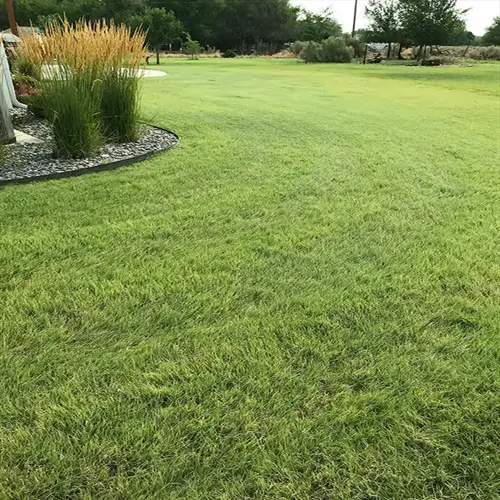

Tall fescue ranks as the toughest lawn grass among cool season options. Its roots reach 2-3 feet deep and it handles both heat and heavy foot traffic. Bermuda takes the crown in warm climates with even better wear recovery. Your best pick depends on where you live and how much abuse your lawn takes.
Finding the most durable grass for lawns means matching the species to your climate zone first. Cool season grasses cover the northern half of the country and the transition zone. Warm season grasses handle the south. Tall fescue leads the cool season group for toughness. Bermuda and zoysia fight for the top warm season spot. Mixing zones or picking the wrong type means your tough grass will still fail when temperatures work against it.
I tested toughness the hard way in my own backyard. My kids play soccer on one side that I seeded with tall fescue and the other side grew Kentucky bluegrass. After one full season of cleats, slip-and-slides, and daily running, the tall fescue held up with minimal bare spots. The bluegrass side wore down to dirt along the goal areas and sideline paths. The fescue's thick blade structure and deep roots made it resist compaction much better than the bluegrass could handle.
What makes tall fescue so tough comes down to biology. The USDA NRCS plant guide documents root depths of 2-3 feet, which anchors each plant deep enough that foot traffic doesn't rip crowns out of the ground. Those deep roots also pull water from lower soil layers during drought when short-rooted grasses dry out and die. The bunch growth habit means each clump stands as its own independent plant with thick blade tissue that resists tearing under pressure.
If you need a heavy traffic lawn grass for play areas or pet runs, tall fescue is your best bet in cool climates. It won't spread to fix damaged spots on its own. But it resists the damage in the first place better than any other cool season grass. Bermuda owners in warm climates get both traffic resistance and self-repair from their turf.
If you live in the transition zone and want both toughness and recovery, try a 90/10 tall fescue to bluegrass blend. Your fescue handles the heavy wear with its deep roots and thick blades. The bluegrass sends rhizomes into any bare spots and fills them without reseeding. Many extension programs recommend this blend for yards with heavy use.
You can also boost your toughest lawn grass by keeping your mowing height at 3.5 inches or higher. Taller blades protect the crown of each plant from foot traffic damage. Water deep once or twice a week to push roots further down into the soil. These simple habits make any tough grass even harder to wear out.
No grass is indestructible, but picking the right tough species for your climate gets you 80% of the way to a damage-resistant lawn. Pair that choice with proper mowing height, deep watering, and fall overseeding for fescue lawns. Your yard will handle whatever your family throws at it season after season.
Read the full article: Fescue Grass Types, Care and Tips