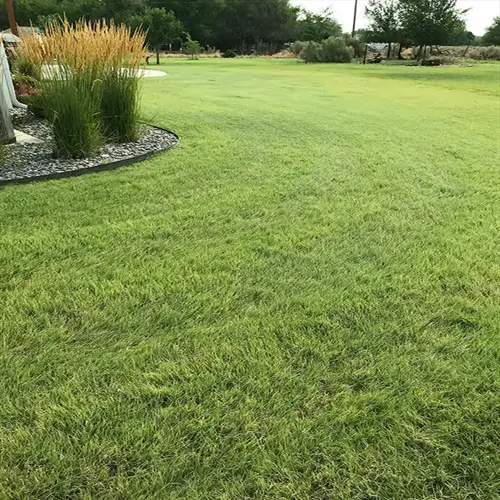

The fescue grass germination time runs between 5 and 14 days depending on which type you plant. Fine fescue sprouts fastest at 5 to 12 days while tall fescue takes 7 to 14 days under good conditions. You'll see thin green blades poking through the soil surface once germination kicks in, but a full lawn takes much longer to fill out.
How fast does fescue grow after those first blades appear? The answer depends on three factors working together. Soil temperature needs to sit between 50-65°F (10-18°C) for the best germination speed. The top inch of soil must stay moist without puddles. And each seed needs direct contact with the soil to absorb water through its outer shell and trigger root growth.
I planted tall fescue in two different sections of my yard during the same week last September. The section I core aerated and rolled after seeding showed green fuzz within 8 days. The section where I just scattered seed on top of existing grass took almost three weeks to show any growth. That seed-to-soil contact made all the difference in the world. Seeds sitting on top of grass blades or thatch dry out too fast to germinate.
Minnesota Extension research backs up the 5-12 day window for fine fescue seed germination. Their studies found that fine fescues don't gain anything from starter fertilizer during sprouting. Your seed carries enough stored energy to push out its first root and blade on its own. Save your fertilizer for 4-6 weeks after germination when young plants can put those nutrients to use.
Plant in the Right Window
- Best timing: Seed fescue during September through mid-October when soil temps naturally fall into the 50-65°F range for optimal sprouting.
- Why fall works: Cool air reduces evaporation while warm soil from summer speeds germination, giving seeds the perfect balance of moisture and heat.
- Spring backup: You can seed in early April if you missed fall, but expect slower results and more weed pressure competing with young seedlings.
Keep the Soil Moist
- Watering schedule: Mist the seeded area 2-3 times per day with light passes that wet the top inch without creating puddles or washing seed away.
- Duration: Keep this frequent watering going for the first 3 weeks until grass reaches about 2 inches tall and roots anchor into the soil.
- Common mistake: Watering once per day for a long time creates deep moisture below the seed but lets the surface dry out and kill sprouts.
Maximize Seed Contact
- Core aerate first: Pull plugs from the soil before spreading seed so seeds drop into holes with direct soil contact and natural protection from drying.
- Roll after seeding: Use a lawn roller at half weight to press seeds into the soil surface without burying them too deep to reach sunlight.
- Avoid thick thatch: Rake out any thatch layer over half an inch thick before seeding since seeds trapped on top of thatch rarely germinate.
Once your fescue sprouts, resist the urge to mow too early. Let the new grass reach 3.5 to 4 inches before the first cut. This gives roots time to anchor deep enough that the mower won't rip out young plants. Stay off the new seedlings for 6-8 weeks to avoid compressing soft soil and damaging fragile root systems.
A full, thick fescue lawn takes about 8-12 weeks from seeding day to reach mowable density. The grass fills in faster during fall when temperatures cooperate and weed competition drops. By the following spring, your fall-seeded fescue will look like an established lawn that has been growing for years.
Read the full article: Fescue Grass Types, Care and Tips