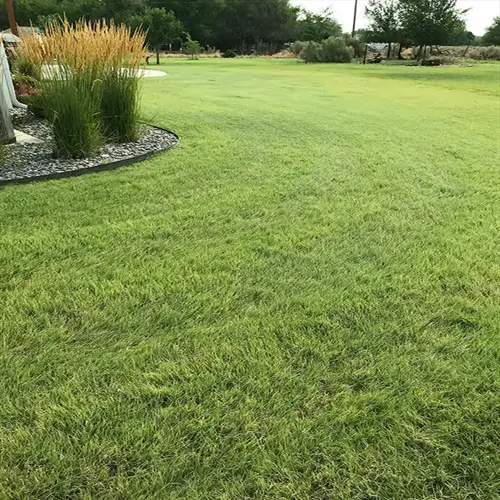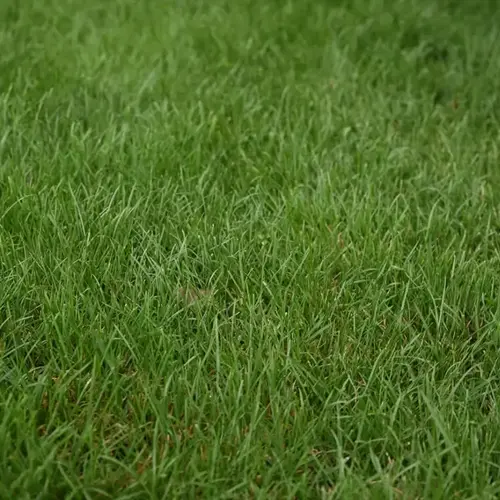

The biggest downsides of St Augustine grass come down to three things: poor cold tolerance, heavy pest pressure, and high mowing demands. These issues catch many homeowners off guard after they fall in love with that thick green carpet look.
The most common st augustine grass problems start with insects. Chinch bugs target this grass more than any other warm-season turf. I watched a neighbor's sunny front yard go from green to brown patches in about two weeks during a hot July. The bugs hide at the base of the blades and drain moisture from the stolons. By the time you spot the damage, they've spread across a big chunk of your lawn.
I now check for chinch bugs every two weeks using the coffee can test. Push a bottomless tin can two inches into the soil in a yellowing spot. Fill it with water and wait ten minutes. Chinch bugs float to the top if they're there. This simple habit saves you from losing large patches of turf to an invasion you could have stopped early.
Cold weather is another serious weak point. Clemson rates St. Augustine as the least cold-tolerant warm-season turfgrass on the market. When temps drop below 20°F (-6.7°C), ice crystals form inside the stolon tissue. Those crystals rupture cell walls from the inside. The grass can't fix that kind of damage, and whole sections die off after a hard freeze.
If you live in USDA zone 7a or the northern edge of zone 8, one bad winter can wipe out years of lawn work. Picking the right cultivar helps a lot in these areas. Raleigh handles cold better than Floratam and makes it through most winters in the upper South. Palmetto bounces back from freezes faster than older types. These picks won't make your lawn freeze-proof, but they give it a real shot at surviving cold snaps.
Traffic tolerance ranks low too. NC State rates St. Augustine's wear tolerance as poor and warns against planting it on sports fields or play areas. The thick stolons that create that dense look break under heavy foot traffic. They take a long time to fill back in once damaged. Bermuda or zoysia handle wear much better if your yard doubles as a play space for kids or pets.
Mowing adds another layer of work to your weekly schedule. This grass needs cutting every five to seven days during summer to stay at the right height of 3 to 4 inches. Skip a week and it gets leggy, which leads to thatch buildup over time. You also need a sharp rotary blade because dull cuts shred the wide leaves and make your lawn look rough.
In my experience, these st augustine grass disadvantages don't mean you should skip it. This grass still offers the best shade tolerance of any warm-season option. It builds dense turf that crowds out weeds on its own. The key is going in with honest expectations about the work involved. Scout for bugs, mow on schedule, protect against freezes, and St. Augustine rewards you with one of the thickest lawns on the block.
Read the full article: St Augustine Grass Care and Growing Guide