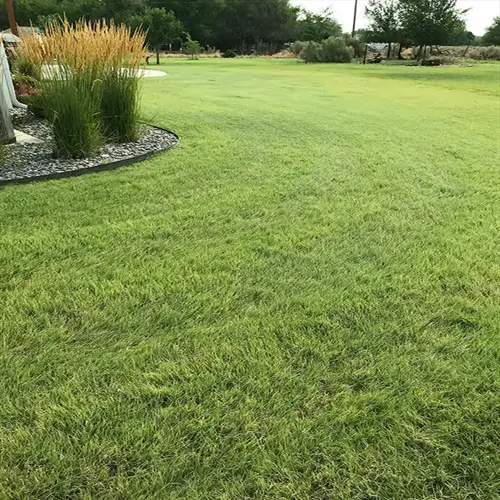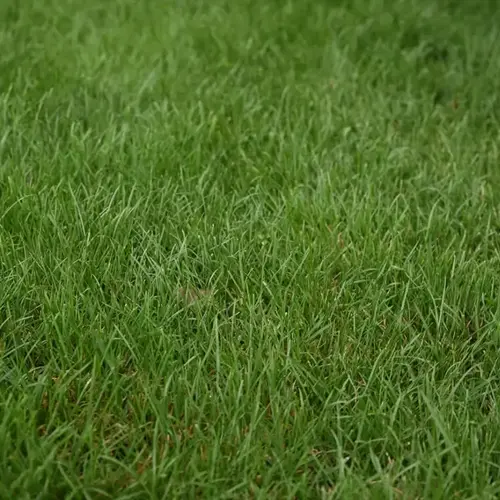

Yes, is St Augustine high maintenance is one of the top questions new lawn owners ask, and the answer is honest: this grass needs more work than most. Centipede and bahia need far less of your time. Bermuda asks for about the same effort but in different ways. St. Augustine looks great, but that look comes with a weekly to-do list.
The st augustine grass maintenance requirements break down into four main tasks that cycle through the growing season. In my experience, I spend about two to three hours each week on my St. Augustine lawn during summer. That means mowing every seven days, checking sprinkler heads, and scouting sunny spots for chinch bugs. During spring and fall, the workload drops to about half that time since growth slows and pest pressure eases.
Mowing takes the most effort because this grass grows fast. Texas A&M recommends cutting St. Augustine at 2.5 to 3.5 inches with a sharp rotary mower on a weekly schedule. The same thick stolon growth that creates that gorgeous dense carpet also means the grass pushes upward fast during warm months. Skip a mowing and you'll scalp the lawn the next time you cut, which stresses the grass and opens the door for weeds to move in.
That rapid stolon growth also drives thatch buildup. When the thatch layer exceeds 1 inch thick, water and fertilizer can't reach the soil beneath it. Your lawn starts looking thin and patchy even though the stolons keep growing on top. You'll need to dethatch or core aerate at least once a year to keep the thatch layer in check. This step adds a full afternoon of work to your annual calendar, but skipping it causes bigger problems down the road.
Fertilizer demands depend on where you live. UF/IFAS recommends 2 to 6 pounds of nitrogen per 1,000 square feet each year based on your Florida region. South Florida lawns need the higher end of that range because the longer growing season burns through nutrients faster. North Florida and coastal areas can get by with less. You'll spread fertilizer three to four times between April and September. This keeps the lawn fed without dumping too much at once.
Choose a Slower Cultivar
- ProVista grows about 30% slower than Floratam, which means fewer mowings per month and less thatch buildup over the year.
- Seville produces a finer-textured lawn with reduced vertical growth that stays neat longer between mowing sessions.
- Dwarf varieties cut your mowing schedule from weekly to every 10 to 14 days during peak summer growth.
Automate Your Mowing
- Robotic mowers handle St. Augustine well, and UF/IFAS research shows they work on Floratam without damaging the wide leaf blades.
- Frequent light cuts from a robot mower keep the grass at the perfect height and return fine clippings that feed the soil.
- Time savings add up to 8 to 12 hours per month that you get back during the busiest part of the growing season.
Water Based on Stress Signs
- Footprint test: Water only when your footprints stay visible in the grass, which means the blades have lost turgor pressure.
- Skip the timer: Fixed irrigation schedules waste water and grow weak roots that make the lawn more dependent on watering.
- Deep and infrequent: Apply 3/4 inch of water per session to push roots deeper and stretch the time between irrigations.
The overall st augustine lawn care effort is real, but it's manageable once you build a routine. Most of the work happens between May and September when the grass grows fastest. Winter brings dormancy in northern zones and much slower growth in South Florida, giving you a break from the weekly grind. Plan your cultivar choice and tool setup around reducing the busiest tasks, and St. Augustine becomes a lawn you can maintain without losing every weekend to yard work.
Read the full article: St Augustine Grass Care and Growing Guide