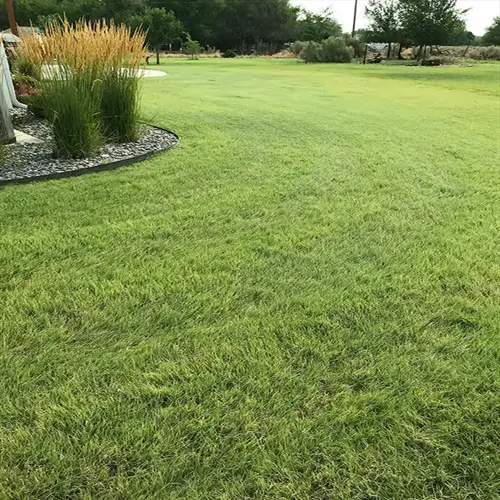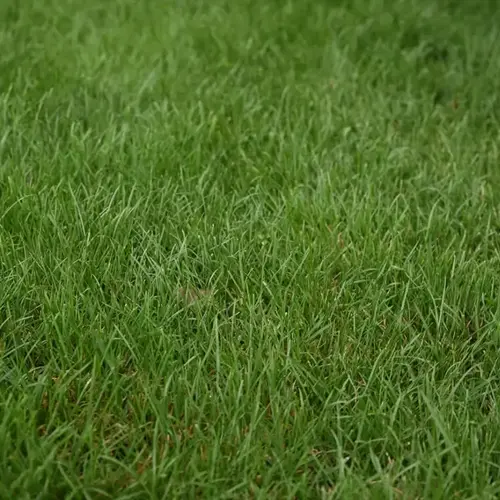

No, and the buffalo grass vs St Augustine debate trips up lawn owners all the time. These are two separate species from different parts of the world. The mix-up comes from Australia, where people call St. Augustine "buffalo turf" as a common nickname.
I first hit this wall while reading an Australian forum about buffalo turf st augustine care tips. The advice sounded great for warm-season lawns. But the photos showed thick, wide blades that looked nothing like what Americans call buffalo grass. It took me a while to figure out the Australians meant St. Augustine the whole time. If you've searched for lawn tips and gotten odd results, this naming issue is the cause.
The two grasses come from different species with different needs. North American buffalo grass (Buchloe dactyloides) grows wild across the Great Plains. It loves dry prairies with hot summers and cold winters. St. Augustine is a coastal tropical grass. You'll see it on sod labels as Stenotaphrum secundatum. NC State traces it to sandy beaches and lagoon edges in the Southeast USA and Africa. You're looking at two plants that share a name but almost nothing else.
So is buffalo grass st augustine grass in the end? Only if you live in Australia. Australians gave St. Augustine the "buffalo" name decades ago, and it stuck. When an Aussie says plant buffalo grass in your shady yard, they mean St. Augustine. When a Texas garden center sells buffalo grass seed, they mean the thin-bladed prairie grass that needs full sun and dry soil.
Your growing needs change based on which grass you pick. North American buffalo grass survives on just 12 to 20 inches of rain per year. It handles temps well below freezing with no issue. But it dies in shade and won't grow under trees at all. St. Augustine needs 30 to 50 inches of rain per year. It can't take hard freezes below 20°F (-6.7°C). But it handles shade better than any other warm-season turf.
Water and Rainfall Needs
- Buffalo grass: Gets by on just 12 to 20 inches of rain per year and handles drought across the Great Plains without sprinklers.
- St. Augustine: Needs 30 to 50 inches of rain per year or regular watering to keep its thick, green look through summer.
- Bottom line: Buffalo grass fits dry climates while St. Augustine fits humid coastal areas with steady moisture.
Shade and Sun Tolerance
- Buffalo grass: Needs full sun all day and thins out fast under any tree cover or building shade.
- St. Augustine: Does well with just four to six hours of sun per day, making it the top pick for shaded southern yards.
- Bottom line: Pick St. Augustine for shady lawns and buffalo grass for wide-open sunny spaces.
Cold Weather Survival
- Buffalo grass: Handles temps well below 0°F (-18°C) and makes it through harsh Plains winters with no damage.
- St. Augustine: Takes cell damage in stolons below 20°F (-6.7°C) and ranks as the least cold-hardy warm-season grass.
- Bottom line: Buffalo grass wins in cold areas while St. Augustine belongs in USDA zones 8 through 12.
In my experience, the best thing you can do is check which species any article means before you follow its advice. Look for the Latin name or find out which country the writer lives in. This one step saves you from buying the wrong sod, using the wrong fertilizer rate, or mowing at the wrong height for your grass type.
Read the full article: St Augustine Grass Care and Growing Guide