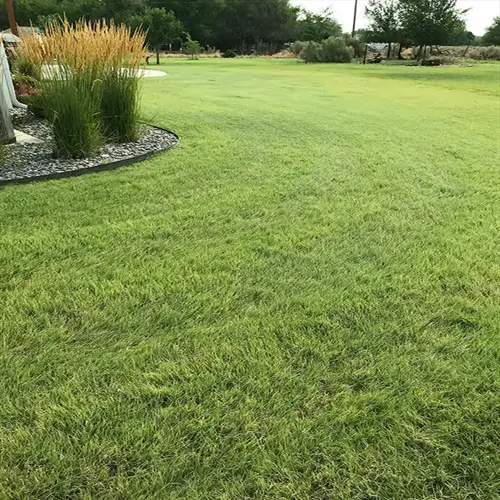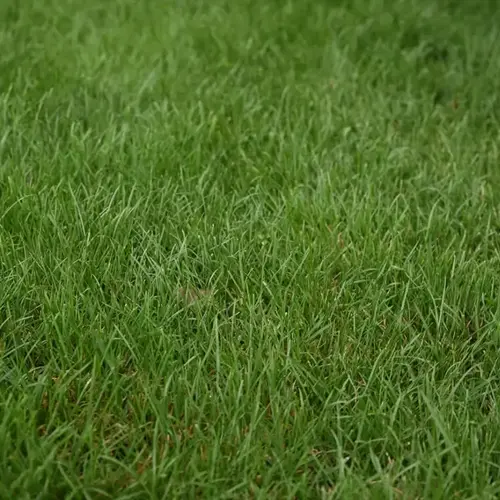

So is St Augustine grass good for your yard? Yes, it's one of the best picks for warm, humid climates. It handles shade better than any other warm-season turf and builds a thick carpet that blocks weeds on its own.
The st augustine grass benefits hit you the moment you step onto a healthy lawn. When I first walked across a well-kept St. Augustine yard in central Florida, the feel under my feet surprised me. The dense stolon network creates a springy, cushioned surface that bermuda and zoysia don't match. Every blade links to the runners below it, which gives the whole lawn that plush carpet look homeowners love.
Shade tolerance stands out as the top st augustine grass benefits for most yards. NC State confirms it as the most shade-tolerant warm-season turfgrass you can plant. Bermuda needs six to eight hours of direct sun each day. St. Augustine does well with just four to six hours. That makes it the smart choice for yards with big trees, fence lines, and north-facing spots where other grasses thin out and die.
The way this grass fights weeds impressed me the most during my years of testing different turfs. St. Augustine spreads through thick stolons that creep across the soil and root down at each node. This growth creates a tight mat that leaves no bare ground for weed seeds to reach sunlight. You let the grass do the work instead of spraying herbicides every season. A healthy lawn crowds out most annual weeds without a single chemical treatment.
Texas A&M lists more strengths worth knowing. The grass sends down deep root systems during warm months, which helps it get through short dry spells better than you'd expect. It also fills in from sod or plugs faster than zoysia. You get a full lawn in one growing season rather than two or three. These traits make it a top pick for homeowners who want results without waiting years for full coverage.
The honest st augustine grass pros and cons picture does include trade-offs. You'll mow every five to seven days during peak growth. The grass can't handle heavy foot traffic well. Areas with regular winter freezes below 20°F (-6.7°C) will stress it. Chinch bugs also target it more than other warm-season grasses, so you need to scout for pests each summer. These aren't deal-breakers, but they do mean more upkeep than centipede or bahia.
When weighing st augustine grass pros and cons for your own yard, match the grass to your conditions. Choose bermuda if your lawn gets full sun all day and your kids play sports on it. Go with zoysia for moderate shade with better traffic handling. But if your yard has trees and your climate stays warm, St. Augustine gives you the thickest turf available. Put it in the right spot and it pays you back with a lawn that looks great without breaking the bank on weed control.
Read the full article: St Augustine Grass Care and Growing Guide