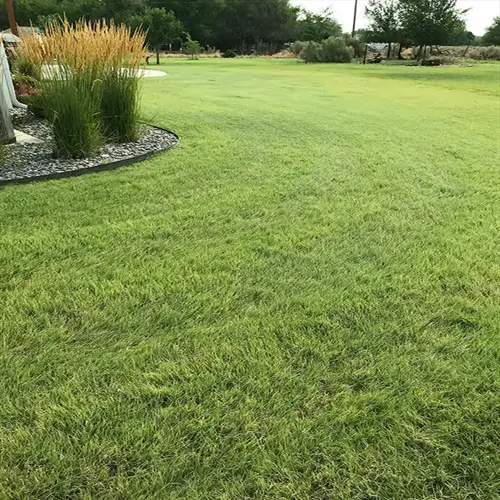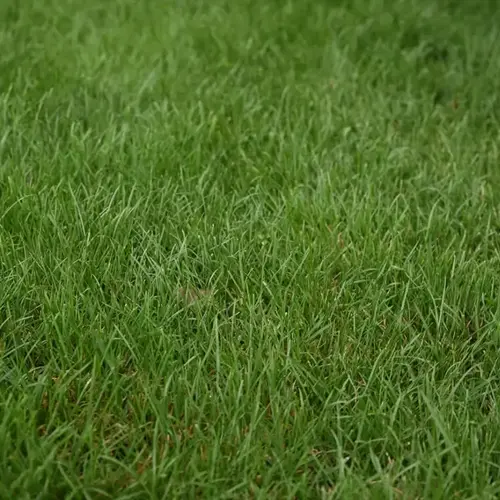

Yes, St Augustine grass cost runs higher than bermuda or centipede. The main reason is simple: you can't grow it from seed. Every St. Augustine lawn starts from sod, plugs, or sprigs. Each of those costs more than tossing seed across bare dirt.
I priced out two projects for the same 5,000 square foot yard last spring. The st augustine sod price came to about $1,200 to $1,800 in materials alone. That didn't include delivery or labor. The bermuda seeding quote for the same yard? About $50 to $75 in seed plus a bag of starter fertilizer. That gap floored me even though I knew sod would cost more.
The st augustine sod price stays high because of how this grass grows. It doesn't make seed you can buy in bags. Alabama Extension lists three ways to plant it. You can lay full sod, set plugs 6 to 24 inches apart, or plant sprigs in furrows 6 to 12 inches apart. Each option means someone has to grow, cut, ship, and hand-place living plant material. Bermuda or centipede just need a person with a seed spreader to walk across the yard.
When people call st augustine grass expensive, they often mean just the install. But the ongoing costs add up too. This grass eats 2 to 6 pounds of nitrogen per 1,000 square feet each year. Centipede needs just 1 to 2 pounds. You'll also mow more often and treat for chinch bugs during summer. Over five years, a St. Augustine lawn costs about two to three times more to own than a centipede lawn the same size.
You can cut your costs with a few smart moves. Buy plugs instead of full sod and space them at 18 to 24 inches apart. You'll wait one to two growing seasons for full cover, but you'll save hundreds of dollars. Buy sod in the off-season months of late fall or winter when growers lower prices to clear stock. Some farms sell "field run" pallets with mixed piece sizes at a lower rate than clean-cut sod.
In my experience, the higher upfront St Augustine grass cost does pay off over time for the right yard. This grass builds such dense turf that it blocks most weeds on its own. You save money on herbicides year after year. It also grows thick under shade where bermuda and centipede fail. That means fewer bare patches and less money spent on repairs. If your yard has trees and needs shade coverage, the extra cost is worth it in the long run.
Read the full article: St Augustine Grass Care and Growing Guide