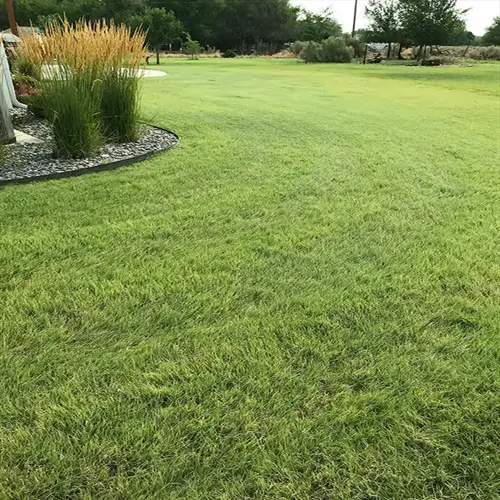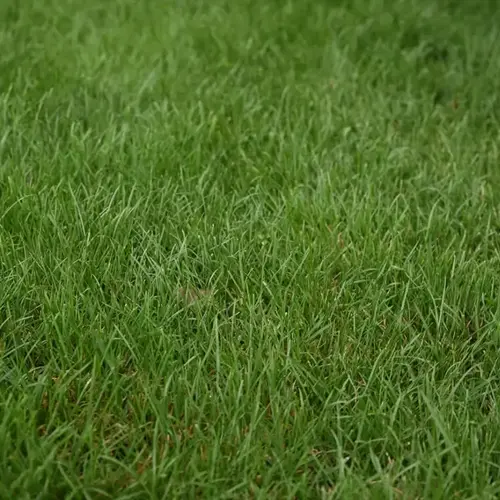

No single grass better than St Augustine exists for every situation. The right pick depends on your yard's sun, traffic, climate, and how much work you want to do. Each warm-season grass wins in specific conditions where St. Augustine falls short.
The top st augustine grass alternatives come down to three options. You've got bermuda, zoysia, and centipede. I spent a summer watching bermuda and St. Augustine grow side by side along a fence in Texas. The bermuda side stayed dense and green through foot traffic from kids and dogs that wore visible paths into the St. Augustine next door. But along the back fence where mature oaks blocked the afternoon sun, the St. Augustine stayed thick while the bermuda thinned out to bare dirt. Each grass dominated in its own territory.
These st augustine grass alternatives grew up in different parts of the world. Bermuda grew on sunny African plains with lots of animal traffic. That's why it handles wear and drought so well. Zoysia grew along Asian coasts with mixed shade and salt spray. Centipede adapted to poor, acidic soils where nutrients were hard to find. St. Augustine spread along tropical coasts under thick tree shade. Each grass brings those traits into your yard today.
The bermuda vs st augustine grass match-up comes up the most since they share the same growing zones. NC State confirms St. Augustine as the most shade-tolerant warm-season turfgrass, giving it a clear edge in yards with trees. Texas A&M notes that St. Augustine falls behind in cold and traffic handling. That's where bermuda takes over. Bermuda recovers from damage in weeks while St. Augustine takes months to fill bare spots through stolon growth alone.
Match the grass to your specific situation for the best results. Choose bermuda if your yard gets full sun all day and your family plays sports or runs dogs on it. Pick zoysia if you have moderate shade with foot traffic and want a dense lawn that handles both. Go with centipede if you want the cheapest option with the least maintenance and your yard gets plenty of sun with acidic soil.
Stick with St. Augustine if your yard has significant tree cover and you live in a warm, humid climate. No other warm-season grass matches its ability to grow thick under shade. The grass that's "better" is the one that fits your yard, not the one that wins the most categories on a chart. Walk your property, count the hours of direct sun each section gets, and let those numbers guide your choice.
Read the full article: St Augustine Grass Care and Growing Guide