Herb · Lamiaceae
Spearmint
Mentha spicata
Hand spearmint steady moisture and a container it can't escape, and fresh leaves keep coming right through the season.
Full sun
Every 2–4 days
59–77°F · 15–25°C
80–90 days
Overview
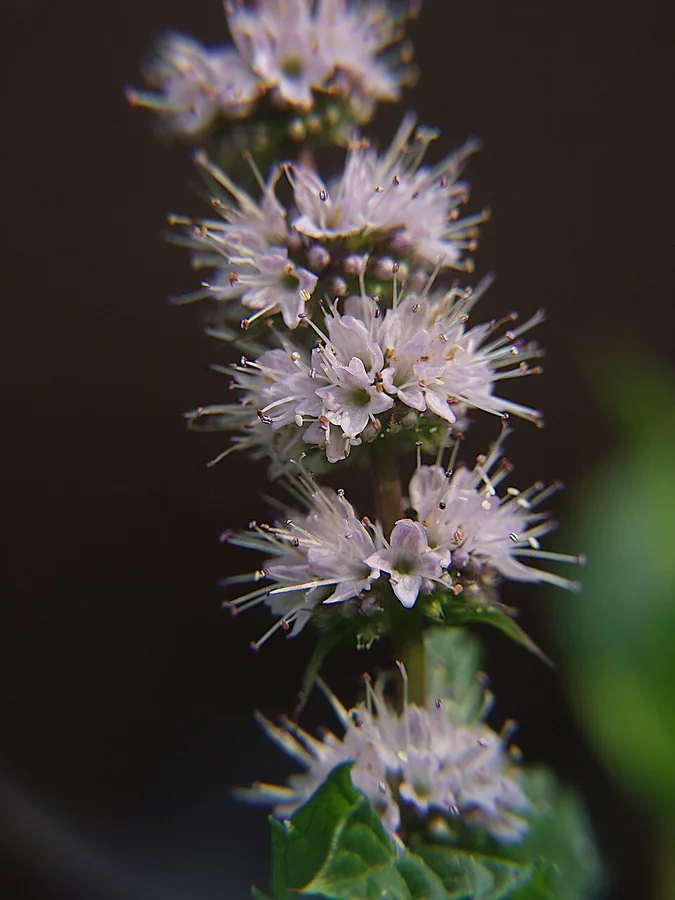
Spearmint is the gentle, familiar mint behind so many sauces, teas, and cool summer drinks, and it is one of the kindest herbs a beginner can start with. It belongs to the mint family and lives as a hardy perennial, fading back over winter and rising again each spring with fresh, toothed leaves and a sweet, clean scent. If keeping a plant alive has ever worried you, this is a reassuring one to begin with, because it forgives almost every mistake.
The one thing to learn early is that spearmint travels on underground runners that creep outward and root as they go, so a small start can quietly fill a bed. That is not a problem, just a habit to plan for. Most growers keep it in a sunken pot, a bed of its own, or behind a deep root barrier, and once it has that gentle boundary it asks for very little in return.
What keeps spearmint looking its best is simply picking it. Pinch the tips often and you get a low, leafy, bushy plant full of tender growth, while leaving it to flower makes the stems stretch and the flavor soften. Harvest early and harvest often, and it gives back kindly, right up to the first hard frost. Even if it gets away from you, a firm trim brings it back.
Care
The short version: give spearmint full sun or a little shade, keep the soil evenly moist so it never dries out, and settle it in a contained spot where the runners can wander safely. Pinch the tips often and it stays bushy and happy.
Light
Spearmint is happiest in full sun, which keeps it neat and compact and brings out the oils that flavor the leaves. Do not worry if your spot only gets partial shade, though, because it copes with that gladly, and a little afternoon cover is a real help in hot regions where full sun would wilt it.
Water
Try to keep the soil evenly moist and never let it dry right out, since spearmint droops the moment it gets thirsty. Watering every 2 to 4 days usually keeps it content, and a bit more often during a heat wave or in a pot, which dries out faster than you might expect.
Soil
Give it rich, loamy soil with plenty of organic matter, the kind that stays moist without going soggy. A pH of 6.0 to 7.0 suits it beautifully, sitting comfortably around neutral, so most garden soil makes it feel at home.
Temperature
Spearmint feels its best between 59°F and 77°F (15°C to 25°C), growing steadily in that mild range. When winter arrives it simply rests, dying back to the roots and returning to you again in spring, so a cold snap is nothing to fret over.
Humidity
Ordinary household air around 40% to 70% keeps the leaves healthy and full. Very dry air can tempt spider mites, so if things get hot and parched, a moist root zone and the odd gentle misting keep your plant comfortable.
Feeding
One kind feeding of balanced fertilizer or compost in spring is really all spearmint needs to sail through the season. Go gently with nitrogen, though, because too much pushes soft, floppy growth and thins out the very oils that give the leaves their taste.
Pruning
Pinch and harvest the tips as often as you like to keep the plant bushy and full rather than tall and bare, and give it a firm cut back after flowering to wake up fresh growth. Snip flower spikes off as they appear, since a stem that blooms loses much of its flavor, and there is no harm in being generous with the scissors.
Repotting
In a pot, move spearmint into fresh soil every 1 to 2 years, or sooner if it turns rootbound, and it is a lovely moment to divide the clump too. Roots circling the pot edge, soil that dries almost as soon as you water, and leaves that are getting smaller are all friendly signs that it is time.
Size & spacing
Spearmint grows 12 to 24 inches (30 to 60 cm) tall but reaches wider than that, spreading 24 to 35 inches (60 to 90 cm) across as the runners travel. Give it a little room, or better yet a container of its own, so it never crowds the plants growing beside it.
When to plant
Spearmint is a tough perennial that takes the cold of zones 5 through 9 without any fuss, so most gardeners can grow it with confidence. Set your plants out in spring once hard frost has passed, pick leaves happily through the whole growing season, and gently pinch off the flower spikes in summer so the leaves stay sweet.
Northern hemisphere
Southern hemisphere
Typical months for a temperate climate: start earlier in warm zones, later where spring frosts linger.
- Sow: Late winter to early spring (though division/cuttings are more reliable than seed)
- Plant: Spring, after danger of hard frost
- Harvest: Harvest leaves throughout the growing season; pinch off flower spikes in summer to preserve leaf quality
Hardiness
USDA hardiness zones: 5–9
Temperature: down to -29°C
Troubleshooting
Spearmint is so forgiving that its troubles are few, mostly a leaf disease, a hot-weather pest or two, and its own eagerness to spread. Look through the problems below, match what you see, and step in early while the fix is still an easy one. None of these are cause for real worry.
Little rusty orange spots appearing under the leaves
Do not be alarmed, this is mint rust, a fungus that shows up when leaves stay damp and crowded together. Gently pick off the spotted leaves and bin them instead of composting, then thin the plant a little so fresh air can move through. Even a badly affected clump forgives you, because cutting it right back to the ground brings up clean, healthy new growth.
Fix:
- Remove and destroy infected foliage (do not compost)
- Improve air circulation by thinning crowded growth
- Avoid overhead watering to keep foliage dry
- Cut back severely affected plants to ground level
Speckled, pale leaves with a faint webbing beneath
These are spider mites, tiny pests that move in when the air turns hot and dry and slowly drain the leaves until they look dusty and faded. Wash them away with a strong jet of water, then keep the soil moist and the humidity up so the plant becomes an unwelcoming home. If the outbreak is heavy, a little insecticidal soap clears it right up.
Fix:
- Rinse foliage with a strong spray of water
- Raise humidity and keep soil moist
- Apply insecticidal soap if severe
Mint wandering out and creeping across the bed
This is just spearmint being spearmint, sending out underground runners that pop up as new shoots well away from the parent and slowly taking over if left alone. The easiest and kindest fix is to grow it in a sunken bottomless pot or a bed of its own, or to sink a root barrier at least 30 cm deep. If a runner does escape, simply dig it out before it roots in and all is well.
Fix:
- Grow in a buried bottomless container or dedicated bed
- Sink physical root barriers 30+ cm deep
- Dig out and remove escaped runners promptly
Weak growth and smaller leaves from a crowded clump
Over time an old clump fills up with tangled roots and runners until the middle tires out and the leaves shrink. The remedy is gentle and satisfying, so lift the plant, split off the healthy outer pieces, replant them in fresh soil, and let go of the woody center. Doing this every two to three years keeps your spearmint young and cropping well.
Fix:
- Divide the clump and replant healthy sections
- Refresh soil and discard the woody center
Toxicity
Spearmint is a kitchen herb that people have enjoyed for ages, so there is nothing to fear at the table. The gentle caution is its essential oils, which can give cats, dogs, and horses a mild tummy upset if they eat a lot, so keep a curious, grazing pet away from a whole plant.
Toxic to
Cats · Dogs · Horses · Rabbits · Livestock · Birds
Safe for
People
Cats Mild
A cat that nibbles a leaf or two is usually just fine, but a big mouthful of the oily leaves can bring on some drooling, vomiting, and loose stools.
Dogs Mild
A dog that chews through a good pile of leaves might get a gently upset stomach, with a little vomiting and diarrhea that tends to settle on its own.
Horses Mild
A horse grazing a large helping can end up with a mild bellyache and soft droppings from the concentrated oils, and nothing more serious than that.
Rabbits Caution
A few leaves now and then sit fine with a rabbit, but the strong oils mean it should never make a whole meal of spearmint.
Livestock Caution
Goats, sheep, and cattle rarely go looking for mint, and a casual nibble does little harm, though a belly full of it can loosen their digestion.
Birds Caution
Most birds happily leave the pungent leaves alone, so offer only a tiny token amount, since the oils are stronger than a small body really wants.
People Safe
For people, spearmint is a gentle kitchen herb enjoyed for centuries, perfectly safe in teas, sauces, and salads at the everyday amounts you would cook with.
Normal culinary amounts of spearmint leaf used in food are not a concern; the risk relates to ingestion of large quantities of the plant or concentrated essential oils.
Helpline numbers

United States
ASPCA Animal Poison Control: (888) 426-4435 (fee applies)

United Kingdom
Animal PoisonLine: 01202 509000 (fee applies)

Australia
Animal Poisons Helpline: 1300 869 738
Varieties
Most spearmint you find is the plain species, and it is lovely, but a couple of named types are worth looking out for if you want a little extra flavor or a prettier leaf.
Mentha spicata 'Kentucky Colonel'
Its large, crinkled leaves carry a wonderfully strong spearmint flavor, which is why it stays the classic choice for juleps and everyday cooking.
Mentha spicata var. crispa (Curly mint)
Tightly ruffled, curled leaf edges give this one a pretty, frilly look while it holds onto that familiar clean spearmint scent.
How to propagate
Making more spearmint is wonderfully easy, and most gardeners happily skip seed altogether in favor of splitting a clump or rooting a simple cutting.
DivisionEasy
Spring or autumn · 2 to 4 weeks
Splitting a clump is the surest and most reassuring way to make more spearmint. In spring or autumn, gently lift an established plant and tease it into sections that each hold a piece of runner with its own roots and shoots, then replant them where you like. Each new piece settles in and takes hold within 2 to 4 weeks.
Stem cuttingsEasy
Spring through summer · 1 to 2 weeks
Spearmint roots so eagerly that a cutting hardly needs any help at all. Any time from spring through summer, snip a healthy stem tip and stand it in a glass of water or tuck it into moist soil, and little roots appear in 1 to 2 weeks, ready for you to move it on.
Myths
Mint must be harmless in the garden since it is only a little herb.
Its small size really is no guide to how it behaves. Spearmint runs and roots underground and can fill a whole bed in a season or two, so the loving thing is to plant it in a buried pot or behind a root barrier rather than loose in the open ground.