Herb · Lamiaceae
Hyssop
Hyssopus officinalis
Give it full sun and lean, fast-draining soil, and forgiving hyssop pays you back with aromatic leaves and bee-loved blue spikes.
Full sun
Every 7–14 days
USDA 4–9
12–24 in · 30–60 cm
Overview
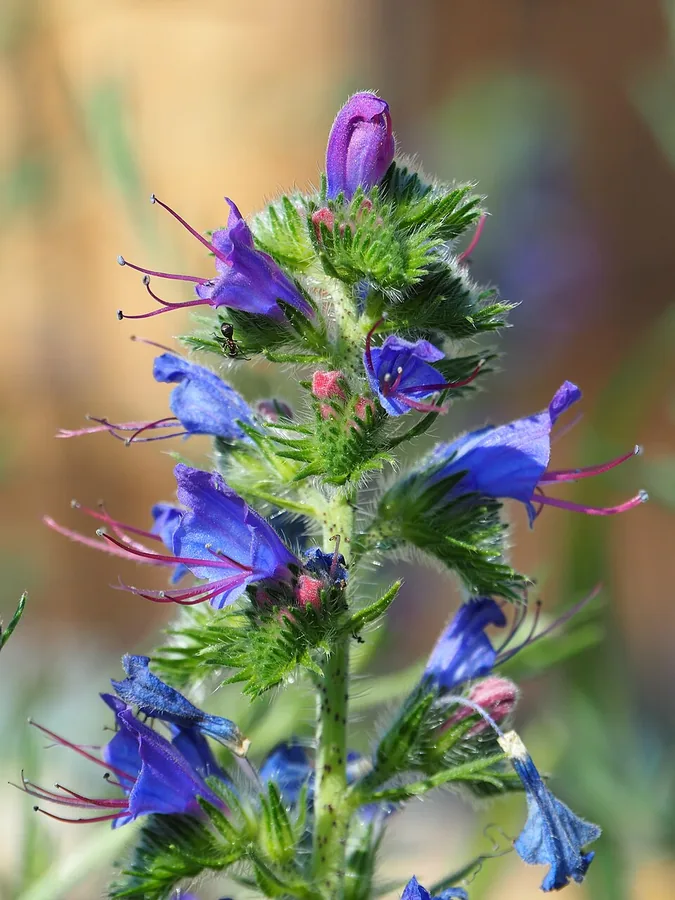
Hyssop is a tough, good-natured woody-based perennial from the Mediterranean, grown for hundreds of years as both a kitchen and a healing herb, and it is a wonderfully forgiving plant to start with. It settles into a low, bushy mound of narrow, deep green leaves that smell sharp and minty, then in summer it sends up spikes of blue-purple flowers that bees and butterflies flock to. Hardy through USDA zones 4 to 9, it takes cold winters and dry spells in its stride, so you have room to relax.
The two things hyssop asks for are full sun and soil that drains fast, and once you give it those, the rest comes easily. It is happy in lean, sandy, or rocky ground where fussier herbs would sulk, and it needs very little from you once its roots take hold. The single misstep to avoid is leaving it in wet feet, so choosing the right spot matters far more than any amount of fussing.
In time the plant naturally turns a little woody and open at its base, and that is nothing to fret over. A spring trim and the odd firmer cutback keep it dense and leafy, and because it self-seeds so freely, you will almost always have young replacements coming along on their own.
Care
The short version: give hyssop full sun, lean and sharply drained soil, and only the occasional drink once it is settled. Trim it in spring to keep it bushy, feed it almost never, and renew it every few years before it goes woody, and it will look after itself the rest of the time.
Light
Give hyssop full sun and it rewards you with its best growth, flowering, and scent. It will put up with a little partial shade, but a shaded plant tends to grow open and floppy and gives you far fewer of those summer spikes, so the sunniest spot is a kindness.
Water
Let the top half of the soil dry out between drinks, then water deeply and leave it be. Once settled, hyssop is drought-tolerant and needs only the occasional watering, and the single thing it truly cannot stand is soggy, waterlogged ground, so when in doubt, wait.
Soil
Plant it in well-drained loam, sandy, or even shallow rocky soil, the kind of ground where many herbs would struggle. Hyssop is easygoing about pH across a wide 6.0 to 8.0 range and copes cheerfully with poor, dry soil, so focus on good drainage rather than rich feeding.
Temperature
This is a genuinely hardy plant, at ease across a wide band from -22°F to 86°F (-30°C to 30°C). That cold-hardiness is exactly what lets it winter outdoors as a perennial right through USDA zones 4 to 9, so most gardeners can leave it in the ground.
Humidity
Hyssop likes things on the dry side, roughly 30% to 50%, in keeping with its Mediterranean home. Damp, still air can invite powdery mildew, so giving it a bit of breathing room matters far more than chasing any exact reading.
Feeding
This is a light feeder that gets along on next to nothing, which makes it lovely and low-fuss. One spring helping of balanced fertilizer or a little compost is all it wants, and overfeeding only brings soft, leggy growth and weaker scent, so a light hand is the way to go.
Pruning
Trim hyssop back by about one-third in early to mid spring to shape it and clear away winter-damaged growth, then give it a gentle shear after it flowers. Regular snipping keeps it from turning leggy and woody, though even so you will want to replace plants every few years, which is entirely normal.
Repotting
A container-grown hyssop only needs moving up every 2 to 3 years, so there is no rush. Repot when you notice roots circling the pot or slipping out the drainage holes, water running straight through, or growth beginning to slow.
Size & spacing
Look forward to a tidy little mound of about 12 to 24 inches (30 to 60 cm) tall spreading 12 to 18 inches (30 to 45 cm) wide. Give each plant that much elbow room and air will move freely around it, keeping the foliage fresh and healthy.
When to plant
Hyssop keeps to the rhythm of a hardy perennial, and it is easy to follow along. Start seed indoors in late winter, about 8 to 10 weeks before your last frost, then set the young plants outside in spring once the cold has eased. The blue spikes open from early summer into fall, and the leaves taste their best when you pick them just before or as the flowers appear.
Northern hemisphere
Southern hemisphere
Typical months for a temperate climate: start earlier in warm zones, later where spring frosts linger.
- Sow: Late winter to early spring, about 8-10 weeks before the last expected frost
- Plant: Spring, after danger of frost has passed
- Harvest: Blue-purple flower spikes from early summer into fall (roughly June-September), highly attractive to bees and butterflies; harvest aromatic leaves just before or at flowering for best flavor
Hardiness
USDA hardiness zones: 4–9
Temperature: down to -34°C
Troubleshooting
Hyssop is among the most forgiving herbs you can grow, and nearly all of its troubles come down to too much water or too little sun. If you catch the early signs on the roots, stems, or leaves, you can almost always put things right before the plant slips. Find the match below, act while it still helps, and you will likely have it back on track in no time.
Wilting and slow collapse when the ground stays wet
Take heart: this is nearly always about drainage, not about you. Sitting water starves the roots of air and lets root rot take hold, turning them dark, soft, and sour-smelling. Ease off the watering and let the soil dry, or gently shift the plant to a raised, sandier spot where the water can run off. If the roots have gone too far, it is fine to let that one go and begin again.
Fix:
- Reduce watering and let soil dry
- Improve drainage or move to a raised/sandier site
- Remove and discard severely rotted plants
Thin, woody stems with bare patches near the base
An open, leggy plant that only holds leaves at its tips is asking for more sun, a little pruning, or both, and that is an easy thing to give it. Move it into full sun and trim it back by about one-third in spring, and fresh, bushy growth will rise from down low. Every hyssop turns woody in time, so refresh yours every few years from cuttings or divisions and you will always have a young one coming on.
Fix:
- Move to or site in full sun
- Cut back by about one-third in spring to encourage bushy regrowth
- Replace old woody plants with fresh divisions or cuttings
Weak, stunted growth over lumpy, knotted roots
If a plant keeps struggling even though you have done everything right, lift it gently and look at the roots for swollen, knotted lumps that give away root-knot nematodes in the soil. There is no quick fix, so it is kindest to remove the affected plants and grow your next hyssop in fresh ground. Mixing plenty of organic matter into the bed feeds the good soil life that keeps these pests in balance.
Fix:
- Remove and discard affected plants
- Rotate planting location
- Improve soil with organic matter
A soft white dust settling over the leaves
Those pale patches that wipe away are powdery mildew, a common fungus that shows up when the air around crowded plants goes still. Pick off the worst leaves, open up the planting so a breeze can pass through, and try to keep water off the foliage. It looks worse than it is and seldom does lasting harm, so there is no need to worry.
Fix:
- Improve spacing and air circulation
- Remove affected foliage
- Avoid overhead watering
Toxicity
Here is reassuring news for homes with pets and little ones: garden hyssop is safe. Its leaves and flowers are a long-loved culinary and tea herb, with no toxicity reported for cats, dogs, livestock, or people in normal amounts. The one thing worth keeping out of reach is the concentrated essential oil, which is a very different matter from the gentle living plant.
Safe for
People · Cats · Dogs · Horses · Rabbits · Livestock · Birds
Cats None
You can relax around cats, since a curious nibble of the leaves will not harm them in the least.
Dogs None
Dogs are welcome to sniff and chew at the plant, because the leaves hold nothing that could hurt them.
Horses Safe
Horses grazing nearby have nothing to fear, so you can plant hyssop without a second thought.
Rabbits Safe
Rabbits may safely browse the leaves, though most give the strong, minty scent a wide berth anyway.
Livestock Safe
Cattle, goats, and sheep are perfectly fine near hyssop, and the aromatic leaves usually discourage them from eating much.
Birds Safe
Birds are in no danger from the plant, and its summer flowers tend to invite bees and butterflies rather than feathered guests.
People Safe
You and your family can enjoy the leaves and flowers as a kitchen and tea herb in normal amounts. The only thing to treat with care is the concentrated essential oil, rich in pinocamphone, which is a concern in large doses.
Concentrated hyssop essential oil contains pinocamphone and can be neurotoxic and seizure-inducing in large doses; keep concentrated oil away from pets and children, but the garden plant and culinary leaf are regarded as non-toxic.
Varieties
Most gardeners simply grow the plain blue-flowered species and are glad of it, but a couple of easy color forms are lovely to know about if you fancy something a little different in the border.
Alba
If you would like a change from the usual blue-purple, Alba opens in clean white flowers instead.
Rosea
Rosea brings a gentle pink to the border in place of the familiar species blue.
How to propagate
One of the joys of hyssop is how generously it multiplies. You can raise it from seed, root soft cuttings, or split an old clump, and all three are well within a beginner's reach, so there is no wrong place to begin.
SeedEasy
Spring (start indoors in late winter or sow outdoors after frost) · Germinates in about 2-3 weeks; establishes over the first growing season
Seed is the kindest place to start, and it rarely lets a beginner down. Sow it indoors in late winter or straight into the ground once frost has passed, and the little seedlings appear in about 2 to 3 weeks before filling out through the first season. From then on the plant self-seeds so freely that you will find plenty of volunteers to lift and move wherever you like.
Stem cuttingsModerate
Late spring to summer from softwood/semi-ripe growth · Roots in several weeks; establishes over a few months
Cuttings let you copy a plant you have grown fond of, which feels like a small win every time. Take them from healthy, non-flowering shoots in late spring or summer while the growth is still soft to half-ripe, and they will root over several weeks and settle in across a few months with a little patience.
DivisionEasy
Spring · Re-establishes within one growing season
When a clump gets old and crowded, dividing it is the simplest fix of all. Lift an established plant in spring, ease or cut it into pieces, and each piece settles back in within a single growing season.
Myths
Garden hyssop is poisonous to people and pets.
You can set this worry aside, because the garden plant and its leaves have been a trusted culinary and tea herb for ages, and extension sources note no toxicity for cats, dogs, or people. Only the concentrated essential oil calls for real caution, since its pinocamphone can be neurotoxic and bring on seizures in large doses.
Hyssop and anise hyssop are the same plant.
It is an easy mix-up, but the two only share a name and not a genus. True hyssop is Hyssopus officinalis, a woody-based Mediterranean herb, while anise hyssop is Agastache foeniculum, a different plant loved mainly for its licorice scent.