Vegetable · Amaryllidaceae
Leek
Allium ampeloprasum
Set them deep, feed them well, and hill the soil up, and a leek rewards you with a long sweet shank that stands right through the cold.
Full sun
Every 3–7 days
120–150 days
USDA 5–10
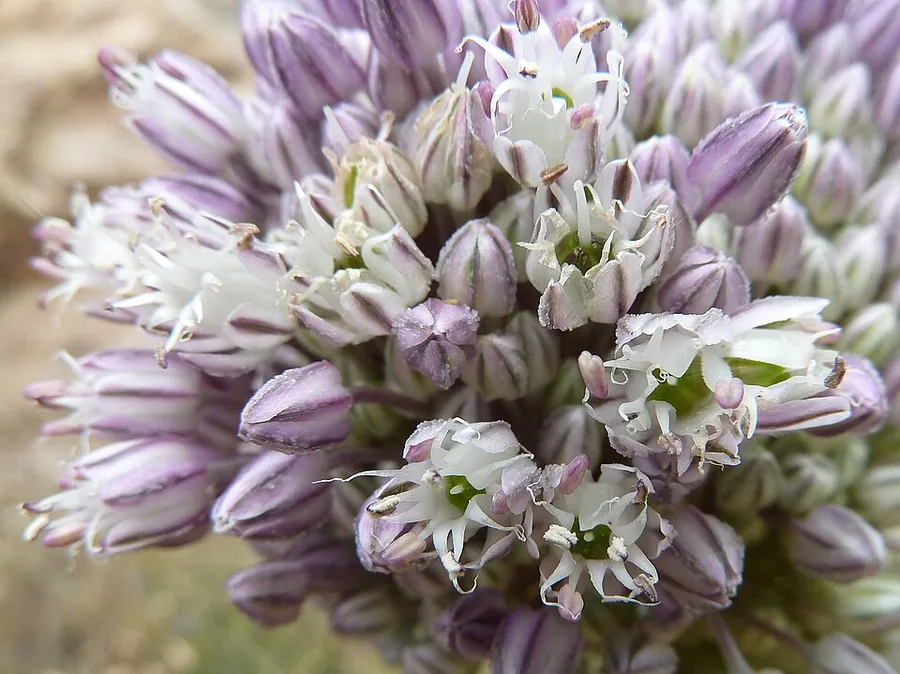
Overview
A leek belongs to the onion family, yet it never bothers to make a bulb, which is one less thing to fuss over. The part you eat is the shank, a long cylinder of snugly wrapped leaf bases that turns white when you plant it deep and mound soil up the stem as it grows. Its flavor lands milder and sweeter than an onion, and it stays gentle even after cooking.
This is a crop that rewards a patient hand, and there is plenty of room for you to relax into it. Leeks want 120 to 150 days to mature, so most gardeners start seed indoors in late winter and set out pencil-thick seedlings around the last frost. In return you get a vegetable that waits happily in the ground for weeks, and with a hardy variety tucked under mulch, right on through winter.
Give a leek deep, rich soil, steady water, and a good supply of food, and it grows slow and strong without much worry from you. Crowd it, underfeed it, or let the bed go dry and you'll get thin, tough shanks, but even that is easy to correct once you spot it.
Care
The short version: give them full sun, deep and fertile soil, and steady moisture all season, and you're most of the way there. Set the seedlings deep, mound soil up the shank to blanch it white, and feed regularly, since these are hungry plants that will thank you for it.
Light
Leeks want full sun to size up the way you're hoping for, though a little afternoon shade won't trouble them. Give them too little light and the shanks stay thin and the plants grow loose and floppy.
Water
Keep the bed evenly moist and never let it dry out fully, or the shanks turn thin and tough on you. Aim for about 1 inch (2.5 cm) of water a week, since the roots sit shallow, and a layer of mulch will hold that moisture for you between waterings.
Soil
Plant into deep, loose, fertile loam worked over with compost or aged manure, which gives the long roots room to reach and this hungry plant the fuel it wants. A pH between 6.0 and 7.0 suits them nicely.
Temperature
Leeks are wonderfully tough, taking anything from 14°F to 86°F (-10°C to 30°C), and a touch of frost only sweetens the shank. Heat is the trickier one, since hot, dry spells wear the plants down and open the door to thrips.
Humidity
Ordinary outdoor humidity is all they need, so there's no number to worry about. What really counts is airflow, because crowded, damp leaves are just how leek rust likes to get going.
Feeding
Leeks are heavy feeders that want food all season long, so don't be shy with them. Side-dress with a nitrogen-rich or balanced fertilizer about once a month from spring through late summer while the shanks are filling out.
Pruning
Trim the seedling tops back to about 4 to 5 inches (10 to 13 cm) once or twice before transplanting, and you'll get sturdier plants for it. If one begins to bolt, snap the flower stalk out quickly, since a bolted shank turns woody.
Repotting
not applicable; grown in open ground (or a deep container) for a single long season and harvested
Size & spacing
Plants stand 12 to 35 inches (30 to 90 cm) tall and stay slim, only 4 to 6 inches (10 to 15 cm) across. Leave each one a little room so air can move through and the shanks fatten up without crowding.
When to plant
Leeks keep a long, unhurried calendar, so an early start makes everything easier. Sow indoors in late winter, move the seedlings outside around your last frost once they're pencil-thick, then gather them from late summer through fall and, with a hardy variety under mulch, well into winter.
Northern hemisphere
Southern hemisphere
Typical months for a temperate climate: start earlier in warm zones, later where spring frosts linger.
- Sow: 8-12 weeks before the last spring frost
- Plant: around the last frost date, once seedlings are pencil-thick; set them deep in dibble holes or a trench and hill soil up as they grow to blanch the shank
- Harvest: harvest from late summer through fall and, for hardy cultivars under mulch, into winter; flowers only in the second year if overwintered
Hardiness
USDA hardiness zones: 5–10
Temperature: down to -29°C
Troubleshooting
Most leek troubles turn up on the leaves or as skinny shanks that just won't fatten, and almost all of them are fixable. Spot the signs early and you can usually set things right before harvest. Find what matches below, then act while it still does some good.
A flower stalk rising early while the shank goes woody
If a leek pushes up a firm, round flower stalk in its first year, it has bolted, which usually happens after a long cold stretch fools a big transplant into thinking a winter has come and gone. A dry spell or a rough transplant can nudge it along too. The kindest thing is to accept it, since the shank only gets tougher from here, so pull those plants and enjoy them first at the table.
Fix:
- Harvest bolted plants immediately and use them; quality only declines
- Snap out very young stalks and use those plants first
Orange dust showing up along the leaf blades
Take heart, because this is leek rust and it rarely means losing the crop. The fungus settles in when the weather turns muggy and the plants sit too close together, so lift away the worst leaves, loosen the rows to let a breeze through, and go a little easier on nitrogen so the growth is less soft and tempting. If you rotate your alliums on a 3 to 4 year cycle, the spores have nowhere to wait for you next season.
Fix:
- Remove and destroy heavily infected leaves
- Thin or widen spacing to improve airflow
- Avoid overhead watering late in the day
Silvery flecks and a gray tinge creeping over the leaves
Those pale scratches come from onion thrips, little insects that scrape at the leaf surface and thrive when things stay hot and dry. Dry, thirsty plants suffer the most, so keeping the bed watered and mulched does a lot of the work for you, and a strong spray of water knocks plenty of the thrips loose. Save the insecticidal soap for the inner leaf folds and only when the numbers really climb.
Fix:
- Knock thrips back with strong jets of water
- Keep plants well watered and mulched
- Use insecticidal soap on the inner leaf folds if pressure is heavy
Shanks staying skinny instead of filling out
Don't be discouraged, because thin, pencil-like shanks almost always trace back to crowding, a late start, or a bed that ran short on food. Leeks need 120 to 150 days and stay hungry the whole way, so thin them out, clear the weeds, side-dress with nitrogen, and water deeply and evenly. Best of all there's no clock ticking, since leeks hold for weeks in cool soil and those small plants will keep fattening up while you wait.
Fix:
- Thin to proper spacing and weed thoroughly
- Side-dress with nitrogen and water deeply and evenly
- Leave undersized plants in the ground longer; leeks hold well in cool soil
Toxicity
Leeks are a delight for people and a genuine hazard for animals, so it's worth knowing the line. Like every allium, they carry organosulfur compounds that break down red blood cells and bring on hemolytic anemia in pets and livestock, raw or cooked alike. Keep the growing plants, kitchen trimmings, and compost scraps well away from cats, dogs, horses, and grazing animals, remembering that cats are the most sensitive and the signs can take days to show.
Toxic to
Cats · Dogs · Horses · Rabbits · Livestock · Birds
Safe for
People
Cats Severe
Cats feel this the most, and it doesn't take much of a nibble to cause harm, so watch them closely. You might see vomiting, drooling, weakness, and pale gums first, and then faster breathing and reddish or brown urine as the red blood cells give way to Heinz-body hemolytic anemia.
Dogs Moderate
A dog that gets into any part of a leek can end up with vomiting, diarrhea, a sore belly, and a slow slide into weakness. A larger or repeated helping brings on the same hemolytic anemia, with pale gums, a racing heart, and dark urine, so it's worth catching early.
Horses Moderate
A horse that grazes a real amount of leek can turn dull and weak, with pale or yellow-tinged gums and dark urine as the blood cells begin to break down.
Rabbits Toxic
Leeks and all their allium cousins are simply not for rabbits. The same organosulfur compounds go after their red blood cells, so keep every part well clear of the hutch and you'll have nothing to worry about.
Livestock Toxic
Cattle, sheep, and goats are all at risk, and the harm can build up as they graze alliums over time. Look for weakness, pale gums, and dark urine as anemia takes hold, and keep the plants out of their reach.
Birds Toxic
Birds, backyard hens among them, should never be handed leek scraps. The toxin harms their blood cells the same way it does in mammals, so it's an easy one to avoid.
People Safe
Good news for you: leeks are a kitchen favorite and completely safe to grow, handle, and eat. The only thing to mind is the cleanup, so tuck trimmings and compost scraps somewhere the pets can't reach them.
Safe for people to grow and handle; keep growing plants, kitchen trimmings, and compost scraps out of reach of pets. Onset of anemia signs in pets can be delayed by several days after ingestion.
Helpline numbers

United States
ASPCA Animal Poison Control: (888) 426-4435 (fee applies)

United Kingdom
Animal PoisonLine: 01202 509000 (fee applies)

Australia
Animal Poisons Helpline: 1300 869 738
Varieties
Leeks fall mostly into early types for a fall harvest and hardy late types bred to weather the winter. Here are the few worth knowing by name.
King Richard
An early leek with long, slender shanks that shines in a fall harvest, though it's among the least winter-hardy choices, so plan to enjoy it before the deep cold.
American Flag (Broad London)
A dependable open-pollinated heirloom loved for its thick shanks and the cold tolerance that lets it stand right through to spring.
Bandit
A very hardy late leek with dark blue-green leaves that's happy to sit in the ground all winter and give you fresh harvests in the cold.
Lancelot
An even, upright mid-season hybrid whose long white shanks come clean with little fuss.
Companions
Leeks pair well with crops that swap pest protection and share their need for rich, moist soil, and badly with the legumes that alliums tend to hold back.
Plant near
carrot: Classic pairing: leeks are reputed to deter carrot rust fly while carrots help deter leek moth, and the crops share bed conditions without competing strongly
celery: Similar needs for rich soil and steady moisture make celery a compatible bed partner that uses the space between slow-growing leeks
Keep apart
beans: Alliums are traditionally reported to inhibit the growth of beans and other legumes when interplanted
peas: Like beans, peas are reported to grow poorly alongside Alliums and should be kept in a separate bed
How to propagate
There's just one way to grow a leek, from seed, and the whole trick is starting early enough and planting deep enough to blanch a long white shank.
SeedModerate
Sow indoors 8-12 weeks before the last spring frost; transplant outdoors around the last frost date · Germinates in about 1-2 weeks at 18-24°C (65-75°F); reaches transplant size in 8-12 weeks
There's only one path here, from seed, and a little patience is all it really asks of you. Start indoors 8 to 12 weeks ahead of your last frost, where the seed wakes up in a week or two at 65°F to 75°F (18°C to 24°C) and then eases its way toward transplant size. When those seedlings reach pencil thickness, tuck them 6 inches (15 cm) deep into dibble holes or a trench, water them in gently without firming the soil, and keep mounding soil up the stem all season to blanch a long, sweet white shank.
Myths
Leeks form a bulb like onions and are ready once the tops fall over.
Rest easy about this one, because a leek never grows a true bulb. The white shank you cook with is just a cylinder of tightly bundled leaf bases, turned white by deep planting and mounding soil up the stem. Judge readiness by the size of the shank, not by waiting for the tops to flop over.
Cooked leeks are fine to share with cats and dogs.
This is an easy mistake to make, but cooking, drying, or grinding a leek into powder does nothing to soften the organosulfur compounds inside. A cooked leek is just as dangerous as a raw one, and cats can develop Heinz-body hemolytic anemia from a surprisingly small taste.