
Introduction
Your morning cup of tea comes from the same plant family as the camellia plant in your garden. The genus that fills your teacup also fills yards with striking winter blooms all season long. That alone makes camellias some of the most interesting evergreen shrubs you can grow at home.
I first fell for camellias about 8 years ago at a garden show in South Carolina. In my experience, no other shrub gives you such bold winter color with so little fuss. Camellias arrived in the United States near Charleston back in 1786. Some specimens in Japan have lived for over 500 years, which shows how strong these plants get with good care.
The genus holds over 220 camellia species in total. The American Camellia Society lists more than 2,300 named cultivars on its books. You can find compact container types or tall flowering shrubs reaching 25 feet high. C. sinensis has been grown as a tea crop for 3,000 years across Asia.
This guide covers what you need to grow healthy camellias at home. You will learn which species fits your area, how to plant them right, and how to beat the pests that trip up most growers.
Popular Camellia Species
New growers always ask me which camellia species to pick first. In my experience, the choice comes down to two types of camellias. Camellia japonica is the shade loving showstopper with huge blooms. Camellia sasanqua is the sun tolerant early bird that flowers in fall.
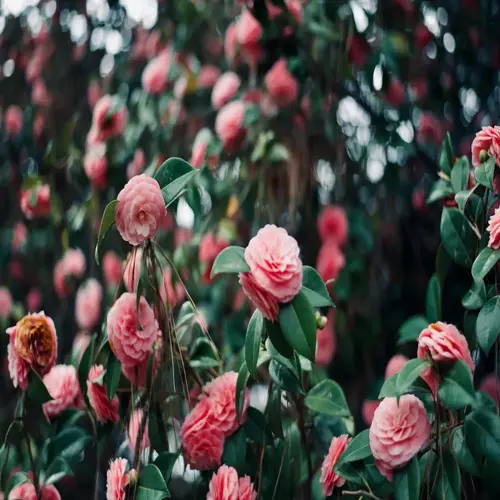
Camellia japonica grows 6 to 25 feet tall at a slow pace and puts out flowers up to 5 inches wide. Camellia sasanqua grows faster and tops out around 6 to 14 feet with smaller 2 to 3 inch blooms. The camellia varieties in the C. x williamsii group blend the best of both worlds with good cold tolerance and flowers that drop on their own when spent.
Your best bet is to match the species to your yard conditions. If you have a shaded spot with moist soil, japonica will reward you with massive blooms. If your garden gets more sun and you want fall color, sasanqua is the smarter pick.
Planting Camellias Right
Getting the planting right matters more than any other step with camellias. When I first started, I lost 3 plants in one season because I buried them too deep. The camellia soil requirements are simple but strict. You need acidic soil with a pH between 5.5 and 6.5, and the ground must drain well after rain.
Start by digging a hole at least 2 feet wider than your root ball. Use a shallow planting technique with the top of the root ball sitting above the soil line. Water then runs away from the trunk instead of pooling around it. This one step alone prevents the root rot that kills more camellias than any pest or disease.
Space your plants at least 5 feet apart to give them room to grow and let air flow between them. After you set the plant, build a soil berm about 3 feet wide around the base to hold water during the first season. Soak the root zone once a week until the plant settles into its new spot.
You may have read that you should mix compost into the backfill soil. Older guides said this was a good idea. Current extension service advice says to skip it. Amended backfill can trap water and stop roots from growing into native ground. Just use your original well-drained soil to fill the hole back in.
The best time for planting camellias is October through November or March to mid April. These cooler windows give roots time to grow before summer heat puts stress on the plant. I always tell new growers to aim for fall planting if they can, since the roots get a full cool season to settle in.
Seasonal Camellia Care
Good camellia care follows the seasons. I keep a simple calendar on my fridge that tells me what each plant needs every month. The biggest lesson I learned is that watering camellias right in the first year makes or breaks the whole plant. Once roots settle in, a mature camellia can live on rainfall alone in most areas.
One tip most growers miss is the July feeding cutoff. You must stop all camellia fertilizer by the end of July. Late feeding pushes out soft new growth that frost will kill. Amy Jo Detweiler at Oregon State says to enjoy your blooms first, then prune right after flowers fade. That way you never cut off next season's buds.
Spring Tasks (March to May)
- Pruning: Prune japonica varieties immediately after flowering ends in spring to shape the plant and remove dead or crossing branches without losing next year's flower buds.
- Feeding: Apply an acid-forming fertilizer designed for camellias, azaleas, and rhododendrons in early spring as new growth begins to support healthy leaf and bud development.
- Mulching: Refresh the mulch layer to 2-3 inches (5-7.6 centimeters) of pine bark or pine needles around the base, keeping mulch away from the trunk to prevent rot.
Summer Tasks (June to August)
- Watering: Water deeply once per week during dry spells, especially newly planted camellias that have not yet established their root systems in the surrounding soil.
- Feeding cutoff: Stop all fertilizer applications by the end of July to prevent soft new growth that is vulnerable to early frost damage and winter cold injury.
- Monitoring: Check leaf undersides weekly for fuzzy white coatings that indicate tea scale insects, and treat early with horticultural oil before populations spread.
Fall Tasks (September to November)
- Planting: October and November are ideal months for planting new camellias, giving roots time to establish in cool soil before the stress of summer heat arrives.
- Sasanqua blooms: Enjoy sasanqua camellia flowers that begin appearing as early as November, with each plant blooming for 4-6 weeks throughout the fall season.
- Bud protection: Avoid moving or disturbing established plants during bud formation, as physical stress can cause bud drop before flowers have a chance to open.
Winter Tasks (December to February)
- Japonica blooms: Watch for camellia japonica flowers from late winter into early spring, with blooms reaching 3-5 inches (7.6-12.7 centimeters) in diameter on mature plants.
- Cold protection: In USDA Zones 7 and colder areas, protect plants with burlap wrapping or move container camellias to sheltered spots when temperatures drop below 10°F (-12°C).
- Watering: Continue watering during dry winter periods, as camellias are evergreen and still lose moisture through their leaves even during dormant months.
Pruning camellias scares a lot of new growers but it doesn't have to. Just cut back right after the last bloom drops and you won't lose any flower buds for next year. I do a light cleanup in spring and save any big shape work for the same window. Follow this simple camellia maintenance routine and your plants will reward you with bigger blooms every season.
Pests and Disease Management
Most camellia pests and camellia diseases show up when something goes wrong with the growing spot. I tested this idea in my own garden by moving a sick plant to a better spot. The pest problem went away on its own within weeks. UF/IFAS Extension confirms that camellias rarely get serious diseases when you plant and care for them the right way.
Yellowing leaves are the first sign most growers notice. Bud drop is the second most common complaint. Both problems often trace back to soil pH or watering issues rather than bugs. But when real pests do strike, you need to act fast. Here are the 5 biggest threats to watch for with your plants.
Tea Scale Insects
- Symptoms: Fuzzy whitish coating on the undersides of leaves with yellow speckling visible on the upper leaf surface, often mistaken for a nutrient deficiency by new gardeners.
- Treatment: Apply horticultural oil spray to coat every part of the leaf undersides, targeting the insects during their crawling stage for the best control.
- Prevention: Maintain good air circulation by spacing plants at least 5 feet (1.5 meters) apart and pruning interior branches to reduce the humid conditions scale insects prefer.
Camellia Flower Blight
- Symptoms: Brown spots appear on flower petals and spread fast until the entire bloom turns brown and mushy, with dark veining visible in the discolored tissue.
- Treatment: Remove and dispose of all affected flowers and fallen petals right away, as the fungal spores survive in decomposing plant material on the ground.
- Prevention: Apply a fresh layer of mulch each fall to create a barrier between soil-borne spores and new blooms, and avoid overhead watering during the flowering season.
Root Rot (Phytophthora)
- Symptoms: Wilting leaves despite adequate watering, with dark brown or black roots that feel soft and mushy when examined, and gradual decline of the entire plant over weeks.
- Treatment: Improve drainage right away by raising the plant or amending the surrounding area, as no chemical treatment can reverse advanced root rot damage in camellias.
- Prevention: Plant with the top of the root ball just above soil level and choose sasanqua varieties in wet areas, as NC State Extension notes they resist Phytophthora more than japonica.
Dieback and Canker
- Symptoms: Branches die back from the tips with sunken, discolored patches on stems where the bark cracks and peels away, exposing the damaged wood underneath.
- Treatment: Prune affected branches at least 6 inches (15 centimeters) below any visible canker damage, sterilizing pruning tools between each cut to prevent spreading.
- Prevention: Avoid wounding plants during lawn care and gardening activities, as the fungi that cause canker typically enter through cuts, scrapes, or pruning wounds.
Aphids and Spider Mites
- Symptoms: Aphids cause sticky honeydew residue that leads to black sooty mold on leaves, while spider mites create rusty or whitish discoloration along leaf veins in hot dry conditions.
- Treatment: Blast both pests off plants with a strong stream of water from a garden hose, repeating every few days until populations are under control according to UF/IFAS guidance.
- Prevention: Encourage beneficial insects like ladybugs and lacewings in your garden, and avoid broad-spectrum pesticides that kill the natural predators keeping these pest populations in check.
Tea scale gives gardeners the most trouble of any camellia pest in my experience. Catch it early and a simple oil spray fixes the problem. Camellia flower blight is the second worst threat since it can ruin an entire bloom season in just a few weeks. Stay on top of both and your plants will look great year after year.
Cold-Hardy Camellia Varieties
Most people think camellias for cold climates don't exist. I believed that too until I tested cold hardy camellias in my zone 7 garden. Dr. William Ackerman bred cultivars that survive down to -15°F (-26°C) at the USDA Arboretum. You can now grow camellias in northern USDA zones that were off limits before.
Research from Fan et al. in 2022 showed why some camellias handle cold better than others. Temperate types produce more of a growth hormone that keeps their cells strong during freezes. This means your zone 6 camellias aren't just surviving cold. They're built for it. Good camellia winter care still matters, but these tough plants give you a real shot at blooms even where frost damage used to kill every attempt.
April Series Cultivars
- Hardiness: Bred by Dr. William Ackerman at the USDA National Arboretum, these cultivars are documented to survive temperatures reaching -15°F (-26°C) in protected locations.
- Bloom time: Flowers appear in early to mid spring, later than standard japonica varieties, which helps buds avoid late frost damage that destroys earlier blooming types.
- Best for: Gardeners in USDA Zones 6b through 7a who want reliable camellia blooms in regions that were once considered too cold for any camellia species to survive.
Winter Series Cultivars
- Hardiness: Another Ackerman breeding line that combines cold tolerance with fall and winter blooming, showing little or no winter injury at temperatures as low as -12°F (-24°C).
- Bloom time: These varieties flower from late fall through winter, providing color during the coldest months when few other shrubs are blooming in the landscape.
- Best for: Gardeners who want winter interest in Zones 6b through 8 and are willing to provide a sheltered location with wind protection from north and west exposure.
Sasanqua for Mild Cold
- Hardiness: Camellia sasanqua tolerates brief cold snaps and light frost better than many gardeners expect, thriving in USDA Zones 7a through 9b according to NC State Extension data.
- Bloom time: Flowers appear from October through December, providing fall and early winter color before japonica varieties begin their bloom cycle in late winter months.
- Best for: Gardeners in Zone 7 and warmer who want the most sun tolerant and drought resistant camellia species with a faster growth rate than japonica varieties.
Protecting Standard Varieties
- Wind shelter: Plant standard camellias on the south or east side of buildings or walls to shield them from cold north and west winds that cause the most winter damage to exposed plants.
- Mulch depth: Apply 3-4 inches (7.6-10 centimeters) of mulch over the root zone in late fall to insulate roots from temperature changes during freeze and thaw cycles.
- Container option: Grow borderline hardy camellias in large containers that you can move to an unheated garage or covered porch when extreme cold events threaten the plant.
Landscape and Companion Ideas
Camellias do much more than sit in a corner and bloom. I use them in almost every part of my garden design. You can grow a camellia hedge for privacy or plant a single specimen shrub as a focal point. They also work great as foundation planting along your house. NC State Extension found that camellias pull in pollinators and songbirds too.
For a dense privacy screen, plant your camellias 3 feet apart and let them fill in over a few seasons. Sasanqua types work best for hedges since they grow faster and handle more sun. If you want a single showpiece, put a japonica where you can see it from a window during winter when those big blooms steal the show.
Companion planting with camellias is easy when you stick to other acid loving plants. Azaleas, rhododendrons, and hydrangeas all share the same soil needs and create a layered look under taller shade trees. I plant low ferns at the base of my camellias to fill in the ground level and keep weeds down at the same time.
Your best camellia landscape ideas will match each plant's size and shape to the job you need done. Use tall upright types for screens and borders. Choose compact forms for containers and small beds. Camellias are even a bit deer resistant and salt tolerant per NC State data, which gives you more freedom in where you place them.
One thing I wish someone told me early on is that camellias look best in groups of 3 or 5. A cluster of mixed species gives you blooms from fall through spring with almost no gaps. Your garden stays green and full the rest of the year thanks to that evergreen leaf cover.
5 Common Myths
Camellias can only grow in warm southern climates and will die in any frost or freezing temperatures.
Cold-hardy cultivars developed by Dr. William Ackerman at the USDA National Arboretum survive temperatures as low as -15 degrees Fahrenheit (-26 degrees Celsius).
Camellias need full sun exposure to produce the most flowers and grow their best throughout the year.
Most camellias prefer partial shade with filtered light, and too much direct sun can scorch leaves and cause bud drop, especially on japonica varieties.
Adding lots of organic matter and compost directly into the planting hole helps camellias establish faster and grow stronger roots.
Current extension service guidance advises against adding organic matter to backfill soil, as it can create drainage issues and discourage roots from spreading into native soil.
All camellia species bloom at the same time during the spring season and share identical growing requirements.
Camellia sasanqua blooms in fall and early winter while camellia japonica blooms in late winter and spring, and each species has different sun and drought tolerance levels.
Yellow leaves on a camellia plant always mean the plant is not getting enough water and needs more frequent irrigation.
Yellowing leaves most often indicate iron chlorosis caused by alkaline soil with a pH above 6.5, which locks out iron even when moisture levels are adequate.
Conclusion
Growing camellias comes down to a few key moves that make all the difference. Give your camellia plant acidic soil in the 5.5 to 6.5 pH range and a spot with partial shade. Plant it just above the soil line so water drains away from the roots. These basics set you up for years of strong growth.
Pick japonica if you want big winter blooms in a shaded spot. Go with sasanqua if your garden gets more sun and you want fall color. With over 3,000 cultivars bred for gardens, you can find a camellia for containers, hedges, borders, or a single showpiece plant. Cold hardy types from Dr. Ackerman's breeding program mean you can even grow these evergreen shrubs in zones once thought too cold.
Good camellia care doesn't ask much of your time. In my experience, the whole routine takes less than an hour per month once your plants settle in. Feed in spring, stop by July, water well the first year, and prune right after blooms fade. Watch for tea scale on leaf undersides and treat it fast with oil spray.
Your first year of growing a camellia will test your patience since the plant puts most energy into roots. But come the second season, you will see stronger stems and bigger buds forming on every branch. Stick with it and your camellias will reward you with blooms for decades to come.
External Sources
Frequently Asked Questions
Where do camellias grow best?
Camellias grow best in USDA Hardiness Zones 7 through 9, in partial shade with acidic, well-drained soil.
Do camellias need sun or shade?
Camellias prefer partial shade with morning sun and afternoon shade, though sasanqua types tolerate more direct sunlight.
Are camellias difficult to grow?
Camellias are not difficult to grow once established in the right conditions of acidic soil, good drainage, and partial shade.
Are camellias best in pots or ground?
Both work well, but ground planting suits most climates while pots allow control over soil acidity and winter protection.
Do camellias like winter?
Many camellias bloom during winter, but severe cold below 0 degrees Fahrenheit can damage buds and foliage.
Why is camellia so expensive?
Camellias are expensive because they grow slowly, require years to reach saleable size, and grafted cultivars need skilled labor.
What are the common problems with camellias?
Common problems include tea scale insects, camellia flower blight, root rot, bud drop, and yellowing leaves from alkaline soil.
Do camellias bloom twice a year?
Most camellias bloom once per year, but planting both japonica and sasanqua species provides blooms across multiple seasons.
What is the lifespan of a camellia?
Camellias can live for centuries, with some specimens in Japan documented at over 500 years old.
Are camellias high maintenance?
Camellias are relatively low maintenance once established, needing only seasonal pruning, occasional feeding, and pest monitoring.