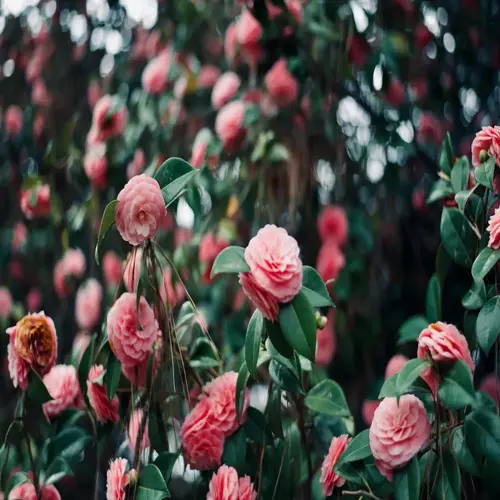

Most camellias prefer partial shade with morning sun rather than full sun or deep shade. When people ask about camellias sun or shade, the honest answer is that they want a bit of both. A spot that gets 3 to 4 hours of gentle morning light and then shade in the afternoon hits the mark for most varieties. This balance gives your plants enough energy to bloom without cooking their leaves.
Your camellia light requirements depend a lot on which species you grow. Japonica camellias burn in direct afternoon sun and do best under a high tree canopy or on the east side of your house. Sasanqua camellias handle much more sun. The American Camellia Society says sasanqua does much better in full sun. NC State Extension lists sasanqua as suitable for sun to partial shade in your garden.
I tested this firsthand in my own garden a few years back. I planted a japonica and a sasanqua side by side in a spot that got about 6 hours of direct light. The japonica's leaves turned brown and crispy by midsummer. Several flower buds dried up and dropped off before they could open. The sasanqua right next to it grew strong and bloomed on schedule that fall. That told me everything I needed to know about matching the right species to your light conditions.
Too much direct sun causes leaf scorch and bud drop on your japonica varieties. The intense light heats up the leaf surface beyond what the plant can manage. Water escapes faster than the roots can replace it and the edges of your leaves go brown. You might think the plant needs more water but the real fix is more shade. Sasanqua types have thicker, smaller leaves that resist this heat damage. They also bloom in fall when the sun sits lower in the sky and puts out less intense rays.
You can also track the sun patterns in your yard before you plant. Spend a day noting which spots get morning sun, which get harsh afternoon rays, and which stay shaded all day. Most phones have apps that map sun paths for your exact location. This small effort saves you from having to move a camellia later, which stresses the plant and sets back its growth by a full season or more.
Deep shade causes its own set of problems though. Camellias stuck under dense evergreen trees won't get enough light to form flower buds. You end up with a leggy plant that has sparse foliage and few blooms. The goal is filtered light, not darkness. Tall deciduous trees work great because they let dappled sun reach your plants during the growing season.
When choosing the best light for camellias in your yard, start with the east side of your home or a fence. This gives your plants soft morning sun and blocks the hot afternoon rays. South-facing and west-facing spots get too much intense light for japonicas. If those are your only options, plant a sasanqua instead or add a shade cloth during the hottest months.
I now plant all my japonicas under the canopy of tall oak trees where they get about 4 hours of filtered sun each day. My sasanquas go in sunnier borders where they can soak up 5 to 6 hours of light without any trouble. This simple rule of thumb has made my camellias healthier and more productive than they ever were before. Get the light right and your camellias will thank you with thick green foliage and stunning blooms each season.
Read the full article: Camellia Plant Care and Growing Guide