
Introduction
The burning bush shrub wins you over at first sight with its fiery red fall foliage. I planted my first one back in 2014, and every October it stopped people on the sidewalk. But this gorgeous ornamental shrub hides a serious problem that most garden centers won't mention.
Its scientific name is Euonymus alatus, and it arrived in the U.S. back in 1862 from Asia. The USDA Forest Service now reports that 21 states classify it as an invaded species. That beautiful houseguest took over the garden and the whole block.
Most guides pick a side. They teach you how to grow it or tell you to rip it out. This guide does both. You'll get real care tips for the plant you already own. You'll also learn about sterile cultivars like Fire Ball Seedless that keep the color without the spread.
Below you'll find variety picks and pruning schedules. You'll also get native alternatives that give you the same fall color without the spread.
8 Burning Bush Varieties
Not all burning bush varieties are the same size or carry the same risk. I've grown 4 of these 8 in my own yard over the years. Some fit tight spaces while others need a full 10 feet of room to spread out. The biggest difference is whether they produce seeds or not.
The winged euonymus family ranges from giant hedge plants to tiny dwarf burning bush types under 5 feet. Fire Ball Seedless is the real game changer here. This sterile cultivar from NC State gives you the red color without any seed spread. Compactus remains the most common pick at garden centers, but check your state laws first.
Standard Burning Bush
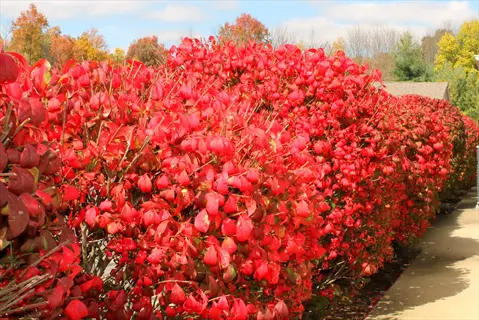
- Mature Size: Reaches 8 to 10 feet (2.4 to 3 meters) tall and equally wide, making it one of the largest forms available for open landscapes and property borders.
- Fall Color: Produces the classic brilliant scarlet to crimson foliage that made this species famous, with color intensifying in full sun exposure throughout autumn.
- Growth Habit: Develops a dense, rounded form with multiple stems and distinctive corky wings along branches that add winter texture to the landscape.
- Best Use: Works well as a specimen plant, privacy screen, or large hedge where space allows for its full spread without crowding nearby plantings.
- Invasive Risk: Produces thousands of viable seeds per season that birds carry into natural areas, making it the most restricted form in states with burning bush bans.
- Maintenance Needs: Requires minimal pruning to maintain shape but benefits from annual thinning of interior branches to improve air circulation and reduce disease risk.
Compactus Dwarf Burning Bush
- Mature Size: Grows to about 6 feet (1.8 meters) tall and wide, roughly half the size of the standard species, fitting well in smaller residential landscapes.
- Fall Color: Displays the same intense crimson red autumn foliage as the full-sized species, often appearing even more vivid due to the dense leaf coverage on a compact frame.
- Growth Habit: Forms a tightly rounded mound shape with dense branching that requires less corrective pruning than the standard form to stay tidy looking.
- Best Use: Popular for foundation plantings, low hedges, and borders where a smaller footprint is needed without sacrificing the signature fall color display.
- Invasive Risk: Still produces viable seeds despite its smaller size, and several states including Wisconsin specifically include Compactus in their invasive restrictions.
- Maintenance Needs: Responds well to shearing for formal hedge shapes and tolerates hard pruning in late winter if rejuvenation is needed after neglect or storm damage.
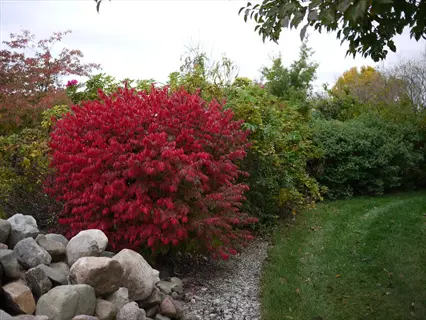
Fire Ball Seedless
- Mature Size: Reaches approximately 5 to 6 feet (1.5 to 1.8 meters) tall with a rounded growth habit similar to Compactus but without the invasive seed production.
- Fall Color: Offers brilliant red autumn foliage comparable to the standard species, bred specifically to retain ornamental value while eliminating fertile seed output.
- Breakthrough Feature: Developed by Dr. Thomas Ranney at North Carolina State University as a sterile triploid, meaning it cannot produce viable seeds that spread into wild areas.
- Availability: Released to wholesale growers in spring 2024 and becoming available at retail garden centers, though supply remains limited as nurseries ramp up production.
- Ecological Benefit: Addresses the primary concern about burning bush by removing seed dispersal entirely, offering a responsible choice for gardeners in states considering future bans.
- Maintenance Needs: Requires the same basic care as other burning bush varieties including well-drained soil, moderate watering, and occasional pruning to maintain a tidy shape.
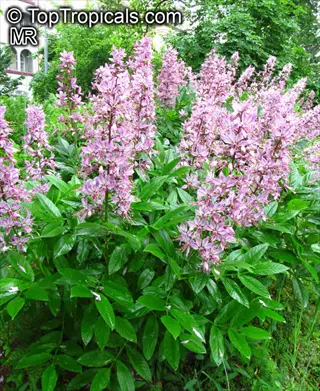
Rudy Haag
- Mature Size: One of the smallest cultivars at just 3 to 5 feet (0.9 to 1.5 meters) tall, making it ideal for tight spaces, small gardens, and low border plantings.
- Fall Color: Produces reliable red to pink fall foliage that is slightly less intense than the standard species but still provides strong autumn interest in the landscape.
- Growth Rate: Grows very slowly compared to other burning bush varieties, adding only a few inches per year, which reduces the frequency of pruning needed.
- Best Use: Excellent choice for rock gardens, small foundation beds, and container plantings where a compact, slow-growing ornamental shrub is preferred.
- Invasive Risk: Produces fewer seeds than the standard species due to its smaller size, but it is not considered sterile and can still contribute to spread over time.
- Maintenance Needs: Rarely needs pruning due to its naturally compact habit and slow growth, making it one of the lowest maintenance burning bush options available.
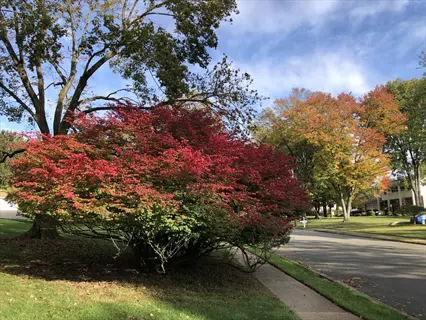
Chicago Fire
- Mature Size: Grows to approximately 8 to 10 feet (2.4 to 3 meters) tall with a broadly rounded form similar to the straight species but with reportedly more consistent coloring.
- Fall Color: Selected specifically for intense, reliable red fall color that holds longer into the season compared to unnamed seedling-grown burning bush available at budget nurseries.
- Growth Habit: Develops the characteristic dense branching and corky-winged stems of the species with a slightly more uniform shape than wild-type specimens.
- Best Use: Chosen for landscapes where consistent fall performance matters, such as commercial properties, municipal plantings, and formal garden borders requiring uniform appearance.
- Invasive Risk: Produces viable seeds at the same rate as the standard species, so all state restrictions that apply to Euonymus alatus also apply to this named cultivar.
- Maintenance Needs: Benefits from occasional thinning cuts to maintain good air flow and responds well to hard rejuvenation pruning if the shrub becomes overgrown or leggy.
Pipsqueak
- Mature Size: Stays very compact at 3 to 5 feet (0.9 to 1.5 meters) tall and wide, bred as a miniature option for gardeners who want burning bush appeal in a tiny package.
- Fall Color: Delivers bright red autumn foliage on a small frame, with the dense leaf coverage making even this tiny cultivar a noticeable accent in fall garden displays.
- Growth Habit: Maintains a naturally rounded, dense shape without much intervention, developing the signature corky wings on stems that add winter interest after leaf drop.
- Best Use: Perfect for small urban gardens, edging along walkways, or planting in groups of three to five for a low-growing mass of fall color in front of taller shrubs.
- Invasive Risk: Despite its small stature, Pipsqueak still produces seeds that birds can disperse, so check local regulations before purchasing this or any burning bush cultivar.
- Maintenance Needs: Needs very little pruning due to its compact nature and slow to moderate growth rate, making it a good low-effort option for busy homeowners.
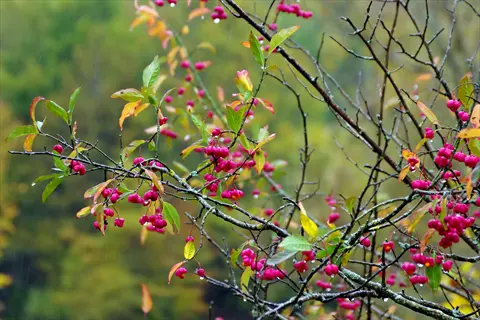
Apterus (Wingless)
- Mature Size: Reaches approximately 6 to 8 feet (1.8 to 2.4 meters) tall, falling between the standard species and compact varieties in overall landscape presence.
- Unique Feature: Lacks the characteristic corky wings on its stems that define most burning bush varieties, giving branches a smoother, cleaner appearance year-round.
- Fall Color: Still produces the red fall foliage typical of the species, though some growers report slightly less intense coloring compared to the heavily winged standard form.
- Best Use: Chosen by gardeners and designers who prefer a cleaner branch profile for winter interest and do not want the textured bark typical of other burning bush types.
- Invasive Risk: Produces viable seeds just like other fertile varieties, so the lack of corky wings does not reduce its potential to spread into natural areas via bird dispersal.
- Maintenance Needs: Similar care requirements to the standard species including well-drained soil, occasional pruning, and monitoring for euonymus scale and spider mite infestations.
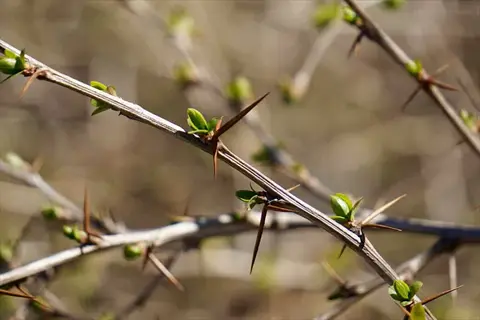
Monstrosus (Large-Winged)
- Mature Size: Grows 6 to 10 feet (1.8 to 3 meters) tall with a spreading habit, selected specifically for its exaggerated corky wing development along every stem and branch.
- Unique Feature: Displays the most prominent corky wings of any cultivar, with ridges extending up to half an inch from the stem, creating dramatic winter texture after leaves drop.
- Fall Color: Produces vivid red autumn foliage similar to the standard species, with the added bonus of extremely textured bark visible throughout the dormant winter months.
- Best Use: Best used as a specimen or focal point plant where its unusual bark texture can be appreciated up close, particularly in winter garden designs needing structural interest.
- Invasive Risk: Like all fertile burning bush varieties, Monstrosus produces viable seeds dispersed by birds, so the same state restrictions and ecological concerns apply fully.
- Maintenance Needs: The heavy wing growth can trap moisture and debris, so periodic cleaning of lower branches and monitoring for fungal issues helps keep this cultivar healthy.
The sterile cultivars represent a big shift in how we think about this plant. If you love the look but worry about the spread, Fire Ball Seedless is your best option right now.
Growing and Care Essentials
Burning bush care is simple once you know what this shrub needs to thrive. I've watched mine survive droughts, ice storms, and total neglect for months at a time. That toughness is great for your yard but it's also why this plant takes over in the wild.
Before planting burning bush, check your USDA hardiness zones first. This shrub grows best in zones 4 through 8. It handles full sun to full shade, but full sun gives you the best red fall color. You'll want well-drained soil with a pH between 6.0 and 7.5. The Wisconsin DNR also notes high salt tolerance, so roadside spots work fine.
The soil requirements here are forgiving. I've seen burning bush grow in heavy clay, sandy patches, and rocky slopes with no trouble. Just keep it out of standing water and you'll be fine. Give new plants about 1 inch of water per week until they settle in.
For the best fall show, feed your shrub with a balanced fertilizer in early spring. Skip the summer feeds since they push soft growth that won't harden before frost. Plant in the fall or early spring so roots have time to set before the heat arrives.
Pruning and Maintenance
Burning bush pruning is the one topic that every other guide skips over. I learned the hard way that timing matters more than technique with this shrub. Cut at the wrong time and you get a mess of weak shoots that ruin the shape. Cut at the right time and the plant fills back in fast.
The key thing to know about when to prune burning bush is that this plant resprouts from dormant buds after every cut. Penn State Extension warns that mowing alone causes aggressive regrowth. That same energy works in your favor when you do rejuvenation pruning in late winter. Below is a season by season guide for shaping burning bush and keeping it tidy.
Late Winter Heavy Pruning
- Timing: Perform major structural cuts in late February through early March while the shrub is still fully dormant and before new spring growth begins pushing out.
- Technique: Remove up to one-third of the oldest and thickest stems at ground level to open the interior and encourage fresh growth from the base of the plant.
- Rejuvenation Method: For severely overgrown shrubs, cut the entire plant back to 6 to 12 inches (15 to 30 cm) above ground level and allow it to regrow over two full seasons.
Late Spring Light Shaping
- Timing: Shape hedges and formal plantings in late May to early June after the first flush of spring growth has hardened off and new leaves have fully expanded.
- Technique: Use hand pruners or hedge shears to trim back new growth by 2 to 4 inches (5 to 10 cm), following the natural rounded form of the shrub for a neat appearance.
- Caution: Avoid shearing into old wood during this period, as the plant puts energy into new foliage and cutting too deep can leave unsightly bare patches until next season.
Midsummer Maintenance Checks
- Timing: Inspect shrubs in July for dead, crossing, or diseased branches and remove them promptly to prevent pest problems and improve air circulation through the canopy.
- Technique: Make clean cuts just above an outward-facing bud or at the branch collar to promote proper healing and direct new growth away from the center of the plant.
- Pest Watch: Check for euonymus scale on stems and spider mites on leaf undersides during summer inspections, as early detection prevents larger infestations later in the season.
Fall and Early Winter Rest
- Timing: Stop all pruning by mid-September to avoid stimulating tender new growth that cannot harden off before winter freezes arrive in zones 4 through 6.
- Exception: You may remove broken or storm-damaged branches at any time of year, as leaving ragged breaks creates entry points for disease and weakens the overall structure.
- Planning Ahead: Use the fall color display period to assess the shrub shape and mark branches for removal during the upcoming late winter pruning session.
For hedge trimming, you'll get the best results with 2 cuts per year: one heavy cut in late winter and one light shaping after spring growth. Skip the fall cuts since your bush needs that time to prepare for cold weather.
Invasive Concerns and Bans
The burning bush invasive problem goes far beyond a vague label. One Illinois prairie had 7,809 stems per hectare based on USDA Forest Service records. That's not a mild nuisance. That's a total takeover of land where woody plants had been rare.
Birds eat the small red fruits and spread seeds into forests, fields, and roadsides. Each fruit holds up to 4 seeds, and viability stays at 38% after 3 months in the soil. The numbers drop to just 2% at the 12 month mark, but fresh seeds arrive every fall. Deer won't eat this plant either, which gives it a deer resistant edge over native shrubs that get browsed down.
As of 2006, the USDA counted 21 states classified as invaded by this invasive species. At least 6 states have since passed outright banned states legislation. The table below shows where things stand right now. Ohio rated it as having high potential for continued spread in 2022, yet still hasn't banned it. The ecological impact of dense thickets keeps pushing more states toward action.
Check your local laws before you buy or plant any burning bush. The bird seed dispersal alone makes it a threat. Fines vary by state, and more bans are in the works as the damage data keeps growing.
Native Alternatives Compared
You don't have to give up fall color after removing a burning bush. These 7 burning bush alternatives give you the same drama plus real wildlife value. I've grown native alternatives like red chokeberry and fragrant sumac in my own yard. My winterberry holly replaced a burning bush spot 3 years ago.
Doug Tallamy's research shows that native shrubs fall color picks support far more caterpillar species. A single clutch of chickadees needs 6,000 to 9,000 caterpillars to fledge. Your yard does more for birds with a native bush than with a burning bush. I matched each pick below to the use case it replaces best in your landscape.
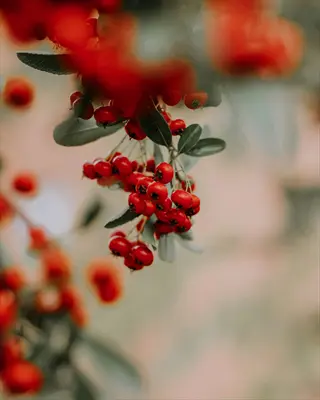
Red Chokeberry (Aronia arbutifolia)
- Fall Color: Produces brilliant red to orange-red autumn foliage that rivals burning bush in intensity, with the added bonus of persistent bright red berries lasting into winter.
- Mature Size: Grows 6 to 10 feet (1.8 to 3 meters) tall and 3 to 6 feet (0.9 to 1.8 meters) wide, making it a close size match for the standard burning bush in landscapes.
- Hardiness Zones: Thrives in USDA zones 4 through 9, covering an even wider range than burning bush and performing well in both cold northern winters and warm southern climates.
- Wildlife Value: Berries feed over 20 species of songbirds through winter, and the flowers support native pollinators in spring, far exceeding burning bush ecological contributions.
- Growing Conditions: Prefers full sun to partial shade in moist, acidic to neutral soil but tolerates wet feet better than burning bush, making it useful near ponds and low spots.
- Best Replacement For: Standard burning bush used as a specimen or informal hedge where fall color and year-round interest are the primary landscape goals for the planting area.
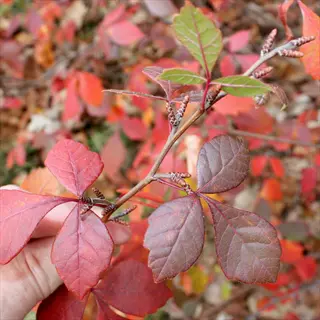
Fragrant Sumac (Rhus aromatica)
- Fall Color: Turns vivid shades of orange, red, and scarlet in autumn, often displaying multiple colors simultaneously on the same plant for a spectacular multicolored fall display.
- Mature Size: Reaches 2 to 6 feet (0.6 to 1.8 meters) tall and spreads 6 to 10 feet (1.8 to 3 meters) wide, offering a low and wide profile different from the upright burning bush form.
- Hardiness Zones: Hardy in USDA zones 3 through 9, tolerating colder winters than burning bush and performing well in challenging exposed sites with harsh winter winds.
- Wildlife Value: Fuzzy red berries feed birds and small mammals, aromatic foliage deters deer browsing, and spring flowers attract early-season pollinators emerging from dormancy.
- Growing Conditions: Extremely adaptable to poor, dry, rocky soils and full sun locations where other shrubs struggle, making it excellent for slopes, hillsides, and erosion-prone areas.
- Best Replacement For: Compact or dwarf burning bush used in mass plantings, ground cover applications, and slope stabilization where low maintenance and drought tolerance matter most.
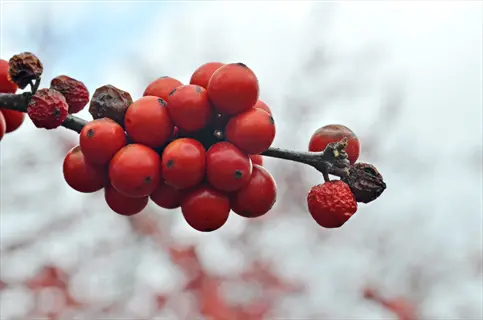
Winterberry Holly (Ilex verticillata)
- Winter Display: Drops its leaves in fall to reveal dense clusters of bright red berries coating every stem, creating one of the most dramatic winter displays of any native shrub.
- Mature Size: Grows 6 to 10 feet (1.8 to 3 meters) tall and wide, comparable in scale to the standard burning bush and filling a similar footprint in residential landscapes.
- Hardiness Zones: Thrives in USDA zones 3 through 9, tolerating colder climates and wetter soils than burning bush, which makes it versatile across most of the eastern United States.
- Wildlife Value: Berries provide critical winter food for over 48 bird species including robins, cedar waxwings, and bluebirds during the months when other food sources are scarce.
- Growing Conditions: Prefers acidic, moist to wet soil in full sun to partial shade, and both a male and female plant are needed within 40 feet (12 meters) for berry production.
- Best Replacement For: Burning bush used as a focal point or specimen where seasonal interest is the primary design goal, trading fall leaf color for spectacular winter berry displays.
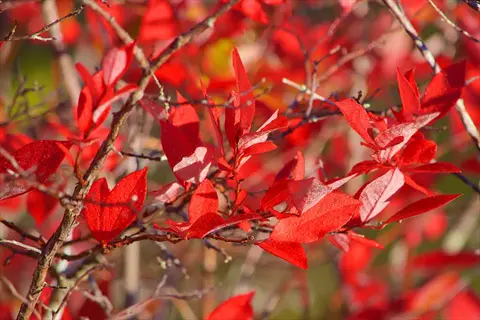
Highbush Blueberry (Vaccinium corymbosum)
- Fall Color: Turns brilliant shades of red, orange, and burgundy in autumn, providing fall color equal to burning bush with the significant bonus of edible blueberry fruit in summer.
- Mature Size: Grows 6 to 12 feet (1.8 to 3.7 meters) tall depending on cultivar, with an upright to spreading habit that works well as an informal hedge or mixed border planting.
- Hardiness Zones: Hardy in USDA zones 3 through 8, matching the burning bush range almost exactly while offering far greater ecological and practical value for homeowners.
- Wildlife Value: Berries feed over 40 bird species, flowers support native bees and butterflies, and the dense branching provides nesting habitat that burning bush cannot match.
- Growing Conditions: Requires acidic soil with a pH of 4.5 to 5.5, consistent moisture, and full sun for best fruit production, needing more specific conditions than adaptable burning bush.
- Best Replacement For: Burning bush hedgerows and border plantings where the gardener wants both ornamental beauty and a productive food harvest from the same landscape investment.
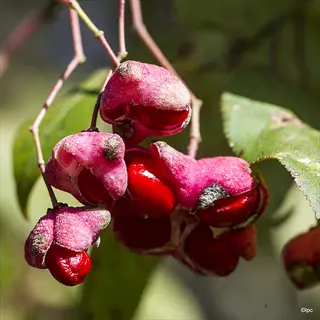
Eastern Wahoo (Euonymus atropurpureus)
- Fall Color: Turns yellow to reddish-purple in autumn with showy pink to red seed capsules that split open to reveal orange-coated seeds, providing multi-season ornamental interest.
- Mature Size: Reaches 10 to 20 feet (3 to 6 meters) tall as a large shrub or small tree, larger than most burning bush varieties and better suited to naturalized woodland edges.
- Hardiness Zones: Hardy in USDA zones 3 through 7, native to eastern North America, and perfectly adapted to the same forest understory habitats that invasive burning bush threatens.
- Wildlife Value: Supports native insect communities including specialist caterpillars that cannot survive on the Asian burning bush, contributing to healthier local food webs for songbirds.
- Growing Conditions: Prefers partial shade in moist, well-drained soil and tolerates heavier clay soils than many alternatives, fitting naturally into woodland garden designs and shaded borders.
- Best Replacement For: Burning bush growing in naturalized or woodland settings where a same-genus native species provides ecological continuity and familiar growth characteristics.
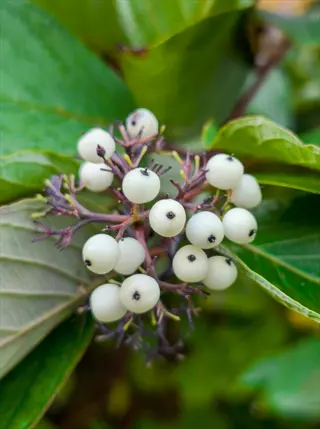
Silky Dogwood (Cornus amomum)
- Fall Color: Turns reddish-purple in autumn with blue-white berry clusters and reddish stems that provide winter interest, offering three-season appeal beyond the single fall color of burning bush.
- Mature Size: Grows 6 to 10 feet (1.8 to 3 meters) tall and wide with a rounded, suckering habit that forms naturalistic clumps ideal for informal hedges and habitat plantings.
- Hardiness Zones: Hardy in USDA zones 4 through 8, matching the burning bush range exactly and thriving in the same eastern and midwestern landscapes where burning bush is most invasive.
- Wildlife Value: Blue berries feed over 30 bird species, stems provide nesting material, and flowers support native pollinators, making it vastly more ecologically productive than burning bush.
- Growing Conditions: Tolerates wet to average soil moisture, partial shade to full sun, and periodic flooding, performing well in rain gardens and low areas where burning bush would struggle.
- Best Replacement For: Burning bush used in naturalized borders, rain gardens, and riparian buffer plantings where moisture tolerance and wildlife support are higher priorities than formal appearance.
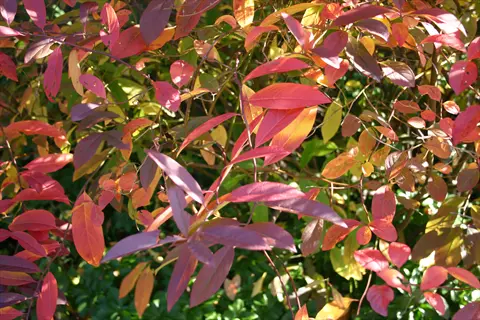
Virginia Sweetspire (Itea virginica)
- Fall Color: Produces stunning garnet-red to burgundy autumn foliage that persists well into December in milder climates, often outlasting burning bush color by several weeks each year.
- Mature Size: Reaches 3 to 6 feet (0.9 to 1.8 meters) tall and wide with a graceful arching habit, making it a perfect substitute for compact or dwarf burning bush varieties.
- Hardiness Zones: Hardy in USDA zones 5 through 9 with a preference for warmth and moisture, best suited to the southeastern and mid-Atlantic states where burning bush also thrives.
- Wildlife Value: Fragrant white flower spikes in early summer attract butterflies, bees, and hummingbirds, providing pollinator support that the inconspicuous burning bush flowers cannot match.
- Growing Conditions: Prefers moist to wet acidic soil in full sun to partial shade and spreads by root suckers to form attractive colonies, tolerating conditions too wet for burning bush.
- Best Replacement For: Compact burning bush in foundation plantings and mixed borders where long-lasting fall color, fragrant summer flowers, and a graceful form improve seasonal interest.
Troubleshooting Common Issues
Most burning bush problems come down to 3 things: wrong light, too much water, or pests you didn't catch in time. I've seen people spray for disease when the real issue was just too much shade blocking the fall color. Euonymus scale and powdery mildew cause the worst damage when you let them go unchecked.
Below is a quick guide that matches what you see on your plant to what's causing it. Look for yellowing leaves, brown leaf tips, or a shrub that's not turning red. Ohio State Extension notes that treated areas need monitoring for at least 2 years to confirm the fix worked.
Leaves Not Turning Red in Fall
- Most Likely Cause: The shrub is planted in too much shade, which prevents the full development of red pigments that require strong sunlight exposure during the shortening days of autumn.
- Quick Fix: If possible, remove overhanging tree branches to increase sunlight reaching the burning bush, or plan to transplant it to a sunnier location during the next dormant season.
- Prevention: Plant burning bush in a spot receiving at least 6 hours of direct sunlight daily for the most intense and consistent red fall foliage color every year without exception.
Brown or Crispy Leaf Edges
- Most Likely Cause: Drought stress or salt damage from road treatments during winter causes leaf margins to dry out and turn brown, especially on shrubs planted near driveways and sidewalks.
- Quick Fix: Water deeply once per week during dry spells, applying 1 inch (2.5 cm) of water at the root zone, and flush salt-affected soil with generous irrigation in early spring.
- Prevention: Apply 2 to 3 inches (5 to 7.5 cm) of organic mulch around the base to retain soil moisture and buffer against salt concentration in the root zone throughout the year.
White Coating on Leaves
- Most Likely Cause: Powdery mildew fungus creates a white dusty coating on leaf surfaces, thriving in humid conditions with poor air circulation common in dense, unpruned burning bush hedges.
- Quick Fix: Improve air flow by thinning interior branches, and apply a horticultural oil or sulfur-based fungicide at the first sign of white patches appearing on the foliage.
- Prevention: Space plants according to mature width recommendations, prune annually to maintain good air circulation, and water at the base rather than overhead to keep foliage dry.
Scale Insects on Stems
- Most Likely Cause: Euonymus scale appears as tiny white or brown bumps clustered along stems and leaf undersides, sucking plant sap and causing yellowing, leaf drop, and branch dieback.
- Quick Fix: Apply horticultural oil spray during the dormant season to smother overwintering scales, and follow with a targeted insecticide application when crawlers emerge in late spring.
- Prevention: Inspect new plants carefully before purchasing, avoid over-fertilizing with nitrogen which promotes soft growth attractive to scale, and maintain natural predator populations in the garden.
Regrowth from Cut Stumps
- Most Likely Cause: Burning bush resprouts aggressively from root crowns after cutting, with new shoots appearing within weeks from dormant buds at and below the cut surface of the stump.
- Quick Fix: Apply a triclopyr-based herbicide (20 to 30% concentration) directly to the freshly cut stump surface within 15 minutes of cutting, as Ohio State Extension recommends.
- Prevention: Plan removal projects for late summer through fall when herbicide translocation to roots is most effective, and monitor treated areas for at least two full growing seasons afterward.
When I first spotted brown leaf tips on my own burning bush, I wasted weeks treating for disease. Turns out the road salt from winter plowing was the real cause. Always check the simple stuff before you spend money on sprays.
5 Common Myths
Dwarf burning bush varieties like Compactus are not invasive because they are smaller and produce fewer seeds than the standard species.
Compact cultivars still produce viable seeds that birds spread into natural areas, and several states include Compactus in their invasive restrictions.
Cutting a burning bush down to the ground will kill it permanently without any further treatment needed.
Burning bush resprouts aggressively from root crowns after cutting, so herbicide must be applied to the cut stump immediately for effective removal.
Burning bush is safe to plant as long as you keep it pruned and remove the berries before birds eat them.
Even diligent gardeners cannot collect every berry, and the shrub also spreads through root suckering and layering when stems touch the ground.
Burning bush is native to North America and has always been part of the natural landscape in eastern forests.
Burning bush is native to northeastern Asia and was introduced to the United States in 1862 as an ornamental landscape plant.
All burning bush shrubs turn brilliant red every fall regardless of where they are planted or how much sunlight they receive.
Fall color intensity depends on sunlight exposure, with shrubs in full sun producing the most vibrant red and those in heavy shade often turning muted pink or staying green.
Conclusion
The burning bush shrub remains one of the most striking plants you can put in a yard. That fall color is hard to match, and I get why so many people still love it. But the data is clear. With 21 states invaded and 6 outright bans in place, this plant needs careful thought before you add it to your landscape.
If you already own one, good care and pruning keep it healthy and looking great. You don't have to feel guilty about the one in your front yard. But responsible gardening means knowing the facts and making smart choices going forward. Watch for new sterile cultivars like Fire Ball Seedless that give you the same red show without the seed spread.
Ready to swap? The native alternatives in this guide give you equal or better fall color. They also help birds and pollinators thrive in your yard. I tested several of them in my own garden and they held up great over the years.
The conversation around this plant is shifting. It's no longer all or nothing. You can enjoy brilliant fall color and still do right by your local ecosystem. Check your state laws, pick the right variety or native swap, and you'll have a yard that looks amazing every autumn.
External Sources
Frequently Asked Questions
Is the burning bush a good shrub?
Burning bush offers brilliant red fall color and low maintenance, but it is classified as invasive in 21 states and banned in several more.
Why can't you buy a burning bush anymore?
States like Massachusetts, Pennsylvania, New Hampshire, Vermont, Maine, and Delaware have banned or restricted sales because burning bush spreads aggressively into natural areas.
Where is the best place to plant a burning bush?
Plant in well-drained soil with a pH of 6.0 to 7.5 in full sun for the most intense fall color, though it tolerates partial to full shade.
How big will a burning bush get?
Standard burning bush grows 8 to 10 feet (2.4 to 3 meters) tall and wide, while compact varieties like Compactus reach about 6 feet (1.8 meters).
Should I remove a burning bush?
If you live near natural areas or in a state where it is listed as invasive, removing your burning bush helps protect native ecosystems.
What is special about the burning bush?
Its brilliant scarlet to crimson fall foliage, distinctive corky-winged stems, and extreme adaptability make burning bush one of the most recognizable landscape shrubs.
What is the problem with the burning bush plant?
Burning bush produces thousands of bird-dispersed seeds, forms dense thickets that displace native plants, and is unpalatable to deer, giving it a competitive advantage.
What are the negative effects of the burning bush?
It reduces biodiversity by outcompeting native understory plants, alters forest structure, and provides little nutritional value to native insects and wildlife.
What does a burning bush look like in summer?
In summer, burning bush has dense dark green elliptical leaves with finely serrated edges, inconspicuous greenish-yellow flowers, and distinctive corky ridges along its stems.
What pairs well with a burning bush?
Ornamental grasses, evergreen shrubs like boxwood, and perennials such as hostas and black-eyed Susans complement burning bush throughout the seasons.