
Introduction
Bobo hydrangea covers itself in white flower panicles from the soil line all the way to the tips of every branch. Each panicle holds about 856 sterile blooms that last roughly four months on the plant. No other dwarf panicle hydrangea puts on this kind of show in such a small package.
Dr. Johan Van Huylenbroeck bred this compact flowering shrub in Belgium back in 2003. He grew it from open pollination of the popular Pink Diamond variety. The result was a plant that stays just 2 to 3 feet tall while the typical panicle hydrangea species grows 8 to 25 feet high.
I first planted Bobo in my own garden 6 years ago. The Chicago Botanic Garden had just tested 45 panicle hydrangea types over 20 years. That hard data gave me the push I needed. Since then I've grown Bobo in containers, borders, and mass plantings to learn what works.
This guide covers planting, seasonal care, companion plants, and pest control. You'll also get an honest comparison of Bobo against other top cultivars. That way you can decide if this shrub fits your garden best.
Bobo Hydrangea Plant Profile
Look for the tag name Hydrangea paniculata Ilvobo at your local shop. The US Plant Patent lists this shrub at about 60 cm tall and 50 cm wide. In your garden the bobo hydrangea size runs closer to 2 to 3 feet tall and 3 to 4 feet wide. Plants keep growing well past the patent testing stage.
Each flower panicle measures about 27 cm tall and 16 cm wide based on patent data. Inside those panicles you'll find around 856 sterile blooms and 1,112 fertile flowers. The sterile blooms start out white and shift to pink then red purple over about 4 months on the plant.
This cold hardy hydrangea handles temps from negative 30°C to 38°C. Some sources list zones 3 through 8 while Proven Winners says 3a through 9b. I've grown this panicle hydrangea through brutal winters in Zone 4 without losing a single plant. The University of Guelph gave Bobo its 2020 Consumer Top Hydrangeas award, which tells you it holds up well for home growers.
Growing and Planting Bobo
When you learn how to plant bobo hydrangea the right way, you save yourself months of trouble down the road. Pick a spot that gets at least 6 hours of full sun each day. Too much shade means fewer blooms and weak stems that flop over. If you live in a hot zone, give your plant some afternoon shade to keep the leaves from scorching.
Bobo needs well-draining soil to stay healthy. Waterlogged ground leads to root rot fast. Aim for a soil pH between 5.8 and 6.2 for the best results. Unlike macrophylla types, soil pH won't change your Bobo flower color. The blooms go from white to pink no matter what your soil reads on a test kit.
In my experience this full sun hydrangea is one of the toughest shrubs I've tested. NC State Extension notes that it handles air pollution, salt, and city conditions with ease. The Chicago Botanic Garden grew it in clay loam soil at pH 7.4 with no fertilizer or mulch. That tells you Bobo can take a beating and still bloom.
Space your plants 48 to 60 inches apart so they have room to fill out. Dig a hole twice as wide as the root ball but no deeper than the top of the roots. Water it in well and add a 3 inch layer of mulch around the base. Good bobo hydrangea care starts with getting these basics right on planting day.
Give your new plant about 1 inch of water each week during the first growing season. A drip line or soaker hose works better than overhead watering because it keeps the leaves dry. Wet foliage invites fungal problems that you don't want to deal with later in the summer months.
Seasonal Care Calendar
Pruning bobo hydrangea at the right time makes the biggest difference in how many blooms you get each year. This shrub blooms on new wood, so every flower forms on stems that grow in the current season. That means late winter pruning won't cost you a single bloom. The Chicago Botanic Garden found that cutting stems back by 50% each year did not reduce flowering at all.
In my experience a simple 4 season schedule that keeps my Bobo plants healthy with the least effort. Fertilizing hydrangea too late in the year pushes soft growth that can't survive frost. Deadheading hydrangea blooms is optional since the dried flowers last for months and add winter interest to your yard. Here's what your year should look like for solid hydrangea winter care and beyond.
Spring: Pruning and Feeding
- Pruning: Cut all stems back to about 50% of their height in late winter or early spring before new buds break, using sharp bypass pruners for clean cuts.
- Fertilizing: Apply a balanced slow-release fertilizer once in early spring as new leaves emerge to support the season's growth without excess nitrogen.
- Inspection: Check the base of the plant for any winter damage, removing dead or broken branches down to the nearest healthy bud point.
Summer: Watering and Blooming
- Watering: Provide about 1 inch (2.5 centimeters) of water per week through drip irrigation or a soaker hose, adjusting upward during heat waves above 32 degrees Celsius (90 degrees Fahrenheit).
- Monitoring: Watch for the white-to-pink color transition that typically begins by mid-August, signaling the natural aging process of the roughly 856 sterile flowers per panicle.
- Mulching: Maintain a 3 inch (7.5 centimeter) layer of organic mulch around the base to retain moisture and regulate soil temperature during peak summer heat.
Fall: Preparing for Dormancy
- Deadheading: Leave dried flower heads on the plant through fall and winter for ornamental interest, as the sterile blooms persist attractively for months.
- Watering: Gradually reduce watering frequency as temperatures drop, but do not let the root zone dry out completely before the ground freezes.
- Cleanup: Remove fallen leaves and debris from around the base to reduce the risk of fungal issues like the leaf spot observed in the Chicago Botanic Garden trial.
Winter: Protection and Rest
- Mulching: Add a fresh 3 to 4 inch (7 to 10 centimeter) layer of mulch over the root zone before the first hard frost to insulate roots in exposed locations.
- Frost protection: In the coldest parts of Zone 3, consider wrapping the base with burlap during the first winter after planting until the root system is fully established.
- Planning: Use the dormant season to evaluate plant placement and plan any companion plantings or garden design changes for the coming spring.
Landscape Design Ideas
Bobo works as a small garden hydrangea in spots where bigger shrubs just won't fit. Plant it along a garden border or in a pollinator garden. It also makes a great container hydrangea on your patio. I've used it as a low hedge along a front walkway and it looked great from spring through late fall.
For container growing, pick a pot that's at least 18 inches wide with good drainage holes. Use a mix of potting soil and compost. Move your container hydrangea to a sheltered spot or garage for the winter months so the roots don't freeze solid. The best bobo hydrangea companion plants add texture and color that this shrub can't provide on its own.
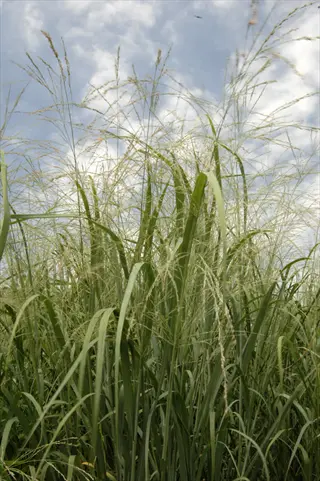
Heavy Metal Switchgrass
- Contrast: The upright, steely blue blades of this ornamental grass create a striking textural contrast against the rounded white panicles of Bobo hydrangea throughout the growing season.
- Height: Growing 3 to 5 feet (90 to 150 centimeters) tall, Heavy Metal Switchgrass provides a vertical backdrop that makes the compact Bobo look even more dramatic in border plantings.
- Seasons: This grass offers four-season interest with blue-green summer foliage, golden fall color, and tan winter seed heads that pair well with dried Bobo flower panicles.
- Care: Both plants thrive in full sun to partial shade and prefer moist, well-draining soil, making them easy to grow side by side without conflicting care requirements.
- Spacing: Plant switchgrass about 24 inches (60 centimeters) behind or beside Bobo to allow both plants room to reach their full spread without overcrowding each other.
- Wildlife: Switchgrass provides shelter and food for birds during winter while both plants together attract a wider range of beneficial insects to the garden.
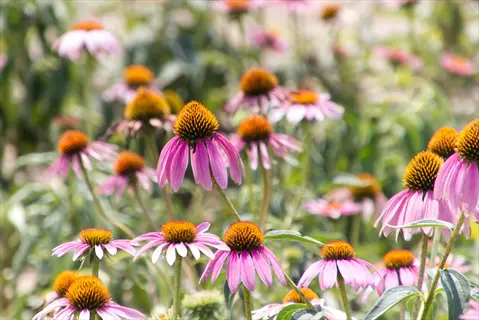
Purple Coneflower
- Color harmony: The pink-purple petals of Echinacea purpurea echo the late-summer pink tones that Bobo hydrangea panicles develop as they age from white to pink starting in mid-August.
- Pollinators: Coneflowers are among the best pollinator plants in temperate gardens, attracting butterflies and bees that also visit Bobo hydrangea fertile flowers for nectar and pollen.
- Bloom overlap: Purple coneflower blooms from June through September, overlapping well with Bobo hydrangea July through September bloom season for continuous garden color.
- Height pairing: At 2 to 5 feet (60 to 150 centimeters) tall, coneflowers work as mid-level companions that bridge the height between low Bobo hydrangeas and taller background plantings.
- Maintenance: Both plants prefer similar soil conditions and full sun exposure, and neither requires heavy feeding, creating a low-effort pairing for busy gardeners.
- Cutting garden: Both Bobo panicles and coneflower stems make excellent cut flowers, giving you a built-in bouquet source from a single garden bed throughout the summer months.
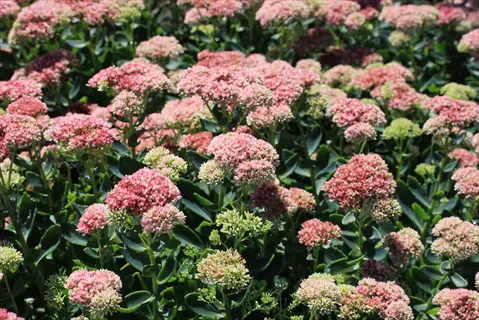
Autumn Joy Stonecrop
- Season extension: Autumn Joy Sedum blooms in September and October just as Bobo hydrangea panicles are deepening from pink to red-purple, creating a warm-toned fall display together.
- Drought tolerance: Stonecrop handles dry spells better than hydrangea, making it a reliable companion that stays attractive even if watering is inconsistent during late summer heat.
- Texture contrast: The thick, succulent leaves of Autumn Joy create a bold textural counterpoint to the delicate lace-like panicles and thin leaves of the Bobo hydrangea plant.
- Winter interest: Dried Autumn Joy flower heads turn copper-brown and persist through winter alongside dried Bobo panicles, giving the garden structure when most other plants are dormant.
- Low border: At 18 to 24 inches (45 to 60 centimeters) tall, Autumn Joy works great as a foreground planting in front of the slightly taller Bobo hydrangea in layered beds.
- Soil needs: Both plants prefer well-draining soil, though stonecrop tolerates poorer and sandier conditions, making this combination adaptable to a range of garden soil types.
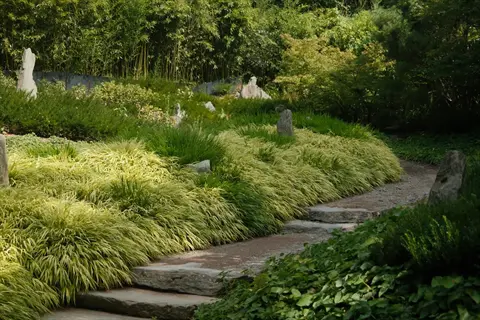
Japanese Forest Grass
- Shade partner: Hakonechloa macra thrives in partial shade alongside Bobo hydrangea, making this pair ideal for garden spots that receive morning sun and afternoon shade.
- Movement: The cascading golden-green blades of Japanese forest grass add gentle motion and flow at the base of Bobo, softening the hydrangea's mounded habit with graceful texture.
- Color complement: The chartreuse to gold foliage of Aureola varieties creates a luminous contrast against Bobo white flowers that catches the eye in shaded garden corners.
- Size balance: Growing just 12 to 18 inches (30 to 45 centimeters) tall, this grass serves as an ideal groundcover or edging plant that never competes with Bobo for visual attention.
- Moisture needs: Both plants appreciate consistent moisture and organic-rich soil, making them compatible partners that share the same watering schedule without adjustment.
- Fall display: Japanese forest grass turns copper-pink in autumn, harmonizing with the aging pink and red-purple tones of Bobo panicles for a coordinated seasonal color shift.
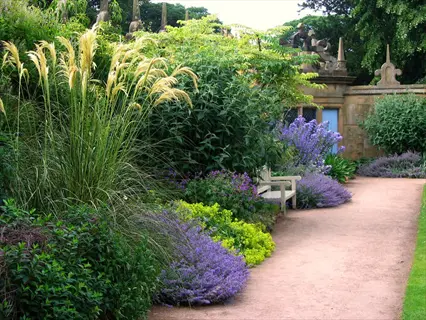
Catmint Walker's Low
- Color contrast: The lavender-blue flower spikes of Nepeta contrast well with Bobo white panicles, creating a classic cool-toned color combination that suits cottage and formal gardens alike.
- Long bloom: Catmint flowers from late spring through fall with regular deadheading, providing continuous color in the garden before, during, and after Bobo hydrangea peak bloom season.
- Fragrance: The aromatic silver-green foliage of catmint releases a pleasant minty scent when brushed, adding a sensory dimension that complements Bobo visual appeal in pathway plantings.
- Deer resistance: While Bobo hydrangea has limited deer resistance, catmint is a strong deer and rabbit repellent, making this combination a practical choice for gardens with wildlife pressure.
- Edging plant: At 24 to 36 inches (60 to 90 centimeters) tall and wide, catmint forms a billowy edge in front of or beside Bobo without blocking the hydrangea from view.
- Low maintenance: Catmint is drought tolerant once established and rarely suffers from pests or diseases, balancing Bobo slightly higher moisture needs with overall easy garden care.
Your hydrangea landscape design looks best when you mix textures and bloom times. Place taller companions behind Bobo and low growers in front to build layers that draw the eye through the bed. This approach gives you color from late spring through winter in one simple planting scheme.
Bobo Versus Other Cultivars
Choosing the best dwarf panicle hydrangea means knowing how each cultivar stacks up in real tests. The Chicago Botanic Garden ran a 20 year trial on 45 types. Bobo did not earn the top 5 star rating, but several dwarf hydrangea alternatives did. In my experience growing all of these, here's how Bobo compares to the top rated picks.
In the bobo vs little lime debate, size is the main factor. Little Lime grows 3 to 5 feet tall while Bobo stays under 3 feet. Little Lime earned a 5 star rating in the trial thanks to its lime green blooms and strong growth. If you want the smallest option for a tight space, Bobo wins. For a bigger show of color, Little Lime is your pick.
The bobo vs limelight question is about scale. Limelight reaches 6 to 8 feet tall with the largest panicles of any cultivar in the trial. It earned a top rating. Bobo gives you similar white to pink blooms in a fraction of the space. I've planted both in the same yard and Limelight works as a backdrop while Bobo fills the front border.
Little quick fire hydrangea is another strong choice that earned 5 stars. It blooms earlier than Bobo and shifts from white to red faster. Dr. Johan Van Huylenbroeck, the breeder who made Bobo, also created Pinky Winky. Both of his cultivars are garden favorites but they serve very different spaces in your yard.
Common Pests and Diseases
The US Patent for Bobo states that this plant has no built in resistance to common hydrangea pests or diseases. That means hydrangea disease prevention is up to you. In my experience catching these issues fast is the key to saving your plant.
If you spot brown or black circles on the leaves, you're looking at leaf spot. The Chicago Botanic Garden saw severe leaf spot on Bobo in 2017. It was one of just 4 types hit that year out of 45 tested. Pull off infected leaves and stop watering from above. A copper based spray can help stop the spread if you catch it early.
White powder on leaves means powdery mildew, which is common on Bobo hydrangea pests lists for good reason. NC State Extension also notes that this species can get rust, bud blight, and bacterial wilt. Good air flow around the plant cuts your risk. Space plants 48 to 60 inches apart and prune out dense inner branches each spring.
Aphids are the most common bug problem you'll face with Bobo. They cluster on new growth and suck the sap from tender stems. A strong blast of water from your hose knocks them off fast. For heavy infestations, spray with insecticidal soap every few days until they clear up. Spider mites and beetles can show up too but they cause less damage in most gardens.
Your best defense is keeping the plant healthy in the first place. Water at the base, clean up fallen leaves in fall, and inspect new growth each week during the season. These simple habits keep most problems from getting a foothold in your garden.
5 Common Myths
You can change Bobo hydrangea flower color from white to blue by adding aluminum sulfate to the soil.
Bobo is a panicle hydrangea whose flower color is not affected by soil pH or aluminum levels. Only macrophylla hydrangeas change color based on soil chemistry.
Bobo hydrangea stays exactly 2 to 3 feet tall without any pruning or maintenance needed.
Without regular pruning, Bobo can grow significantly larger than its listed size, with some gardeners reporting plants reaching up to 6 feet (1.8 meters) tall.
Bobo hydrangea is safe for pets and children to touch and ingest without any health concerns.
All parts of Bobo hydrangea are poisonous to humans, cats, dogs, and horses according to NC State Extension records. Keep children and pets from eating any plant parts.
Pruning Bobo hydrangea in late winter will remove all the flower buds and prevent blooming that summer.
Bobo blooms on new wood grown in the current season, so late winter pruning actually encourages stronger stems and more abundant flowers.
Bobo received the highest five-star rating from the Chicago Botanic Garden twenty-year comparative trial.
Bobo did not receive a five-star rating in the trial. Cultivars like Limelight, Little Lime, and Little Quick Fire earned the top marks instead.
Conclusion
Bobo hydrangea stands out from other panicle types for a few clear reasons. Its compact size keeps it under 3 feet tall. The stems stay upright without flopping over. And the blooms cover the plant from the soil line to the very top of every branch.
This compact panicle hydrangea didn't earn the top rating in the Chicago Botanic Garden trial. But that trial tested traits across all garden sizes. For tight spots, containers, and small garden hydrangea needs, no 5 star cultivar matches what Bobo offers. It fills a niche that bigger plants just can't serve.
In my experience the best results come from pairing good seasonal care with smart companion planting. Cut stems back by half each late winter. Add switchgrass or coneflower beside your Bobo for year round texture and color. That combo turns a single shrub into a full garden scene.
Give your bobo hydrangea the right spot, the right soil, and a trim each spring. It will reward you with hundreds of white blooms that turn pink as fall rolls in. Few shrubs do this much in such a small space.
External Sources
Frequently Asked Questions
Ist Bobo eine gute Hortensiensorte?
Bobo is a reliable dwarf panicle hydrangea prized for its compact size, strong stems, and prolific white blooms that turn pink in late summer.
Wie schneidet man Bobo Hortensien?
Prune Bobo hydrangeas in late winter or early spring by cutting stems back to about half their height using clean, sharp bypass pruners.
Wann und wie schneidet man Bobo-Hortensien?
Prune Bobo hydrangeas in late winter before new growth starts, cutting each stem back by about 50 percent to encourage strong flowering.
Wie hoch wird die Bobo-Hortensie?
Bobo hydrangea typically reaches 2 to 3 feet (60 to 90 centimeters) tall and 3 to 4 feet (90 to 120 centimeters) wide at maturity.
Blüht die Bobo-Hortensie an neuem oder altem Holz?
Bobo hydrangea blooms on new wood, meaning flowers form on the current season's growth each year.
Welche sind die robustesten Hortensien?
Panicle hydrangeas like Bobo, Limelight, and Pinky Winky are among the hardiest, surviving temperatures down to USDA Zone 3.
Warum blühen meine Bobo-Hortensien nicht?
Common reasons include too much shade, improper pruning timing, frost damage to new buds, or a lack of phosphorus in the soil.
Soll man die verblühten Hortensienblüten abschneiden?
Deadheading spent blooms is optional for Bobo since dried flower heads provide winter interest, but removing them keeps the plant tidy.
Was mögen Rispenhortensien nicht?
Panicle hydrangeas dislike waterlogged soil, deep shade, heavy clay without drainage, and excessive nitrogen fertilizer that reduces blooming.
Wie pflegt man Bobo-Hortensien im Winter?
Apply a 3 to 4 inch (7 to 10 centimeter) layer of mulch around the base before the first frost and leave dried flower heads for winter interest.