
Introduction
A bird bath can bring over 65 species of birds to your backyard. The Georgia Department of Natural Resources found that a single water feature does more than most feeders. Some birds travel up to 2 miles just to find fresh water, so your yard becomes a magnet the moment you add one.
In my experience, setting up my first birdbath about 8 years ago changed everything. Cardinals, wrens, and bluebirds all came to the water before they touched my feeder. That moment taught me that backyard birds water needs are just as big as their food needs.
Most guides on this topic stick to the basics of where to put it and how to scrub it clean. This bird bath guide goes much further than that. You'll learn the real science behind why birds must bathe to survive. Think of a birdbath like a gym shower for an athlete. It's about feather care, flight power, and staying alive when a predator attacks.
Below you'll find bath types, smart placement tips, and seasonal care. You'll also see the research that proves bathing keeps birds safer and healthier every single day.
7 Best Bird Bath Types
Picking the best bird bath starts with your yard, your budget, and the critters that live near you. Georgia DNR data shows that a ground level bird bath draws the widest mix of wildlife. But if cats roam your area, a pedestal birdbath at 3 feet or taller gives birds a much safer spot to land.
I've tested most of these bird bath types over the years in my own garden. Materials make a huge difference too. A concrete bird bath lasts for decades but weighs a ton. Resin costs less and moves with ease, but it cracks faster in cold weather. You also get options like a heated bird bath for winter or a solar bird bath fountain for warmer months.
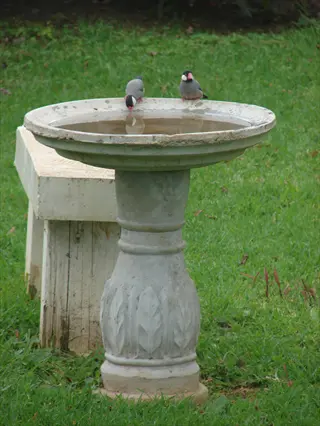
Pedestal Bird Bath
- Height advantage: Standing 24 to 36 inches (61 to 91 centimeters) tall, pedestal baths elevate water above the reach of most ground predators like cats and raccoons
- Materials available: Comes in concrete, cast stone, resin, and glazed ceramic, each offering different weight and durability tradeoffs for your garden setup
- Best suited for: Yards with known cat activity or ground predators, since the Georgia Department of Natural Resources recommends elevated baths in these situations
- Maintenance note: Heavier concrete models resist tipping in wind but are harder to move for seasonal cleaning or repositioning throughout the year
- Water capacity: Most pedestal basins hold 1 to 3 gallons (3.8 to 11.4 liters) of water depending on bowl diameter and depth of the basin design
- Placement tip: Position on level ground at least 15 feet (4.5 meters) from dense shrubs so birds have a clear sightline to spot approaching threats
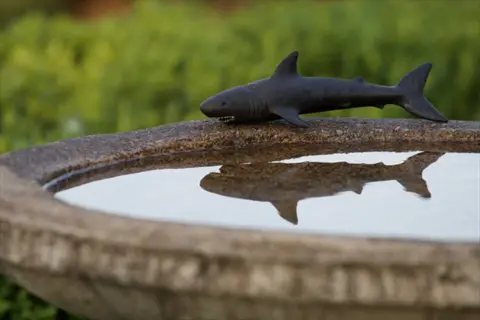
Ground-Level Bird Bath
- Wildlife attraction: Ground-level baths attract the widest range of wildlife, including birds, butterflies, bees, and small mammals that prefer drinking at ground height
- Natural appearance: Mimics natural puddles and low streams that birds encounter in the wild, making them feel comfortable and safe using the water right away
- Species appeal: A top pick for ground-feeding birds like robins, thrushes, and sparrows that forage and bathe at soil level all through the day
- Predator risk: Without height advantage, ground baths leave birds vulnerable to cats and other ground predators, so keep them in open areas with clear sightlines
- Simple setup: Requires nothing more than a low dish or basin placed on the ground, making it the easiest and most affordable bird bath option around
- Winter care: Ground baths freeze faster than elevated ones because cold air settles low, so consider adding a submersible heater during freezing months
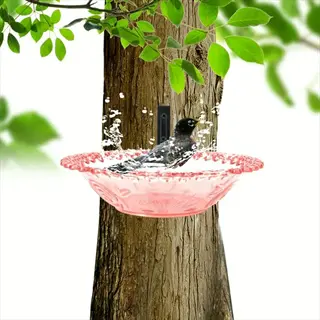
Hanging Bird Bath
- Space saver: Ideal for small gardens, patios, or balconies where ground or pedestal baths would take up too much floor space in a limited area
- Predator safety: Hanging from a branch or hook 4 to 6 feet (1.2 to 1.8 meters) high keeps water out of reach of cats and most ground-dwelling predators
- Weight limits: Most hanging baths hold only 0.5 to 1 gallon (1.9 to 3.8 liters) of water, so they require more frequent refilling than ground or pedestal models
- Movement factor: Natural swinging motion from wind can deter some cautious bird species but may also create subtle water ripples that attract attention from passing birds
- Material choices: Most are made from lightweight resin, metal, or recycled glass to reduce strain on hanging hardware, branches, or shepherd hooks supporting them
- Refill frequency: Small basin size means water evaporates faster in hot weather, often needing daily refills during summer months to keep water available for birds
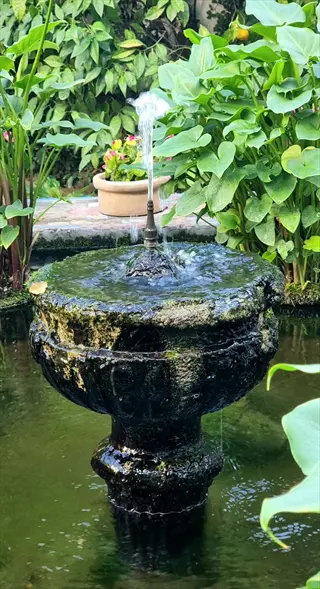
Fountain Bird Bath
- Sound attraction: The gentle splashing and trickling sounds from a fountain are the most effective way to attract birds, as they can hear moving water from a distance
- Mosquito prevention: Constant water circulation prevents mosquitoes from laying eggs, since they need still, stagnant water for breeding and larval development in warm months
- Power options: Available in solar-powered, electric plug-in, and battery-operated models, with solar being the most popular for gardens without nearby electrical outlets
- Algae reduction: Moving water slows algae growth compared to still basins because constant circulation prevents the stagnant conditions that green algae colonies prefer
- Pump maintenance: Fountain pumps need periodic cleaning to remove mineral deposits and debris, often about every 2 to 4 weeks depending on your local water hardness level
- Year-round use: Electric fountain models can run through winter in mild climates, while solar models lose effectiveness during shorter daylight hours in cold seasons
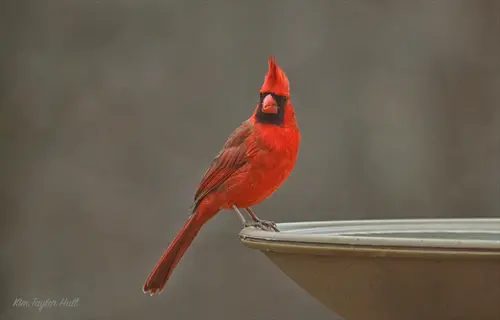
Heated Bird Bath
- Winter essential: Thermostatically controlled heaters keep water at just above freezing, around 35 to 40 degrees Fahrenheit (1.5 to 4.5 degrees Celsius), during cold months
- Energy use: Most bird bath heaters use 50 to 150 watts of electricity, costing about 1 to 3 dollars per month depending on your local electricity rates and climate
- Safety design: Modern heated baths include automatic shutoff when water levels drop too low and grounded plugs to prevent electrical hazards in wet outdoor conditions
- Winter bird magnet: Providing unfrozen water in winter attracts species that might skip your yard altogether, since natural water sources freeze over during cold snaps
- Two styles available: Choose between a fully heated basin with a built-in element or a standalone de-icer that drops into any existing bird bath you already own
- Important warning: Never add antifreeze or glycerin to bird bath water as substitutes for heaters, since antifreeze is poisonous and glycerin destroys feather waterproofing
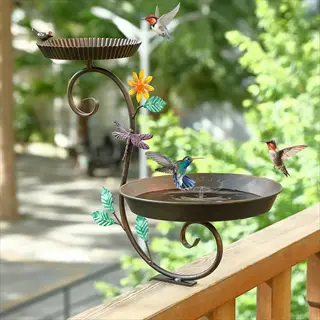
Deck-Mounted Bird Bath
- Easy access: Mounts directly to a deck railing or porch balustrade, putting the bird bath within arm's reach for quick refilling and cleaning without bending down
- Bird watching: Positions birds at eye level when you are sitting on the deck, providing close-up viewing opportunities perfect for casual observation or photography from indoors
- Compact design: Takes up zero ground space while still providing fresh water, making it ideal for apartment balconies, townhouse decks, and small raised patios
- Clamp attachment: Most models use adjustable clamp brackets that fit railings 1 to 4 inches (2.5 to 10 centimeters) wide without drilling holes or permanent modifications
- Limited capacity: Smaller basin size means these baths hold less water and need refilling more often, often about once a day during warm summer weather conditions
- Wind exposure: Deck-mounted baths sit higher and are more exposed to wind, which can splash water out and cause faster evaporation compared to sheltered ground locations
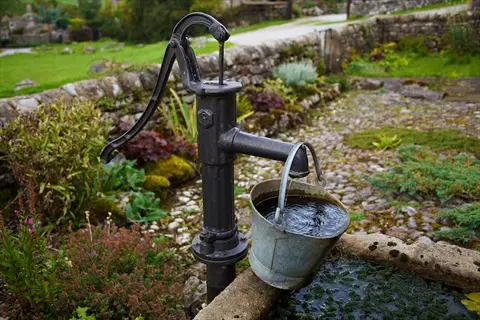
Do-It-Yourself Bird Bath
- Budget friendly: A homemade bird bath can cost nothing at all using items you already have, such as a terracotta saucer, old frying pan, or repurposed trash can lid
- Creative freedom: Build a bath that matches your garden style using stacked stones, mosaic tiles, salvaged planters, or upcycled kitchenware for a one-of-a-kind look
- Texture matters: Add a layer of gravel, small pebbles, or a rough stone to the bottom of any smooth basin so birds can grip the surface while standing in water
- Depth control: Low profile dishes like plant saucers provide the ideal 1 to 2 inch (2.5 to 5 centimeter) water depth that most birds prefer without any changes
- Easy upgrades: Attach a simple battery-powered or solar dripper to any homemade bath to add the moving water element that boosts bird visits to your yard in a big way
- Material safety: Avoid containers with lead paint, chemical residues, or rust that could leach into the water and harm birds drinking or bathing in your creation
Your best pick depends on what your yard needs most. Cats around? Go with a pedestal. Tight on space? Try a deck mount or hanging model. In my experience, the best bird bath is the one you'll keep clean and full all year long.
Why Birds Bathe
You might wonder why birds bathe so often. It's not about fun or comfort. Bird bathing behavior comes down to pure survival. Birds lack sweat glands, so they can't cool off like you can. But the real reason is bird feather maintenance that keeps their wings ready for flight at all times.
When you see dirty feathers on a bird, know that those feathers clump and weigh more. This forces the bird to pick between flying fast or flying with control. A 2009 study by Brilot tested starlings through an obstacle course after bathing. The link between bird flight performance bathing was clear. Birds that bathed flew with more control and hit fewer barriers than birds without water access.
You'll spot preening birds working their beaks through every feather right after a good soak. This spreads natural oils from a gland near the tail across each feather surface. Those oils keep your yard birds dry in the rain. If you don't keep your bath clean, dirt on their feathers blocks the oils. Waterproofing feathers gets much harder and the whole system breaks down.
The science goes deeper than flight for you to know about. A 2012 study by the same team found that birds kept from bathing showed higher stress and more fear after hearing alarm calls. They ate less food and stayed on guard much longer. In simple terms, a bird that can't bathe feels less safe in your yard.
In my experience watching my own bath for years, the birds that show up most preen right on the rim for 10 to 15 minutes after each soak. You can see them work through every wing feather with care. That tells you bathing isn't a treat. It ranks right up there with food and shelter for their daily needs.
A 2016 study by Cleary recorded 172 species at bird baths across Australia. Even city baths drew species mixes that looked different from rural ones. Your backyard bath can support local wildlife no matter where you live.
Bird Bath Placement Tips
Your bird bath placement matters more than you might think. Birds won't use a bath if they feel exposed to danger, and they'll skip one that sits too close to natural cover where cats can hide. The Georgia DNR says to keep your bath at least 15 feet from dense shrubs or trees so birds can spot threats before they strike.
Where to place bird bath is a question I get asked all the time. In my experience, the best bird bath location sits in a shaded areas spot with clear views in every direction. You want your birds to see a cat coming from at least 15 feet away, which gives them enough time to take off. Keep the predator safety distance in mind and you'll see more visitors right away.
You can run a quick check on your current bath spot in about 5 minutes. Walk to your bath and look around in all directions. Can you see open ground for at least 15 feet? Is there shade for part of the day? If both answers are yes, you've found a solid location for your birds.
Cleaning and Maintenance
Bird bath cleaning is the one task that separates a healthy bath from a breeding ground for trouble. If you skip maintaining bird bath water, you risk algae buildup, mosquitoes bird bath problems, and disease prevention birds need from you. The Georgia DNR and CDC both say you should change water bird bath every 2 to 3 days to keep things safe.
I built a simple routine that takes me less than 5 minutes a day to keep my bath in great shape. Algae prevention starts with fresh water, and a quick scrub each week stops the green film before it takes hold. Once a month, I soak the basin in a 10% bleach solution to kill off anything a brush can't reach.
Daily Water Check
- What to do: Top off the water level each morning so the basin stays between 1 to 2 inches (2.5 to 5 centimeters) deep, especially during hot summer days when evaporation is fastest.
- Why it matters: Low water levels expose the basin bottom to direct sunlight, which speeds up algae growth and raises water temperature to levels birds find uncomfortable.
- Quick tip: Place a small stick or mark on the inside of the basin at the ideal water line so you can spot low levels at a glance from several feet away.
Every 2 to 3 Days Full Change
- What to do: Dump all old water, rinse the basin with fresh water from a hose, and refill to the proper depth of 1 to 2 inches (2.5 to 5 centimeters).
- Why it matters: Mosquitoes need standing water for at least 7 to 10 days to complete their breeding cycle, so changing water every 2 to 3 days breaks that cycle.
- Quick tip: Time your water changes with other regular garden tasks like watering plants so the habit becomes automatic and sticks with you through the season.
Weekly Basin Scrubbing
- What to do: Use a stiff bristled brush to scrub the entire interior surface of the basin, removing algae films, mineral deposits, and droppings from bird visitors.
- Why it matters: Biofilm builds up on basin surfaces even when water looks clean, creating a slick layer that harbors bacteria and makes the bath surface unsafe for bird footing.
- Quick tip: Keep a brush near the bird bath so you are more prone to give it a quick scrub whenever you walk past during your regular garden routine.
Monthly Deep Disinfection
- What to do: Soak the basin in a 10% bleach solution, that's 1 part household bleach to 9 parts water, for 10 to 15 minutes. Then rinse well and air dry before refilling.
- Why it matters: Monthly disinfection kills bacteria, parasites, and mold spores that regular scrubbing alone cannot remove. This reduces the risk of disease spreading between visiting birds.
- Quick tip: Choose a warm, sunny day for deep cleaning so the basin dries fast and any leftover bleach evaporates before birds return to drink and bathe.
Attracting Birds With Water
If you want to attract birds bird bath setup, moving water is your strongest tool. The Georgia DNR found that dripping water, misters, and pumps are the single most effective way to pull birds into your yard. Some species travel up to 2 miles just to reach a water source, and the sound of water carries much further than birdsong alone.
Birds find water through two senses: sound and sight. A bird bath dripper creates a soft drip that birds can hear from across your yard. Light bouncing off ripples catches their eyes too. I tested this myself and saw twice as many visitors in the first week after adding a bubbler fountain to my pedestal bath.
Each water tool pulls in different species to your yard. A bird bath mister draws hummingbirds that love flying through fine spray. Robins and thrushes go for ground level baths with a soft drip sound. Warblers respond best to the sound of water dripping from leaves. Check the table below to match your setup to your goals.
You don't need to spend a fortune on a fancy fountain. A $10 solar dripper does the job for most small yards. Start with the cheapest moving water option and upgrade later if you want to attract even more species to your garden.
Seasonal Bird Bath Care
Your bird bath needs change with every season, and most people only think about summer bird bath care. Birds need water all seasons of the year, not just when it's warm outside. A winter bird bath setup can attract species that skip your yard when every other water source freezes over.
I learned the hard way that bird bath freezing cracks concrete basins if you don't prep them in fall. Water evaporation in summer drained my bath dry before noon on the hottest days. The schedule below gives you a plan for keeping your bath in top shape through all 4 seasons so your birds always have clean water.
Spring: Setup and Refresh
- Clean well: After winter, give your bird bath a deep clean with a 10% bleach solution and fresh scrubbing to remove any buildup from the colder months.
- Check for damage: Inspect concrete and ceramic baths for cracks caused by freeze and thaw cycles over winter, since even small cracks can harbor bacteria and leak water.
- Position for migration: Spring migration brings new species through your area, so ensure the bath is visible and filled fresh to catch the attention of passing travelers.
Summer: Hydration Priority
- Refill often: Water evaporation runs much faster in summer heat, so check levels every day and refill as needed to maintain 1 to 2 inches (2.5 to 5 centimeters) of depth.
- Fight algae growth: Warm temps speed up algae blooms, making more frequent water changes and basin scrubbing essential during the hottest weeks of the year.
- Provide shade: Move the bath to partial shade if you can, or add a shade cover to keep water temps comfortable and slow water evaporation through the afternoon.
Fall: Prepare for Cold
- Remove leaves: Falling leaves break down fast in water, creating sludge that fouls the basin and introduces tannins that discolor the water and attract insects.
- Set up heating: In areas with early frosts, install a heated bird bath element or de-icer before the first freeze so you are ready when temps drop overnight.
- Keep water going: Fall migration is as busy as spring, with many species passing through and needing reliable water stops along their way south.
Winter: Prevent Freezing
- Use a heater or de-icer: These tools keep your ice-free bird bath at 35 to 40°F (1.5 to 4.5°C) without making the water too warm for birds to use.
- Never use chemicals: Antifreeze is poison and glycerin wrecks the waterproofing oils on bird feathers. Always use a heated bird bath or de-icer to keep water liquid.
- Break ice by hand: If you don't have a heater, check the bath each morning and crack up any ice layer so birds can reach liquid water below the frozen surface.
With this bird bath all seasons approach, your yard becomes a year round stop for birds that need clean water. The small effort you put in each season pays off with more visits and a healthier bird population around your home.
5 Common Myths
You need to add antifreeze or glycerin to a bird bath in winter to keep the water from freezing solid.
Cornell Lab of Ornithology warns that antifreeze is lethal to birds and glycerin damages feather waterproofing. Use a thermostatically controlled heater or floating de-icer instead.
A deeper bird bath is better because it holds more water and needs to be refilled less often throughout the week.
Most birds prefer water that is only 1 to 2 inches (2.5 to 5 centimeters) deep. Deeper basins scare small birds away because they cannot stand safely.
Placing a bird bath directly under a tree provides the best shade and keeps birds comfortable while they drink and bathe.
Trees closer than 15 feet (4.5 meters) give predators like cats a hiding spot. Place baths in partial shade but away from dense cover.
Birds only use bird baths for drinking water and do not actually need to bathe in it for any real health benefit.
Brilot et al. 2012 found that bath-deprived starlings displayed higher anxiety and reduced feeding after alarm calls, proving bathing is essential for feather care, flight accuracy, and well-being.
Still water in a bird bath works just as well as moving water for attracting birds to your backyard garden area.
Georgia DNR confirms that moving water from drippers, bubblers, or small fountains creates sound and visual cues that attract far more bird species than still water alone.
Conclusion
A single bird bath can turn your yard into a wildlife habitat water station that grows busier with time. When I first set up mine, I saw maybe 5 species in a month. After keeping it clean and full for a full year, that number jumped to over 20 regular visitors. Birds tell each other about safe water spots, so your backyard birds water source gets more popular the longer you run it.
This bird bath guide covered the key steps you need to attract birds bird bath style. Pick the right type for your space. Place it 15 feet from dense cover with partial shade. Add a dripper or bubbler to bring in species that respond to sound. Keep the water fresh every 2 to 3 days and scrub the basin each week.
Here's something most guides won't tell you. Over 200,000 properties across the country now hold NWF Certified Wildlife Habitat status. Your bird bath counts as the required wildlife habitat water source for that program. One basin in your yard connects you to a national effort that helps local birds and wildlife all around the country.
Give your bath a few weeks of steady care and you'll start seeing new faces at the water. The research backs this up, with studies showing that one well kept bath can support dozens of species across all seasons. Your patience will pay off with more songs, more color, and a yard that feels alive every morning.
External Sources
Frequently Asked Questions
What is a bird bath?
A bird bath is a shallow basin filled with fresh water, placed outdoors so birds can drink and bathe to maintain their feathers.
Why put a penny in a birdbath?
Some people place a copper penny in a birdbath because copper can slow down algae growth and help keep the water cleaner for longer.
What is a bird bath slang for?
In slang, a bird bath refers to a quick, minimal wash of only certain body parts instead of a full shower or bath.
What type of bird bath do birds like best?
Most birds prefer a shallow, ground-level bird bath with textured surfaces and gently moving water from a dripper or bubbler.
Why do bird baths get dirty?
Bird baths get dirty from droppings, feather dust, algae growth, fallen leaves, pollen, and stagnant water that breeds bacteria.
Why put tennis balls in bird bath?
Floating tennis balls in a bird bath during winter helps prevent the water from freezing completely by keeping the surface moving.
Why put a potato in the bird feeder?
Some gardeners skewer a potato half on a feeder spike to offer starches and moisture, though it is not widely recommended by experts.
What are the disadvantages of a bird bath?
Bird baths require regular cleaning, can breed mosquitoes if neglected, may attract predators, and some materials crack in freezing weather.
How to tell if a bird is happy?
Happy birds sing frequently, bathe and preen regularly, eat with enthusiasm, show relaxed postures, and return repeatedly to the same spot.
Where not to put a bird bath?
Avoid placing a bird bath in direct sunlight all day, near dense shrubs where predators hide, next to feeders, or in high-traffic areas.