
Introduction
Over 7,500 cultivars of apple trees grow around the world right now. The US alone produces 240 million bushels each year. Yet most new growers pick the wrong variety or skip a key step. They end up with a tree that struggles for years before it gives any fruit at all.
I planted my first home orchard over 12 years ago with 3 dwarf trees in my backyard. I made every mistake you can imagine during those first few seasons. Trees died from poor drainage. Fruit rotted on the branch because I didn't understand pollination. Those hard lessons taught me what no single guide covered at the time.
This guide covers rootstock science, variety picks, and age based fertilizer schedules all in one place. Disease resistant cultivars cut your spray needs down to just a few rounds per year. Think of picking an apple tree like picking a car. The rootstock is the chassis. The variety is the body. Your care routine is the engine. Fruit tree gardening gets much easier when you understand all 3 parts.
Growing apple trees starts with smart choices in your first season. Whether you want fresh eating fruit, baking apples, or cider stock, this guide will help. Let's turn that bare patch of yard into a home orchard that feeds your family for decades.
10 Best Apple Tree Varieties
Not all apple tree varieties serve the same purpose in your yard. Some taste best fresh off the branch while others shine in pies or cider. I've grown 8 of these 10 varieties in my own yard over the years. I grouped the best apple trees below by what they do well so you can match each one to your goals.
Disease-resistant apple varieties like Liberty and Enterprise cut your spray work way down. Instead of 10 to 15 treatments per year, you might need just a handful. Virginia Tech research shows bloom to harvest times range from 65 days up to 195 days for a Granny Smith apple tree. Each listing below covers the ideal use, climate zone, and pollination partner. Dwarf apple trees on the right rootstock give you a Honeycrisp apple tree in a size that fits small yards.
Honeycrisp Apple Tree
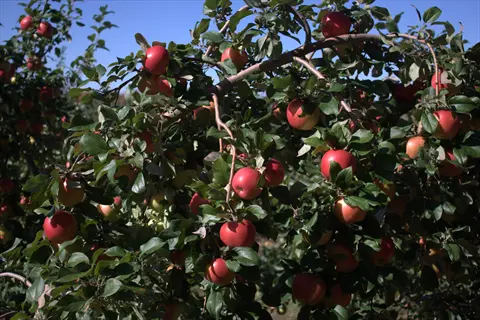
- Best For: Fresh eating straight from the tree, with an extra crispy texture and balanced sweet-tart flavor that has made it America's favorite apple variety.
- Climate Zones: Thrives in USDA Zones 3-7, making it one of the most cold-hardy popular varieties available for northern growers across the United States and Canada.
- Harvest Window: Ripens in mid-September with a bloom-to-harvest period of approximately 150 days, producing medium to large fruit with distinctive red and yellow skin.
- Pollination Needs: Requires a compatible pollinator such as Fuji, Gala, or Golden Delicious planted within 30 meters (100 feet) for reliable fruit production each season.
- Disease Notes: Moderately susceptible to apple scab and fire blight, so regular monitoring and preventive spray programs are recommended for consistent harvests.
- Storage Life: Stores well for 3-4 months at 1 degree Celsius (33 degrees Fahrenheit) with approximately 85% humidity, maintaining crispness throughout the storage period.
Fuji Apple Tree
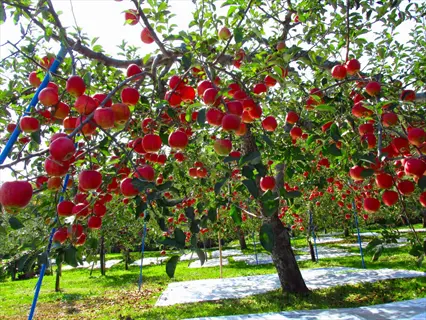
- Best For: Long-term storage and fresh eating, with a very sweet flavor and dense, crunchy flesh that holds up well for up to one full year in cold storage.
- Climate Zones: Best suited for USDA Zones 6-9, preferring warmer climates with long growing seasons to fully develop its characteristic high sugar content.
- Harvest Window: Late-season variety ripening in October through November, requiring approximately 170-195 days from bloom to harvest depending on local growing conditions.
- Pollination Needs: Not self-fertile and requires cross-pollination from varieties like Gala, Granny Smith, or Golden Delicious planted nearby for good fruit set.
- Disease Notes: Shows moderate resistance to most common diseases but benefits from a regular spray program to prevent cedar apple rust and powdery mildew.
- Storage Life: The storage champion among apple varieties, lasting up to 12 months at 30 degrees Fahrenheit (minus 1 degree Celsius) according to Virginia Tech Extension research.
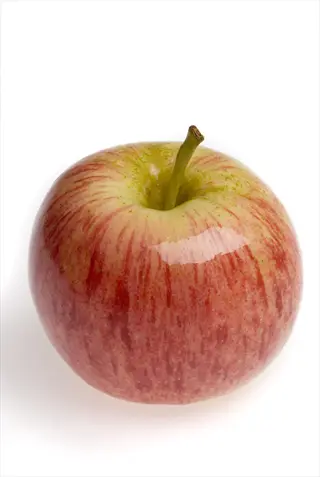
Gala Apple Tree
- Best For: Fresh eating and salads, offering a mild, sweet flavor with subtle vanilla notes that makes it a favorite for children and those who prefer less tart apples.
- Climate Zones: Grows well in USDA Zones 5-8, adapting to a wide range of temperate climates and producing reliably even in areas with variable spring weather.
- Harvest Window: Early to mid-season ripening in late August through September, giving growers one of the first harvests of the apple season each year.
- Pollination Needs: Requires a pollination partner such as Fuji, Red Delicious, or Golden Delicious within 30 meters (100 feet) for consistent annual fruit production.
- Disease Notes: Susceptible to fire blight and apple scab, making it important to choose disease-resistant rootstock and maintain a preventive care routine.
- Storage Life: Stores for 2-3 months under ideal conditions at 1-3 degrees Celsius (33-38 degrees Fahrenheit) with controlled humidity around 85%.
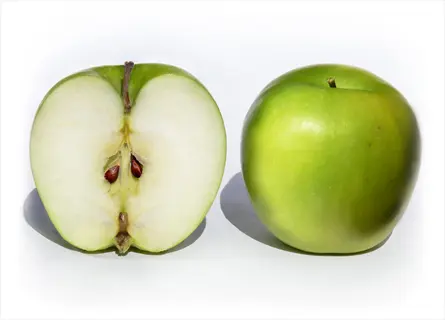
Granny Smith Apple Tree
- Best For: Cooking and baking, with a sharp tartness that holds its shape when heated, making it the top choice for pies, sauces, and other baked desserts.
- Climate Zones: Prefers USDA Zones 6-9 with long, warm growing seasons, as it requires approximately 195 days from bloom to harvest, the longest of any common variety.
- Harvest Window: Very late-season variety ripening in late October through November, needing the full growing season to develop its characteristic bright green skin and tart flavor.
- Pollination Needs: Partially self-fertile but produces much better crops when cross-pollinated with Fuji, Gala, or Golden Delicious planted nearby in the orchard.
- Disease Notes: Moderate disease resistance overall, though susceptible to apple scab in humid climates where preventive fungicide applications become essential.
- Storage Life: Excellent keeper that stores for 4-5 months at proper temperatures, maintaining firmness and tartness throughout the cold storage period.
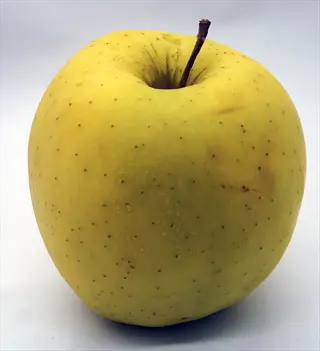
Golden Delicious Apple Tree
- Best For: All-purpose use including fresh eating, cooking, and cider making, with a honey-sweet flavor and tender flesh that works in almost any apple recipe.
- Climate Zones: Adapts well to USDA Zones 5-8, tolerating both heat and moderate cold while producing reliable crops across a wide geographic range in temperate regions.
- Harvest Window: Mid-season variety ripening in September through early October, with fruit turning from green to golden yellow as it reaches full maturity on the tree.
- Pollination Needs: One of the few partially self-fertile apple varieties, though cross-pollination with another cultivar still improves fruit set a great deal and overall yield.
- Disease Notes: Susceptible to cedar apple rust and apple scab, so growers in humid regions should plan for preventive treatments or consider disease-resistant alternatives.
- Storage Life: Stores for 3-4 months under proper cold storage conditions, though skin tends to shrivel faster than firmer varieties if humidity drops below 80%.
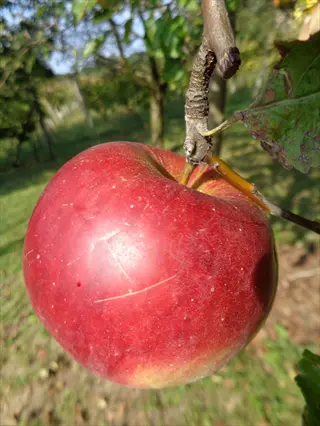
Liberty Apple Tree
- Best For: Home growers seeking minimal chemical intervention, as this is one of the most disease-resistant varieties available, a top pick recommended by OSU Extension.
- Climate Zones: Grows well in USDA Zones 4-7, performing best in the northeastern and midwestern United States where apple scab pressure is typically highest.
- Harvest Window: Mid-season ripening in late September through early October, producing medium-sized fruit with a deep red blush over a yellow-green background color.
- Pollination Needs: Requires cross-pollination from another variety such as Golden Delicious, Enterprise, or any crabapple with overlapping bloom time planted nearby.
- Disease Notes: Immune to apple scab and highly resistant to fire blight, cedar apple rust, and powdery mildew, making it the premier low-spray choice for home orchards.
- Storage Life: Keeps well for 2-3 months in cold storage at 1-3 degrees Celsius (33-38 degrees Fahrenheit), with flavor getting better after a few weeks off the tree.
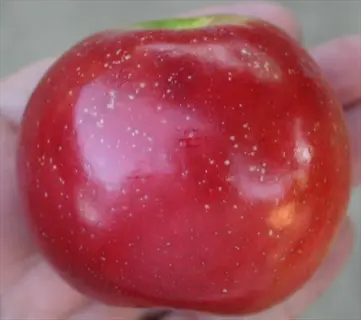
Enterprise Apple Tree
- Best For: Late-season harvest and long storage with built-in disease resistance, offering a spicy, complex flavor that develops further during several weeks in cold storage.
- Climate Zones: Well-suited to USDA Zones 4-7, performing well in regions with cold winters and moderate summers common across the eastern United States and similar climates.
- Harvest Window: Late-season variety ripening in mid to late October, requiring patience but rewarding growers with firm, richly flavored apples that improve after storage.
- Pollination Needs: Needs a compatible pollination partner such as Liberty, Golden Delicious, or Goldrush planted within 30 meters (100 feet) for consistent fruit set.
- Disease Notes: Immune to apple scab and highly resistant to fire blight and cedar apple rust, earning strong recommendation from OSU Extension for home orchards.
- Storage Life: Outstanding storage variety that keeps for 5-6 months at 1 degree Celsius (33 degrees Fahrenheit), with flavor complexity increasing during the first month of storage.
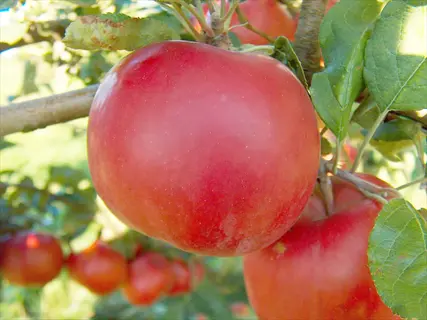
McIntosh Apple Tree
- Best For: Fresh eating and making applesauce, with a distinctive perfumed aroma and tender, juicy white flesh that breaks down smooth when cooked into smooth sauces.
- Climate Zones: Excels in USDA Zones 4-6, preferring cooler northern climates where it has been a beloved variety for over two centuries since it was first found in Ontario, Canada.
- Harvest Window: Early to mid-season ripening in early to mid-September, making it one of the first quality apples available each fall harvest season.
- Pollination Needs: Requires cross-pollination from another cultivar such as Cortland, Red Delicious, or Golden Delicious planted within pollination range for full fruit production.
- Disease Notes: Susceptible to apple scab and moderately prone to fire blight, requiring a consistent spray program in regions where these diseases are prevalent.
- Storage Life: Shorter storage life of only 2-3 months under ideal cold conditions, as the soft flesh tends to become mealy faster than firmer modern varieties.
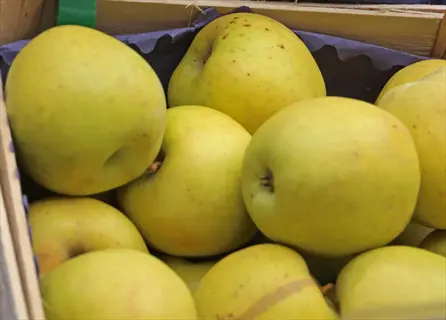
Goldrush Apple Tree
- Best For: Exceptional long-term storage and fresh eating, with a sharp, tangy flavor when picked that mellows into a rich, complex sweetness after months in cold storage.
- Climate Zones: Performs well in USDA Zones 5-8, requiring a long growing season with warm fall days to develop its full sugar content and golden skin color.
- Harvest Window: Very late-season variety ripening in late October through November, one of the last apples harvested each year but well worth the wait for its quality.
- Pollination Needs: Needs a compatible pollinator such as Enterprise, Liberty, or Golden Delicious planted nearby, as it is not self-fertile and requires cross-pollination.
- Disease Notes: Immune to apple scab and resistant to powdery mildew, making it another strong choice from the OSU Extension disease-resistant recommendation list.
- Storage Life: Exceptional storage ability lasting 6-8 months at 1 degree Celsius (33 degrees Fahrenheit), rivaling Fuji as one of the longest-keeping apple varieties available.
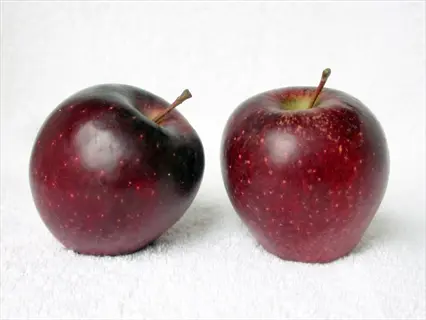
Red Delicious Apple Tree
- Best For: Fresh eating with its classic elongated shape and deep crimson color, though its soft texture and mild sweetness make it less ideal for cooking applications.
- Climate Zones: One of the most adaptable varieties, growing in USDA Zones 5-8 and thriving across a broad range of temperate climates worldwide.
- Harvest Window: Mid-season ripening in mid to late September, producing the iconic tall, conical shape with five prominent bumps on the bottom that many people associate with apples.
- Pollination Needs: Requires cross-pollination from Gala, Golden Delicious, Fuji, or another compatible variety planted within 30 meters (100 feet) for reliable fruit production.
- Disease Notes: Moderately susceptible to common diseases including fire blight and apple scab, requiring standard preventive spray programs in most growing regions.
- Storage Life: Stores for 3-4 months at proper cold temperatures, though texture can become mealy faster than modern crispy varieties if storage conditions are not optimal.
Pick 2 or 3 disease resistant varieties like Liberty or Enterprise if you're new to this. They pollinate each other well and save you hours of spray work. You can always add a Honeycrisp or Fuji later once you build up your confidence.
Rootstock Selection Guide
Apple tree rootstock is the hidden part of your tree that controls everything above it. Think of it as the foundation of a building. M9 rootstock creates a small cottage while seedling rootstock builds a full mansion. Most new growers don't realize that all grafted apple trees grow on a separate root system chosen for size control.
I wasted my first 3 years growing a standard seedling tree that took forever to fruit. When I switched to dwarf apple tree rootstock, my next tree gave me apples in just 3 seasons. Virginia Tech data shows M.9 dwarf trees produce 50 to 100 lbs per mature tree. Standard seedling trees reach 18 to 22 ft tall and yield 300 to 400 lbs, but you wait 7 to 8 years for that first harvest.
The table below breaks down the main apple tree sizes by rootstock type. UMN Extension confirms that fruit size and quality stay the same no matter which rootstock you pick. A dwarf tree gives you the exact same apple as a full size tree in a fraction of the space.
For most backyard growers, I recommend M.9 or M.26 rootstock because they fruit fast and stay small enough to prune without a ladder. You'll harvest your first apples in 2 to 4 years instead of waiting almost a decade.
Planting and Site Preparation
Getting your apple tree planting right in the first week saves you years of trouble down the road. I've lost 2 trees to bad drainage before I learned how to test a site the right way. The steps below walk you through how to plant apple tree stock from site picking to watering in.
Full sun apple trees need at least 8 hours of direct light each day during the growing season. The best soil for apple trees is a sandy loam with a pH near 6.5, based on OSU Extension data. Apple tree spacing depends on your rootstock choice, so check the table in the rootstock section above. Virginia Tech warns that roots stuck in standing water for just 10 days can kill the tree, so drainage is your top concern.
Sunlight and Air Flow
- Sunlight: Apple trees require a minimum of 8 hours of direct sunlight per day during the growing season to produce quality fruit, according to University of Minnesota Extension research.
- Air Circulation: Choose a location with good air movement to help leaves dry fast after rain or dew, reducing the risk of fungal diseases like apple scab and powdery mildew.
- Elevation: Planting on a gentle slope or elevated area allows cold air to drain away on frost nights, protecting blossoms from the critical damage threshold of minus 2°C (28°F).
Soil Type and Drainage
- Ideal Soil: Sandy loam to sandy clay loam with a pH of about 6.5 provides the best growing conditions for apple trees, as confirmed by Ohio State University Extension.
- Drainage Test: Dig a hole 30 centimeters (12 inches) deep, fill with water, and check drainage time; if water remains after 24 hours, the site needs drainage work before planting.
- Root Survival: Virginia Tech Extension warns that apple tree roots submerged in standing water for just 10 days can kill the tree, making drainage the top priority for site selection.
Spacing Between Trees
- Dwarf Trees: Space dwarf apple trees on M.9 rootstock about 2.4 meters (8 feet) apart within the row, with 4.3 meters (14 feet) between rows for equipment access and airflow.
- Semi-Dwarf Trees: Semi-dwarf varieties need about 3 meters (10 feet) between trees in the row and 4.9 meters (16 feet) between rows for healthy canopy growth.
- Pollination Distance: Keep pollination partners within 30 meters (100 feet) of each other, as Virginia Tech Extension confirms pollinators must be within this range for good fruit set.
Planting Depth and Timing
- Bud Union Height: Position the graft union 5 to 7.5 centimeters (2 to 3 inches) above the soil line to prevent the scion variety from rooting and overriding the dwarfing rootstock.
- Planting Season: Plant bare root apple trees in late winter to early spring while still dormant, or in fall at least 6 weeks before the ground freezes to allow root growth.
- Trunk Protection: Paint the lower trunk of young trees with white latex paint to prevent frost cracks and sunscald damage during winter, as recommended by University of Maryland Extension.
Pruning and Training Methods
Pruning apple trees is the single most important thing you can do each year to keep your harvest strong. I skipped pruning for 2 years on one of my trees and the fruit got small and full of disease. Once I started cutting back each winter, that same tree bounced back within a single season.
The best time for when to prune apple trees is late winter while the tree is still dormant. February and March work well in most US growing zones. Summer pruning apple trees is a second option that helps control size rather than boost growth. A summer cut in June or July slows the branch down instead of pushing new shoots the way a winter cut does.
Apple tree training starts in the first year after planting. The central leader system from OSU Extension works best for most home growers. You build 3 to 4 groups of 4 scaffold branches spaced along the trunk. Each scaffold branch should grow at a 45 to 60 degree angle from the trunk. Use wooden spreaders or string ties to hold young branches at the right angle until they set in place.
Espalier apple trees offer a great option if you have limited space in your yard. This method trains branches flat against a wall or fence in a tiered pattern. I trained 2 espalier trees along my garage wall and they produce just as much fruit as my freestanding trees. The flat shape also makes picking and spraying much easier than a standard tree form.
If you inherit a neglected tree, don't try to fix it all at once. UMD Extension says you should limit crown cuts to no more than a third in any single year. Remove 2 to 3 large limbs per year over a 3 year stretch. Trees older than 25 years can still produce great fruit after strong pruning done the right way.
Always cut scaffold branches back to a bud or lateral branch rather than leaving stubs. Clean cuts heal faster and keep disease from entering the wood. Sterilize your tools with a 10% bleach mix between cuts when you work on branches that show signs of infection.
Watering and Fertilization
Fertilizing apple trees and watering apple trees go hand in hand, but most guides only cover one or the other. I've seen more trees hurt by too much fertilizer than too little. Getting your apple tree fertilizer schedule right based on your tree's age makes a huge difference in fruit quality.
When to fertilize apple trees is simple. Apply a 10-6-4 formula each spring before bud break, starting small and increasing as the tree grows. OSU Extension data shows you start at just 0.23 kg (0.5 lbs) in year 1 and work up to 3.4 kg (7.5 lbs) by year 15. The chart below gives you exact amounts by age so you never have to guess.
Nitrogen for apple trees is the biggest factor in fruit quality. Li et al. found in 2024 that nitrogen controls sugar, acidity, and vitamin C in your fruit. But too much nitrogen stops the hormones that trigger fruit set. That means an overfed tree grows tons of leaves but gives you fewer apples each fall.
For watering apple trees, Virginia Tech says to soak the root zone every 14 days unless you've had at least 2.5 cm (1 inch) of rain. Young trees in their first 2 years need more frequent water to get roots set. I water my new trees twice a week during hot summer months and cut back once fall arrives.
Disease and Pest Management
Apple tree diseases and apple tree pests cause more frustration than any other part of growing fruit at home. I lost an entire crop to apple scab in my second year because I didn't spray at the right time. Virginia Tech data shows that full pest control can take 10 to 15 spray rounds per season for varieties that aren't disease resistant.
Organic pest control methods and smart variety choices cut that work load way down. I switched to Liberty trees 5 years ago and my spraying dropped to almost nothing. These trees resist powdery mildew and cedar apple rust on their own. Below you'll find the main threats and how to stop each one before it ruins your harvest.
Apple Scab
- Symptoms: Olive green to brown spots show up on leaves and fruit, causing leaves to yellow and drop early while fruit grows rough, corky patches on the skin.
- Prevention: Plant disease resistant varieties like Liberty, Enterprise, or Goldrush that are immune to apple scab, cutting out the need for fungicide treatments.
- Treatment: Apply fungicide sprays starting at green tip stage through petal fall, following a schedule of about 10 to 15 rounds per season for varieties that get this disease.
Fire Blight
- Symptoms: Branches look scorched and blackened as if burned by flames, with tips curling into a shepherd's crook shape during active infection in warm wet weather.
- Prevention: Avoid heavy nitrogen use which pushes soft new growth that fire blight bacteria love, and prune only during dry weather to stop the spread.
- Treatment: Cut infected branches at least 30 centimeters (12 inches) below the visible damage, and sterilize your pruning tools with 10% bleach between each cut.
Powdery Mildew
- Symptoms: White powdery coating forms on young leaves, shoots, and flower buds, causing leaves to curl and stunting new growth through spring and into early summer.
- Prevention: Space your trees well for good air flow and pick resistant varieties when possible to reduce infection pressure in humid growing regions.
- Treatment: Apply sulfur based fungicides during the growing season at 7 to 14 day gaps, starting when warm days and cool nights favor the disease.
Cedar Apple Rust
- Symptoms: Bright orange and yellow spots with raised centers show up on apple leaves and sometimes fruit, caused by a fungus that jumps between apple and cedar trees.
- Prevention: Remove juniper and eastern red cedar trees within 90 meters (300 feet) if you can, or plant resistant apple varieties to break the disease cycle in your area.
- Treatment: Apply fungicide sprays from pink bud stage through 2 to 3 weeks after petal fall, as this is the window when spores travel from cedar to apple trees.
Codling Moth and Apple Maggot
- Symptoms: Codling moth larvae tunnel into the core and leave holes filled with waste, while apple maggot flies lay eggs under the skin creating brown trails through the flesh.
- Prevention: Use sticky red sphere traps to monitor and reduce apple maggot numbers, and apply Kaolin clay barriers as a non toxic option for both of these apple tree pests.
- Treatment: Time insecticide sprays to target codling moth egg laying, starting 2 to 3 weeks after petal fall and continuing through the growing season as needed.
Chemical thinning with Sevin removes 20 to 30% of excess fruit and the drop happens 8 to 15 days after you apply it. Thinning gives you fewer but much larger and tastier apples at harvest time. I thin all my trees each June and the difference in fruit size is clear.
5 Common Myths
Apple trees grown from seed will produce the same type of apples as the parent tree you ate.
Apple seeds produce genetically unique trees through cross-pollination, so grafting onto rootstock is the only way to guarantee a specific variety.
A single apple tree in your yard will produce plenty of fruit without any other apple trees nearby.
Nearly all apple cultivars are self-incompatible and require a second, different variety planted within 30 meters (100 feet) for successful cross-pollination.
Dwarf apple trees produce smaller, lower-quality apples compared to full-sized standard apple trees.
Fruit size and quality are identical regardless of rootstock selection; dwarf trees simply grow on size-limiting rootstocks while producing the same apples.
You should pile mulch high around the trunk of your apple tree to protect it and retain moisture.
Piling mulch against the trunk creates a habitat for rodents and promotes bark rot; keep mulch 15 centimeters (6 inches) away from the trunk.
Apple trees only need pruning once when they are young and then they can be left to grow naturally.
Apple trees require annual pruning in late winter to maintain shape, improve air circulation, remove diseased wood, and encourage productive fruiting spurs.
Conclusion
Growing apple trees at home comes down to a few smart choices made in the right order. Pick 2 to 3 disease resistant dwarf varieties on M.9 rootstock and you'll see fruit in just 2 to 3 years. Those same trees produce apples that are the exact same size and quality as full size standards. Fruit tree gardening doesn't have to take a decade to pay off.
Good apple tree care starts with the fertilization schedule by tree age covered above. Keep your pollination partners within 30 meters of each other too. These two steps alone solve most problems that new growers face. Store your apple harvest at 1°C (33°F) and your fruit lasts up to 10 times longer than at room temperature.
When I first planted my home orchard, I had no idea how rewarding that apple harvest would feel 3 years later. That experience taught me that the wait is always worth it. Your first harvest season will feel the same way once you put this guide to work in your own yard.
Start small with just a few trees and build your skills before you expand. Growing apple trees gets easier each year as you learn what your soil, climate, and varieties need from you. A little patience up front gives you decades of fresh fruit right outside your door.
External Sources
Frequently Asked Questions
How long does it take for an apple tree to bear fruit?
Dwarf apple trees on M.9 rootstock bear fruit in 2-3 years, while standard seedling rootstock trees take 7-8 years to produce their first crop.
Are there apple trees in Germany?
Germany is one of Europe's largest apple producers, growing popular varieties like Elstar, Braeburn, and Jonagold across regions with suitable temperate climates.
What apples are good for diabetics?
Tart apple varieties like Granny Smith have lower sugar content and higher fiber, making them a better option for people managing blood sugar levels.
What should you not plant next to an apple tree?
Avoid planting walnut trees, potatoes, and other nightshades near apple trees, as they can inhibit growth or share common diseases.
What do coffee grounds do for apple trees?
Coffee grounds add nitrogen and improve soil acidity slightly, but should be composted first and used sparingly around apple trees.
Where's the best place to plant an apple tree?
The best location offers full sun for at least 8 hours daily, well-drained sandy loam soil with a pH near 6.5, and good air circulation.
What is Germany's national fruit?
The apple is widely considered Germany's national fruit, with the country producing over 1 million tonnes annually.
What is known as poor man's apple?
The guava is commonly known as the poor man's apple due to its widespread availability, low cost, and high nutritional value in tropical regions.
Which fruits cause the biggest blood sugar spike?
Fruits with the highest glycemic index, such as watermelon, pineapple, and overripe bananas, cause the largest blood sugar spikes.
What does baking soda do for fruit trees?
Baking soda acts as a natural fungicide when mixed with water and sprayed on fruit trees, helping prevent powdery mildew and other fungal diseases.