
Introduction
The agave plant gets its name from the Greek word for "noble." In my experience, this succulent has earned that title over 8,000 years of human use. Most people call it the century plant due to the old myth about a 100 year bloom wait. Most species flower between 6 and 30 years instead.
I started growing agave about 12 years ago after losing too many plants to summer droughts. These drought tolerant rosettes kept thriving while my other plants wilted. The genus holds 200 to 270 species, all native to Mexico and the American Southwest. You can find an agave for every garden size and climate.
This genus works as both a garden showpiece and a major crop. The same plants that add bold shape to your yard also produce tequila, rope, sweetener, and prebiotic fiber. Think of agave as the Swiss Army knife of the plant world. One genus does all of that and more.
This guide covers the best species for your space, care tips, pest fixes, and the rich history of agave. Water wise gardening keeps gaining fans across the country. Whether you just bought your first small succulent or want to grow your collection, you'll find what you need right here.
10 Popular Agave Types
I've grown over a dozen types of agave in my own garden and killed a few along the way. That trial and error taught me which agave species work best for each setup. The list below covers 10 popular agave varieties sorted by how and where you should grow them.
You'll find options for every scenario here. Some cold hardy agave types survive well below zero while others need warm frost free climates. The foxtail agave and blue agave are fan favorites. A few lesser known types of agave on this list might catch your eye too.
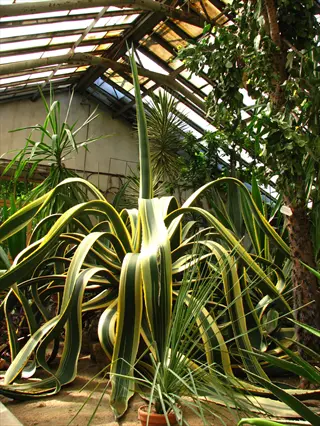
Agave Americana (Century Plant)
- Mature Size: Reaches up to 6 feet (1.8 meters) tall and 10 feet (3 meters) wide, making it one of the largest ornamental agave species available for garden landscapes.
- Cold Hardiness: Survives temperatures down to 15 degrees Fahrenheit (minus 9.4 degrees Celsius), suitable for USDA zones 8 through 11 in most regions.
- Best For: Large open landscapes and xeriscaping projects where its dramatic blue-gray rosette can serve as a bold architectural focal point.
- Growth Rate: Moderate grower that blooms between 10 and 30 years of age, producing a towering flower stalk up to 25 feet (7.6 meters) tall.
- Care Level: Beginner-friendly species that tolerates poor soil, full sun, and extended drought once established in well-drained ground or raised beds.
- Special Note: Several variegated cultivars exist with yellow or white leaf margins, adding striking color contrast to desert and Mediterranean-style garden designs.
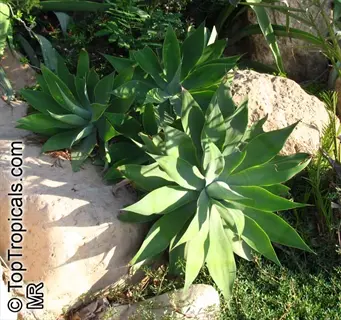
Agave Attenuata (Foxtail Agave)
- Mature Size: Grows 4 to 5 feet (1.2 to 1.5 meters) tall and wide, forming a soft, rounded rosette without the sharp terminal spines found on most agave species.
- Cold Hardiness: Tolerates temperatures down to 28 degrees Fahrenheit (minus 2.2 degrees Celsius), best suited for USDA zones 10 through 12 in frost-free areas.
- Best For: Poolside plantings, entryways, and high-traffic garden areas where spineless leaves make it safer around children and pets than spiny varieties.
- Growth Rate: Moderate to fast grower that produces a distinctive curved flower spike resembling a fox tail, earning its popular common garden name.
- Care Level: Easy to grow and one of the most forgiving agave species for beginners, thriving in partial shade as well as full sun locations.
- Special Note: Unlike most agave species, it tolerates partial shade well and can even develop richer green coloring when protected from intense afternoon sun.
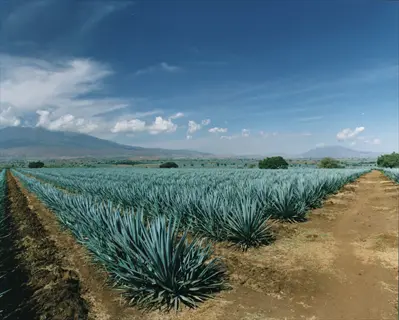
Agave Tequilana (Blue Agave)
- Mature Size: Reaches 5 to 8 feet (1.5 to 2.4 meters) tall with a similar spread, featuring striking blue-gray leaves with sharp terminal spines at each tip.
- Cold Hardiness: Sensitive to frost, tolerating only 28 degrees Fahrenheit (minus 2.2 degrees Celsius), which limits outdoor growing to USDA zones 9b through 11.
- Best For: Warm-climate gardens and collectors who want the iconic tequila production species as an ornamental conversation piece in their landscape.
- Growth Rate: Takes 6 to 8 years to reach harvest maturity for tequila production, with commercial cultivation spanning approximately 80,000 hectares across Mexico.
- Care Level: Intermediate grower that needs full sun, excellent drainage, and protection from any freezing temperatures to thrive outside its native habitat.
- Special Note: Only agave species legally permitted for authentic tequila production under Mexican denomination of origin rules, giving it major cultural and economic value in Mexico.
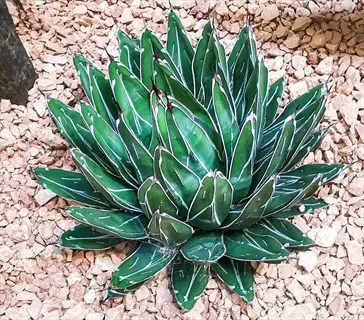
Agave Victoriae-Reginae (Queen Victoria)
- Mature Size: Compact species reaching only 12 to 18 inches (30 to 46 cm) tall and 18 to 24 inches (46 to 61 cm) wide, perfect for container growing.
- Cold Hardiness: Tolerates temperatures down to 10 degrees Fahrenheit (minus 12 degrees Celsius), making it one of the hardier small agave species for cooler climates.
- Best For: Container gardens, rock gardens, and indoor growing where its tight geometric rosette with white leaf markings creates a striking decorative accent.
- Growth Rate: Very slow growing species that may take 20 to 30 years to bloom, allowing decades of enjoyment before its monocarpic flowering event occurs.
- Care Level: Intermediate care needed because it is sensitive to overwatering and requires very fast-draining soil to prevent rot in its compact root zone.
- Special Note: White pencil-line markings along the leaf edges give each rosette a hand-painted appearance that makes this one of the most collectible agave species.
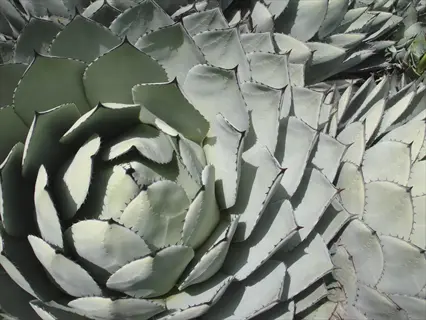
Agave Parryi (Parry's Agave)
- Mature Size: Grows 1 to 2 feet (0.3 to 0.6 meters) tall and 2 to 3 feet (0.6 to 0.9 meters) wide, forming a compact, symmetrical blue-gray rosette shape.
- Cold Hardiness: Extremely cold tolerant down to minus 20 degrees Fahrenheit (minus 29 degrees Celsius), making it suitable for USDA zones 5 through 11.
- Best For: Cold-climate gardens where most succulents fail, rock gardens, and alpine-style plantings that need a dramatic drought-tolerant accent species.
- Growth Rate: Slow to moderate grower that blooms between 15 and 25 years of age, then sends up a tall yellow flower spike before dying back.
- Care Level: Beginner-friendly once established, requiring minimal water and tolerating poor rocky soil, extreme cold, and intense summer heat with little attention.
- Special Note: One of the most cold-hardy agave species available, making it the go-to choice for gardeners in northern states who want desert aesthetics.
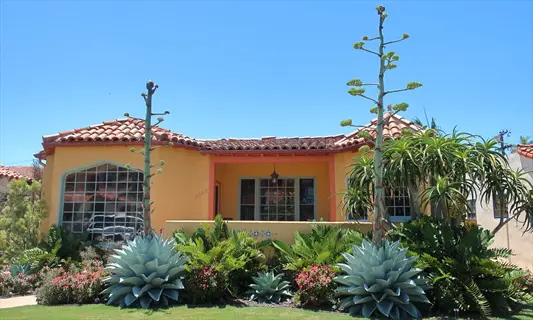
Agave Ovatifolia (Whale's Tongue)
- Mature Size: Reaches 3 to 5 feet (0.9 to 1.5 meters) tall and 4 to 6 feet (1.2 to 1.8 meters) wide, with wide, cupped leaves that inspired its common name.
- Cold Hardiness: Hardy down to 5 degrees Fahrenheit (minus 15 degrees Celsius), suitable for USDA zones 7 through 11 with reliable cold tolerance.
- Best For: Focal point plantings in medium to large gardens where its broad, powdery-blue leaves create a strong architectural statement visible from a distance.
- Growth Rate: Moderate grower that forms a dramatic solitary rosette over 10 to 15 years before eventually producing a tall flowering stalk at maturity.
- Care Level: Easy to grow for intermediate gardeners, tolerating a range of soils as long as drainage is good and it receives at least six hours of sun.
- Special Note: Found in the mountains of Nuevo Leon, Mexico, this species rose to fame fast and is now one of the most popular landscape agaves in gardens.
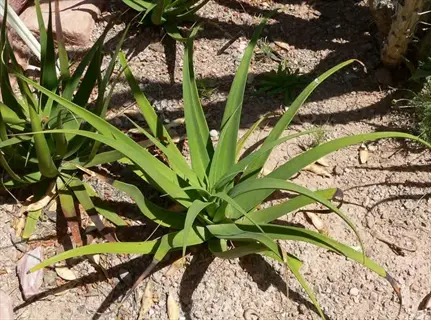
Agave Bracteosa (Spider Agave)
- Mature Size: Compact plant growing 1 to 2 feet (0.3 to 0.6 meters) tall with narrow, arching leaves that lack the terminal spines typical of most agave species.
- Cold Hardiness: Tolerates temperatures down to 5 degrees Fahrenheit (minus 15 degrees Celsius), making it a reliable choice for USDA zones 7 through 11.
- Best For: Shaded garden areas, understory plantings, and containers where its graceful arching form and spineless leaves create a softer, friendlier appearance.
- Growth Rate: Moderate grower that is polycarpic, meaning it can bloom multiple times without dying, unlike most monocarpic agave species.
- Care Level: Beginner-friendly with excellent shade tolerance, making it one of the easiest agave species to grow in partial shade or filtered light conditions.
- Special Note: One of the rare polycarpic agave species that survives flowering and continues to grow, offering years of blooms without the typical death-after-flowering pattern.
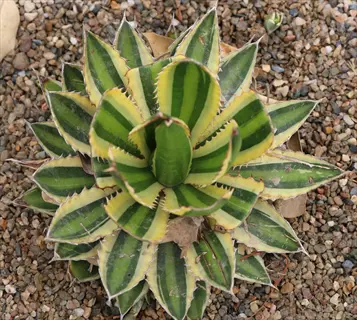
Agave Lophantha (Quadricolor)
- Mature Size: Medium-sized species growing 2 to 3 feet (0.6 to 0.9 meters) tall and 3 to 4 feet (0.9 to 1.2 meters) wide with stiff, upright pointed leaves.
- Cold Hardiness: Survives temperatures down to 10 degrees Fahrenheit (minus 12 degrees Celsius), suitable for USDA zones 7 through 11 in most garden settings.
- Best For: Border plantings and mixed succulent gardens where its multi-colored leaf striping adds visual interest alongside single-toned companion species.
- Growth Rate: Fast growing for an agave species, forming offsets and clumps that can fill garden spaces within just a few growing seasons.
- Care Level: Easy to grow and beginner-friendly, tolerating a wide range of conditions from full sun to partial shade with minimal maintenance requirements.
- Special Note: The Quadricolor cultivar displays four distinct colors on each leaf: green center, pale yellow midstripe, dark green margins, and reddish-brown teeth.
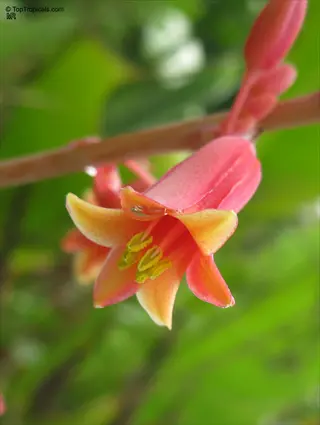
Agave Parviflora (Smallflower Agave)
- Mature Size: One of the smallest agave species at only 4 to 6 inches (10 to 15 cm) tall and 6 to 8 inches (15 to 20 cm) across, perfect for tiny spaces.
- Cold Hardiness: Hardy to approximately 10 degrees Fahrenheit (minus 12 degrees Celsius), suitable for USDA zones 7 through 11 with protection from winter moisture.
- Best For: Miniature gardens, windowsill collections, and rock gardens where its tiny rosette with white fiber markings adds delicate detail to small-scale plantings.
- Growth Rate: Very slow growing species that has the smallest flowers of all century plants, making it a unique collector piece rather than a landscape specimen.
- Care Level: Intermediate care required because its small size makes it vulnerable to overwatering and it needs very precise drainage to prevent root rot issues.
- Special Note: Classified as Endangered in Arizona and designated a Sensitive Species by the USDA Forest Service, with collection prohibited without conservation permits.
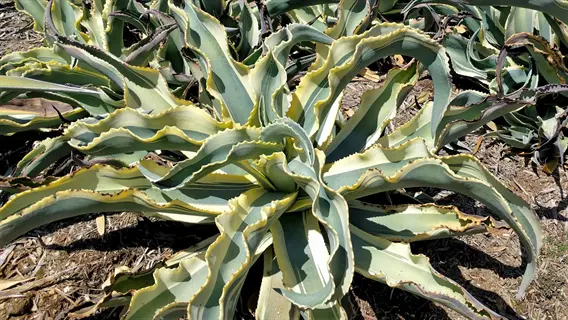
Agave Vilmoriniana (Octopus Agave)
- Mature Size: Grows 3 to 4 feet (0.9 to 1.2 meters) tall and 4 to 6 feet (1.2 to 1.8 meters) wide, with long, twisting leaves that curl like octopus arms.
- Cold Hardiness: Tender species tolerating only 25 degrees Fahrenheit (minus 3.9 degrees Celsius), best suited for USDA zones 9 through 11 in frost-free regions.
- Best For: Dramatic container displays and warm-climate gardens where its unique twisting leaf form creates an eye-catching sculptural accent unlike any other agave.
- Growth Rate: Moderate to fast grower that produces abundant bulbils (small plantlets) on its flower stalk, offering an easy propagation method for sharing with friends.
- Care Level: Intermediate care needed as it is more frost-sensitive than many species and requires protection or indoor storage during cold winter months in cooler areas.
- Special Note: Its spineless, curling leaves make it one of the safest large agave species for gardens with children or pets, combining drama with practical safety.
Your best pick depends on your climate, space, and effort level. If you're new to agave, try Agave americana or Agave parryi first. Both forgive mistakes with ease. If you live where winters hit hard, the cold hardy agave picks on this list can handle the frost for you.
Agave Plant Care Essentials
Good agave plant care starts with one rule: let the soil dry out between drinks. I lost my first 2 agave plants to root rot before I figured out that watering agave on a schedule kills them fast. These drought tolerant plants use CAM photosynthesis, which means they open their pores at night to take in CO2. Wet roots during that active period cause rot.
In my experience, the best approach is to treat your care routine as a seasonal rhythm rather than a fixed set of rules. Water more during summer when your agave grows and cut back to almost nothing in winter dormancy. A single deep soak beats frequent light watering every time. Full sun for 6 or more hours a day keeps your plant compact and strong.
Your soil mix matters just as much as your watering schedule when you learn how to grow agave. Use well-drained soil with at least 50% grit, perlite, or pumice mixed in. Each leaf on a healthy agave can live 12 to 15 years with the right care. Seeds sprout best at 77 to 86°F (25 to 30°C) with germination rates of 80 to 95%.
Here are 2 lesser known care tips that saved me a lot of trouble. Sprinkle cinnamon powder on the soil surface to fight fungal growth around your agave. If fungus gnats show up, use BTI drops in your water to kill larvae without harming the plant. Both tricks work great and cost almost nothing.
Agave vs Aloe vs Yucca
I can't count how many times someone asked me if their plant was an agave or an aloe. The agave vs aloe mix up is one of the most common mistakes new gardeners make. When I first started, I made the same error myself. These 3 plants look alike at a glance, but they come from different families and need different care.
The fastest way to tell them apart is by touch and structure. Agave has thick rigid leaves with a sharp terminal spine at each tip. Aloe has soft fleshy leaves filled with gel inside. Yucca grows fibrous sword shaped leaves on a raised trunk. Once you know what to feel for, succulent identification gets much easier.
Agave and aloe sit in two different plant families despite looking so alike. Agave is in the Asparagaceae group. Aloe is in the Asphodelaceae group. Think of the agave vs yucca link like cousins, not twins. People also mix up agave vs cactus, but cacti lack the wide rosette leaf pattern you see on agave.
The biggest care mistake from mixing up these plants is watering. Aloe needs more water than agave and handles indoor shade better. If you water an agave like you would an aloe, root rot will set in fast. Check the leaf texture first, then match your care routine to the right plant.
History and Cultural Uses
Most people think of agave tequila when they hear this plant's name. But the story goes back 8,000 years before anyone ever thought of making spirits. Ancient people in the Chihuahuan Desert wove agave fiber into sandals that still survive today. That makes agave one of the oldest companion plants in human history.
I spent time in Jalisco, Mexico and saw how agave uses still shape daily life. The Hohokam grew over 100,000 plants to feed their people. Aztec pulque rituals shaped whole cultures. You can see agave's ethnobotanical history all around you there.
Ancient Fiber and Food Source
- 8,000 Years Ago: Archaeological evidence from the Chihuahuan Desert reveals agave fiber woven into sandals, representing one of the oldest documented uses of any plant by humans in the Americas.
- Hohokam Civilization: The Hohokam people of the American Southwest harvested approximately 10,000 agaves annually from cultivated plots of over 100,000 plants for food, fiber, and tools.
- Pre-Columbian Applications: Ancient civilizations used agave for food, beverages, rope, paper, medicine, soap, arrow poison, building poles, and living fences surrounding their settlements.
Pulque and Mezcal Traditions
- Sacred Beverage: Pulque, a milky fermented drink made from agave sap (aguamiel), held spiritual significance in Aztec culture and was consumed during religious ceremonies and celebrations.
- Modern Production Scale: Mexican aguamiel and pulque production today spans nearly 20,000 hectares, generating an annual output of approximately 200 million liters across the country.
- Aguamiel Harvest: A single agave plant can yield roughly 700 liters of aguamiel over a 4-to-6-month collection period before the plant exhausts its energy reserves.
Tequila Industry Growth
- Modern Cultivation: Commercial tequila production from blue agave (Agave tequilana) occupies approximately 80,000 hectares of farmland across Mexico, primarily in Jalisco.
- Rapid Expansion: Tequila production doubled from 104 million liters to 243 million liters between 1995 and 2006, reflecting surging global demand for the spirit.
- Byproduct Volume: Tequila processing generates approximately 750,000 metric tons of bagasse (fibrous pulp waste) annually, driving research into sustainable reuse opportunities.
Fiber and Industrial Uses
- Sisal Production: Agave sisalana fiber (sisal) remains one of the most important natural fibers on the planet, used for rope, twine, carpet backing, and biodegradable composite materials.
- Pharmaceutical Source: Hecogenin, a sapogenin extracted from agave leaves, serves as a starting material for manufacturing steroid drugs in the modern pharmaceutical industry.
- Bioenergy Research: Scientists are studying agave as a potential bioenergy crop for marginal arid lands, with yields of 25 to 26 metric tons per hectare without irrigation.
From sandals to mezcal to sisal rope, agave has served humans for thousands of years. The agave fiber and tequila jobs keep millions of people working in Mexico today. That kind of track record puts your garden agave in a class of its own among all the plants you can grow at home.
Agave Health and Nutrition
You might be shocked to learn that agave offers real agave health benefits backed by clinical science. A 2015 trial gave 38 healthy adults just 5 grams of agave fructans each day. The results showed big jumps in good gut bacteria. Agave inulin works as a strong agave prebiotic that feeds the healthy microbes in your gut.
But here's where you need the full picture for your gut health goals. Agave nectar is a different product and it contains 70 to 90% fructose. That's more fructose than you'll find in corn syrup. Raw agave fructans boost your gut flora, but processed agave nectar can stress your liver if you use too much of it.
I tested agave fructan powder in my own morning smoothie for about 3 months. The trial data matches what I felt: better digestion with zero side effects. Agave fructans dissolve in cold water, which makes them easier to add to drinks and food. If you want a prebiotic boost, grab raw agave fructan powder over the sweet nectar on store shelves.
Pests, Problems, and Fixes
Even tough plants run into agave problems from time to time. When I first started growing agave, I lost 3 plants to the agave snout weevil alone. That loss taught me how to spot the signs early. The key to fighting agave pests is spotting symptoms before the damage goes too far.
Overwatering causes more agave deaths than any bug or disease. Root rot and crown rot both start with too much moisture sitting around the base of your plant. Mealybugs and scale show up when air flow drops and your plants sit too close together. The guide below walks you through each problem and gives you a clear fix.
Agave Snout Weevil
- Symptoms: Plant collapses at the base, leaves become loose and pull away with ease, and a foul smell indicates bacterial infection introduced by weevil larvae feeding inside.
- Prevention: Apply systemic insecticide with imidacloprid around the base each spring before weevil activity begins, and inspect plants often for small entry holes near the crown.
- Treatment: Once a plant collapses, it is too late to save it; remove and destroy the infected plant to prevent weevil larvae from spreading to your other agave specimens.
Root and Crown Rot
- Symptoms: Lower leaves turn yellow or brown and become mushy at the base, the plant develops a soft spot near the soil line, and a sour smell may emerge from wet soil.
- Prevention: Use fast-draining soil with at least 50% grit or perlite, plant the crown above soil level, and avoid watering during cool dormant months.
- Treatment: Remove the plant from soil, cut away all rotted tissue with a sterile blade, let the wound dry for 3 to 5 days, and replant in fresh dry soil mix.
Mealybugs and Scale Insects
- Symptoms: White cottony masses appear at leaf bases and between leaves, sticky honeydew residue develops on surfaces, and black sooty mold may follow heavy infestations over time.
- Prevention: Inspect new plants before adding them to your collection, and maintain good air flow around plants to stop pest buildup in tight spaces.
- Treatment: Apply rubbing alcohol with a cotton swab for small infestations, or release Cryptolaemus montrouzieri ladybirds as biological control for larger outbreaks.
Frost and Freeze Damage
- Symptoms: Leaf tips and margins turn black or see through after cold exposure, mushy water soaked patches appear on upper leaves, and the plant may lean or collapse in bad cases.
- Prevention: Choose species rated for your climate zone, move container plants indoors before freezes, and cover in ground plants with frost cloth for warmth.
- Treatment: Wait until new growth appears in spring before removing damaged leaves, as frozen tissue can still protect the inner core from more cold snaps during late winter.
Honeybees account for about 50.5% of all agave flower visits, so keep your pest treatments away from open blooms. In my experience, good care prevents most agave problems before they start. Check your plants every week and you'll catch issues early enough to save them.
5 Common Myths
Agave plants are the same as aloe vera because they both have thick, spiny leaves and grow in dry regions.
Agave belongs to the Asparagaceae family while aloe belongs to Asphodelaceae; they are taxonomically distinct despite similar appearance and growing conditions.
Century plants truly take one hundred years to bloom, which is why they earned their famous common name.
Most agave species bloom between 6 and 30 years depending on species and growing conditions, not a full century as the name suggests.
Agave plants need no water at all once established because they are desert succulents built to survive without moisture.
While extremely drought tolerant, agave plants benefit from occasional deep watering during hot summers, especially container-grown specimens that dry out faster.
Agave nectar is a healthy natural sweetener and a much better alternative to refined sugar for everyday cooking.
Agave nectar contains 70 to 90 percent fructose, which is higher than high-fructose corn syrup, and excessive consumption may stress the liver over time.
All agave species are tropical plants that will die immediately if exposed to any frost or cold weather.
Several agave species tolerate temperatures well below freezing, with Agave parryi surviving down to minus 20 degrees Fahrenheit (minus 29 degrees Celsius).
Conclusion
Your agave plant connects you to 8,000 years of human history and a smarter future for your garden. From the 10 varieties we covered to the care, health, and pest tips above, you now have what you need to grow these plants well. The century plant earned its noble name for good reason.
When I first started my collection, I had no idea agave would solve so many garden problems. Water-wise gardening matters more every year as drought tolerant plants gain fans across the western states. A single agave rosette gives you bold garden design while cutting your water bill. Few plants offer that kind of return.
Good succulent care starts with respect for how these plants work. Give your agave the right soil, light, and space to thrive. Skip the overwatering and watch for pests each week. Agave has survived harsh conditions for thousands of years without much help from us.
Start with a beginner species like Agave parryi or Agave americana and work your way up from there. Every agave plant you add to your yard brings a piece of that ancient story into your own space. These plants reward patience and they don't ask for much in return.
External Sources
Frequently Asked Questions
What is the agave plant used for?
Agave plants are used for tequila and mezcal production, fiber (sisal), sweeteners (agave nectar), ornamental landscaping, and traditional medicine.
Is agave the plant for tequila?
Yes, tequila is made exclusively from blue agave (Agave tequilana), grown primarily in Jalisco, Mexico, across roughly 80,000 hectares.
Is agave a good indoor plant?
Smaller agave species like Agave victoriae-reginae and Agave attenuata thrive indoors with bright light and well-drained soil.
What is agave called in India?
In India, agave is commonly called kantala or ramban, and Agave sisalana is widely cultivated for fiber production.
Why avoid agave?
Some people avoid agave nectar because it is very high in fructose, and the plant sap can cause skin irritation on contact.
What is so special about agave?
Agave is special for its CAM photosynthesis, monocarpic blooming cycle, 8,000-year history of human use, and proven prebiotic benefits.
Is all tequila 100% agave?
No, only tequila labeled 100% agave uses pure blue agave sugars; mixto tequila can contain up to 49% non-agave sugars.
Can tequila be made without agave?
No, true tequila must be made from blue agave by Mexican law; spirits made without agave cannot legally be called tequila.
Why are agave plants so expensive?
Agave plants are expensive because they grow slowly, take years to mature, and rising tequila demand has increased competition for supply.
What kills agaves?
The top agave killers are overwatering, root rot, agave snout weevil infestations, and prolonged freezing temperatures.