
Introduction
Cactus plants come in over 2,000 species across the globe. Some are tiny enough to sit in your palm. Others tower past 40 feet tall in the desert sun. The Cactaceae family holds trees, vines, dwarfs, and giants. It even includes plants that grow on tree branches in tropical forests. No other plant family matches this kind of variety.
Think of cacti as the camels of the plant world. They store water in their thick stems the same way camels store fat in their humps. This trick lets them survive months without rain in harsh places. I've kept cactus plants on my windowsill for over 8 years, and their toughness still impresses me every day.
Most people don't know that 60 to 90% of all cactus species face threats from climate change right now. That makes them one of the most at risk plant families on the planet. Learning about the types of cactus helps you pick the right one for your home. It also helps you make smarter choices at the nursery.
This guide walks you through the most popular cactus species and the care basics you need to know. You'll find health benefits backed by real research. You'll also learn how to spot problems before they hurt your plant.
10 Popular Cactus Plants
I've grown more than 30 cactus varieties over the years. These 10 are the ones I keep coming back to again and again. Each species earned its spot through a mix of good looks, easy care, and wide access at local stores. You'll find indoor cactus picks for small spaces alongside outdoor desert giants.
Cactus spines are modified leaves that lost their ability to move water or do normal plant work. Some spines even pull moisture from fog in the air. These popular cacti have adapted to tough conditions in ways that still amaze me. You'll find pet safety info in every entry below, which makes this list great for any cactus for beginners buyer.

Saguaro Cactus
- Scientific Name: Carnegiea gigantea is the iconic tall cactus of the American Southwest, growing up to 40 feet (12 meters) tall over its 150 to 200 year lifespan.
- Light Needs: Requires full direct sunlight for at least 6 hours daily and thrives best outdoors in USDA hardiness zones 9 through 11 in dry desert climates.
- Watering: Water sparingly every 2 to 4 weeks during the growing season and stop watering completely during the cold winter dormancy period from November through February.
- Best For: Outdoor desert landscapes and xeriscaping projects in warm arid regions, not suitable for indoor growing due to its massive eventual size.
- Pet Safety: Non-toxic to cats and dogs but the large sharp spines can cause serious puncture wounds so keep away from pets and children.
- Unique Trait: Protected by law in Arizona where it is illegal to cut down or remove a wild saguaro, and the species can absorb enough water to increase its weight by 20% after a single rainfall.
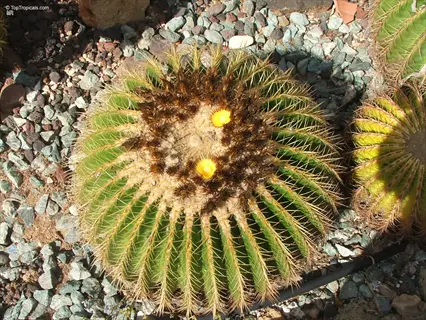
Golden Barrel Cactus
- Scientific Name: Echinocactus grusonii is a round globe-shaped cactus covered in golden-yellow spines that grows up to 3 feet (90 centimeters) wide over several decades.
- Light Needs: Prefers full sun to partial shade and does well on bright south-facing windowsills indoors or in rock gardens outdoors in USDA zones 9 through 11.
- Watering: Water every 10 to 14 days in spring and summer, reducing to once monthly in winter when the plant enters its natural dormancy cycle.
- Best For: Both indoor containers and outdoor rock gardens, making it one of the most versatile cacti for beginners who want a classic rounded desert look.
- Pet Safety: Non-toxic to household pets but the dense covering of stiff spines can easily poke curious cats and dogs if they get too close.
- Unique Trait: This species is critically endangered in its native habitat in central Mexico but widely cultivated worldwide, making nursery-grown specimens an ethical purchasing choice.
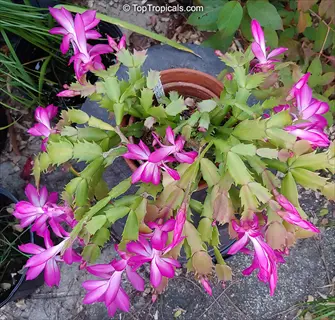
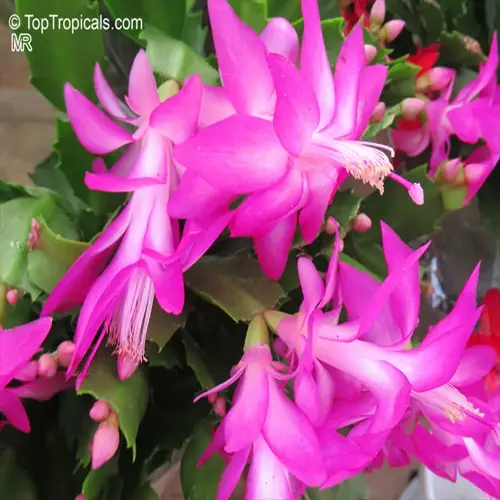
Christmas Cactus
- Scientific Name: Schlumbergera bridgesii is a forest cactus native to Brazilian rainforests that blooms in pink, red, or white flowers during the winter holiday season.
- Light Needs: Prefers bright indirect light unlike desert cacti, and needs 12 hours of uninterrupted darkness daily for several weeks to trigger its signature holiday blooming cycle.
- Watering: Water more frequently than desert cacti, keeping soil slightly moist but never waterlogged, approximately once every 7 to 10 days during active growth.
- Best For: Indoor growing in hanging baskets or shelves where its trailing segmented stems can cascade down, perfect for rooms with moderate indirect light.
- Pet Safety: Non-toxic to cats, dogs, and humans, making it one of the safest cactus choices for homes with curious pets and small children.
- Unique Trait: Unlike most cacti this species has no spines at all and its flat leaf-like stem segments are actually modified branches called cladodes that photosynthesize.
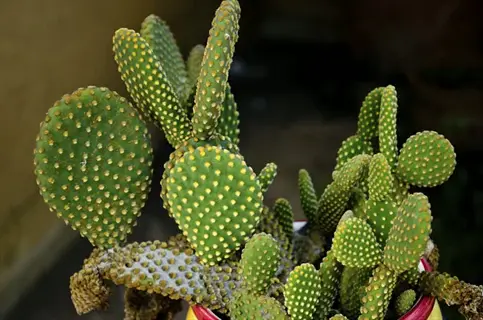
Bunny Ear Cactus
- Scientific Name: Opuntia microdasys features flat oval pads covered in tiny hair-like glochids instead of large spines, growing up to 2 feet (60 centimeters) tall.
- Light Needs: Thrives in full sun with at least 6 hours of direct sunlight daily and can be grown outdoors year-round in USDA hardiness zones 9 through 11.
- Watering: Water every 2 to 3 weeks during spring and summer, and reduce to once monthly in winter, always allowing the soil to dry completely between waterings.
- Best For: Tabletop displays and windowsill gardens where its adorable twin-pad shapes resemble rabbit ears, making it a popular gift plant and conversation starter.
- Pet Safety: Non-toxic but the tiny barbed glochids detach easily on contact and embed in skin or fur, causing irritation that can be difficult to remove.
- Unique Trait: This species is culturally considered a lucky plant in several traditions and its larger Opuntia relatives produce edible prickly pear fruits rich in vitamins.
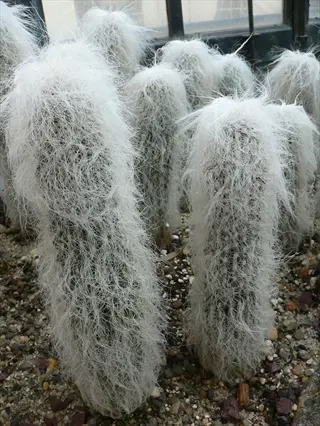
Old Man Cactus
- Scientific Name: Cephalocereus senilis is a columnar cactus covered in long white hair-like spines that can grow up to 20 feet (6 meters) tall in its native Mexico.
- Light Needs: Requires bright direct sunlight for a minimum of 6 hours daily and does best near unobstructed south-facing windows when grown indoors.
- Watering: Water sparingly every 2 to 3 weeks in the growing season and even less in winter, as the woolly covering traps moisture and increases rot risk.
- Best For: Indoor growing as a slow-growing novelty specimen that stays manageable in size for many years, typically reaching 1 to 2 feet (30 to 60 centimeters) indoors.
- Pet Safety: Non-toxic to cats and dogs, though the long wispy spines hidden beneath the soft-looking white hair can scratch skin if handled without gloves.
- Unique Trait: The white hair serves as natural sun protection in the wild, reflecting harsh ultraviolet rays and insulating the stem from extreme temperature swings between day and night.
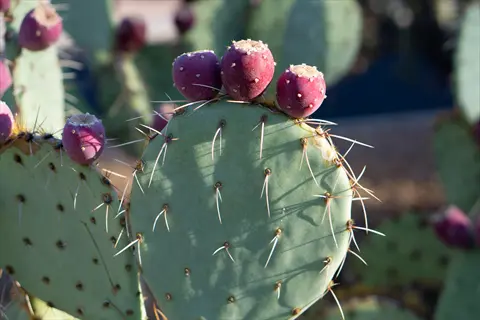
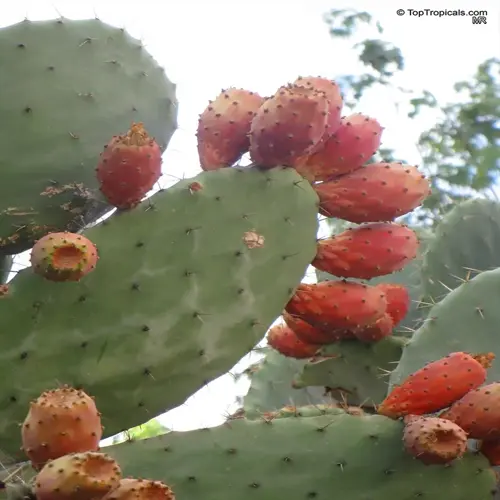
Prickly Pear Cactus
- Scientific Name: Opuntia ficus-indica is one of the most widely cultivated edible cacti, producing both nopales pads and sweet prickly pear fruits used in cooking worldwide.
- Light Needs: Full sun is essential with at least 6 to 8 hours of direct sunlight daily, and this species tolerates a range of climates from USDA zones 4 through 11 depending on variety.
- Watering: Very drought tolerant once established, needing water only every 2 to 4 weeks in summer and almost none in winter when grown outdoors in the ground.
- Best For: Outdoor landscapes, edible gardens, and xeriscaping projects where its flat pads create striking architectural forms and produce edible fruit in late summer.
- Pet Safety: Non-toxic and the pads and fruit are edible for humans, but the spines and tiny glochids can cause mouth and stomach irritation if a pet chews on a pad.
- Unique Trait: Cactus pear fruit contains 180 to 300 milligrams per kilogram of Vitamin C, which is higher than apple, banana, or grape according to published nutritional research.
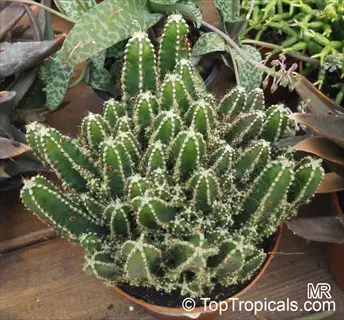
Fairy Castle Cactus
- Scientific Name: Acanthocereus tetragonus is a columnar cactus with multiple branching stems of varying heights that resemble the turrets and towers of a miniature castle.
- Light Needs: Prefers bright indirect to full sunlight and does well indoors near east or south-facing windows with 4 to 6 hours of light per day.
- Watering: Water every 10 to 14 days during the active growing months and reduce to every 3 to 4 weeks in winter when growth naturally slows down.
- Best For: Small indoor spaces, desks, and windowsills because its slow growth and compact branching habit keep it at a manageable size for many years.
- Pet Safety: Non-toxic to cats, dogs, and humans, with relatively small and thin spines that pose less risk than larger barrel or columnar cactus species.
- Unique Trait: Despite being widely sold as Fairy Castle cactus, this species very rarely blooms in indoor cultivation and most owners will never see its large white nocturnal flowers.
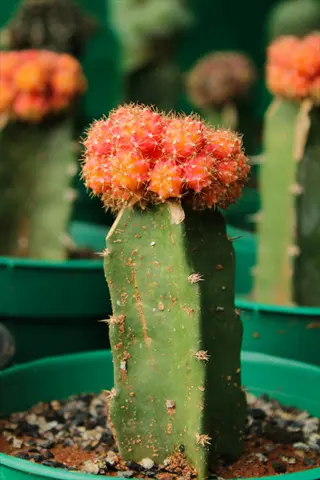
Moon Cactus
- Scientific Name: Gymnocalycium mihanovichii is a grafted cactus where a colorful red, orange, or yellow top is attached to a green rootstock cactus that provides photosynthesis.
- Light Needs: Prefers bright indirect light rather than harsh direct sun because the colorful grafted top lacks chlorophyll and can sunburn easily under intense rays.
- Watering: Water every 10 to 14 days in summer and monthly in winter, being careful not to overwater as the graft junction is susceptible to rot.
- Best For: Indoor desks, shelves, and tabletops as a small colorful accent plant that stays compact and is widely available at garden centers and grocery stores.
- Pet Safety: Non-toxic to cats and dogs, and its small size and short spines make it one of the safer cactus options for households with animals.
- Unique Trait: The colorful top cannot survive alone because it lacks chlorophyll for photosynthesis, making it entirely dependent on its green grafted rootstock for sugar production.
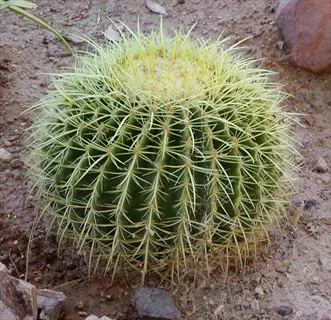
Barrel Cactus
- Scientific Name: Ferocactus species are large globe-to-barrel-shaped desert cacti known for their prominent ribs and thick hooked spines, reaching 3 to 10 feet (1 to 3 meters) tall.
- Light Needs: Demands full direct sunlight for 6 or more hours daily and does best outdoors in warm arid climates within USDA hardiness zones 9 through 11.
- Watering: Extremely drought tolerant, requiring water only every 3 to 4 weeks in summer and no watering at all during the cooler winter dormancy months.
- Best For: Outdoor desert gardens, rock gardens, and large container plantings where its imposing size and architectural form create dramatic focal points in the landscape.
- Pet Safety: Non-toxic but the large curved fishhook spines are genuinely dangerous and can cause deep puncture wounds to pets and people who get too close.
- Unique Trait: Some barrel cactus species lean toward the south to maximize sun exposure, earning them the nickname compass cactus from early desert travelers.
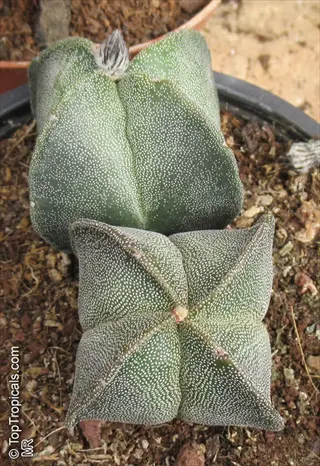
Star Cactus
- Scientific Name: Astrophytum asterias is a small flat spineless cactus with a star-shaped pattern of white dots on its surface, growing only 2 to 6 inches (5 to 15 centimeters) wide.
- Light Needs: Prefers bright filtered light or morning sun with afternoon shade, as direct harsh midday sun can scorch its delicate skin that lacks protective spines.
- Watering: Water carefully every 2 to 3 weeks in summer and stop entirely in winter, as this species is extremely sensitive to overwatering and root rot.
- Best For: Collectors and experienced growers who appreciate its unique star shape and delicate yellow flowers, best grown in small terracotta pots with fast-draining mix.
- Pet Safety: Non-toxic and completely spineless, making it the safest cactus choice for homes with pets and young children who might touch or grab plants.
- Unique Trait: This species is critically endangered in the wild in southern Texas and northern Mexico, and commercial plants should always be nursery propagated not wild collected.
Start with a Golden Barrel or Christmas Cactus if you're new to growing cactus plants. Both forgive missed watering days and less than perfect light. These cactus varieties won't give up on you even when you make rookie mistakes.
Desert and Forest Cacti
In my experience the biggest mistake new growers make is treating every cactus the same way. A desert cactus and a forest cactus need very different care to stay alive. Desert types store water at ground level in dry sand and bake under full sun. Forest types grow as epiphytes on tree branches in rain forest canopies where moisture wraps around them all day.
Your Christmas cactus won't survive the same treatment you give a barrel cactus. When I first brought a forest cactus home, I put it in direct sun and watched it burn within a week. Rain forest cacti need more water, bright indirect light, and higher humidity. Using desert care routines on a forest cactus is the top reason these plants fail indoors. Check the table below to match your cactus light requirements to the right species.
You need to give your forest cactus 12 hours of total darkness each night for weeks before bloom season. I put mine in a closet every evening at 6 PM and bring it back out at 6 AM. That simple routine gives me flowers every single year.
Cactus Care Essentials
Good cactus care comes down to 4 pillars: watering, light, soil and pots, and feeding. I've killed more cacti from overwatering cactus than from any other mistake. Most growers give their plants too much water, not too little. Keep your cactus in the 65°F to 80°F range and follow the guide below for each care pillar.
The growing season runs from March through September for most species. That's when your cactus needs the most attention for watering cactus on a set schedule. Winter is rest time. During those cold months you cut back on water and stop feeding until spring comes around again. The right cactus soil and a good pot make all the difference between a thriving plant and a rotting one.
Watering Schedule by Season
- Spring and Summer: Water desert cacti every 10 to 14 days when the top 1 to 2 inches (2.5 to 5 centimeters) of soil feel completely dry, increasing frequency slightly during heat waves above 90°F (32°C).
- Fall and Winter: Reduce watering to once every 3 to 4 weeks during dormancy from October through February, as cacti slow their metabolism and excess moisture causes root rot.
- Bottom Watering Method: Place the pot in a tray of water for 15 to 20 minutes and let the soil absorb moisture upward through the drainage holes, which encourages deeper root growth.
- Top Watering Method: Pour water around the base of the plant until it drains from the bottom holes, then empty the saucer after 10 minutes to prevent standing water.
Light and Placement Tips
- Window Selection: South-facing windows provide the strongest light for desert cacti, while east-facing windows offer gentler morning sun that works well for forest types and sensitive species.
- Supplemental Lighting: If natural light is limited, use full-spectrum grow lights positioned 6 to 12 inches (15 to 30 centimeters) above the plant for 12 to 14 hours during winter months.
- Sunburn Prevention: Move new cacti into direct sun over 2 weeks because sudden exposure to intense light causes permanent brown or white scorch marks on the skin.
- Rotation Habit: Rotate pots a quarter turn every 2 weeks to ensure even growth and prevent the cactus from leaning toward the light source.
Soil and Container Choices
- Ideal Mix: Combine equal parts peat moss, garden soil, and coarse sand or perlite for a well-draining soil that mimics natural desert conditions.
- Terracotta Pots: Unglazed clay pots are the best choice because their porous walls let excess moisture evaporate, reducing the risk of overwatering and root rot.
- Plastic Pots: These are lightweight and cheap but retain moisture much longer than terracotta, so reduce your watering by 30 to 50% when using plastic containers.
- Drainage Rule: Always choose pots with at least one drainage hole at the bottom, as cacti planted without drainage will develop fatal root rot.
Fertilizing and Repotting
- Feeding Schedule: Apply a low nitrogen cactus fertilizer with a 5-10-5 NPK ratio once a month from June through September during the active growing season.
- Avoid Winter Feeding: Never fertilize during dormancy from October through May because the plant cannot absorb nutrients and salts build up in the cactus soil.
- Repotting Cactus Timing: Repot every 2 to 3 years in spring when new growth begins, choosing a container 1 to 2 inches (2.5 to 5 centimeters) larger than the current pot.
- Handling Tips: Use folded newspaper, thick leather gloves, or silicone tipped tongs to grip the cactus during repotting and avoid getting spines stuck in your skin.
In my experience, switching from plastic to terracotta pots was a game changer. I made the swap about 3 years ago. My overwatering problems dropped to near zero because the clay pulls extra moisture out on its own.
Cactus Propagation Methods
You can grow your cactus collection at home without spending more cash at the nursery. When I first learned how to propagate cactus, I was shocked at how simple it was. Most guides only cover cactus cuttings and cactus pups. Here you'll find 4 proven methods that work at every skill level.
Cactus spines grow from special spots called areoles on the stem. One species pushes out around 3,000 modified leaves in a single growing season. That growth energy helps your cuttings root fast. You just need to give your offset or cutting the right start and then stay patient.
Offsets and Pups
- What They Are: Small baby plants that grow from the base or sides of the parent cactus, sharing its root system until they develop their own roots and can survive on their own.
- How to Remove: Wait until the cactus pups reach at least 1 inch (2.5 centimeters) wide, then twist gently or cut with a clean sterile knife at the narrowest connection point.
- Rooting Process: Let the cut surface dry and form a callous for 3 to 7 days in shade before planting in dry cactus mix, then wait 2 weeks before the first watering.
Stem Cuttings
- Best Candidates: Branching cacti like Opuntia pads, Cereus columns, and Epiphyllum segments root best from clean straight cuts through green tissue.
- Cutting Technique: Use a sharp sterile blade to make a clean cut, then place the cactus cuttings upright in an empty container in indirect light for 5 to 14 days until a dry callous forms.
- Planting and Care: Insert the calloused end 1 to 2 inches (2.5 to 5 centimeters) into dry cactus mix, mist after one week, and begin normal watering once new growth appears.
Seed Germination
- Seed Sources: Purchase seeds from trusted suppliers or harvest them from ripe cactus fruits, keeping in mind that seeds from hybrid plants may not produce identical offspring.
- Germination Setup: Sow seeds on moist fine cactus mix in a covered tray to maintain humidity, place in bright indirect light at 70°F to 80°F (21°C to 27°C).
- Timeline: Most cactus seeds sprout in 2 to 6 weeks but seedlings grow very slow and may take 1 to 3 years to reach a size suitable for their own pot.
Grafting Basics
- Why Graft: Cactus grafting joins a colorful top called the scion to a green rootstock, and it is the only way to keep varieties like moon cactus alive long term.
- How It Works: Cut both the scion and rootstock with a sterile blade to expose flat surfaces, press them together to align the rings, and secure with rubber bands for 2 to 4 weeks.
- Best Rootstock: Dragon fruit cactus and Myrtillocactus are the most popular rootstock species because of their fast growth and strong systems for feeding the scion.
I started with cactus pups from a barrel cactus 5 years ago and now have 12 plants from that single parent. Cactus propagation takes patience, but the results are worth every week you spend waiting for roots to form.
Health Benefits of Cactus
Most people only think of cacti as house plants, but I tested edible cactus species and found real cactus health benefits backed by science. Prickly pear benefits go far beyond just looking nice on your shelf. Research from the Journal of Food Science shows that cactus has huge potential as a future food source.
The cactus nutritional value numbers below come from real research studies. Scientists compared cactus pear fruit to fruits you eat every day. Cactus pear packs Vitamin C at 180 to 300 mg per kilogram, which beats apple, banana, and grape. Nopales pads and prickly pear fruit give you vitamins, minerals, and strong plant compounds in every bite. Cactus seed oil holds 53.5 to 70.29% omega 6 fatty acids, topping even sunflower oil.
I started adding nopales to my meals about 2 years ago after reading these studies. The taste is mild and works great in salads and egg dishes. You get solid nutrition from an edible cactus that costs very little at most Latin grocery stores.
Pests and Common Problems
Even tough cacti run into cactus problems now and then. The trick is to catch issues early before they spread. In my experience, most cactus pests show up when you least expect them. Overwatering signs are the first thing you should watch for because root rot kills faster than any bug. Below you'll find the 4 most common symptoms and how to fix each one.
Clemson research names aphids, spider mites cactus attacks, mealybugs cactus, and scale as the top 4 pest threats. Neem oil works as a safe treatment for most of these bugs. Corking looks scary but it's just natural aging, not a disease at all.
Mushy Base or Stem Rot
- Symptoms: The base of your cactus turns soft, dark brown or black, and may smell bad as the tissue breaks down from too much water or poor drainage.
- Cause: Root rot from sitting in wet soil, using pots without drainage holes, or watering too often during winter dormancy when the plant does not absorb moisture.
- Treatment: Cut away all soft rotted tissue with a sterile blade until firm green flesh remains, let the wound dry for 5 to 7 days, and replant in fresh dry cactus mix.
White Cottony Patches
- Symptoms: Small white fluffy clusters appear in the joints between stem segments, around areoles, or near the soil line looking like tiny cotton balls stuck to the plant.
- Cause: Mealybug infestation from tiny sap sucking insects that hide under waxy white coverings and spread fast between plants sitting close together on your windowsill.
- Treatment: Dab each visible mealybug with a cotton swab dipped in 70% rubbing alcohol, then spray the whole plant with neem oil diluted to 2 tablespoons per 1 quart of water.
Fine Webbing and Pale Spots
- Symptoms: Tiny pale dots appear on the cactus skin along with fine silky webbing between spines, and the plant surface may look dusty or faded in color.
- Cause: Spider mite infestation thrives in hot dry indoor conditions with low humidity, and these tiny arachnids feed by puncturing plant cells to drain their contents.
- Treatment: Boost humidity around the plant, spray with a strong stream of water to knock off mites, then apply neem oil every 5 to 7 days for 3 weeks straight.
Leaning or Stretching Growth
- Symptoms: Your cactus grows tall and thin with pale color, leans hard toward the nearest light source, or develops narrow weak sections that look stretched compared to the base.
- Cause: Not enough light forces the plant to stretch its stem fast searching for brighter conditions instead of growing compact and producing strong spines.
- Treatment: Move the cactus to a brighter spot over 1 to 2 weeks, and note that stretched growth cannot be reversed but new growth will return to normal with proper light.
5 Common Myths
Cacti never need any water at all because they are desert plants that store everything they need permanently.
Cacti do store water in their stems but they still need regular watering during the growing season, typically every 10 to 14 days in summer and monthly in winter.
All cactus plants require direct full sunlight all day long and will die without it.
Forest cacti like Christmas cactus and orchid cactus actually prefer bright indirect light, and even desert cacti can suffer sunburn from sudden exposure to intense afternoon sun.
Cacti grow extremely slowly and will never change size or shape once you bring them home.
Growth rates vary widely by species. Some like Cleistocactus strausii produce approximately 3,000 leaves per growing season, and many columnar cacti can grow several inches per year with proper care.
You should mist your cactus with water regularly to keep the spines clean and the plant hydrated.
Misting creates excess humidity around the stem that encourages fungal infections and rot. Water the soil directly instead and allow it to dry out completely between waterings.
Cactus plants are all poisonous and dangerous to keep around pets and small children.
Most true cacti are non-toxic to cats, dogs, and humans. The primary safety concern is mechanical injury from spines, not chemical toxicity from the plant tissue itself.
Conclusion
Cactus plants give you one of the most rewarding indoor hobbies with very little effort. You now know how to pick the right cactus species from over 2,000 options in the Cactaceae family. Desert and forest types need different cactus care routines. Getting that right is half the battle.
The health benefits caught me off guard when I first dug into the research. Cactus pear delivers more Vitamin C than apple, banana, or grape per weight. Growing your own indoor cactus at home opens the door to propagation too. One plant can turn into a whole collection at no extra cost.
One thing I want you to keep in mind is that 60 to 90% of all cactus species face threats from climate change right now. When you buy your next plant, choose nursery grown specimens instead of wild collected ones. That small choice makes a big difference for the future of these amazing plants.
Start with one cactus, give it the right light and water, and watch it grow. Your new cactus plants will reward your patience with years of low maintenance beauty in any room you put them in.
External Sources
Frequently Asked Questions
Is cactus plant good for home?
Yes, cactus plants are excellent for homes because they require minimal watering, tolerate dry indoor air, and come in many decorative shapes and sizes suitable for any room.
What is special about a cactus?
Cacti are special because they store water in thick stems, perform photosynthesis through their bark, and have spines instead of leaves, allowing them to thrive in harsh desert conditions.
Do cactus like full sun or shade?
Most desert cacti prefer full sun with at least 4 to 6 hours of direct light daily, while forest cacti like Christmas cactus prefer bright indirect light or partial shade.
Is cactus high in potassium?
Yes, cactus pear fruit contains 90 to 217 milligrams of potassium per 100 grams of fresh fruit, making it a moderate to good source of this essential mineral.
Can cactus survive in a room?
Yes, many cactus species survive well indoors when placed near a bright window, watered sparingly, and planted in well-draining soil.
How to make a cactus happy?
Provide bright light, water only when the soil is completely dry, use well-draining cactus mix, and fertilize with low-nitrogen fertilizer during the growing season from June through September.
Which cactus is lucky?
The Jade plant, Bunny Ear cactus, and Christmas cactus are often considered lucky plants in various cultural traditions, believed to attract prosperity and positive energy.
Do cactus need a lot of water?
No, cacti need very little water compared to most plants. Water desert types every 10 to 14 days in summer and once a month in winter when they are dormant.
Is cactus good for high blood pressure?
Some research suggests Opuntia cactus may help manage blood pressure due to its potassium content and documented anti-inflammatory properties, but consult a doctor before using it medicinally.
Does baking soda help cactus?
Baking soda mixed with water can act as a mild fungicide to treat fungal infections on cacti, but it should be used sparingly as excessive application can alter soil chemistry.