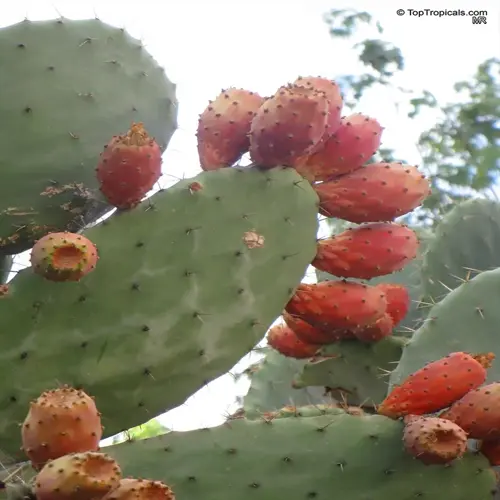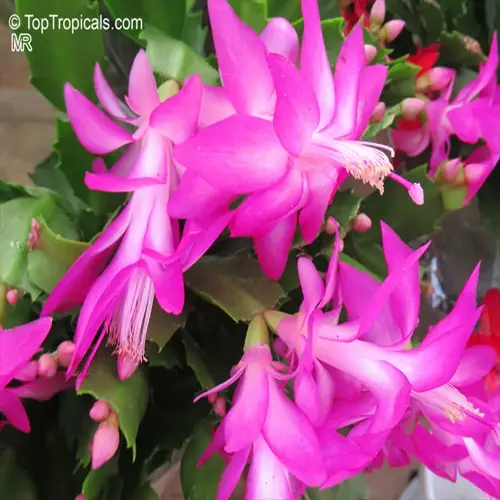

The answer to the cactus sun or shade question depends on which type you own. Desert cacti want full sun for 6 or more hours each day while forest cacti prefer bright shade or filtered light away from direct rays.
I learned this lesson through trial and error with my own collection. The cactus light requirements for my barrel cactus were met best on a south-facing windowsill where it soaked up sun all day long. My Christmas cactus hated that same spot and turned pale within a week. It bounced back once I moved it to an east-facing window with softer morning light and afternoon shade.
The worst mistake I made was moving a shade-grown Schlumbergera straight into a south window during July. Within three days it developed ugly white scorch marks across its pads that took months to grow out. Cacti need a slow transition period of 7-10 days when you change their light exposure.
The split between these two groups goes back millions of years. Desert cacti grew thick waxy coatings and dense spines that act like tiny parasols over their stems. Forest cacti took a different path. Species like your Christmas Cactus and Rhipsalis grew on tree branches under thick canopy shade. They never needed sun armor because direct rays never reached them in the wild.
Clemson University's Home and Garden Center splits cacti into these same two groups for your indoor setup. Arid types need your sunniest window and they love the heat that builds behind glass. Rain forest types do best in bright rooms with filtered light. Keep them away from windows that would scorch their soft stems.
You can test your room's light level with a simple trick. Hold your hand 12 inches above the spot where you want to place your cactus during midday. A sharp dark shadow means strong direct light for desert types. A soft fuzzy shadow means indirect light that suits your forest types better.
Watch your cactus for signs that its cactus sunlight needs aren't being met. Too much light causes white or brown scorch patches on the side facing the window. Too little light makes the stem stretch thin and lean toward the nearest light source, a condition called etiolation. A healthy cactus keeps its natural shape and color without leaning.
Winter brings shorter days that can leave even your sun-loving cacti wanting more. If your desert cactus starts stretching between November and February, add a basic LED grow light for 4-6 hours each evening. Mount it about 12 inches above the plant. Your cactus sunlight needs will be met through the dark months until spring brings longer days back to your windows.
Read the full article: Cactus Plants: Care, Types and Benefits