
You make cactus happy by giving it four simple things. It needs bright light for most of the day, soil that dries out between waterings, a gritty fast-draining mix in the pot, and food during summer months. Get these right and your cactus rewards you with strong growth and even blooms.
I had a Golden Barrel cactus that looked terrible for months. The stem was shriveled, the color had faded to pale yellowish green, and it wasn't growing at all. I moved it from a dim corner to my brightest south window and switched from weekly watering to the soak-and-dry method. Within three months it plumped back up, turned a deep vibrant green, and even pushed out a ring of new spines at the top. These simple cactus care tips saved that plant's life.
The best cactus care tips follow the rhythm of the seasons. Your cactus enters active growth in spring and summer and wants more water and food during those months. Clemson's Garden Center says to use a 5-10-5 NPK fertilizer from June through September. That extra phosphorus helps roots and flowers grow strong without the weak stretchy stems that too much nitrogen causes. You can make cactus happy just by matching your care to the calendar.
Your soil mix matters more than most people think. Clemson HGIC suggests equal parts peat moss, garden soil, and coarse sand. This blend holds just enough moisture for roots to drink while letting excess water escape fast. Never use regular potting soil on its own since it stays wet too long and rots cactus roots within weeks.
A happy cactus tells you it's doing well through clear signs. Firm plump stems mean it has enough water stored inside. Vibrant green color shows it's getting the right amount of light. Steady new growth at the tips or top proves the roots are healthy and feeding the plant. Flowers are the best sign of all. Your cactus only blooms when its light cycles and winter rest period line up just right.
Match Light to Species
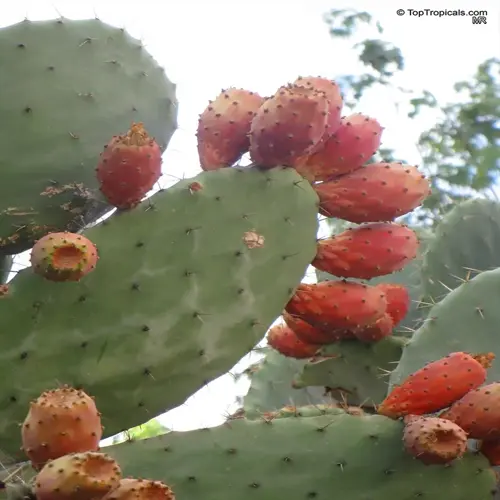
- Desert types: Place in your brightest window with 6 or more hours of direct sun each day for best results.
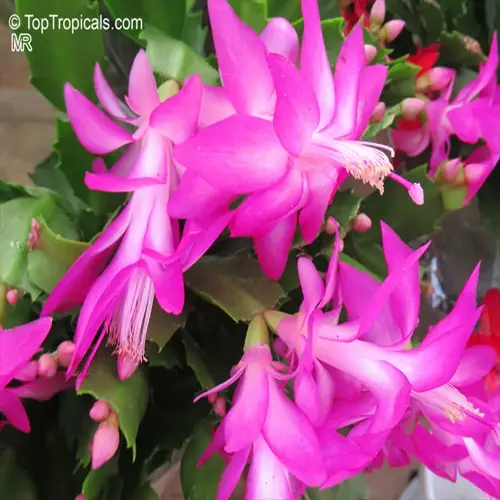
- Forest types: Keep in bright indirect light away from harsh afternoon rays that scorch their flat stems.
- Warning sign: Stretching or leaning toward light means your cactus needs a brighter spot right away.
Water Only When Dry
- Test method: Push your finger 2 inches into the soil and only water when it comes out bone dry.
- Summer schedule: Every 10-14 days during active growth from April through September in most climates.
- Winter schedule: Once a month or less from October through March during dormancy.
Repot and Rest
- Repotting: Move to a pot one size larger every 2-3 years in spring using fresh gritty soil mix.
- Winter rest: Give your cactus cool temperatures around 50-55°F (10-13°C) for 6-8 weeks to trigger spring blooming.
- Spring wake-up: Resume regular watering and feeding once you see new growth appearing at the top.
Healthy cactus growing shows up as a plant that looks thick, colored right, and growing at a steady pace season after season. A struggling cactus looks soft, discolored, or stretched thin. If you spot those warning signs, check your light, water, and soil before anything else because those three factors cause 90% of indoor cactus problems.
Follow this routine and your cactus will live for decades. Some species survive 50 years or more indoors when they get consistent care matched to their natural rhythms. Healthy cactus growing isn't hard once you understand what these plants want. They just need you to mimic the desert conditions they evolved in and then leave them alone most of the time.
Read the full article: Cactus Plants: Care, Types and Benefits