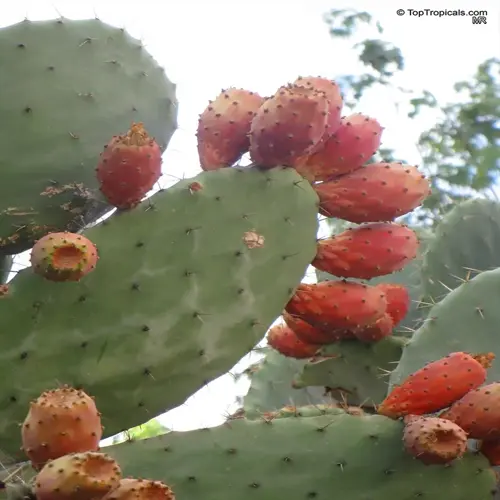

The cactus potassium content in Opuntia pear fruit sits at 90 to 217 mg per 100g of fresh fruit. That range puts it at a moderate level for you. It's not as rich as a banana but still gives your body a solid dose of this key mineral.
I first tried cactus pear at a farmers market in Arizona a few years ago. A vendor sliced one open and handed me a bright magenta wedge to taste. The flavor hit me like a mix of watermelon and bubblegum with a gentle sweetness I didn't expect. I bought a full bag that day and started looking into the cactus pear nutrition facts behind this strange fruit.
The full cactus pear nutrition picture goes well past just potassium for you. Shetty et al. published research in the 2012 Journal of Food Science and Technology showing that this fruit holds 84-90% moisture and 10-17% total sugars. You also get Vitamin C, fiber, and magnesium in each serving. This mix makes it a hydrating snack with real value for your diet.
Your body uses potassium for three major jobs. It keeps your heart beating in a steady rhythm. It powers your muscle contractions so you can move and exercise. It also keeps your nerve signals firing the right way. The wide range of 90-217 mg in cactus fruit comes from species and soil differences. Fruit from plants grown in mineral-rich desert soil tends to pack more potassium.
When I started eating them each week, I also noticed they kept me full longer than most fruits. The fiber content helps with that. A single pear gives you about 3.6g of fiber along with its potassium and vitamins. That combo supports your gut health and your heart at the same time.
Shopping for ripe cactus pear is easy once you know what to check. Pick fruit that gives a bit when you squeeze it, like a ripe avocado. Look for deep even color in bright magenta, golden yellow, or dark purple shades. Skip any fruit with mushy spots or dry wrinkled skin on the outside.
Peeling takes some care because tiny hair-like spines called glochids cover the skin. Wear gloves or wrap the fruit in a towel. Slice off both ends and cut a line down one side. Peel the skin back from the juicy flesh inside. You can eat it fresh, blend it into smoothies, or strain out the hard seeds first. The edible cactus minerals and vitamins all sit in that bright inner flesh waiting for you.
The edible cactus minerals you get from prickly pear also include small amounts of iron, zinc, and calcium. Few common fruits give you this much mineral variety in one serving. Add cactus pear to your weekly fruit list and you'll get more potassium in your diet. You'll also enjoy one of the most fun flavors out there.
Read the full article: Cactus Plants: Care, Types and Benefits