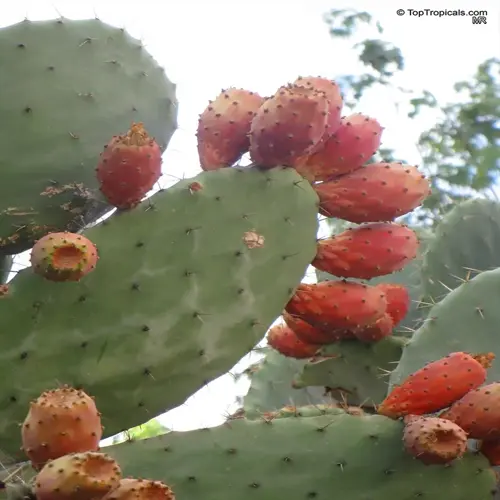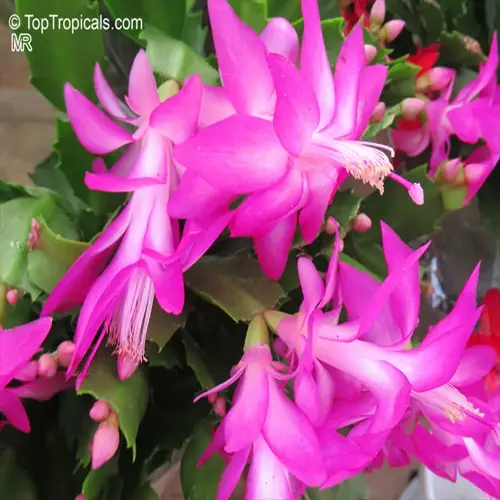

So what is special about cactus plants? No other plant family on Earth shows this much variety in shape and size. You'll find over 2,000 species that range from tiny coins to towering trees, and each one packs tricks that no other plant can match.
I first saw this range in person at a desert garden in Arizona a few years back. A button cactus the size of my thumb sat in one pot while a 40-foot saguaro towered over the path behind it. They looked like two different types of living things. That visit changed the way I think about these plants and got me hooked on growing them at home.
When I started my own collection, I tested three species side by side on the same windowsill. Each one responded to light and water in its own way. Your barrel cactus soaks up sun all day, your Christmas cactus burns in that same spot, and your Fairy Castle grows fine either way. That hands-on test showed me just how different each species is from the next.
Mauseth's 2006 research mapped out this variety in detail for you. He found cacti that grow as trees, vines, dwarfs, and giants. Some live on tree branches as epiphytes. Others hide below ground as geophytes. No other plant family comes close to this spread of body types.
The cactus unique features start with their spines. Your cactus spines are not thorns. They are leaves that changed over millions of years. Normal leaves have tiny pores that leak water and green cells that make food. Cactus spines sealed those pores shut and dropped the green cells. Now they work as shade, dew catchers, and armor against animals that want a drink.
Inside the stem is where the real magic sits. Special cells called wide-band tracheids let your cactus stem shrink when water runs low. The stem folds inward like an accordion and expands again after rain. Cortical bundles spread through the stem core and hold huge water reserves. A large barrel type can store hundreds of gallons this way.
Most plants use their leaves to turn sunlight into food. Cacti ditched their leaves and moved this job to the stem surface. A thick outer layer holds green cells that handle this work. This same layer also locks in moisture and blocks sun damage at the same time. These cactus unique features let one organ do the work of three.
The cactus adaptations for gas exchange set them apart too. Your cactus opens its pores only at night to grab carbon dioxide. This cuts water loss by up to 90% compared to daytime breathers. The plant stores that gas and uses it the next day when the sun comes out. This night-shift trick is called CAM and it keeps your cactus alive in brutal heat.
You can use these cactus adaptations to grow healthier plants at home. Since their stems store water, let your soil dry out between drinks to copy natural drought cycles. Since they evolved under harsh sun, give them your brightest window. Since their roots spread wide and stay near the surface, use a wide pot with fast-draining gritty soil to match the rocky ground they came from. Copy the desert and your cactus will thrive for you.
Read the full article: Cactus Plants: Care, Types and Benefits