
Introduction
Boxwood shrubs have grown in gardens for close to 6,000 years now. They remain the top selling evergreen shrubs in America today. You can use them for hedges, topiary, borders, and containers. Few plants match how many jobs a single boxwood can do in your yard.
I planted my first boxwood varieties about 12 years ago. I needed deer resistant shrubs that would look great in every season. That first row of Green Velvet taught me how much the right cultivar matters for your zone. The U.S. wholesale boxwood market now tops $140.9 million per year, so you know millions of gardeners trust this plant.
A healthy boxwood is a 50 to 100 year investment in your property. It adds structure, privacy, and green color all year long. But new threats like the box tree moth now spread across eastern states. Picking the wrong variety for your climate can set you back seasons.
This guide covers the 8 best boxwood varieties for different needs. You will also find planting steps, pruning tips, and a full seasonal care plan.
8 Best Boxwood Varieties
You have over 90 boxwood species and 260 cultivars to pick from right now. That sounds like a lot of choices. But the nursery trade uses just 3 main species for your yard. I tested dozens of boxwood varieties over the years, and these 8 gave me the best results.
I grouped them by what matters most to you. Some shine in cold zones, others fight blight-resistant boxwood disease, and a few fit your containers or tight spaces. English boxwood types give you classic looks but less disease tolerance. Your best bet for cold and pests is a Korean boxwood pick. Each dwarf boxwood and full size option below earned its spot through real garden performance.
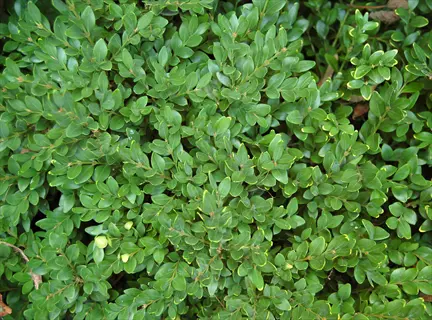
Green Velvet Boxwood
- Species: Buxus hybrid (Korean and English cross) that maintains a naturally rounded form without heavy pruning or shaping throughout the season.
- Hardiness: Thrives in USDA zones 4 through 9, tolerating winter cold down to minus 30 degrees Fahrenheit (minus 34 degrees Celsius) thanks to Korean parentage.
- Size: Reaches 3 to 4 feet (0.9 to 1.2 meters) tall and wide at maturity, making it ideal for low to medium hedges and border plantings.
- Disease Resistance: Shows moderate resistance to boxwood blight and strong tolerance for cold-stress dieback that affects many cultivars in northern gardens.
- Best Use: Foundation plantings, formal low hedges, and mixed borders where a tidy rounded shape is desired without constant maintenance trimming.
- Standout Feature: Retains rich dark green foliage through winter without the bronze discoloration that plagues many other boxwood cultivars in freezing weather.
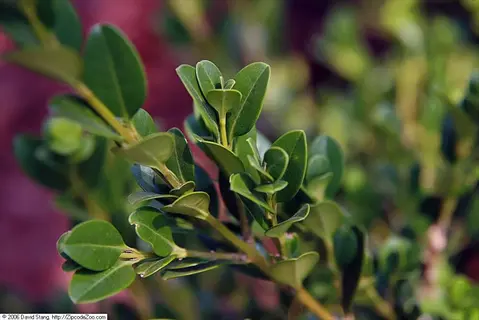
Wintergreen Boxwood
- Species: Buxus sinica var. insularis cultivar from Korea, recognized as one of the most sun-tolerant and cold-hardy boxwood selections available today.
- Hardiness: Grows well in USDA zones 4 through 9, handling extreme cold and heat better than most English boxwood cultivars on the market.
- Size: Matures at 2 to 4 feet (0.6 to 1.2 meters) tall and 3 to 5 feet (0.9 to 1.5 meters) wide with a dense spreading habit.
- Disease Resistance: Korean lineage provides strong natural resistance to boxwood blight and good tolerance for leafminer damage compared to American types.
- Best Use: Excellent for mass plantings, low hedges, and cold-climate gardens where other boxwood varieties struggle with winter burn and dieback.
- Standout Feature: Keeps bright green color year-round even in harsh winters, unlike English boxwood which often develops unattractive bronze tones.
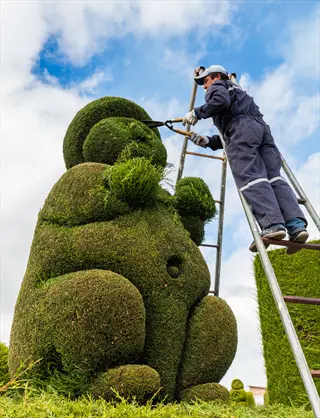
Dee Runk Boxwood
- Species: Buxus sempervirens cultivar with a narrow columnar growth habit, ranked number one upright boxwood in the National Boxwood Trials at Virginia Tech.
- Hardiness: Performs well in USDA zones 5 through 8, preferring partial shade in hot climates to prevent leaf scorch during peak summer months.
- Size: Grows 8 to 12 feet (2.4 to 3.7 meters) tall but only 2 to 3 feet (0.6 to 0.9 meters) wide, creating a strong vertical accent in the landscape.
- Disease Resistance: As a Buxus sempervirens cultivar it has lower blight resistance, so good air circulation and sanitation practices are essential for health.
- Best Use: Narrow spaces along driveways, entryways, and architectural columns where a tall formal look is needed without wide spreading growth.
- Standout Feature: The tight columnar form requires almost no shaping to maintain its upright silhouette, saving significant pruning time each year.
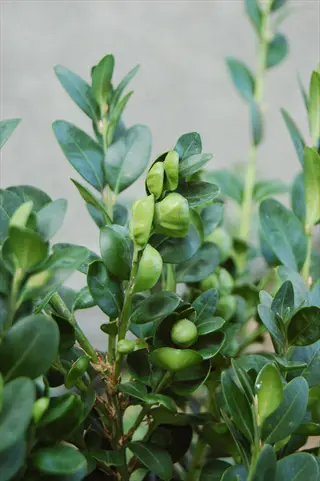
Vardar Valley Boxwood
- Species: Buxus sempervirens cultivar originally collected from the Vardar Valley in the Balkans, ranking among the highest rated in National Boxwood Trials.
- Hardiness: Hardy in USDA zones 5 through 8 with better cold tolerance than most English boxwood selections due to its mountain origin genetics.
- Size: Stays compact at 2 to 3 feet (0.6 to 0.9 meters) tall and 4 to 5 feet (1.2 to 1.5 meters) wide with a flat-topped spreading shape.
- Disease Resistance: Demonstrates moderate blight tolerance and good resistance to winter injury, though it benefits from proper spacing and airflow management.
- Best Use: Ground-level hedges, garden edging, and formal parterre designs where a low spreading profile creates clean horizontal lines.
- Standout Feature: The naturally flat-topped growth habit means this cultivar keeps its shape with minimal pruning compared to mounding boxwood types.

Sprinter Boxwood
- Species: Buxus microphylla cultivar bred by Proven Winners with a faster growth rate than traditional littleleaf boxwood while keeping a compact form.
- Hardiness: Grows in USDA zones 5 through 8 with strong heat tolerance that makes it a reliable performer in southern and mid-Atlantic gardens.
- Size: Reaches 2 to 4 feet (0.6 to 1.2 meters) tall and wide at maturity, growing faster than most boxwood so hedges fill in sooner.
- Disease Resistance: Littleleaf boxwood species (Buxus microphylla) is rated highly resistant to boxwood blight according to Clemson University Extension research data.
- Best Use: Hedges that need to establish quickly, container plantings, and gardens in blight-prone regions where disease resistance is a top priority.
- Standout Feature: Combines the blight resistance of littleleaf boxwood with a faster establishment rate, closing the gap that usually frustrates boxwood growers.
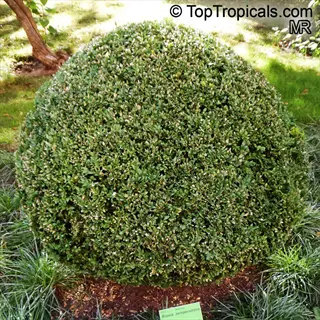
Green Gem Boxwood
- Species: Buxus hybrid (Korean and English cross) that forms a dense naturally round globe shape perfect for accent plantings and low formal borders.
- Hardiness: Thrives in USDA zones 4 through 9, inheriting strong cold hardiness from its Korean boxwood parent for reliable winter performance.
- Size: Compact at 2 to 3 feet (0.6 to 0.9 meters) tall and wide, making it one of the best choices for small gardens and container growing.
- Disease Resistance: Moderate blight resistance with good overall vigor, and the dense growth habit helps it recover from minor pest and weather damage.
- Best Use: Container plantings on patios and porches, garden bed accents, and formal edging where a small rounded evergreen globe is the goal.
- Standout Feature: The naturally spherical shape needs very little trimming to stay round, reducing labor compared to cultivars that require constant shaping.
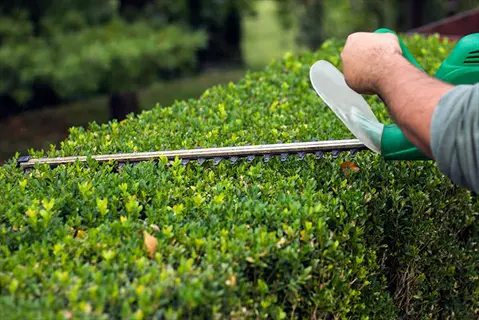
NewGen Independence Boxwood
- Species: Buxus hybrid specifically bred through the BetterBoxwood breeding program for resistance to boxwood blight, the industry's most damaging disease.
- Hardiness: Grows in USDA zones 5 through 8 with good adaptability to various soil types and light conditions across eastern and midwestern gardens.
- Size: Reaches 3 to 4 feet (0.9 to 1.2 meters) tall and wide with a rounded upright habit that works well in both formal and informal settings.
- Disease Resistance: Bred with high boxwood blight resistance as its primary trait, making it the safest pick for regions where the disease is confirmed.
- Best Use: Any landscape in blight-affected areas, replacement plantings where older boxwood died from disease, and new hedges in the eastern United States.
- Standout Feature: The U.S. National Arboretum screening program validated its blight resistance, giving growers confidence backed by institutional research.
Highlander Boxwood
- Species: Buxus sempervirens cultivar documented by Virginia Tech as growing 20 to 24 inches (51 to 61 centimeters) per year once established, far exceeding typical rates.
- Hardiness: Suited for USDA zones 5 through 8 and performs best in partial shade with consistent moisture to support its rapid growth rate each season.
- Size: Can reach 8 to 10 feet (2.4 to 3 meters) tall and 4 to 6 feet (1.2 to 1.8 meters) wide at maturity, much larger than most boxwood.
- Disease Resistance: As Buxus sempervirens, it carries lower blight resistance, so pair it with good sanitation and consider fungicide programs in at-risk areas.
- Best Use: Privacy screens, tall hedges, and large estate gardens where fast establishment and significant height are needed from a boxwood selection.
- Standout Feature: Growth speed of 20 to 24 inches per year is exceptional for boxwood, solving the most common complaint that boxwood takes too long to fill in.
Your best pick depends on your zone, your space, and how much blight risk you face. Green Velvet boxwood and Wintergreen handle cold climates well. NewGen Independence gives you the safest bet where blight shows up. Pick Highlander if you don't want to wait years for a full hedge.
Planting and Care Essentials
Getting your boxwood care right at planting time matters more than any other step. Poor growing conditions cause more boxwood decline than pests or disease do. If you want to know how to plant boxwood the right way, treat it like the 50 to 100 year investment it is.
I lost 3 boxwood in my first year because I planted them too deep and the soil stayed wet. Once I learned that roots sit in just the top 15 inches of soil, my approach changed. Now every boxwood I plant follows these steps, and my boxwood soil pH stays between 6.5 and 7.5 where it should be.
Choose the Right Location
- Light: Select a spot with partial shade and morning sun exposure, as afternoon shade prevents leaf scorch in USDA zones 7 and above.
- Soil: Test your soil pH before planting because boxwood requires a range of 6.5 to 7.5 for healthy nutrient absorption and root development.
- Drainage: Avoid low spots where water pools after rain, since boxwood roots sit in the top 15 inches (38 centimeters) of soil and rot quickly in standing water.
Prepare the Planting Hole
- Depth: Dig the hole so the top one-eighth of the root ball sits above the existing soil line, following Clemson University Extension planting guidelines.
- Width: Make the hole two to three times wider than the root ball so the boxwood root system has room to grow outward with ease.
- Backfill: Mix the native soil back into the hole without adding heavy amendments, as boxwood adapts best to the existing ground conditions at the planting site.
Water and Mulch Properly
- Watering: Give boxwood 1 inch (2.5 centimeters) of water per week if rainfall falls short, applying water at the base rather than over the foliage.
- Mulch Depth: Apply 1 to 2 inches (2.5 to 5 centimeters) of organic mulch over the root zone, keeping it away from the trunk to prevent rot and fungal issues.
- Timing: Water new boxwood more often during the first growing season until roots take hold, then cut back to the standard weekly schedule.
Fertilize with a Soil Test First
- Testing: Always run a soil test before fertilizing boxwoods because over-application of nitrogen or incorrect pH adjustments can cause root burn and decline.
- Product: Use a slow-release balanced fertilizer in early spring based on soil test results, and avoid fertilizing boxwoods after midsummer to prevent tender new growth before frost.
- Frequency: Established boxwood seldom needs heavy feeding. One round in spring does the job if your soil pH and organic matter levels sit in the proper range.
One thing that trips up gardeners is mulching boxwoods at the wrong depth. Clemson says 2 to 3 inches while the University of Maryland says no more than 1 inch. Your climate drives the answer. Hot southern areas need less mulch to avoid trapping moisture. Cooler northern zones can go a bit thicker for root insulation. When watering boxwoods, focus the water at the base and skip the foliage to cut down on fungal problems.
Pruning and Shaping Boxwood
Most gardeners grab their hedge shears and buzz the outside of their boxwood. That approach creates a thick outer shell with dead branches trapped inside. Pruning boxwoods the right way means knowing when to thin and when to shear. Think of thinning boxwood like a good barber who removes select strands from inside the cut for shape and health. Shearing boxwood is like buzzing the outside surface and leaving a tangled mess in the middle.
I learned this lesson the hard way after shearing my first hedge for 3 years straight. The inside turned brown and hollow. Now I thin every winter and my boxwood stays green all the way through the canopy. Knowing when to trim boxwoods and how to shape boxwood saves you time and keeps your plants alive.
Thinning for Plant Health
- Method: Reach inside the canopy and remove individual branches at their base to open up the interior for airflow and light.
- Timing: Thin boxwood during dormant season from December through February, when you can see the branch structure most clear.
- Frequency: Dense canopy cultivars need interior thinning every 1 to 2 years based on Virginia Tech Extension guidelines.
Shearing for Shape
- Method: Cut the outer surface of the shrub with hedge shears or powered trimmers to create a uniform shape for boxwood topiary.
- Best Use: Reserve shearing for topiary and formal hedges, as the University of Maryland Extension notes shearing stresses plants.
- Timing: Shear in late spring after new growth hardens off, and avoid shearing in late summer to prevent tender regrowth before frost.
When to Trim Boxwoods
- Winter: December through February is the best window for thinning cuts because the plant rests dormant and branch structure shows clear.
- Late Spring: Light shearing after new growth hardens helps keep shape without forcing too much regrowth.
- Avoid Late Summer: Pruning boxwoods after midsummer triggers tender new shoots that can't survive winter frost damage.
Tools for the Job
- Hand Pruners: Use bypass pruners for thinning single branches without crushing the stems or leaving ragged cuts.
- Hedge Shears: Manual or powered hedge shears work best for shearing the outer surface of formal hedges and topiaries.
- Sanitation: Clean your blades with rubbing alcohol between plants to stop boxwood blight spores from spreading to another shrub.
You will notice a huge change after your first proper thinning session. Light reaches the center of the plant and new green growth fills in where dead wood used to sit. Your boxwood looks fuller and fights off disease much better with good airflow inside.
Pests and Disease Prevention
Your boxwood faces real threats from boxwood pests and boxwood diseases that can kill plants fast if you miss the early signs. Boxwood blight alone puts crops at high risk in 30 states that cover 95% of national production. The blight pathogen can survive in your soil for years after you remove a sick plant.
The biggest new threat is the box tree moth, an invasive pest now confirmed in 9 or more eastern states as of 2025. No other garden blog covers this yet, but you need to know about it. I spotted webbing on a neighbor's boxwood last summer that turned out to be this exact moth. The boxwood leafminer remains the most common insect pest with one generation per year. Boxwood mites produce 5 to 6 generations each summer and can strip your leaves before you notice the damage.
The table below ranks each threat by how bad it gets and where it shows up. Check which boxwood diseases and pests affect your area. Then you can focus on the right prevention steps and catch boxwood decline before it spreads.
Clean your pruning tools between each plant and remove fallen leaves from around the base. These 2 habits alone stop most boxwood blight spread. If you spot dark leaf spots or webbing, act fast and remove the damaged growth before it hits the rest of your hedge.
Seasonal Care Calendar
Your seasonal boxwood care plan makes the difference between a thriving hedge and one that fades over time. I keep a simple checklist taped to my garden shed door so I never miss a task. Most of the work falls in spring and winter with lighter duties in summer and fall.
Spring boxwood care sets the tone for the whole year. Winter boxwood care protects your plants from the freeze damage that kills more shrubs than most people think. Bookmark this section and come back to it each season for a quick task list you can follow in your own yard.
Spring Tasks (March to May)
- Fertilize: Apply a slow release balanced fertilizer in early spring if a soil test confirms the need, with a target soil pH between 6.5 and 7.5.
- Inspect: Check for winter damage, leafminer blisters, and signs of boxwood blight such as dark leaf spots and rapid leaf drop on lower branches.
- Clean Up: Remove any dead or damaged branches, fallen leaves, and old mulch from around the base to improve airflow and reduce disease pressure.
Summer Tasks (June to August)
- Water: Give your boxwood 1 inch of water per week if rain falls short, and water at the base in early morning to cut down on leaf moisture.
- Monitor Mites: Watch for boxwood mites which can produce 5 to 6 generations each summer, causing stippled or scratched leaf surfaces on your plants.
- Skip Fertilizer: Do not feed after midsummer because new growth this late in the season can't harden off before frost hits your garden.
Fall Tasks (September to November)
- Plant New Boxwood: Fall is a great planting window because cooler soil temps push root growth without the stress of summer heat on the foliage.
- Deep Water: Give boxwood a good soak before the ground freezes to prepare roots and foliage for moisture loss through cold dry winds in winter.
- Refresh Mulch: Add 1 to 2 inches of fresh mulch over the root zone before winter sets in, and keep it away from the trunk to prevent rot.
Winter Tasks (December to February)
- Thin Branches: December through February is the best window for thinning inner branches so light and air reach the center of the canopy.
- Protect from Wind: Shield new boxwood from harsh winds using burlap wraps or anti-desiccant boxwood spray to prevent winter burn boxwood damage.
- Brush Off Snow: Remove heavy snow from boxwood branches to prevent breakage, and pay extra attention to globe and columnar forms with dense tops.
First year boxwood winter protection needs more attention than mature plants. I wrap every new shrub with burlap its first winter and spray an anti-desiccant boxwood treatment on the leaves. After that first year, strong roots handle most cold on their own without any extra help from you.
Companion Plants for Boxwood
Boxwood gives your garden a strong green frame all year long. But the real magic happens when you pick the right boxwood companion plants to go with it. What to plant with boxwoods depends on your light, your soil, and what look you want. I use boxwood as my anchor plant and then build out from there with color and texture that changes through the seasons.
Virginia Tech confirms that deer tend to avoid boxwood. That makes it a great base for your boxwood garden design when you pair it with other plants deer skip. Below you will find what to plant in front of boxwoods and beside them for 4 different garden settings so you can match your own yard.
Shady Foundation Beds
- Hostas: Their broad leaves contrast with the fine texture of boxwood foliage, and they create a nice layered look against the house wall.
- Bleeding Heart: Adds arching stems and pink or white blooms in spring before the shade canopy fills in for the summer season.
- Ferns and Astilbe: Both thrive in the same partial shade boxwood likes, adding feathery texture and summer color to the mix.
Sunny Borders
- Lavender: Pairs well with Korean boxwood along sunny paths, adding fragrance and purple blooms against the green backdrop behind it.
- Ornamental Grasses: Switchgrass and blue fescue add motion and seasonal interest that complements the static shape of boxwood hedges.
- Coneflower: Native plants like Echinacea pull in pollinators and offer summer color next to your boxwood border plantings.
Formal Parterre Gardens
- Roses: A classic pair with low boxwood edging in formal garden designs, creating defined beds with seasonal blooms above the green frame.
- Hydrangea and boxwood: Large flower heads stand out against the tight green texture of boxwood hedging below for a stunning contrast.
- Spring Bulbs: Plant tulips, alliums, and daffodils between boxwood rows for early spring color that fades before summer plants take over.
Deer Resistant Combos
- Catmint and Russian Sage: Both resist deer and provide purple blue flowers that bloom for months next to your boxwood structure.
- Daffodils: Deer avoid daffodil bulbs and foliage, making them a solid spring companion planted around boxwood groupings in your yard.
- Why It Works: Virginia Tech confirms deer skip boxwood, so pairing it with other deer proof plants creates a landscape deer tend to leave alone.
Start with 2 to 3 companion types per bed and see how they fill in before adding more. I made the mistake of cramming too many plants around my first boxwood row. Give each plant room to grow and your boxwood garden design will look better every year.
5 Common Myths
Boxwood shrubs need full sun all day long to grow healthy green foliage and maintain their shape.
Most boxwood species actually prefer partial shade, and afternoon sun protection prevents leaf scorch, especially in hot southern climates.
All boxwood varieties are equally vulnerable to boxwood blight, so there is no point choosing one over another.
Littleleaf boxwood and hybrid lines like NewGen and BetterBoxwood were specifically bred with high resistance to boxwood blight disease.
Shearing boxwood into tight geometric shapes is the healthiest pruning method for the plant.
University extension experts recommend thinning over shearing because thinning improves interior airflow and light, reducing fungal disease pressure significantly.
Boxwood shrubs are native to North America and have always been part of American garden landscapes.
Boxwood originated in Europe, Asia, and Africa, and was first cultivated in gardens by Egyptians around 4,000 B.C., roughly 6,000 years ago.
Thick mulch piled around boxwood roots protects them from heat and cold throughout the year.
Boxwood has shallow roots in the top 15 inches (38 centimeters) of soil, and excessive mulch can trap moisture and cause root rot or fungal problems.
Conclusion
In my experience, boxwood shrubs rank among the most trusted evergreen shrubs you can grow. Over 260 boxwood varieties exist today. Your biggest choice is picking the right one for your climate, your space, and the disease risks near you.
I keep coming back to 3 rules after years of growing boxwood. First, pick a variety that fits your hardiness zone and resists blight if you live in the eastern states. Second, plant it right the first time with proper depth and drainage because poor conditions cause more decline than any pest. Third, follow a simple seasonal boxwood care plan so nothing sneaks up on you.
The box tree moth is spreading fast, and new threats will keep coming. Check your plants every few weeks and look for webbing, dark spots, or leaves that drop too fast. Catching problems early saves your boxwood and saves you money on replacements down the road.
Go back to the varieties section and pick the cultivar that fits your yard best. Then follow the seasonal care calendar to keep it strong for decades to come. Your boxwood care routine doesn't need to be hard. It just needs to be steady.
External Sources
Frequently Asked Questions
Do boxwoods like sun or shade?
Boxwoods grow best in partial shade with some morning sun and afternoon shade protection, though Korean boxwood tolerates full sun.
How big does a boxwood shrub get?
Boxwood size varies widely by cultivar, ranging from 2 feet (0.6 meters) for dwarf types to over 15 feet (4.6 meters) for tree boxwood.
What are the cons of boxwood shrubs?
Boxwood drawbacks include slow growth, susceptibility to boxwood blight, shallow root systems, and limited ecological value for pollinators.
Where is the best place to plant a boxwood?
Plant boxwood in a spot with partial shade, well-drained soil at pH 6.5 to 7.5, and good air circulation away from standing water.
How many years does it take for boxwood to grow?
Most boxwood cultivars grow 3 to 6 inches (7.6 to 15.2 centimeters) per year and take 5 to 10 years to reach a mature hedge size.
Do boxwood plants grow quickly?
Boxwood is generally a slow grower at 3 to 6 inches per year, though the Highlander cultivar can grow 20 to 24 inches annually.
How many boxwoods do I need?
For a continuous hedge, space plants 12 to 24 inches (30.5 to 61 centimeters) apart, then calculate based on your total hedge length.
What kills boxwood shrubs?
Boxwood blight, root rot from waterlogged soil, boxwood leafminer, the invasive box tree moth, and winter burn are the leading causes of boxwood death.
What should I plant instead of boxwood?
Native alternatives include inkberry holly, dwarf yaupon holly, and Canadian hemlock, which offer similar evergreen structure with more ecological value.
Can I plant boxwood close to my house?
Yes, plant boxwood at least 2 to 3 feet (0.6 to 0.9 meters) from your foundation to allow airflow and root space.