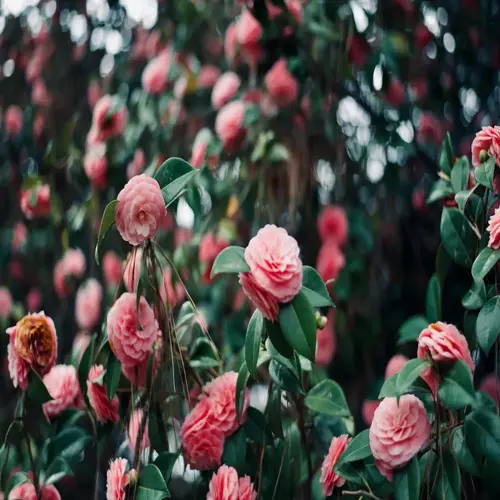

Many camellias like winter because they bloom right through the cold months. Japonicas bloom from January through April. This gives you garden color when most other plants sit bare and dormant. But extreme cold can damage buds and leaves. Your camellia enjoys cool weather just fine as long as temps don't plunge too far below freezing.
Your camellia winter hardiness depends on the species you grow. Sasanqua camellias bloom in fall before the worst cold hits your area. Japonicas bloom in winter and early spring, so they face more freezing weather. Some newer hybrids bred for cold zones handle areas as low as Zone 6a. Match your variety to your climate zone for the best shot at winter blooms.
I watched my japonica camellias bloom through light frost for several winters before I saw real damage. Their flower buds held up fine at 25°F (-4°C) and kept pushing open new blooms for weeks. Then one January night temps dropped to 12°F (-11°C) and I lost about half the buds on my exposed plants. The ones near my house wall came through fine. The extra heat from the building gave them just enough shelter to survive that cold snap.
Virginia Tech Extension warns that cold at 0°F (-18°C) may kill or delay flower buds even on mature plants. The wood and leaves can take colder temps than the buds can. So your camellia might look fine in spring but produce no flowers after a deep freeze. Fan et al. 2022 found that japonica types from cool climates suffer far less cell damage at -5°C than tropical ones. Where your variety was bred matters for winter survival.
Keeping your camellias cold weather safe takes just a few simple steps. Mulch the root zone with 4 to 6 inches of pine straw or bark before the first freeze. This insulates the ground and shields those fine surface roots from the cold. Wrap your plant in burlap or frost cloth when forecasts call for temps below 15°F (-9°C). Take the cover off as soon as the cold snap passes so your plant gets air and light.
For gardeners in Zones 6 and 7, the right variety is your best defense against winter damage. Dr. William Ackerman bred cold-hardy camellias for years at a top research center. His 'Winter's Snowman' and 'Winter's Star' handle temps well below what standard japonicas survive. These plants have been tested down to -5°F (-21°C) and still bloomed the next season.
You can also help your camellias through winter by stopping all feeding by mid-July. This gives new growth time to harden off before cold weather arrives. Soft new shoots freeze much faster than mature wood does. Water your plants well in late fall too because a hydrated camellia handles cold better than a dry one.
In my experience, the biggest winter threat isn't steady cold. It's a sudden swing from warm days to a hard freeze at night. These rapid drops catch your camellia off guard before it can prepare itself. Keep an eye on your local forecast during mild winter spells and have your frost cloth ready to go. A few minutes of prep can save an entire season of blooms on your prized plant.
Your camellias don't fear winter the way most gardeners think they do. They need the cool season to set buds and rest before their big show of flowers. Give them the right spot, the right variety for your zone, and a little cold protection when things get extreme. Do that and you'll enjoy camellia blooms all through the coldest months of the year while the rest of your garden sleeps.
Read the full article: Camellia Plant Care and Growing Guide