Herb · Amaranthaceae
Epazote
Dysphania ambrosioides
Offer it lean soil and full sun, pinch it freely, and epazote rewards you with that one-of-a-kind Mexican kitchen flavor all season long.
Full sun
Every 3–7 days
50–86°F · 10–30°C
60–80 days
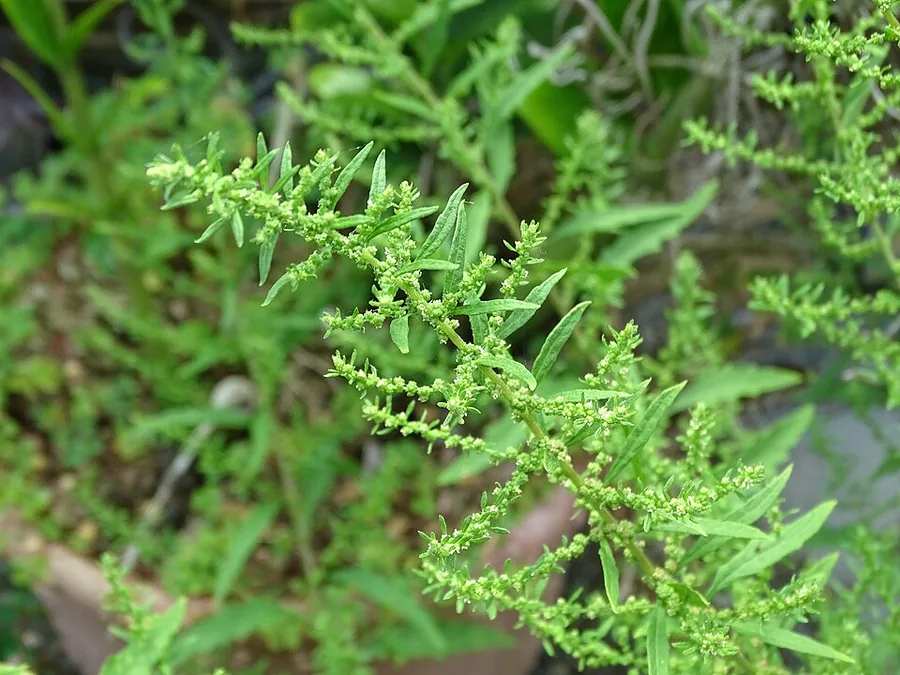
Overview
Epazote is the bold green leaf that lends a pot of black beans its unmistakable Mexican character. It sits in the same family as amaranth and spinach, and it grows wild across much of the Americas as a quick, weedy annual. Tuck a single plant into a sunny corner and you will have all the leaf a kitchen could want.
This herb is wonderfully forgiving and asks for next to nothing. Full sun, lean soil, and a few early drinks are all it needs, and a settled plant brushes off dry spells that would wilt fussier herbs. Its one bit of exuberance is seeding: let the flowers ripen and epazote sows itself everywhere, which is why most gardeners treat it as an annual and keep the spikes trimmed back.
There is one honest caution worth carrying from the start, and it is easy to manage. The leaf is a kitchen herb in small amounts, just as it has been for generations, but it holds an essential oil called ascaridole that becomes toxic in quantity. Cook with a pinch, never a handful, and leave the concentrated oil out of things entirely.
Care
The short version: give it full sun, lean and well-drained soil, and steady water only while the plant is young. Pinch the tips for a fuller shape, keep feeding light, and trim the flower spikes before they set seed. None of it is fussy, and small slips are easy to recover from.
Light
Epazote loves full sun and the more it gets the happier it is, though it will accept a touch of afternoon shade without complaint. Bright light is what builds up the aromatic oils, so a plant soaking up sun tastes livelier than one coddled in shade.
Water
While plants are young and putting down roots, keep the soil evenly moist with a drink every few days. After that epazote becomes quite drought tolerant and far prefers running dry to standing wet, so you can relax and let the surface dry out between waterings.
Soil
Aim for well-draining loam, though this herb cheerfully accepts poor, dry ground where other plants struggle. A pH of 6.0 to 7.5 suits it well, and lean soil actually sharpens the flavor while rich beds soften it.
Temperature
Warmth is what epazote enjoys most, doing its best between 50°F and 86°F (10°C to 30°C). It has no tolerance for frost, so simply wait until the cold has truly passed before you move plants outdoors.
Humidity
Everyday outdoor air is all it needs, and 40% to 60% humidity sits comfortably in range. There is no figure to fuss over here, so just give plants a little room to let air flow and the leaves dry quickly.
Feeding
A light hand is best, and you may skip feeding altogether. One spring helping of balanced fertilizer is plenty, since overfeeding works against you, coaxing up a soft, leggy plant whose leaves lose the very punch you grow epazote to enjoy.
Pruning
Pinch the growing tips often to keep the plant bushy and to gather leaves as you go. Just as helpful, cut the flower spikes the moment you notice them, which slows bolting and heads off the heavy self-seeding before it ever begins.
Repotting
Plants in containers are usually grown as annuals and potted fresh each year. Keep a casual watch for roots circling the pot or slipping out the drainage holes, plus stalled growth and soil that dries too quickly, all gentle hints that a plant has outgrown its pot.
Size & spacing
Plants grow to 2 to 4 feet (60 to 120 cm) tall and reach about 12 to 24 inches (30 to 60 cm) across. Allow each one that much elbow room so air can pass through and the bushy growth has space to settle in.
When to plant
Epazote loves warmth and will not stand any frost, so timing is the one thing to mind. Start seeds indoors in late winter or sow straight into warm spring soil, gather leaves right through the warm season, and snip the flower spikes in summer before they have a chance to scatter seed.
Northern hemisphere
Southern hemisphere
Typical months for a temperate climate: start earlier in warm zones, later where spring frosts linger.
- Sow: 6-8 weeks before the last expected frost
- Plant: after all danger of frost has passed and soil has warmed
- Harvest: Harvest young leaves and tender stems through the warm season; small green flowers form in summer and should be deadheaded to prevent aggressive self-seeding.
Hardiness
USDA hardiness zones: 8–11
Temperature: down to -12°C
Troubleshooting
Epazote is an easygoing plant that rarely causes worry, and the handful of hiccups it does throw your way are simple to spot. Keep a gentle eye on the stems, the seedheads, and the leaves, and you can step in early while a small thing stays small. Find what matches what you are seeing below, then act while it still does the most good.
A spring full of volunteer seedlings
Finding tiny epazote popping up everywhere just means the flowers were allowed to ripen, so this is simply prolific self-seeding at work and nothing went wrong on your part. One plant left to seed can scatter thousands far past where you planted it. The good news is the remedy is gentle: trim the flower spikes before the seed sets, pull little strays while they pull easily, and keep any seed-carrying clippings out of the compost.
Fix:
- Pull or hoe volunteer seedlings while small
- Deadhead and remove flower spikes before seed set
When the tall stems start to lean and snap
If your plant is going floppy and leggy, take heart, because the cause is almost always soil that is a little too generous. Too much nitrogen pushes up thin, top-heavy stems that tip over, and missing that first pinch only adds to it. You can turn this around easily: give epazote lean ground, hold off on feeding, and pinch the tips while the plant is young so it branches low and supports itself.
Fix:
- Pinch back growing tips to encourage branching
- Reduce or stop fertilizing
- Stake or space plants to improve support and airflow
Little holes and speckles nibbled into the foliage
Speckled or nibbled leaves usually mean a few leaf-feeding insects have stopped by, perhaps flea beetles, a stray caterpillar, or aphids gathered on fresh shoots. Happily, that strong fragrance puts off most pests, so the damage almost always stays minor. Rinse aphids away with a firm jet of water, lift the larger visitors off by hand, and only turn to insecticidal soap in the rare case that an infestation truly settles in.
Fix:
- Hose off aphids with a strong stream of water
- Hand-pick larger pests
- Use insecticidal soap if infestation is heavy
Toxicity
Epazote holds an unusual place: a kitchen herb for people, but a plant to keep clear of animals. In small culinary amounts the leaf is safe for people and has been used that way for generations, yet in quantity its ascaridole turns toxic, and the distilled essential oil is genuinely poisonous. Treat the foliage as something to keep away from cats, dogs, horses, rabbits, livestock, and birds.
Toxic to
Cats · Dogs · Horses · Rabbits · Livestock · Birds
Safe for
People
Cats Caution
Because the scented leaves carry ascaridole, a cat that nibbles them might drool, throw up, or lose interest in dinner. The kindest approach is simply to set the plant somewhere a curious cat cannot reach, rather than trusting the smell to keep her away.
Dogs Caution
A dog who munches the leaves may get a queasy stomach and loose stools. A tiny taste seldom amounts to much, but if your dog gets a proper mouthful, a quick call to the vet is the safe move.
Horses Caution
It is best that horses do not graze epazote, as the ascaridole in the leaves can unsettle the gut and leave them listless and off their feed. Simply fence it away from paddocks and the edges where they graze.
Rabbits Caution
With their small, delicate digestion, rabbits can be upset by even a little of the oily foliage. Keep it off their menu entirely and offer the safe greens they enjoy instead.
Livestock Caution
Cattle, goats, and sheep that graze a fair amount of the plant can suffer stomach upset from that same essential oil. Most will steer clear of the pungent leaves on their own, but it is wise not to count on that when pasture runs thin.
Birds Caution
Because the ascaridole is so concentrated, epazote is not a good neighbor for pet birds or backyard poultry, whose light body weight makes a small taste go a long way. Keep it well away from anywhere birds feed.
People Culinary herb, in moderation
In the small seasoning amounts Mexican cooks have relied on for generations, epazote is perfectly safe to eat. The whole question is dose: a large helping of leaf, or much more dangerously the distilled essential oil, can poison, and pregnant women are advised to leave it alone completely.
Use only in small culinary amounts as a seasoning; never consume the concentrated essential oil. Pregnant women are advised to avoid epazote.
Helpline numbers

United States
ASPCA Animal Poison Control: (888) 426-4435 (fee applies)

United Kingdom
Animal PoisonLine: 01202 509000 (fee applies)

Australia
Animal Poisons Helpline: 1300 869 738
How to propagate
Epazote is among the easiest herbs to get going, and once it has found its feet it largely sows the next crop for you, so you can start with real confidence.
SeedEasy
Direct-sow after the last frost when soil is warm, or start indoors 6-8 weeks before last frost. · Germinates in roughly 1-2 weeks and establishes within several weeks; self-sows readily once established.
Starting epazote from seed could hardly be friendlier to a beginner. Begin it indoors 6 to 8 weeks before your last frost, or simply scatter it outdoors once the soil has warmed, pressing the tiny seeds onto the surface or barely dusting them over, since a little light helps them wake up. Seedlings appear in about 1 to 2 weeks and fill out across the following several, and once a plant has truly settled in it reseeds so willingly that you will seldom need to plant it again.
Myths
Epazote is a harmless culinary herb you can eat freely in any amount.
A small pinch stirred into a pot of beans is perfectly fine, just as cooks have done for generations. Even so, the plant holds ascaridole, and large amounts or the distilled essential oil are genuinely poisonous. Anyone who is pregnant is advised to leave it out altogether.
Epazote stays neatly where you plant it.
Allowed to flower, it sows seed in every direction and turns weedy fast, coming up well beyond the bed where it began. If you would like to keep it tidy, simply snip the flower spikes before the seed has a chance to set.