Vegetable · Amaranthaceae
Beet
Beta vulgaris subsp. vulgaris
Drop the seed straight into the soil, thin it early and lift it young, and the beet hands back sweet roots and tasty greens.
Full sun
Every 3–7 days
50–77°F · 10–25°C
50–70 days
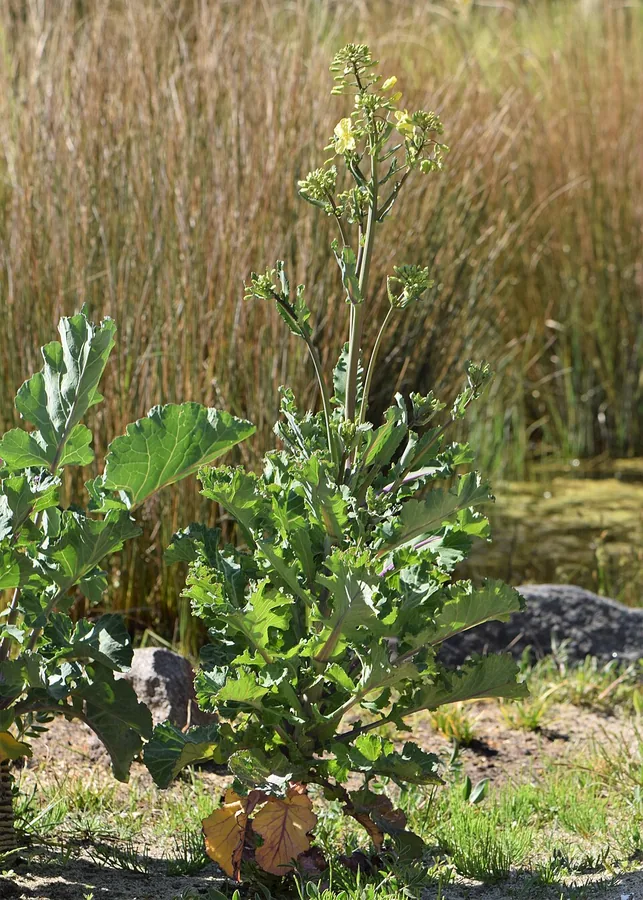
Overview
The beet is a gentle cool-season root crop that gives you two harvests from a single plant: the plump root tucked below and the leafy tops standing above. It sits in the same family as chard and spinach, sharing the rich pigment that leaves a red mark on your cutting board. First-time growers warm to it fast because it is easy, quick, and forgiving, with roots ready to pull in well under three months.
Think of the beet as a friendly two-in-one crop that keeps giving. You can twist off a few outer leaves for dinner while the root carries on growing below, then lift the root once it has swelled to eating size. It loves the cool of the season, which is why it slips so happily into a spring planting and a second go-round for fall.
Most of your success with beets rests on two simple habits, and both are easy to learn. Thin the crowded seedlings so every root has space to breathe, and pull the roots while they are still young and sweet. Miss one or the other and you may end up with small, lumpy roots or tough, woody ones, but even that is a fixable lesson, not a failure.
Care
The short version: give beets full sun and loose, well-drained soil with a pH near 6.0 to 6.5. Keep the bed evenly moist, thin the seedlings to 2 to 3 inches apart, and lift the roots young at 1.5 to 2 inches across.
Light
Beets are happiest in full sun, though they will still give you a crop in partial shade, where the roots just take their time. Try to give them at least six hours of direct light a day and the roots fill out beautifully.
Water
Aim to keep the bed evenly moist from the day you sow right up to harvest, and the plant will reward your steadiness. That even moisture is what keeps roots sweet and tender, while a dry stretch followed by a heavy soak can leave them tough and splitting, so a gentle, regular drink is all it asks.
Soil
Beets settle in best in loose, well-drained loam or sandy soil that is rich in organic matter, since a hard clay bed crowds the root and keeps it small. A pH between 6.0 and 6.5 sits just right for them, leaning a touch to the acidic side of neutral.
Temperature
Being a cool-season crop, the beet does its best growing between 50°F and 77°F (10°C to 25°C). A light frost barely troubles it, and it is a long summer heat, far more than the cold, that risks turning roots woody.
Humidity
Plain outdoor air suits beets just fine, so there is no humidity setting to worry about. What matters more is good airflow around the leaves, since crowded, damp foliage is what tempts leaf spot in.
Feeding
Feed once at planting with a balanced, moderate-nitrogen fertilizer, and a soil test is your best guide. Keep a light hand with nitrogen, or you will grow leafy tops instead of a fat root, and only add boron if a test shows your soil is running short.
Pruning
Beets ask for no pruning at all, which is one less thing to fuss over. Feel free to pick a few outer leaves for greens while the root keeps swelling, but leave the central crown be so the plant can keep feeding that root.
Repotting
Not applicable; a direct-sown root crop that is not transplanted.
Size & spacing
Plants grow to around 8 to 18 inches (20 to 45 cm) tall with a tidy spread. Thin your seedlings to 2 to 3 inches apart and each root will have the elbow room it needs to swell to a good size.
When to plant
Beets are a cool-season crop that would rather not be moved, so the seed goes straight into the garden where it stays. Put the first sowing in 2 to 4 weeks before your last spring frost, sow again in mid to late summer for a fall crop, and look for each batch to be ready about 50 to 70 days on.
Northern hemisphere
Southern hemisphere
Typical months for a temperate climate: start earlier in warm zones, later where spring frosts linger.
- Sow: Not recommended; beets do not tolerate transplanting and should be direct seeded.
- Plant: Direct sow about 2 to 4 weeks before the average last spring frost; sow again in mid- to late summer for a fall crop.
- Harvest: Harvest roots at 1.5 to 2 inches in diameter, roughly 50 to 70 days after sowing; larger roots may become woody.
Hardiness
USDA hardiness zones: 2–11
Temperature: down to -46°C
Troubleshooting
Beet troubles fall into two friendly camps: the ones up top on the leaves and the ones hidden down in the root. The leaf problems show themselves at a glance, while a couple of root issues only turn up once you cut one open. Find the match below, breathe easy, and adjust before your next sowing.
Brown leaf spots ringed in reddish purple
If warm, muggy weather brings tan blotches with purple edges to your older leaves, take heart: this is cercospora leaf spot, the disease beets catch most often, and it is very manageable. The spots run about an eighth of an inch wide with pale gray centers, and they tend to start low on the plant. Pinch away the worst leaves, open up the spacing for air to move through, and pour your water at the base so the foliage stays dry.
Fix:
- Remove and destroy heavily infected leaves
- Improve air circulation with proper spacing
- Avoid overhead watering and wetting foliage
Dark corky patches hidden inside the root
Slice a beet and find dark, sunken, corky patches inside, and what you have is boron deficiency, sometimes called internal black spot or black heart. Don't reach for a remedy just yet, because the fix only works if it is truly the cause, so run a soil test to confirm boron is low. Then add boron at the exact rate the test recommends and no more, since a heavy hand with boron does its own harm to the plant.
Fix:
- Apply boron only as directed by a soil test result
Pale wandering tunnels inside the leaves
Those pale, wandering tunnels and puffy blisters come from beet leafminer larvae chewing their way between the top and bottom layers of a leaf, and it looks worse than it is. Hold a marked leaf up toward the light and you can usually see the little grubs tucked inside. Snip off and bin the affected leaves, pull weed hosts like lambsquarters nearby, and tuck row fabric over young plants so the adult flies never get a chance to lay eggs.
Fix:
- Pick off and destroy mined leaves
- Remove nearby weed hosts such as lambsquarters
Tough, woody roots that are hard to eat
When a beet sits in the ground too long, especially through a hot stretch, and pushes past about 2 inches across, the root turns woody and stringy. A root that has already gone hard cannot be brought back, so don't blame yourself, just learn the timing. Lift them while they are young at 1.5 to 2 inches, and start a fresh sowing every couple of weeks instead of letting one batch linger in the soil.
Fix:
- Harvest younger, smaller roots at 1.5 to 2 inches in diameter
Toxicity
Here is some real reassurance for a home full of pets or little ones: the beet is a non-toxic food crop from root to leaf. Every part is safe to touch and to eat, and the most it ever does is gently tint urine or droppings red for a day. There is nothing here you have to fence off or hide away.
Safe for
People · Cats · Dogs · Horses · Rabbits · Livestock · Birds
Cats None
You can relax around cats, because beet holds nothing that poisons them, and a stolen nibble of leaf or root will do no harm. If a curious cat tucks into a lot of the rich root, you might see a loose tummy that clears up on its own.
Dogs None
Dogs are fine with beet in everyday amounts, and you will even spot cooked beet listed in some pet foods. The root is quite fibrous, so a large serving can bring on a passing bout of upset stomach, nothing to worry over.
Horses Safe
Horses handle both the tops and the roots without trouble, and beet pulp is a familiar part of many feeds. Just chop the root into pieces first so a whole one has no chance of sticking in the throat.
Rabbits Safe
Rabbits enjoy beet greens and little pieces of root alongside a mixed diet, so feel free to share. The leaves do carry oxalates, so offer them now and then as a treat rather than every single day.
Livestock Safe
Cattle, sheep, and goats can graze beet tops and roots safely, and fodder beet is even grown on purpose as feed. Bring the lush greens into their diet a little at a time so the rumen has space to adjust.
Birds Safe
Backyard hens and pet birds happily peck at beet and its leaves with no harm done. The pigment may briefly tint their droppings red, which is perfectly harmless and nothing to fret about.
People Safe
Both the root and the leafy tops are good to eat and full of nourishment. The natural color can turn urine or stool pink for a day, which is harmless and goes by the name beeturia.
Beets are high in oxalates and their betalain pigments can harmlessly turn urine or stool pink or red in people (beeturia); this is a dietary note, not a sign of pet poisoning.
Varieties
There are loads of beets to choose from, from deep-red rounds to playful candy-striped ones. Here are the friendly few you will meet most often in home gardens.
Detroit Dark Red
A much-loved heirloom that gives you deep red, round, even roots with dependable flavor, a kind choice if you are just starting out.
Red Ace
A vigorous hybrid loved for its sweet, tender roots and a generous flush of usable greens on top.
Chioggia
An Italian heirloom with a fun surprise inside, candy-stripe rings of red and white, and it comes ready in about 50 to 60 days.
Red Cloud
A smooth, round, deep-red hybrid that growers happily point home gardeners toward.
How to propagate
Beets come from seed and seed alone, and they keep it wonderfully simple, with just one little quirk worth knowing before you start.
SeedEasy
Direct sow in spring 2 to 4 weeks before the last frost, or in mid- to late summer for a fall crop. · Germinates in about 5 to 14 days; thin multigerm clusters once seedlings reach 3 to 4 inches tall.
Beets like to stay put, so skip the transplanting and sow them right where they will grow. Set the seed about half an inch deep, 2 to 4 weeks ahead of your last spring frost, then sow once more in mid to late summer for a fall harvest. New seedlings poke up in roughly 5 to 14 days, and because each seed ball sends up a small cluster of plants, thin them to 2 to 3 inches apart once they stand 3 to 4 inches tall so every root gets room to fill out.
Myths
Each beet seed grows into a single plant.
Here is a quirk that trips up almost everyone at first: most beet seeds are really multigerm seed balls, each one packing several embryos that come up together in a little cluster. So when your neat row sprouts looking crowded, you have done nothing wrong. Just thin the seedlings to 2 to 3 inches apart and each root will have the space it needs to grow.