
Introduction
The hydrangea tree is not a true tree at all. Every one you see at a garden center is a panicle hydrangea shrub trained to grow on a single trunk. The species behind this trick is Hydrangea paniculata, one of the toughest flowering shrubs for your yard.
Think of a tree form hydrangea as a lollipop made from a living plant. A grower picks one strong stem, removes the rest, and shapes the top into a round canopy. Most reach 8 to 15 feet tall and thrive in USDA zones 3a through 8b. That range covers most of the country, so the panicle hydrangea works in cold climates too.
I've grown these plants for over a decade. The one thing most guides skip is the safety warning. All parts of the hydrangea tree are poisonous to humans, cats, dogs, and horses. Keep that in mind if you have pets or young children near your garden beds.
This guide covers the 8 best cultivars from a 20 year Chicago Botanic Garden trial. You'll also find planting steps, seasonal care, pruning tips, and design ideas. A troubleshooting chart for common problems rounds out the guide.
8 Best Hydrangea Tree Cultivars
The Chicago Botanic Garden grew 45 panicle hydrangea cultivars for 20 years. Each one got rated for hardiness, bloom quality, and disease resistance. Only 8 earned the top 5 star rating. These are the best hydrangea tree varieties you can buy right now.
I've grown 6 of these 8 in my own garden and can confirm the trial results match what I see each season. The Limelight hydrangea tree gets all the attention, but hidden gems like Big Ben and Honeycomb deserve a spot in your yard too. If you want a dwarf hydrangea tree, Little Lime and Little Quick Fire are your best bets for small spaces.
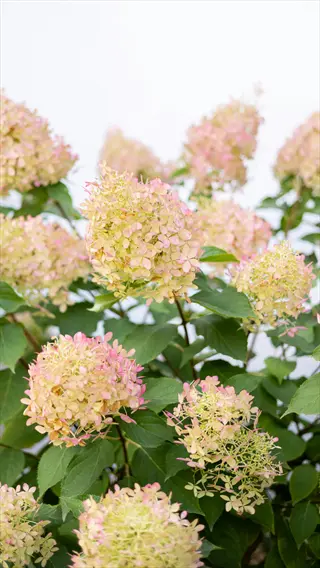
Limelight Hydrangea Tree
- Chicago Botanic Garden Rating: Earned a superior 5-star rating in the 20-year comparative trial of 45 commercially available panicle hydrangea cultivars.
- Mature Size: Reaches 6 to 8 feet (1.8 to 2.4 meters) tall and 6 to 8 feet (1.8 to 2.4 meters) wide in tree form, creating a substantial rounded canopy.
- Bloom Color Progression: Opens with chartreuse-green flowers in midsummer that gradually shift to creamy white and then soft pink by early fall.
- Growth Habit: Strong upright stems support large cone-shaped flower panicles without drooping, even after heavy rain or wind exposure.
- Best Use: Works as a standalone specimen tree, a focal point in mixed borders, or a container plant on patios and large decks.
- Notable Trait: One of the most widely available cultivars at garden centers, making it easy to find in both shrub and pre-trained tree form.
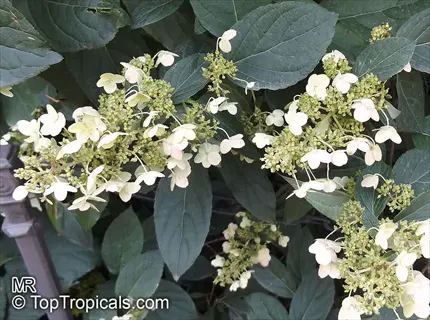
Little Lime Hydrangea Tree
- Chicago Botanic Garden Rating: Earned a superior 5-star rating, performing consistently well across all evaluation criteria over the entire trial period.
- Mature Size: Compact form reaching only 3 to 5 feet (0.9 to 1.5 meters) tall and 3 to 5 feet (0.9 to 1.5 meters) wide, ideal for smaller gardens.
- Bloom Color Progression: Produces the same chartreuse-to-pink color shift as its parent Limelight but on a much smaller and more manageable plant.
- Growth Habit: Dense, mounded canopy stays tidy without heavy pruning, making it one of the lowest-maintenance options in tree form.
- Best Use: Perfect for container growing, small urban gardens, flanking entryways, or adding structure to perennial borders with limited space.
- Notable Trait: A true dwarf cultivar that delivers full-sized flower impact in roughly half the space of standard panicle hydrangea trees.
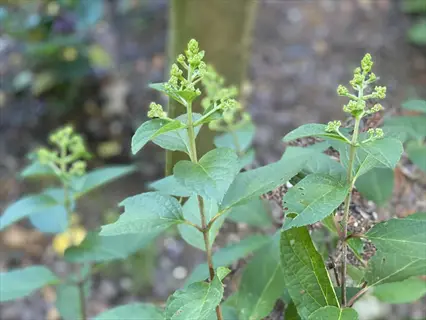
Pinky Winky Hydrangea Tree
- Chicago Botanic Garden Rating: Earned a superior 5-star rating for exceptional ornamental qualities, winter hardiness, and overall garden performance.
- Mature Size: Grows 6 to 8 feet (1.8 to 2.4 meters) tall and 6 to 8 feet (1.8 to 2.4 meters) wide with a strong upright branching structure.
- Bloom Color Progression: Unique two-tone effect where the base of each panicle turns deep pink while new white flowers keep opening at the tip through fall.
- Growth Habit: Sturdy stems hold large panicles upright even in wind, and the bicolor blooms provide interest from midsummer through the first frost.
- Best Use: Makes an eye-catching specimen tree in front yards, mixed shrub borders, or as a backdrop for lower-growing perennials and grasses.
- Notable Trait: The distinctive two-tone blooms set this cultivar apart from every other panicle hydrangea and create a striking visual effect at a distance.
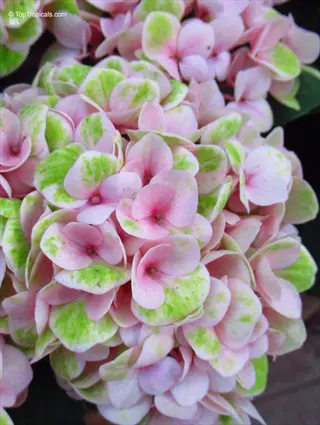
Fire and Ice Hydrangea Tree
- Chicago Botanic Garden Rating: Earned a superior 5-star rating in the comprehensive 20-year evaluation, yet it remains one of the least discussed cultivars online.
- Mature Size: Compact grower reaching 4 to 6 feet (1.2 to 1.8 meters) tall and 4 to 6 feet (1.2 to 1.8 meters) wide in tree form.
- Bloom Color Progression: Opens pure white in summer and transitions to vivid strawberry-red by fall, one of the most dramatic color shifts among panicle types.
- Growth Habit: Dense branching and manageable size make it suitable for smaller landscapes without sacrificing bloom size or color intensity.
- Best Use: Ideal for entryway plantings, patio borders, and small garden focal points where bold fall color is desired in a compact package.
- Notable Trait: Despite its top research rating, very few gardening websites feature this cultivar, making it an overlooked gem for knowledgeable gardeners.
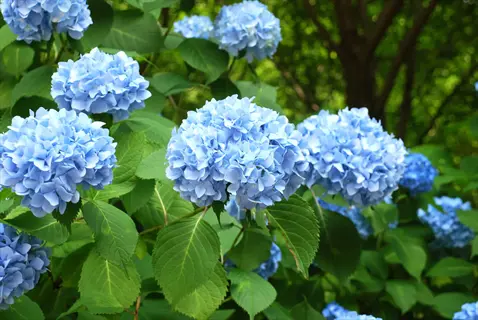
Big Ben Hydrangea Tree
- Chicago Botanic Garden Rating: Earned a superior 5-star rating but receives almost no coverage online, making it one of the best-kept secrets in panicle hydrangeas.
- Mature Size: A larger cultivar reaching 8 to 10 feet (2.4 to 3 meters) tall and 6 to 8 feet (1.8 to 2.4 meters) wide at maturity.
- Bloom Color Progression: Produces large upright panicles that open white and gradually deepen to rich pink and eventually burgundy tones in autumn.
- Growth Habit: Strong vertical stems and a naturally upright habit make it well suited for training into tree form with minimal corrective pruning.
- Best Use: Works as a bold background plant, a standalone specimen in large yards, or a dramatic anchor at the corners of garden beds.
- Notable Trait: The tall stature and deep fall color make Big Ben an excellent choice for gardeners who want maximum visual presence in their landscape.
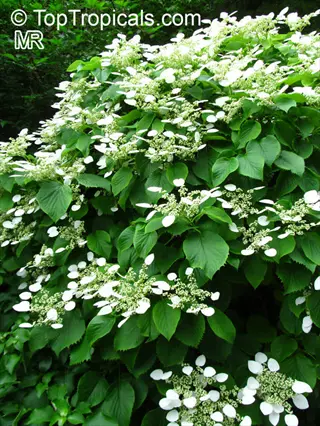
Honeycomb Hydrangea Tree
- Chicago Botanic Garden Rating: Another 5-star winner that virtually no competing garden website mentions, despite performing superbly across all trial criteria.
- Mature Size: Reaches approximately 6 to 8 feet (1.8 to 2.4 meters) tall and 5 to 7 feet (1.5 to 2.1 meters) wide in tree form.
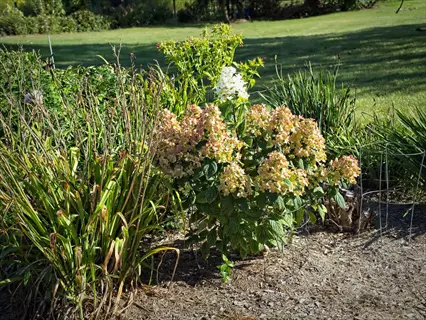
- Bloom Color Progression: Opens with creamy white blooms that develop warm honey and golden tones as summer transitions to fall, a distinctive warm palette.
- Growth Habit: Well-balanced branching pattern supports heavy flower panicles evenly, reducing the need for staking or additional structural support.
- Best Use: A beautiful choice for cottage gardens, mixed borders, and warm-toned garden designs where soft golden hues complement surrounding plantings.
- Notable Trait: The warm honey-gold fall color is unique among panicle hydrangeas and pairs especially well with ornamental grasses and autumn perennials.
White Diamonds Hydrangea Tree
- Chicago Botanic Garden Rating: Earned a superior 5-star rating in the trial yet receives essentially zero mention from top-ranking competitor articles online.
- Mature Size: Medium-sized cultivar growing 5 to 7 feet (1.5 to 2.1 meters) tall and 4 to 6 feet (1.2 to 1.8 meters) wide in standard tree form.
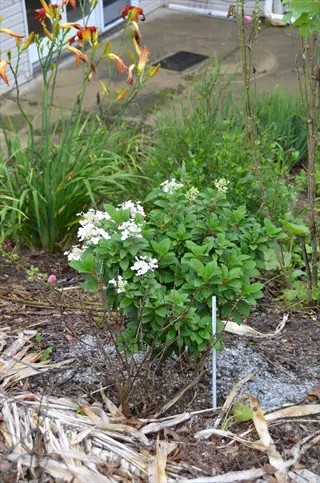
- Bloom Color Progression: Produces dense, bright white panicles that hold their pure white color longer than most cultivars before fading to soft pink.
- Growth Habit: Compact and well-branched with sturdy stems that support the heavy flower heads without bending, even during summer storms.
- Best Use: Excellent for formal garden settings, white garden themes, paired plantings flanking walkways, or as a clean focal point against dark evergreen backdrops.
- Notable Trait: The extended pure white blooming phase makes this cultivar especially valuable for gardeners who prefer crisp white flowers over pink transitions.
Little Quick Fire Hydrangea Tree
- Chicago Botanic Garden Rating: Earned a superior 5-star rating for reliable performance, early blooming, and excellent cold hardiness across all trial years.
- Mature Size: One of the smallest options at 3 to 5 feet (0.9 to 1.5 meters) tall and 3 to 5 feet (0.9 to 1.5 meters) wide in tree form.
- Bloom Color Progression: Among the first panicle hydrangeas to bloom each season, opening white in early summer and turning deep pink-red weeks ahead of other cultivars.
- Growth Habit: Compact, dense branching fills out the canopy quickly, and the early bloom time means gardeners enjoy color before most other hydrangeas even start.
- Best Use: Ideal for containers, small patios, foundation plantings, and zones 3 through 4 where early blooming provides a longer season of garden color.
- Notable Trait: The early bloom time combined with dwarf size makes this cultivar the best option for cold-climate gardeners with limited growing seasons.
Three more cultivars earned strong 4 star ratings in the same trial: Bobo, Fire Light, and Quick Fire. These are solid picks if you can't find the 5 star winners at your local nursery. Pinky Winky and Limelight remain the easiest to find, but don't overlook the lesser known options.
Planting a Hydrangea Tree
Getting your planting hydrangea tree into the ground the right way makes all the difference in how fast it grows. In my experience planting over 30 of these trees, the ones I gave extra care at planting time grew twice as fast in the first year. The key is matching the right season to your zone.
Spring planting works best in zones 3 through 5 where cold winters can stress new roots. Fall planting is a great option in zones 6 through 8 where mild winters let roots settle in before summer heat arrives. When to plant hydrangea tree depends on your climate, but either window gives the roots time to grab hold before the tough season hits.
Your hydrangea tree soil requirements are simple but strict. The soil pH needs to fall between acidic and neutral, and good drainage is a must. These plants grow roots near the surface, so a thick mulch layer keeps moisture in and heat out. Give your tree morning sun and afternoon shade for the best blooms.
Choose the Right Location
- Sunlight: Select a spot that receives four to six hours of morning sun followed by afternoon shade, which protects blooms from scorching in hot climates.
- Soil Drainage: Test drainage by filling a 12-inch (30.5 centimeter) hole with water and checking that it empties within one hour, since hydrangea trees cannot tolerate standing water.
- Wind Protection: Position the tree near a fence, wall, or larger planting to shield the trunk and canopy from strong winds that can snap branches.
Prepare the Planting Hole
- Hole Size: Dig a hole two to three times wider than the root ball and as deep, so the top of the root ball sits level with the soil surface.
- Soil Amendment: Mix the removed soil with one part compost for every three parts native soil to improve drainage and add organic nutrients.
- Root Inspection: Loosen any circling roots around the edges of the root ball before placing it in the hole to encourage outward root growth.
Plant and Backfill
- Positioning: Set the tree in the center of the hole and make sure the trunk is straight and the root flare sits at or just above the soil line.
- Backfilling: Fill the hole halfway with the amended soil mixture, water to eliminate air pockets, then continue filling to ground level.
- Staking: Insert a sturdy wooden or metal stake about 6 inches (15.2 centimeters) from the trunk and tie with soft plant ties to prevent trunk damage.
Mulch and Water
- Mulch Layer: Spread 3 inches (7.6 centimeters) of shredded bark or wood chip mulch around the base, keeping it 2 inches (5 centimeters) away from the trunk.
- Initial Watering: Water deep right after planting so the entire root zone is soaked, then water every two to three days for the first two weeks.
- Ongoing Schedule: After the first month, water once per week with about 1 inch (2.5 centimeters) of water each time, adjusting for rainfall.
Seasonal Care Calendar
Good hydrangea tree care follows the seasons. I keep a simple calendar on my phone that reminds me what each tree needs every few months. Once you learn the rhythm, hydrangea tree maintenance feels like second nature rather than a chore.
Your seasonal hydrangea care breaks into 4 clear phases. Spring is for pruning and fertilizing hydrangea trees before new growth takes off. Summer means watering and watching for bugs. Fall is prep time, and hydrangea winter care keeps your tree safe until the next growing season.
In my experience, gardeners who follow a seasonal plan grow the biggest blooms. Panicle hydrangeas handle air pollution, salt, and city conditions with no trouble. They're tough plants that reward even basic attention at the right time of year.
The biggest mistake I see is gardeners who skip the late winter prune. Since panicle hydrangeas bloom on new wood grown in the current season, pruning in early spring won't hurt your flowers. It makes them bigger and better.
Training and Pruning Guide
Pruning hydrangea tree branches is the single most important skill you need to master. I trained my first shrub into a hydrangea tree form over 3 years and it's still going strong a decade later. The process works like shaping a lollipop from a central leader stem that you pick in year one.
The best part about panicle hydrangeas is that they bloom on new wood. That means even if you make a mistake with your spring cuts, the plant grows fresh flowering stems in the same season. This makes the train hydrangea into tree process much more forgiving than most people expect.
Year One: Select the Leader
- Main Stem: Choose the strongest, most upright stem from a young panicle hydrangea shrub and remove all other stems at ground level with clean bypass pruners.
- Staking: Tie the selected stem to a sturdy stake using soft fabric ties at 12-inch (30.5 centimeter) intervals to encourage straight vertical growth.
- Side Shoots: Remove any new shoots that emerge from the base throughout the growing season, redirecting all energy into the single chosen leader.
Year Two: Build the Trunk
- Lower Branches: Remove all side branches from the bottom two-thirds of the trunk, leaving only the top portion to develop into the canopy head.
- Height Target: Allow the trunk to reach at least 24 inches (61 centimeters) of clear stem before permitting the upper branching to develop.
- Strength Building: Leave the stake in place through the second year since the trunk needs more time to thicken and support itself on its own.
Year Three: Shape the Canopy
- Crown Formation: Allow the top branches to grow outward and upward, creating a rounded or umbrella-shaped canopy above the single cleared trunk.
- Selective Thinning: Remove any inward-crossing branches or weak stems from the canopy to promote good air circulation and an open balanced shape.
- Stake Removal: If the trunk holds firm when you push it, remove the stake and ties to allow the tree to build natural trunk strength from wind movement.
Annual Maintenance Pruning
- Timing: Prune every year in late winter or early spring before new buds break, since panicle hydrangeas bloom on wood grown in the current season.
- One-Third Rule: Cut back the previous year's growth by about one-third to encourage larger flower panicles and maintain a compact canopy shape.
- Cleanup Cuts: Remove any dead, damaged, or pencil-thin branches first, then address any suckers growing from the base or lower trunk throughout the season.
When I first started pruning hydrangea tree branches, I was afraid of cutting too much. But blooms on new wood means the plant bounces back fast. Cut with confidence in late winter and you'll see bigger flowers than ever by summer.
Troubleshooting Common Problems
Most hydrangea tree problems look scary but turn out to be minor fixes. In my experience growing these trees for over a decade, none of the issues below killed a plant. Hydrangea tree pests like aphids, mites, and scales are rarely serious on panicle types.
Hydrangea tree diseases like powdery mildew hydrangea infections and leaf spot show up when air flow is poor. The table below helps you spot each symptom and fix it fast. If your hydrangea tree not blooming is the main issue, the answer is almost always a pruning timing mistake.
Landscape Design Ideas
Smart hydrangea tree landscaping turns a single plant into the star of your whole yard. I tested several hydrangea tree garden design layouts before I found the ones that look best in real gardens. A specimen plant on its own is stunning, but paired plantings and rows create an even bigger visual impact.
These trees handle air pollution, salt, and city conditions without trouble. They work great for urban lots and foundation planting spots near front doors. You can even grow a container hydrangea tree on your patio. The underplanting options below give each design a polished look from day one.
Paired Entryway Planting
- Layout: Place two matching hydrangea trees in identical containers or planting beds on either side of a front door, walkway, or garden gate for symmetry.
- Best Cultivars: Limelight or White Diamonds provide a formal and consistent look, while Little Lime or Little Quick Fire work for narrower entryways.
- Underplanting: Fill the base with low-growing hostas, heuchera, or creeping thyme to add color and texture without competing with the tree canopy above.
Standalone Specimen Focal Point
- Placement: Position a single hydrangea tree at the center of a garden bed, at the end of a sight line, or at the bend of a curved pathway to draw attention.
- Scale: Choose a larger cultivar like Big Ben or Pinky Winky for open yards, or a dwarf variety like Fire and Ice for smaller courtyard gardens.
- Seasonal Interest: The tree provides three-season interest with summer blooms, fall color changes, and dried winter flower heads left on the branches.
Container Growing on Patios
- Pot Size: Use a container at least 24 inches (61 centimeters) wide and deep with drainage holes, selecting a material like glazed ceramic or resin that insulates roots.
- Soil Mix: Fill with a blend of potting soil, perlite, and compost in equal parts to ensure moisture retention while maintaining the drainage panicle hydrangeas require.
- Winter Protection: In zones 5 and colder, wrap the container in bubble wrap or burlap and move it to a sheltered location like an unheated garage before hard frost.
Privacy Screen Along Fences
- Spacing: Plant standard-sized hydrangea trees 6 to 8 feet (1.8 to 2.4 meters) apart along a fence line so the canopies fill in without overcrowding within three years.
- Mixed Heights: Alternate full-sized cultivars like Limelight with mid-sized options like Honeycomb to create a layered and more natural-looking screen.
- Urban Advantage: Panicle hydrangeas tolerate air pollution and salt, making this design suitable for city lots and streets with winter salt spray.
5 Common Myths
Hydrangea trees are a unique species that grows naturally into a tree shape with a single trunk.
Hydrangea trees are actually panicle hydrangea shrubs (Hydrangea paniculata) that have been pruned, trained, or grafted into a single-trunk tree form over several years.
You can change the flower color of a hydrangea tree by adding aluminum sulfate or adjusting soil pH levels.
Panicle hydrangea blooms are not affected by soil pH. Their flowers naturally transition from white or green to pink and then brown as they age regardless of soil conditions.
Hydrangea trees need full shade to thrive because direct sunlight will scorch and damage their leaves and blooms.
Panicle hydrangeas tolerate full sun better than most hydrangea types and actually bloom best with at least four to six hours of direct morning sunlight.
Pruning a hydrangea tree in spring will remove all the flower buds and prevent it from blooming that year.
Panicle hydrangeas bloom on new wood grown in the current season, so late winter or early spring pruning actually promotes stronger blooms rather than removing them.
Hydrangea trees can only survive in mild climates and will not tolerate temperatures below freezing during winter months.
Panicle hydrangeas are among the hardiest hydrangea species, thriving in USDA zones 3a through 8b and tolerating winter temperatures as low as minus 40 degrees Fahrenheit (minus 40 degrees Celsius).
Conclusion
A hydrangea tree is just a panicle hydrangea shrub trained into a tree form hydrangea with a single trunk. Once you understand that simple fact, every part of hydrangea tree care makes more sense. You're working with one of the toughest flowering shrubs around, not some fragile ornamental tree.
I always tell new gardeners to start with a cultivar from the Chicago Botanic Garden's 20 year trial. Those 8 five star winners earned their rating through real testing over 2 decades. Pick one that fits your space and your USDA zone, and you're off to a strong start.
Don't be afraid to prune your hydrangea tree each spring. Since panicle hydrangeas bloom on new wood, those cuts won't hurt your flowers. They'll make the blooms bigger and more impressive than if you left the branches alone.
With the right cultivar for your zone, a hydrangea tree gets better every single year. The trunk grows thicker, the canopy fills out, and the blooms get more stunning each summer. In my experience, few plants give you this much beauty for so little effort over such a long life.
External Sources
Frequently Asked Questions
How big will a hydrangea tree get?
Most hydrangea trees reach 8 to 15 feet (2.4 to 4.6 meters) tall and 6 to 10 feet (1.8 to 3 meters) wide, though some cultivars can grow up to 25 feet (7.6 meters).
Where is the best place to plant a hydrangea tree?
Plant in a spot with morning sun and afternoon shade, in well-drained soil with a pH between acidic and neutral.
What is the difference between a hydrangea and a hydrangea tree?
A hydrangea tree is a panicle hydrangea shrub that has been trained or grafted to grow on a single trunk rather than multiple stems.
Does a hydrangea tree come back every year?
Yes, hydrangea trees are deciduous perennials that lose their leaves in fall and produce new growth and blooms each spring.
What is the lifespan of a hydrangea tree?
A well-maintained hydrangea tree can live 20 to 50 years or more with proper care, pruning, and protection.
How much room does a hydrangea tree need?
Allow 6 to 10 feet (1.8 to 3 meters) of spacing around each tree, depending on the cultivar's mature spread.
Do hydrangeas grow better in pots or in the ground?
Hydrangeas generally grow better in the ground due to deeper root space and more stable moisture, but they can succeed in large containers with extra care.
Why say goodbye to hydrangeas?
Some gardeners remove hydrangeas because of repeated winter dieback, pest issues, or plants that have outgrown their space.
Do coffee grounds really help hydrangeas?
Coffee grounds add minor acidity and organic matter to soil, but they will not change panicle hydrangea flower color since those blooms are not pH-dependent.
Do I need to prune my hydrangea tree?
Yes, annual pruning in late winter or early spring keeps the tree shape, removes dead wood, and encourages larger blooms on new growth.