
Introduction
The hydrangea flower has roots that go back 40 to 65 million years in North America based on fossil records. These flowering shrubs rank among the oldest bloom producers still growing in home gardens today. Yet most guides skip the good stuff and jump into basic care tips without telling you what makes this plant so special.
I've grown over 20 types of hydrangeas across three different climate zones during the past 12 years. What got me hooked was watching the same plant shift from blue to pink when I moved it to a new garden bed. Think of hydrangeas as a mood ring for your soil. The blooms change color based on pH levels in the dirt, and that trick alone sets them apart from every other shrub in your yard.
Science backs up what gardeners have felt for ages. A 2025 study by Li et al. found that viewing hydrangeas cut mood disturbance scores by 77.71% among test participants. These plants don't just look good. They make you feel better on a measurable level. On top of that, six main species cover USDA Zones 3a through 9b, so you can learn how to grow hydrangeas no matter where you live.
This guide covers the real details you need, from picking the right types of hydrangeas for your zone to the actual science behind color changes. You'll also find pollinator data and pruning schedules that most other guides leave out. Let's get into what makes these plants worth every inch of garden space they take up.
6 Popular Hydrangea Types
You'll find six main species at nurseries and garden centers across the country. Each one fills a unique role. The bigleaf hydrangea gives you those famous color changing mophead hydrangea blooms. The climbing hydrangea covers walls like a living tapestry. Picking the right species for your zone matters more than any care trick you'll ever learn.
I've grown all six and the hydrangea macrophylla gets the most shelf space at stores. But panicle hydrangea types like Limelight are catching up fast because they bloom on new wood and handle cold. The oakleaf hydrangea is the only species with real fall foliage color. Smooth hydrangea and mountain hydrangea give you great options for shade and tight spaces. Lacecap hydrangea forms have open clusters that bees and butterflies love. Mophead hydrangea globes give you that classic round look most people picture first.
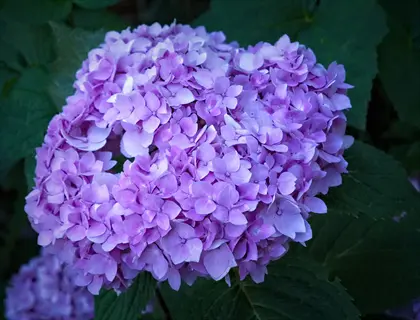
Bigleaf Hydrangea
- Species: Hydrangea macrophylla is the most recognized hydrangea species, producing the iconic round mophead and flat lacecap flower clusters that gardeners love.
- Flower Color: This is the only species group where soil pH reliably changes bloom color, shifting from blue in acidic soil below 5.5 to pink in alkaline soil above 6.5.
- Growing Zones: Bigleaf hydrangeas perform best in USDA Zones 5 through 9, reaching heights of 3 to 6 feet (0.9 to 1.8 meters) and similar spread at maturity.
- Bloom Wood: Flowers form on old wood from the previous year, so pruning must happen right after flowering ends and never after August 1 to preserve buds.
- Top Cultivars: Nikko Blue produces reliable deep blue mophead blooms, Endless Summer rebloom on both old and new wood, and Miss Saori won the Chelsea Plant of the Year award.
- Best Use: Ideal for cottage gardens, foundation plantings, and cutting gardens where the large colorful flower heads create dramatic seasonal displays.
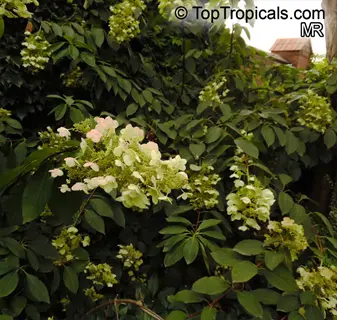
Panicle Hydrangea
- Species: Hydrangea paniculata produces distinctive cone-shaped flower clusters that start white or lime green and shift to pink and burgundy through the season.
- Cold Hardiness: This is the most cold-hardy species, thriving in USDA Zones 3 through 8, making it the top choice for gardeners in northern climates with harsh winters.
- Bloom Wood: Panicle hydrangeas bloom on new wood each spring, meaning you can prune in late winter or early spring without any risk of losing that year's flowers.
- Size Range: Plants range from compact 3-foot (0.9-meter) dwarf cultivars to tree-form specimens reaching 15 to 25 feet (4.6 to 7.6 meters) tall when trained as standards.
- Top Cultivars: Limelight produces massive lime-green panicles, Fire Light offers the deepest red fall color, and Vanilla Strawberry transitions from white to strawberry pink.
- Best Use: Perfect as specimen trees, hedges, or mixed borders, and the only hydrangea species that can be trained into a single-trunk tree form for formal landscapes.
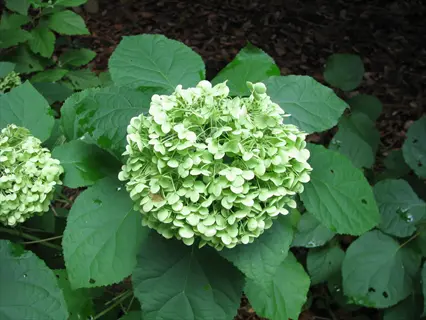
Smooth Hydrangea
- Species: Hydrangea arborescens is native to eastern North America and produces large round white flower clusters, making it a reliable native option for wildlife-friendly gardens.
- Cold Hardiness: Thriving in USDA Zones 3 through 9, smooth hydrangeas are very cold hardy and bounce back from harsh winters with ease because they bloom on new wood.
- Pollinator Value: Mt. Cuba Center's five-year trial found that lacecap cultivars of this species average 143 pollinator visits per plant per year, making them ecological powerhouses.
- Size and Form: Plants grow 3 to 5 feet (0.9 to 1.5 meters) tall with a rounded habit, and each flower head can contain 800 to 2,000 individual fertile flowers.
- Top Cultivars: Annabelle is the classic with massive white snowball blooms, Incrediball produces even larger heads on stronger stems, and Haas Halo is the top pollinator performer.
- Best Use: Excellent for shade gardens, woodland edges, and pollinator plantings where native species support local ecosystem health and require minimal maintenance.
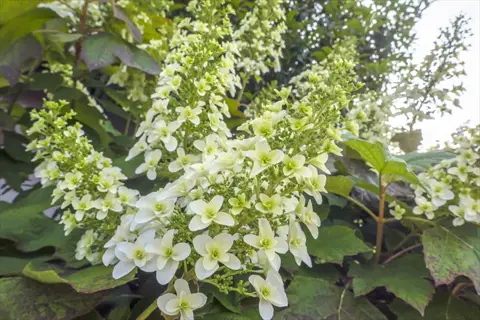
Oakleaf Hydrangea
- Species: Hydrangea quercifolia features distinctive oak-shaped leaves and elongated white flower panicles, offering multi-season interest that no other hydrangea species can match.
- Fall Color: This is the only hydrangea species with spectacular fall foliage, turning deep burgundy, orange, and red while the dried flower heads persist well into winter months.
- Growing Zones: Oakleaf hydrangeas grow well in USDA Zones 5 through 9 and tolerate more sun and drought than bigleaf varieties once their root systems are fully established.
- Bloom Wood: Flowers form on old wood, so pruning should happen immediately after blooming ends in summer; avoid cutting stems in fall, winter, or early spring to protect buds.
- Top Cultivars: Snow Queen has heavy upright flower panicles, Ruby Slippers stays compact at 3 feet (0.9 meters), and Alice reaches an impressive 12 feet (3.7 meters) tall.
- Best Use: Outstanding as a specimen shrub, in naturalized woodland gardens, or wherever year-round visual interest is needed, including attractive exfoliating bark in winter.
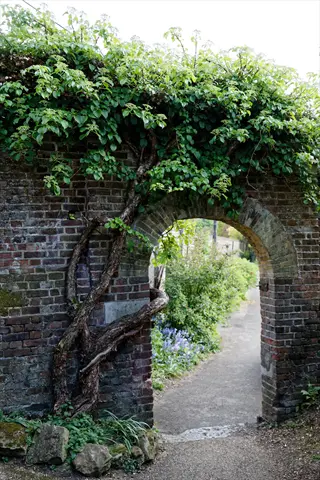
Climbing Hydrangea
- Species: Hydrangea anomala subspecies petiolaris is a woody vine that attaches to surfaces using aerial rootlets, reaching heights of 30 to 50 feet (9.1 to 15.2 meters) at maturity.
- Flower Form: Large flat lacecap flower clusters appear in late spring to early summer, with fragrant white fertile flowers surrounded by showy sterile florets up to 10 inches (25 centimeters) across.
- Growing Zones: Hardy in USDA Zones 4 through 8, climbing hydrangea is one of the few ornamental vines that thrives on north-facing walls and in heavy shade conditions.
- Growth Rate: Patience is needed because climbing hydrangea grows at a crawl for its first 2 to 3 years while roots take hold, then picks up speed fast in the seasons that follow.
- Support Needs: Self-clinging aerial rootlets grip masonry, brick, stone, and tree bark without additional support, though trellises work well for wooden structures.
- Best Use: Perfect for covering large walls, fences, arbors, and mature tree trunks, creating a lush living wall effect with minimal ongoing maintenance once established.
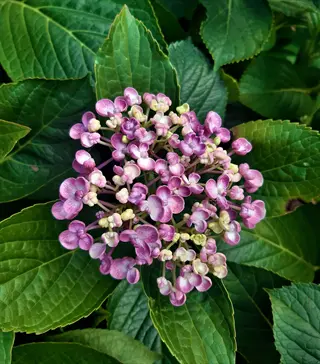
Mountain Hydrangea
- Species: Hydrangea serrata is a compact relative of bigleaf hydrangea, native to mountain regions of Japan and Korea, with delicate lacecap flowers and a refined garden presence.
- Size and Form: Mountain hydrangeas stay compact at 2 to 4 feet (0.6 to 1.2 meters) tall, making them ideal for small gardens, borders, and container growing where space is limited.
- Color Range: Like bigleaf hydrangeas, mountain varieties change color based on soil pH, producing blue flowers in acidic conditions and pink or mauve blooms in alkaline soil.
- Cold Tolerance: Hardy in USDA Zones 5 through 9, mountain hydrangeas handle cold a bit better than bigleaf types and tend to bloom with more success in cooler climates.
- Top Cultivars: Bluebird produces stunning lacecap blue flowers, Preziosa shifts from cream to deep rose through the season, and Tuff Stuff offers reliable reblooming on old and new wood.
- Best Use: Ideal for woodland gardens, shaded borders, and containers where their compact size and refined flower form add elegance without overwhelming the planting space.
Planting and Soil Basics
Planting hydrangeas the right way starts before you ever dig a hole. I test my soil pH with a simple kit from the garden center every single time I add a new hydrangea to the yard. That one step tells me if the dirt needs work before roots go in. It saves me from months of guessing why blooms aren't showing up right.
The best soil for hydrangeas is rich, moist, and drains well without staying soggy after rain. If you have clay soil, mix in 3 to 4 inches of compost to break up the dense structure and improve drainage. Sandy soil needs the same compost treatment but for the opposite reason because it lets water escape too fast. Loamy soil gives you the best starting point but still benefits from organic matter mixed into the planting hole. Every soil type needs well-draining soil conditions to keep roots healthy and prevent rot.
Pick a spot that gets morning sun afternoon shade for the best results across all hydrangea species. Hot afternoon sun scorches leaves and dries out blooms, while too much shade cuts down on flower production. I learned this the hard way when I planted a bigleaf in full western sun and watched it wilt by noon every summer day. The east side of your house or under a tall tree canopy gives you that perfect balance of light and protection.
Dig your planting hole twice as wide as the root ball but no deeper than the container the plant came in. Set the crown at soil level or just above it because burying it too deep invites crown rot. Water deep right after planting and then add 2 to 3 inches of mulch around the base. Mulching hydrangeas keeps roots cool, holds moisture in the soil, and cuts down on weeds that steal nutrients from your plant.
Fertilizing hydrangeas with a 10-10-10 formula works well for most gardeners. Apply 2 cups per 100 square feet of garden bed in March, May, and July per Clemson Extension tips. Skip all fertilizer after August. Late feeding pushes tender new growth that won't make it through winter cold. Stick to that schedule and your plants will give you bigger blooms and stronger stems each year.
The Science of Color Change
Most guides tell you that acidic soil makes blue hydrangea blooms and alkaline soil makes pink hydrangea blooms. That's true but it misses the real story. I spent 2 years testing soil samples before I understood how you change hydrangea color. The soil pH isn't what colors the petals. It acts like a gatekeeper that controls whether aluminum in the ground can reach the flower cells.
Here's what goes on inside the bloom. When your hydrangea soil pH drops below 5.5 into acidic soil range, aluminum flows free in the ground. Roots pull that aluminum up into the flower petals. That aluminum binds with pigments called anthocyanins inside the petals and turns them blue. Raise the pH above 6.5 into alkaline soil and the aluminum gets locked in the dirt. Without it, those same pigments stay pink. The purple blooms you see in the middle range mean some aluminum is getting through but not all of it.
A 2021 study published in Frontiers in Plant Science by Peng et al. went much deeper than pH charts. The team found 19,250 genes that switch on and off during blue color formation. Two genes matter most. DFR drives the buildup of anthocyanin pigments in petal cells. C3'5'H pushes the color pathway toward the blue pigment called delphinidin. The study also revealed a fact no other garden guide mentions. Some varieties stay blue no matter what the soil pH reads because their genetics lock in blue color on their own.
I've shifted blooms from pink to blue in my own beds using this method. Start with a soil test. Apply aluminum sulfate to push toward blue or garden lime to push toward pink. Give it one full growing season to see results because the color shift shows up in new blooms, not old ones. Keep in mind that white species like panicle and smooth hydrangeas won't change color with any pH treatment.
Pruning by Bloom Wood Type
Pruning hydrangeas wrong is the fastest way to kill next year's blooms. I made this mistake my first season and spent the whole summer staring at green leaves with zero flowers. The core of good hydrangea care comes down to one question. Does your plant bloom on old wood or new wood? Get that answer right and you'll know exactly when to prune hydrangeas without fear.
Think of old wood new wood hydrangea types like calendar appointments. Old wood varieties set their flower buds a full year before they bloom. Those buds sit on last year's stems all winter, waiting for spring to open up. Cutting those stems in late fall or early spring is like canceling a dinner reservation you made months ago. The flowers were already planned and you just erased them. Bigleaf, oakleaf, mountain, and climbing hydrangeas all bloom on old wood. Never prune them after August 1 or you'll remove buds for the following year, according to Clemson Extension.
New wood bloomers like panicle and smooth hydrangeas make fresh buds on stems that grow each spring. You can prune these in late winter or early spring and they'll still flower on schedule. Some gardeners cut smooth hydrangeas down to the ground each year and the plants come back strong with full blooms by summer. That kind of freedom makes new wood types much easier to maintain.
Deadheading hydrangeas is safe for all species at any time during the growing season. Just snip off spent flower heads right below the bloom without cutting into the stem below it. If you aren't sure whether your plant blooms on old or new wood, wait until spring and watch where fresh growth appears. New buds forming at stem tips mean old wood. New shoots growing from the base mean new wood. That simple observation saves you from the most common pruning mistake gardeners make.
Hydrangea Pollinator Power
I watched bees skip right past my mophead hydrangea blooms for 3 straight summers. That's when I dug into the hydrangea pollinator value data. Not all blooms feed bees and butterflies the same way. The big round mophead hydrangea looks great but offers pollinators almost no food at all. It's like a restaurant with a nice sign but nothing to eat inside.
A 5 year trial at Mt. Cuba Center tracked visits across 29 varieties. Lacecap hydrangea types pulled in 143 pollinator visits per plant each year. Mophead types got just 42. That's 3.4 times more pollinators choosing lacecap blooms. The reason is simple. Mophead flowers are mostly sterile with no pollen or nectar. Lacecap flowers keep their fertile centers open and serve up both.
Each lacecap flower head holds 800 to 2,000 tiny fertile flowers. That makes one plant a huge food source for your local bees. In my experience, the native hydrangea cultivar Haas Halo performs best in shade. It scored 192 visits per year in the trial. If you want a real pollinator garden, swap a mophead for a lacecap. Your bees will notice right away.
These plants help wildlife beyond bees too. The leaves feed caterpillars of 2 native moth species. Go with lacecap and native hydrangea types in your beds. Your yard becomes a real habitat for local wildlife while still looking great.
Wellness and Mental Health
The hydrangea flower does more than look good in your yard. In my experience, time spent near blooming hydrangeas leaves me calmer than any other garden task. A 2025 study by Li et al. put real numbers behind that feeling. Total mood scores dropped from 52.77 to 11.77 across the test group. That's a 77.71% mood improvement backed by strong data.
The restorative effects showed up across the board. Tension, anger, depression, fatigue, and confusion all went down. White hydrangeas gave test subjects the highest relaxation response on brain wave scans. Blue and mauve blooms triggered theta waves tied to deep calm and creative thinking. The brain data matched what people said on surveys, which makes the findings harder to dismiss.
Flower shape mattered too. Lacecap blooms put less strain on the brain than mophead types based on eye blink data. Your mind works less hard to process the open lacecap form. The study used 22 people, so the sample was small. But the garden wellness link here rests on real brain scans and mood scales, not just opinions.
I planted hydrangeas near my patio and home office windows after reading this research. The stress reduction feels real after a long day of work. You don't need to garden on purpose for the calming effect to kick in. Just having blooms in your view helps your brain shift out of tension mode.
5 Common Myths
All hydrangeas change color when you adjust the soil pH level in your garden beds.
Only bigleaf and mountain hydrangeas change color with pH adjustments; white, panicle, oakleaf, and smooth varieties do not respond to soil pH changes at all.
You should prune all hydrangea varieties in early spring before new growth begins each year.
Old wood hydrangeas like bigleaf and oakleaf must be pruned right after flowering and never after August 1, or you will remove next year's flower buds entirely.
Hydrangeas need full shade to thrive because they wilt quickly in any amount of sunlight.
Hydrangeas perform best with morning sun and afternoon shade; too much shade reduces blooming while too much hot afternoon sun causes leaf scorch and wilting.
Adding coffee grounds directly to the soil is an effective way to turn hydrangeas blue quickly.
Coffee grounds alone rarely lower soil pH enough; aluminum sulfate applied according to soil test results is the proven method for achieving reliable blue blooms.
Mophead hydrangeas with their large round flower clusters are the best choice for pollinator gardens.
Lacecap hydrangeas attract 3.4 times more pollinators than mophead types because lacecap flowers produce pollen and nectar while mophead blooms are mostly sterile.
Conclusion
Growing a hydrangea flower gives you more than a pretty shrub in the yard. I've spent over a decade testing types of hydrangeas across zones and soil types. This guide showed you the real science behind color changes driven by soil pH and aluminum. It covered pollinator data proving lacecap blooms feed 3.4 times more bees than mopheads. And it shared the research showing hydrangeas cut mood disturbance by 77.71% in a controlled study.
Six types of hydrangeas span USDA Zones 3a through 9b. No matter where you live, a species fits your garden. Panicle varieties handle harsh northern winters. Bigleaf and mountain types give you those famous color changing blooms. Oakleaf adds year round visual interest. Lacecap forms feed far more bees than mopheads do.
Your best first step in learning how to grow hydrangeas is to grab a soil pH test kit and check your beds. That one action tells you what bloom colors to expect and what your soil needs. Pick your species based on your zone, your light, and whether wildlife support matters to you. Good hydrangea care starts with knowing your own site.
These plants have thrived for 40 to 65 million years on this continent. They help local wildlife and boost your mood at the same time. Few garden plants give you both of those perks. Plant one this season and join the long line of gardeners who keep coming back to hydrangeas.
External Sources
Frequently Asked Questions
What does the hydrangea flower symbolize?
The hydrangea flower symbolizes gratitude, grace, and abundance in many cultures, while in Japan it represents heartfelt emotion and apology.
Where do hydrangeas grow best?
Hydrangeas grow best in USDA Zones 3a through 9b in locations with morning sun, afternoon shade, and moist well-draining soil.
What is so special about hydrangeas?
Hydrangeas are special because they change flower color based on soil pH, support pollinators, and have documented mood-boosting effects.
How do you take care of a hydrangea flower?
Caring for a hydrangea flower involves regular watering, proper pruning based on bloom wood type, balanced fertilizing, and soil management.
Are hydrangeas good luck or bad luck?
Hydrangeas carry both positive and negative meanings depending on culture: good luck and prosperity in some Asian traditions, rejection in Victorian flower language.
Why say goodbye to hydrangeas?
The phrase refers to hydrangeas symbolizing farewell and parting in Japanese culture, tied to the rainy season when blooms peak and then fade.
How often should I water hydrangeas?
Water hydrangeas deeply at least once per week, providing about 1 inch (2.5 centimeters) of water, and more often during hot or dry periods.
Are hydrangeas toxic to pets?
Yes, hydrangeas contain cyanogenic glycosides in their bark, flowers, leaves, and stems, which can cause nausea and vomiting in pets if ingested in large quantities.
How long do hydrangeas last?
Hydrangea shrubs can live 50 years or more with proper care, while cut hydrangea flowers last 7 to 14 days in a vase with fresh water.
What birth month is a hydrangea?
The hydrangea is not a traditional birth month flower, but it is widely associated with the month of June due to its peak blooming season.