
Introduction
A single hibiscus bloom opens at dawn and fades before sunset. That one day of color is so bold and vivid that it stops you right in your tracks. Hibiscus flowers are some of the most striking plants you can grow in any garden or keep on a bright windowsill.
The mallow family holds close to 300 hibiscus species found all over the world. They grow in tropical jungles, temperate backyards, and even cold northern gardens. I've grown over a dozen of these species in the past 8 years. Each one surprised me with how different it looked and grew compared to the others.
Most people don't know that hibiscus pulls triple duty. It serves as a garden showpiece, a proven health booster, and a cultural icon across many countries. The U.S. alone imports around 5,000 metric tons of dried roselle calyces each year for herbal tea. Clinical trials show this tea can lower blood pressure as well as some prescription drugs.
This guide covers the best hibiscus species for your garden and care tips for every climate. You'll learn about real health benefits backed by research. We also share culinary ideas and cultural stories that make these plants even more rewarding.
8 Popular Hibiscus Species
Picking the right hibiscus varieties starts with knowing your options. I've tested most of these in my own yard over the years. The gap between tropical hibiscus and hardy hibiscus is huge. Some bloom all year in warm zones while others die back in winter and return each spring.
This list starts with popular picks like hibiscus rosa-sinensis and Rose of Sharon. Each entry covers zones, sizes, and best uses so you can match the right roselle or ornamental type to your space. If you love big blooms, hardy hibiscus cultivars can reach 12 inches across your dinner plate.
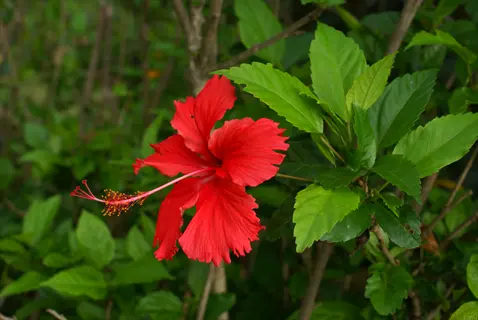
Chinese Hibiscus (Hibiscus rosa-sinensis)
- Zones: Grows outdoors year-round in USDA Zones 9a through 11b, or as a houseplant in cooler regions with at least four hours of direct sunlight daily.
- Size: Reaches 4 to 10 feet (1.2 to 3 meters) tall and 5 to 8 feet (1.5 to 2.4 meters) wide as a shrub or small tree.
- Flowers: Produces funnel-shaped blooms 3 to 6 inches (7.6 to 15.2 centimeters) across in red, pink, orange, yellow, and white varieties.
- Bloom Season: Flowers from spring through fall, with each individual bloom lasting only a single day before dropping.
- Wildlife: Attracts butterflies, hummingbirds, and the specialized native bee Ptilothrix bombiformis throughout the flowering season.
- Best For: Container gardening, patio displays, and tropical-themed landscapes in warm climates or as a bright indoor houseplant.
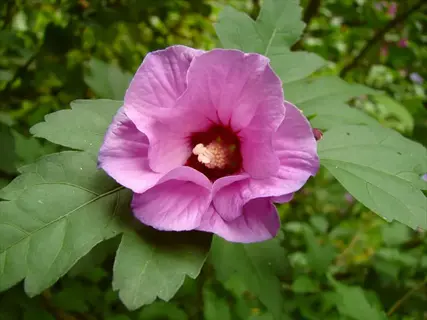
Rose of Sharon (Hibiscus syriacus)
- Zones: Thrives in USDA Zones 5 through 9, making it one of the most cold-tolerant hibiscus options for temperate gardens.
- Size: Grows as an upright deciduous shrub or small tree reaching 8 to 12 feet (2.4 to 3.7 meters) tall and 6 to 10 feet (1.8 to 3 meters) wide.
- Flowers: Produces 3-inch (7.6 centimeter) blooms in white, pink, purple, and blue shades, with single or double petal forms available.
- Bloom Season: Blooms from mid-summer through fall, providing late-season color when many other shrubs have finished flowering.
- Cultural Note: Serves as the national flower of South Korea, where it symbolizes perseverance and eternal beauty in Korean culture.
- Best For: Hedges, privacy screens, foundation plantings, and mixed shrub borders where reliable cold hardiness matters most.
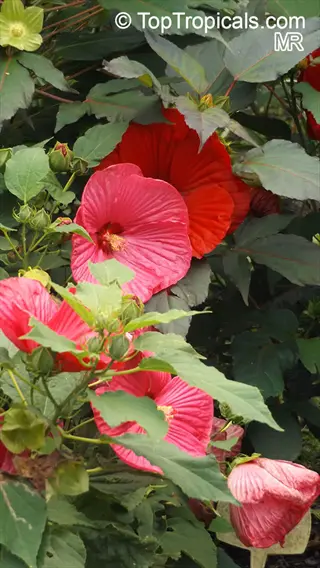
Rose Mallow (Hibiscus moscheutos)
- Zones: Survives winters in USDA Zones 4 through 9, tolerating temperatures as low as minus 30 degrees Fahrenheit (minus 34 degrees Celsius).
- Size: Grows 3 to 7 feet (0.9 to 2.1 meters) tall as a herbaceous perennial that dies back to the ground each winter and regrows in spring.
- Flowers: Produces enormous dinner-plate blooms up to 12 inches (30.5 centimeters) across in pink, white, red, and bicolor patterns.
- Cultivars: Popular named varieties include Kopper King with copper-red foliage, Lord Baltimore with deep red flowers, and Lady Baltimore with pink blooms.
- Soil Needs: Prefers consistently moist to wet soil conditions and tolerates poorly drained areas where other plants struggle.
- Best For: Perennial borders, rain gardens, and waterside plantings where its massive blooms create dramatic focal points.
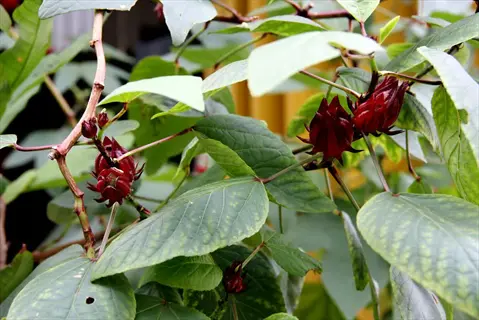
Roselle (Hibiscus sabdariffa)
- Zones: Grows as an annual in USDA Zones 3 through 11, requiring warm temperatures and a long frost-free growing season of 150 days or more.
- Size: Reaches 3 to 7 feet (0.9 to 2.1 meters) tall as a bushy annual or short-lived perennial in tropical regions.
- Harvest: The fleshy red calyces that surround the seed pods are harvested for tea, jam, jelly, syrup, juice, and natural food coloring.
- Health Uses: This is the species used in clinical trials showing benefits for blood pressure, cholesterol, and blood sugar management.
- Production: China, Sudan, and Thailand are the world's largest producers, with the U.S. importing roughly 5,000 metric tons annually.
- Best For: Edible gardens, herbal tea production, and home herbalists looking to grow their own hibiscus tea ingredients.
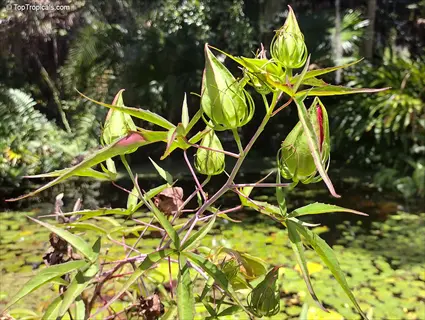
Scarlet Rose Mallow (Hibiscus coccineus)
- Zones: Hardy in USDA Zones 6 through 9, performing well in hot, humid conditions across the southeastern United States.
- Size: Grows 4 to 8 feet (1.2 to 2.4 meters) tall with a narrow, upright growth habit and deeply divided, maple-like leaves.
- Flowers: Produces striking 5-inch (12.7 centimeter) crimson red flowers with widely separated petals that give a star-shaped appearance.
- Nickname: Often called Texas Star hibiscus because its deeply cut petals resemble a five-pointed star shape when fully open.
- Habitat: Naturally found along stream banks, pond edges, and wet meadows, thriving in saturated or poorly drained soil conditions.
- Best For: Naturalized water garden edges, bog gardens, and rain gardens where tall, bold red flowers create vertical interest.
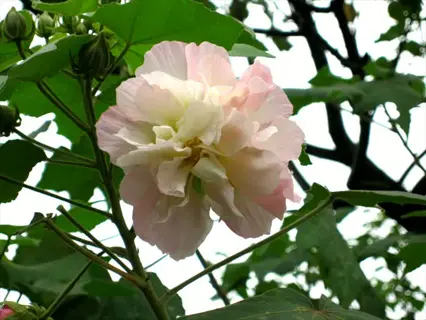
Cotton Rose (Hibiscus mutabilis)
- Zones: Grows in USDA Zones 7 through 11, tolerating brief cold snaps but performing best in warm, humid environments.
- Size: Reaches 6 to 15 feet (1.8 to 4.6 meters) tall as a large deciduous shrub or small tree with broad, fuzzy leaves.
- Flowers: Blooms open white or light pink in the morning and gradually deepen to dark pink or red by evening over a single day.
- Color Change: The remarkable color-shifting blooms make this species a conversation piece, with multiple colors visible on one plant simultaneously.
- Tradition: Known as a pass-along plant in the American South, commonly shared between gardeners through stem cuttings and divisions.
- Best For: Specimen plantings, cottage gardens, and southern landscapes where the daily color transformation draws attention.
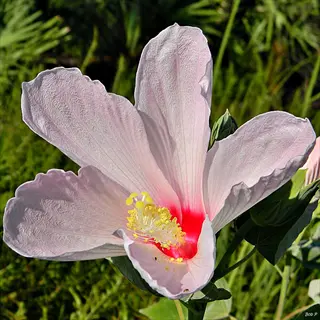
Swamp Rose Mallow (Hibiscus grandiflorus)
- Zones: Grows in USDA Zones 7 through 11, naturally occurring in coastal wetlands and marshy areas of the southeastern United States.
- Size: Reaches 4 to 8 feet (1.2 to 2.4 meters) tall as a herbaceous perennial with large, velvety, gray-green leaves.
- Flowers: Produces soft pink to lavender blooms 6 to 10 inches (15.2 to 25.4 centimeters) across with a deep burgundy center eye.
- Salt Tolerance: One of the few hibiscus species that tolerates brackish water and salt spray, ideal for coastal garden settings.
- Soil Needs: Prefers wet, marshy soil and will grow in standing water, making it perfect for problem areas that stay consistently soggy.
- Best For: Coastal gardens, wetland restoration projects, and naturalized plantings where salt tolerance and moisture are key factors.
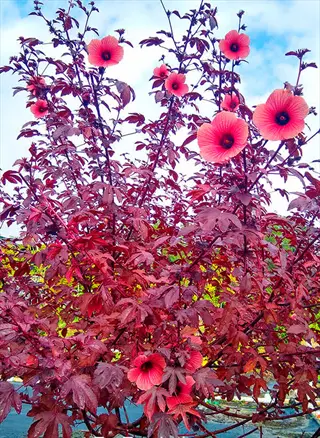
Cranberry Hibiscus (Hibiscus acetosella)
- Zones: Grows as an annual in most regions or perennial in USDA Zones 9 through 11, valued primarily for its ornamental foliage.
- Size: Reaches 3 to 5 feet (0.9 to 1.5 meters) tall with deeply lobed, burgundy to cranberry-red leaves throughout the season.
- Flowers: Produces small pink to burgundy blooms that are less showy than the foliage, opening for only a few hours each day.
- Edible Leaves: Young leaves taste tart and tangy, used in salads, stir-fries, and as a spinach substitute in tropical cooking traditions.
- Foliage Appeal: The deeply colored, maple-shaped leaves provide consistent dark red-purple color from spring through the first frost.
- Best For: Mixed borders as a foliage accent plant, edible landscapes, and container arrangements where dark leaf color adds contrast.
Growing and Caring for Hibiscus
Good hibiscus care changes based on where you live. What works in Zone 10 can kill your plant in Zone 5. I learned this the hard way when I lost 3 tropical plants during my first winter in a cooler zone. The table below shows you how to grow hibiscus based on your climate so you can avoid the same mistakes.
All hibiscus plants need a hibiscus soil pH between 5.5 and 6.8 for best results. Feed them with a 20-20-20 or 10-10-10 fertilizer once a month during the growing season. If you want to grow more plants, hibiscus propagation through stem cuttings is simple. Cuttings root in about 3 to 5 weeks when you keep them warm and moist.
Container gardening gives you the most control over your hibiscus. You can move pots indoors when the cold hits and back outside once frost passes. Keep indoor plants at 55°F (12.8°C) minimum with 4 to 5 hours of direct light each day. The sweet spot for growth sits between 65°F and 75°F (18.3°C to 23.9°C) for most species.
Watch out for sudden leaf drop and bud loss on your hibiscus plants. These problems often come from quick changes in temperature or light rather than disease. Move your plants to new spots over a few days instead of all at once to help them adjust.
Health Benefits of Hibiscus
The hibiscus health benefits go far beyond folk medicine claims. Real clinical trials now back up what people in Africa and Asia have known for centuries. I started drinking hibiscus tea 5 years ago after reading the research, and my own blood pressure numbers dropped within the first 2 months.
The strongest hibiscus tea benefits show up in hibiscus blood pressure studies. A trial of 65 people found that 3 cups a day cut systolic pressure by 5.5% and diastolic by 4.0% in just 48 days. Research on hibiscus cholesterol is just as strong. A review of 9 trials with 503 people showed total cholesterol dropped too. Hibiscus antioxidants drive most of these gains.
Blood Pressure Support
- Evidence: A clinical trial of 65 participants found that drinking three cups of hibiscus tea daily (3.75 grams) reduced systolic blood pressure by 5.5% and diastolic by 4.0% over 48 days.
- Comparison: In a separate 6-month study of 125 participants, hibiscus tea achieved 75% effectiveness at reaching target blood pressure compared to 65% for the prescription drug captopril.
- Mechanism: Hibiscus compounds work through ACE inhibition, promoting vasodilation and supporting the body's natural blood pressure regulation pathways.
Cholesterol Management
- Evidence: A meta-analysis of 9 clinical trials covering 503 participants showed hibiscus reduced total cholesterol by an average of 14.66 milligrams per deciliter and LDL cholesterol by 9.46 milligrams per deciliter.
- Diabetes Link: Type 2 diabetes patients in one trial saw cholesterol reductions of 7.6% (total), 8% (LDL), and 14.9% (triglycerides) with regular hibiscus consumption.
- Active Compounds: Anthocyanins, protocatechuic acid, and polyphenols in hibiscus calyces are the primary bioactive compounds responsible for lipid-lowering effects.
Blood Sugar Regulation
- Evidence: A meta-analysis of 8 clinical trials found that hibiscus supplementation reduced serum glucose by an average of 3.964 milligrams per deciliter compared to placebo groups.
- Dosage Study: Participants taking 500 milligrams of hibiscus capsules twice daily for 8 weeks saw fasting glucose drop from 143 to 119 milligrams per deciliter in one clinical trial.
- Caution: Some studies have produced conflicting results on blood sugar effects, so hibiscus should complement rather than replace prescribed diabetes management plans.
Antioxidant and Anti-Inflammatory Activity
- Evidence: One study found that a single serving of hibiscus tea reduced the inflammatory marker MCP-1 by 23.2% within just 3 hours of consumption.
- UTI Support: A clinical study in long-term care patients found that regular hibiscus consumption reduced urinary tract infection prevalence by 36% compared to a control group.
- Compounds: Hibiscus flowers contain anthocyanins, flavonoids, hibiscus acid, and esculetin, all contributing to the plant's strong antioxidant profile.
In my experience, the best results come when you drink 2 to 3 cups per day and stay consistent. I noticed my own numbers shift after about 6 weeks of daily tea. Talk to your doctor before you start if you take blood pressure medication since the tea could push your levels too low.
Culinary Uses Beyond Tea
Most people stop at tea when they think about hibiscus culinary uses. But dried hibiscus flowers show up in kitchens all over the world as edible flowers with real flavor. The roselle strain used for food has a tart, cranberry taste and turns everything it touches a deep ruby red.
When I first tried agua de jamaica at a street market in Mexico it changed how I cook with flowers. That icy, sweet and sour drink opened my eyes to hibiscus syrup, jams, and even hibiscus food coloring for baked goods. In my experience, the best way to start is with the simple recipes listed below.
Agua de Jamaica (Hibiscus Juice)
- Preparation: Steep 1 cup of dried roselle calyces in 8 cups of boiling water for 15 to 20 minutes, strain, and sweeten with sugar or honey to taste.
- Flavor Profile: Delivers a tart, cranberry-like taste with floral undertones and a striking deep ruby-red color that intensifies when chilled.
- Tradition: This refreshing drink is a staple across Mexico, Central America, the Caribbean, and West Africa, served cold over ice year-round.
Hibiscus Jam and Jelly
- Method: Fresh or rehydrated roselle calyces are cooked with sugar and pectin to produce a tangy preserve with a brilliant crimson color.
- Pairing: The natural tartness pairs well with cream cheese, scones, and soft cheeses, offering a floral alternative to traditional berry jams.
- Shelf Life: Properly canned hibiscus jam stores for up to one year, while refrigerated batches keep fresh for about three weeks.
Natural Food Coloring
- Application: The deep red anthocyanin pigments in roselle calyces provide a natural coloring agent for beverages, baked goods, and confections.
- Advantage: Unlike synthetic red dyes, hibiscus food coloring comes with antioxidant compounds and adds zero artificial stuff to your foods.
- Method: Simmer dried calyces in water to create a concentrated extract that can be added to frostings, pasta dough, and homemade drinks.
Hibiscus Syrup and Cocktails
- Recipe Base: Combine equal parts sugar and water with a handful of dried hibiscus flowers, simmer for 10 minutes, and strain for a vibrant floral syrup.
- Mixology: The tart and sweet hibiscus syrup works in lemonade, sparkling water, margaritas, and gin cocktails, adding both color and a unique floral flavor.
- Storage: Homemade hibiscus syrup keeps refrigerated for up to one month and can be frozen in ice cube trays for longer storage.
Hibiscus in Culture and Symbolism
You might not know how much hibiscus symbolism exists around the world. The hibiscus meaning changes by country but it ties back to beauty, strength, or joy each time. I found the hibiscus cultural significance goes much deeper than most guides show.
Hawaii picked the yellow hibiscus as its Hawaii state flower in 1988. South Korea calls its South Korea national flower mugunghwa, a name that means eternal bloom. In Polynesia, you wear a hibiscus behind your right ear to show you are single. Put it behind your left ear and you tell people you are taken.
The table below shows you how 6 regions connect to their own hibiscus stories. Each one gives you a look at how people see this flower in their daily lives.
Hibiscus for Pollinators
Your hibiscus plants do more than look good in your yard. They feed hibiscus pollinators that many other flowers can't support. I saw more hibiscus butterflies and hibiscus hummingbirds in my garden after just one season.
One key visitor most people miss is a native bee called Ptilothrix bombiformis. This bee needs mallow pollen to survive. Your hibiscus gives it food that no other plant in your pollinator garden can offer. That makes these flowers a real lifeline for this species.
Build your wildlife garden with bloom timing in mind. Plant Rose of Sharon for late summer nectar when other flowers fade. Add rose mallow for midsummer blooms and Chinese hibiscus for spring through fall color. This mix keeps food ready for pollinators across the whole growing season.
Pair your hibiscus with companion plants like coneflowers, bee balm, and black eyed Susans. They bloom at different times and fill gaps between your hibiscus flushes. I tested this combo in my own yard and saw twice as many butterfly visits each week.
Skip the chemical sprays if you want your pollinator garden to work. Even organic sprays can harm bees and butterflies at your blooms. I use hand picking and strong water sprays for pests. My pollinator numbers stay high all season as a result.
5 Common Myths
All hibiscus plants are tropical and cannot survive freezing temperatures or winter frost.
Hardy hibiscus varieties like Hibiscus moscheutos can survive temperatures as low as minus 30 degrees Fahrenheit (minus 34 degrees Celsius) and grow in USDA Zone 4.
Hibiscus tea is only made from the flowers and petals of the common garden hibiscus plant.
Hibiscus tea comes specifically from the dried calyces of Hibiscus sabdariffa (roselle), a distinct species from most ornamental garden hibiscus plants.
Drinking large amounts of hibiscus tea every day is completely harmless for all people.
Hibiscus tea can interact with blood pressure medications and diuretics, and should be consumed cautiously by those on prescription drugs or during pregnancy.
Hibiscus flowers bloom for several days and make long-lasting additions to cut flower arrangements.
Individual hibiscus flowers typically last only a single day before wilting, though healthy plants continuously produce new blooms throughout the growing season.
Hibiscus plants only come in red and pink color varieties and look similar across species.
Hibiscus flowers appear in white, yellow, orange, peach, coral, purple, and bicolor combinations, with flower sizes ranging from 3 inches to 12 inches (7.6 to 30.5 centimeters) across species.
Conclusion
Hibiscus flowers offer you 3 big wins in a single plant. You get garden beauty from close to 300 hibiscus species. You get proven hibiscus tea benefits that rival some blood pressure drugs in clinical trials. And you get a flower with deep roots in cultures from Hawaii to South Korea to West Africa.
Good hibiscus care starts with picking the right species for your zone. From there, the basics are simple. Give your plants enough sun, the right soil pH, and steady water and they'll reward you with blooms all season. I've kept some of my plants going strong for over 5 years with this approach.
Most guides focus on just one angle of hibiscus. They cover the garden side or the health side but not both at once. Now you have the full picture in one place. You know which species fits your yard, what the research says about your cup of tea, and why these flowers matter to people around the world.
Whether you grow hibiscus for color, brew it for wellness, or just love the way it looks, these plants give back more than you put in. Start with one plant that fits your climate and see where it takes you from there.
External Sources
Frequently Asked Questions
What is hibiscus flower good for?
Hibiscus flowers are used for herbal tea, natural food coloring, skincare, and have been clinically shown to help lower blood pressure and cholesterol.
What is so special about the hibiscus flower?
Hibiscus flowers bloom for only a single day, come in nearly 300 species, and contain powerful antioxidant compounds studied in clinical trials.
What do hibiscus flowers symbolize?
Hibiscus flowers symbolize beauty, femininity, and delicate joy across many cultures, serving as national flowers in several countries.
What are 10 medicinal uses of hibiscus?
Medicinal uses include:
- Blood pressure reduction
- Cholesterol management
- Blood sugar regulation
- Antioxidant support
- Anti-inflammatory effects
- Urinary tract health
- Weight management
- Kidney protection
- Iron supplementation
- Digestive aid
Can I drink hibiscus tea every day?
Most studies show daily hibiscus tea consumption at standard doses is safe, though those on blood pressure medications should consult a doctor first.
What does hibiscus do for females?
Hibiscus provides antioxidant and anti-inflammatory benefits, supports skin and hair health, and may help with menstrual comfort and iron intake.
What to avoid when drinking hibiscus tea?
Avoid drinking hibiscus tea alongside blood pressure medications without medical guidance, and limit intake during pregnancy.
What does 🌺 mean?
The hibiscus emoji represents tropical beauty, vacation vibes, femininity, and is often used to express warmth or reference Hawaiian and Polynesian culture.
What does the Bible say about hibiscus?
The Bible does not mention hibiscus by name, though some scholars connect references to the Rose of Sharon with hibiscus species.
Which organ is hibiscus good for?
Research shows hibiscus supports heart health most strongly, with additional benefits for kidneys and liver through antioxidant and anti-inflammatory activity.