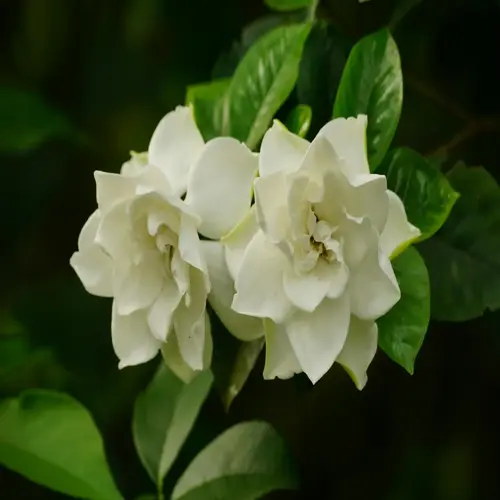

Studies have found at least 10 medicinal uses of hibiscus backed by real clinical data. These range from blood pressure and cholesterol to UTI defense and swelling control. The plant has been used in folk healing for ages. Now modern science backs many of those old claims with hard numbers you can trust.
I used to drink hibiscus tea just because I liked the tart, red flavor. Then I found a review paper that listed over a dozen clinical trials on this plant. That moment turned my casual drink into something I take more care with now. Most of the hibiscus health benefits come from one species. Its name is Hibiscus sabdariffa, or roselle for short.
The power behind hibiscus sabdariffa medicine comes from a dense mix of plant compounds. Anthocyanins fight cell damage on contact. Protocatechuic acid and esculetin help your heart and blood vessels. Flavonoids and hibiscus acid add germ-fighting and fat-lowering effects. All of these work together when you brew a cup of roselle tea.
Blood Pressure Support
- Trial result: Hibiscus tea at 3.75 grams per day cut systolic blood pressure by 5.5% over 48 days in 65 people.
- How it works: The compounds block the ACE enzyme, which helps your blood vessels relax and open up wider.
- Drug match: One trial found hibiscus worked in 76% of users versus 65% with the drug lisinopril.
Cholesterol and Fat Control
- LDL drop: Studies showed a fall of 14.66 mg/dL in bad cholesterol among hibiscus tea drinkers over weeks of use.
- Triglycerides: Some trials also found lower triglyceride levels along with the cholesterol cuts.
- How: Anthocyanins and flavonoids slow fat uptake and help your body build a better lipid balance over time.
Swelling and Germ Defense
- Fast action: The swelling marker MCP-1 dropped by 23.2% within just 3 hours of taking hibiscus in one study.
- UTI shield: One trial found hibiscus cut UTI rates by 36% versus the control group over the test period.
- Germ fighting: Lab tests show hibiscus compounds kill or slow several types of harmful germs on contact.
Organ and Cell Support
- Antioxidant power: High anthocyanin levels fight free radicals and protect your cells from daily damage and aging.
- Liver help: Animal studies show hibiscus extracts cut markers of liver damage and fat buildup in test subjects.
- Kidney guard: Early research points to effects that shield kidney tissue from toxins and support urinary tract health.
Blood Sugar and Weight
- Sugar control: Some trials suggest hibiscus may help your body use insulin better, though results vary across studies.
- Weight aid: A few studies tie hibiscus to modest fat loss when paired with a balanced diet over several weeks.
- Skin health: The antioxidant load in hibiscus also shows up in early research on skin repair and aging defense.
Keep in mind that hibiscus acts like a natural ACE blocker. If you take blood pressure pills, talk to your doctor before you add hibiscus tea to your day. The same goes for anyone on water pills or blood thinners. Women who are pregnant should also use care since hibiscus may shift hormone levels.
For most healthy adults, 2-3 cups of roselle tea per day falls within the dose range used in these trials. Steep your dried calyces for 5-10 minutes in hot water to pull out the full range of good stuff. The research is strong enough to make hibiscus worth a try. Just make sure you know your own health picture first before you start.
Read the full article: Hibiscus Flowers: Types, Care and Uses