
Samuel Fitzgerald
Reading almost fifty papers on the pH balance in peat moss makes it feel refreshingly more remarkable and enjoyable. While I still start each morning with walk-through test plots, I am often knee-deep in research on heirloom varieties of wheat. If you happen to care for such things, my first research grant was to study the allelopathy of walnut trees. However, sometimes new science can develop just by coincidence while watching squirrels burying acorns around those same trees. Science lives in data; science lives in dirt.
A graduate student once adamantly proposed sterilizing all seed trays in our lab. "We have to rule things out," he would say sincerely without smiling. When he wasn't looking, I planted ours in unwashed garden soil passed down in the family. Our seedlings outgrew theirs by three weeks. Now, however, I purposefully add the benign microbes on the plant's leaf surfaces required by local plants into the greenhouse starts. One of the other ways I do it is to rub some native leaves between your palms before planting; the skin easily transfers the local fungi to your garden, and you can let biology do its thing.
Last fall, community volunteers met with me to map mycorrhizal networks under a city park. High school students took soil cores so they could track the hyphae. Watching their faces melt into shocked emotions as they viewed ecosystems hidden in plain sight beneath dandelions—priceless. I challenge you to try something similar. Press an old glass jar against the edge of your garden bed and probe sideways. You will witness complex partnerships of roots living with fungi that no textbook can describe. Email a picture of the jar you found to me, and we can compare how your beans negotiate with the clover in your garden. Sharing science will help it grow even more!

10 True Blue Flowers and Why Blue Is Rare
Under 10% of flowering plant species read as blue. Meet 10 true blue flowers, why blue is rare, and which blues are faked.
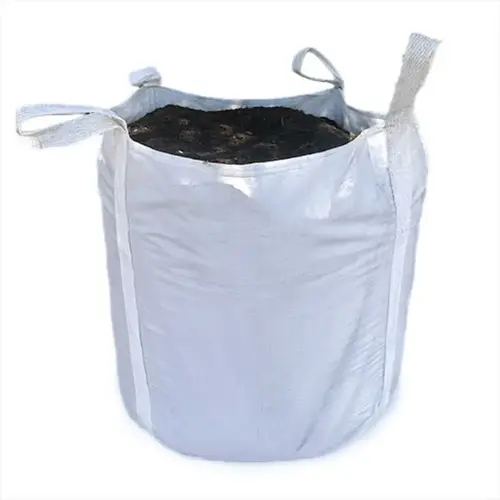
Biochar: What It Does and When It Fails
Biochar is real, but it is not universal. Sourced numbers on yield, carbon and pH, plus the trials where growth did not move.

Pine Straw: A Complete Guide to Mulch
Learn everything about pine straw mulch, from species types and benefits to application tips and cost, backed by university research.
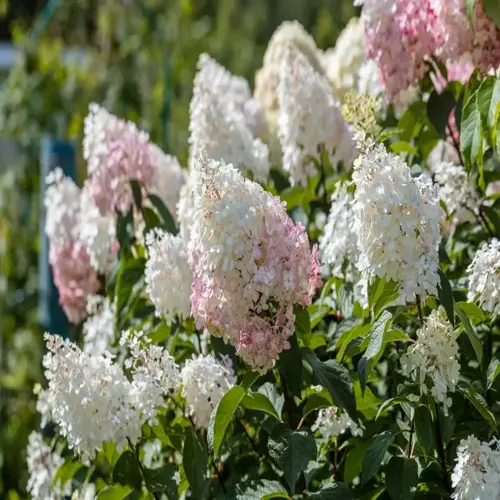
Limelight Hydrangea Growing Guide
Learn how to grow limelight hydrangea with expert tips on planting, pruning, care, and troubleshooting from university trials.
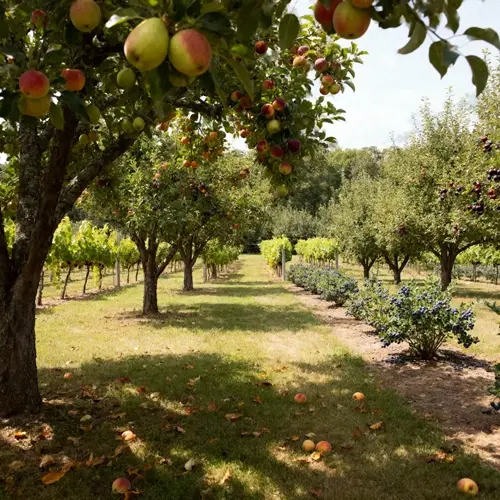
Best Fruit Trees for Your Garden
Find the best fruit trees for your garden with expert tips on planting, pruning, pollination, and care for a thriving backyard orchard.
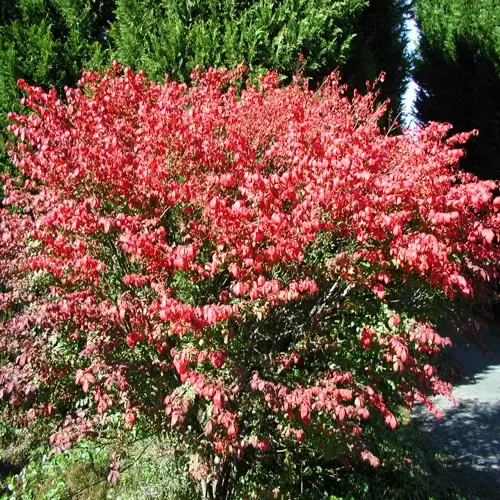
Burning Bush Shrub Care and Facts
Learn everything about the burning bush shrub, from planting and pruning to invasive concerns and native alternatives.

Best Boxwood Shrubs for Any Garden
Find the best boxwood shrubs for hedges, borders, and containers. Compare varieties, care tips, and disease-resistant picks.
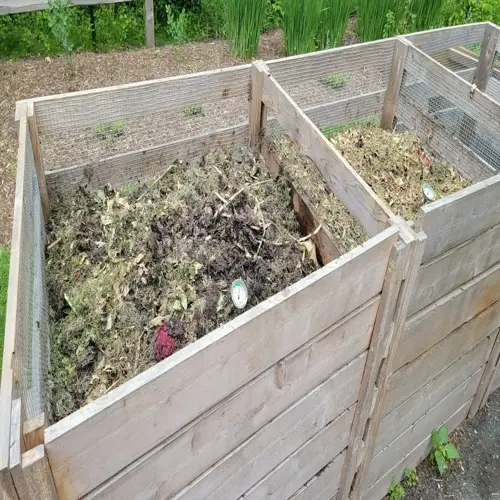
8 Best Compost Bins for Every Garden
Find the best compost bin for your garden. Compare tumblers, worm bins, and static bins to reduce waste and grow healthier plants.

Peony Flower Guide for Every Garden
Everything you need to know about the peony flower, from planting and care to varieties, symbolism, and garden design tips.
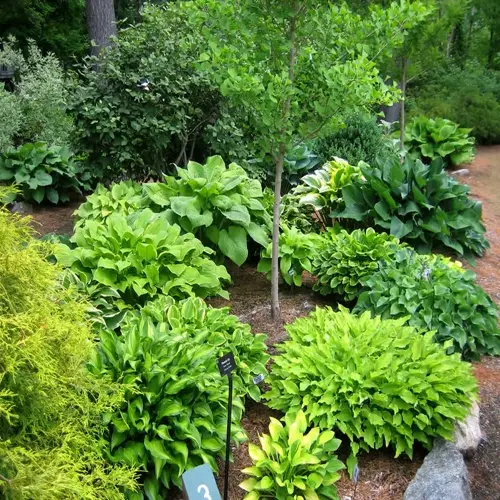
Hosta Plant Care and Growing Guide
Learn everything about the hosta plant, from planting and care to varieties and pest control in this full guide.
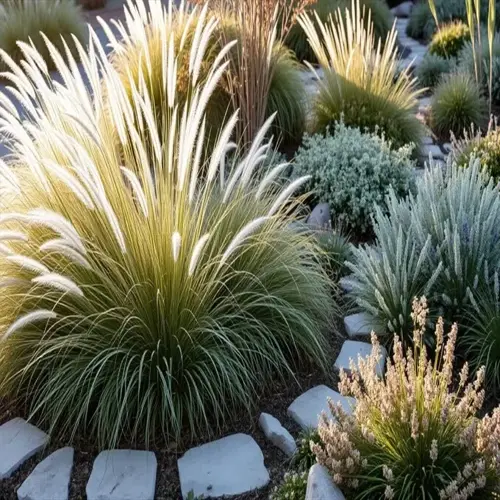
10 Best Ornamental Grasses for Your Garden
See the 10 best ornamental grasses for your garden, backed by university research. Explore types, design ideas, and care tips.
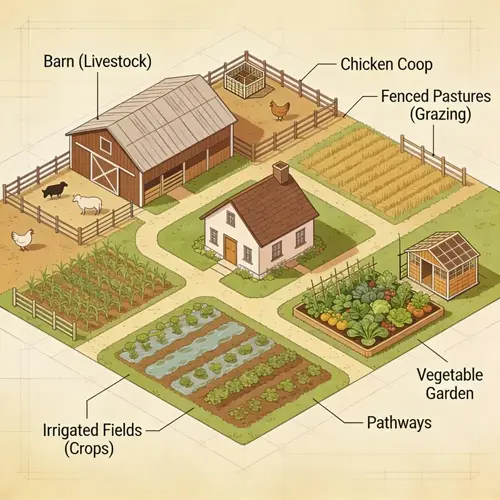
10 Essential Vegetable Garden Planning Steps
Master these 10 essential vegetable garden planning steps to grow more food with less effort. Science-backed guidance for all gardeners.

Fruit Tree Pruning Guide: When and How to Prune
Master fruit tree pruning with this complete guide. Learn when and how to prune apple, peach, cherry, and pear trees for healthier growth.
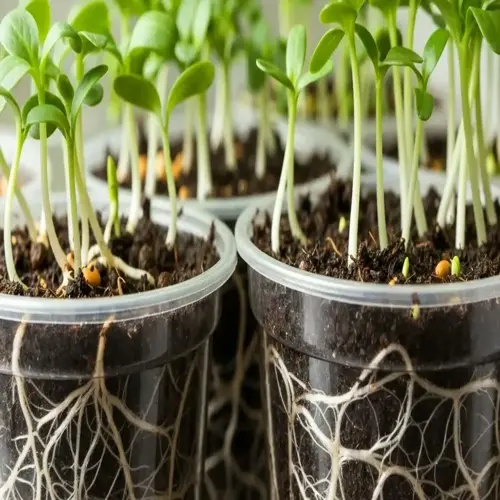
When to Transplant Seedlings: Ultimate Guide
Learn when to transplant seedlings with timing charts, temperature requirements, and expert tips for healthy plants.
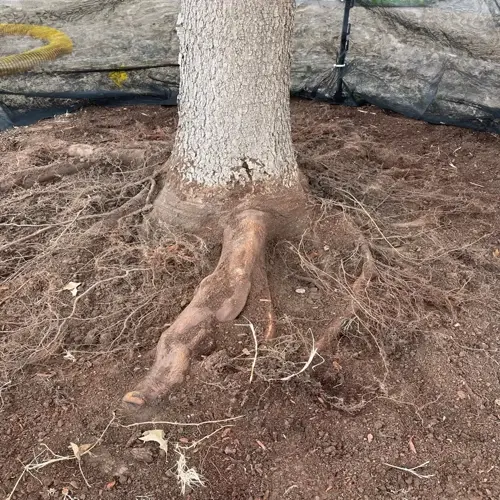
How to Treat Root Rot: A Complete Guide
Learn how to treat root rot with proven methods. This complete guide covers identification, treatment, and prevention to save your plants.
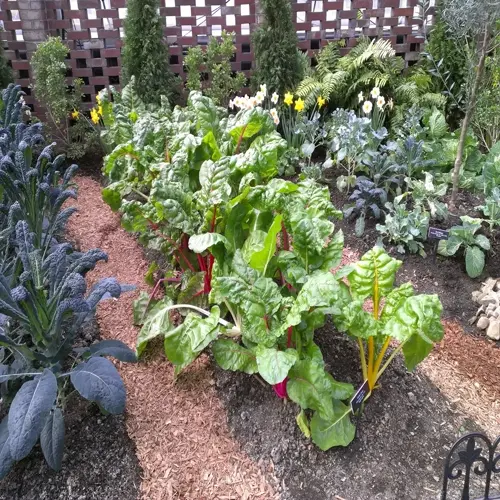
How to Grow Swiss Chard Successfully
Learn how to grow Swiss chard successfully with our complete guide covering varieties, planting, care, and harvest tips.