
Introduction
Nothing beats the taste of fresh fruit picked straight from your own fruit trees on a warm summer morning. That first bite of a sun warmed peach or a crisp apple you grew yourself makes every hour of care worth it. More people than ever are growing fruit trees at home. U.S. noncitrus fruit production hit $18.9 billion in 2024, up 5% from the year before.
I started my own backyard fruit trees about 8 years ago with 2 apple trees and a peach. The first season taught me a hard lesson. I picked varieties that needed more chill hours than my area could provide. I got zero fruit that year. That mistake forced me to learn about local conditions before buying another tree.
Starting a home orchard is a lot like building a house. You need the right foundation first. Your soil, sunlight, and hardiness zone matter more than the variety you choose. Get those wrong and even the best tree will struggle. Get them right and you set yourself up for decades of harvests from a single planting.
This guide covers choosing, planting, and caring for trees that thrive in your specific climate. You'll learn which ones produce fastest and which need a pollination partner. You'll also find out how to protect your harvest from common pests and diseases.
10 Best Fruit Trees
These 10 best fruit trees cover classic favorites and underrated picks that deserve a spot in your yard. I tested each type in my own garden or watched them grow in orchards I've visited over the years. Every tree on this list earns its place based on flavor, ease of care, and how fast it produces fruit.
Grafted dwarf fruit trees can bear fruit in just 2 to 3 years after planting. Wild seedlings take 10 to 12 years to produce their first crop. That's why fruit tree rootstock matters so much when you pick your trees. The right rootstock paired with proven fruit tree varieties gives you the fastest path to fresh fruit. Each entry covers the chill hours fruit trees need plus pollination type. You'll also find self-pollinating fruit trees options where they exist.
Apple Trees
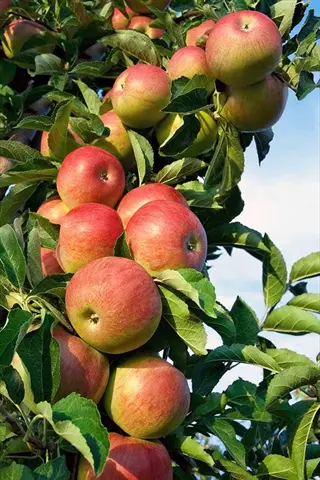
- Climate zones: Apple trees thrive in hardiness zones 3 through 8, making them one of the most widely adaptable fruit trees for temperate climates across North America and Europe.
- Chill hours: Most apple varieties need 800 to 1,000 chill hours below 45 degrees Fahrenheit (7 degrees Celsius), though low-chill varieties like Anna and Dorsett Golden need only 200 to 300 hours.
- Rootstock options: Dwarf rootstocks M.9 and Bud 9 keep trees at 6 to 10 feet (1.8 to 3 meters) tall, ideal for small yards, and begin bearing fruit in just 2 to 3 years after planting.
- Pollination: Most apple varieties require cross-pollination from a compatible second variety planted within 50 to 100 feet (15 to 30 meters) for reliable fruit set each season.
- Soil and sun: Plant in well-drained sandy loam soil with a pH of 6.0 to 6.5 and provide at least 8 hours of direct sunlight for top-quality fruit production.
- Top variety to start: Liberty is an excellent choice for beginners because it resists apple scab, fire blight, and cedar apple rust, reducing the need for chemical sprays.
Peach Trees
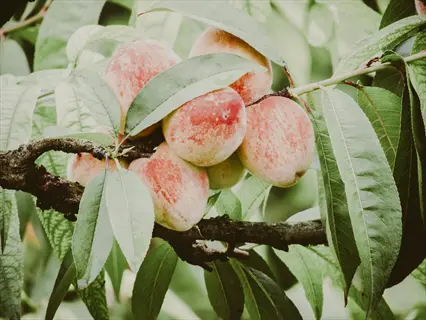
- Climate zones: Peach trees grow best in hardiness zones 5 through 9, preferring warm summers and moderate winters with enough chill hours to break dormancy reliably.
- Chill hours: Requirements range widely from 200 hours for low-chill varieties like Florida Prince to over 1,000 hours for traditional varieties like Elberta and Redhaven.
- Growth speed: Peach trees are among the fastest fruit trees to produce, often bearing fruit within 2 to 3 years on standard rootstock and even sooner on dwarfing rootstock.
- Pollination: Most peach and nectarine varieties are self-pollinating, meaning you only need a single tree to produce fruit, which makes them perfect for smaller gardens.
- Pruning style: Peaches fruit on one-year-old wood and need an open-center vase shape to maximize sunlight, requiring 12 to 18 inches (30 to 45 centimeters) of new growth annually.
- Disease watch: Brown rot and peach leaf curl are the most common diseases; choosing resistant varieties and applying dormant oil spray in late winter reduces problems significantly.
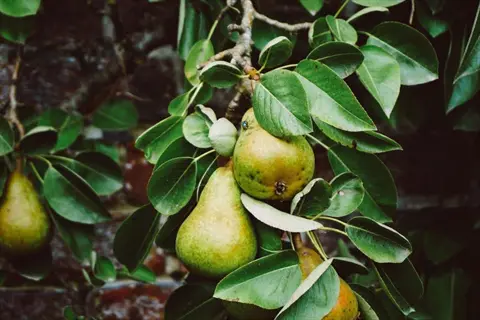
Pear Trees
- Climate zones: Pear trees perform well in hardiness zones 4 through 8, tolerating colder winters better than peaches and producing reliably in a wide range of temperate climates.
- Rootstock options: Semi-dwarf OHxF rootstocks produce trees 12 to 15 feet (3.6 to 4.5 meters) tall that bear fruit in 3 to 5 years, a good balance of size and productivity.
- Pollination: Pears need cross-pollination from a different compatible variety; Bartlett and Moonglow make excellent pollination partners planted within 100 feet (30 meters) of each other.
- Fire blight resistance: Select varieties like Moonglow, Seckel, or Kieffer that show resistance to fire blight, the most destructive bacterial disease affecting pear trees in humid climates.
- Harvest timing: Pears are unique because they should be picked before fully ripe and allowed to ripen off the tree at room temperature for the best texture and flavor.
- Longevity: Pear trees can produce fruit for 50 to 75 years or more with proper care, making them one of the best long-term investments for any home orchard.
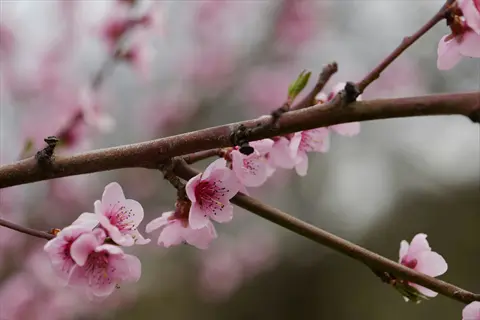
Cherry Trees
- Sweet vs sour: Sweet cherries (zones 5-7) need a pollination partner and more care, while sour cherries (zones 4-8) are self-pollinating, hardier, and ideal for baking and preserves.
- Rootstock options: Gisela 5 dwarfing rootstock keeps sweet cherry trees at 8 to 12 feet (2.4 to 3.6 meters), recommended by Michigan State University Extension for backyard growers.
- Chill hours: Sweet cherries need 700 to 900 chill hours below 45 degrees Fahrenheit (7 degrees Celsius), while sour cherries like Montmorency need around 700 hours.
- Bird protection: Netting is essential once fruit starts ripening because birds can strip an entire cherry tree of its crop in a single day if left unprotected.
- Growth and bearing: Dwarf cherry trees on Gisela 5 rootstock can begin producing fruit within 3 to 5 years, much faster than standard-sized trees that take 5 to 7 years.
- Best starter variety: Stella is a rare self-pollinating sweet cherry that produces dark, flavorful fruit and works well for gardeners who only have room for one cherry tree.
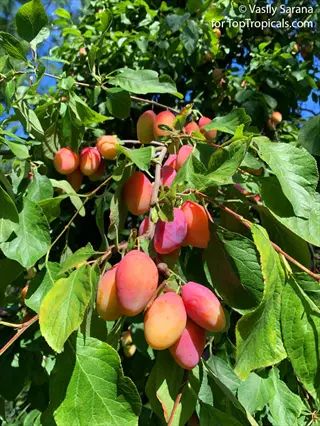
Plum Trees
- Types available: European plums (zones 4-7) are best for drying and preserves, while Japanese plums (zones 5-9) are juicier, sweeter, and better for eating fresh from the tree.
- Pollination needs: Japanese plums require a second Japanese variety for cross-pollination, while many European plums like Stanley and Italian Prune are self-pollinating.
- Chill hours: European plums need 700 to 1,000 chill hours, while Japanese plums need 500 to 900 hours, giving growers in warmer zones more Japanese plum options.
- Pest awareness: Plum curculio is the most damaging pest for plum trees, causing crescent-shaped scars on fruit; removing fallen fruit promptly helps break the pest lifecycle.
- Size and spacing: Standard plum trees reach 15 to 20 feet (4.5 to 6 meters) tall; dwarf varieties stay under 10 feet (3 meters) and fit well in suburban backyards.
- Beginner pick: Stanley plum is self-pollinating, cold-hardy to zone 4, disease-resistant, and produces excellent fruit for both fresh eating and homemade jams and dried prunes.
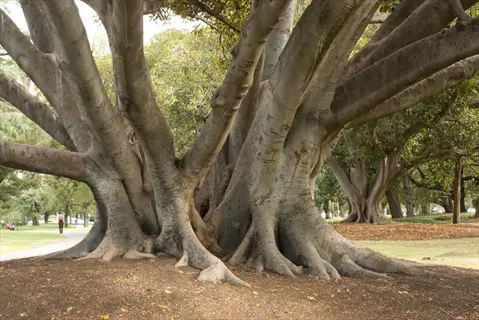
Fig Trees
- Climate zones: Fig trees grow best in hardiness zones 7 through 10, but cold-hardy varieties like Chicago Hardy survive in zone 5 when planted against a south-facing wall.
- Low maintenance: Figs are among the easiest fruit trees to care for because they need no pollination partner, tolerate poor soil, and have very few pest or disease problems.
- Fast production: Fig trees often produce fruit within 1 to 2 years after planting, making them one of the fastest fruit trees from planting to first harvest for eager gardeners.
- Container growing: Dwarf fig varieties grow well in large containers of at least 15 gallons (57 liters), allowing gardeners in cold climates to bring trees indoors for winter protection.
- Pruning simplicity: Figs need minimal pruning compared to apples or peaches; remove dead wood and crossing branches in late winter, and the tree handles the rest on its own.
- Recommended variety: Brown Turkey is the most widely available fig variety, producing sweet, reliable crops and adapting well to both ground planting and container growing.
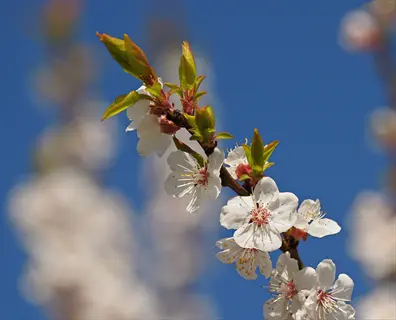
Apricot Trees
- Climate zones: Apricot trees grow in hardiness zones 5 through 8 but bloom very early in spring, making them vulnerable to late frosts in regions with unpredictable spring weather.
- Chill hours: Most apricot varieties need 300 to 900 chill hours below 45 degrees Fahrenheit (7 degrees Celsius), with lower-chill varieties available for warmer southern climates.
- Pollination: Most apricot varieties are self-pollinating, though planting a second variety often increases fruit set and overall yield by improving cross-pollination opportunities.
- Frost protection: Because apricot blossoms open as early as February in mild climates, gardeners should choose north-facing slopes or late-blooming varieties to reduce frost damage risk.
- Bearing timeline: Apricot trees on standard rootstock begin producing fruit in 3 to 5 years, with peak production typically reached around year 7 to 10 after planting.
- Top variety: Moorpark is a classic variety prized for its large, intensely flavored fruit that works well for fresh eating, drying, and making preserves at home.
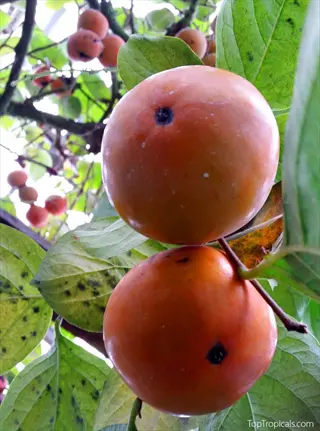
Persimmon Trees
- Two main types: American persimmons (zones 4-9) are extremely cold-hardy and smaller-fruited, while Asian persimmons (zones 7-10) produce larger, sweeter fruit popular in markets.
- Low maintenance: Persimmon trees have very few pest and disease issues compared to apples and peaches, making them an excellent low-spray option for organic home orchards.
- Soil tolerance: Persimmons tolerate a wider range of soil conditions than most fruit trees, including slightly acidic to neutral soils and even moderately heavy clay with adequate drainage.
- Pollination: Most American persimmon varieties need a male pollinator tree nearby, while many Asian varieties like Fuyu and Jiro produce seedless fruit without a pollinator present.
- Bearing timeline: Grafted persimmon trees begin producing fruit in 3 to 5 years, while seed-grown trees may take 7 to 10 years before the first harvest arrives.
- Best starter: Fuyu is the most beginner-friendly persimmon because its non-astringent fruit can be eaten firm like an apple, unlike astringent types that must fully soften first.
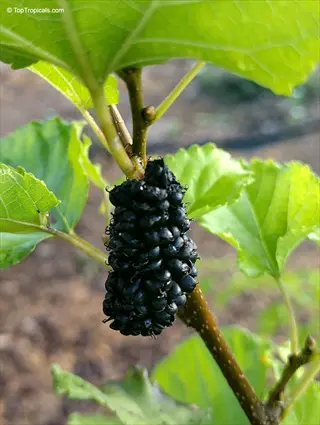
Mulberry Trees
- Climate zones: Mulberry trees grow in hardiness zones 4 through 9 and tolerate heat, drought, and poor soil better than almost any other fruit-bearing tree species available.
- Fast growth: Mulberries are among the fastest-growing fruit trees, gaining 2 to 3 feet (0.6 to 0.9 meters) per year and often producing fruit within 2 to 3 years after planting.
- No spraying needed: Mulberry trees have virtually no serious pest or disease problems, making them one of the easiest and most truly organic fruit trees you can plant.
- Pollination: Most mulberry varieties are self-pollinating or wind-pollinated, so a single tree produces fruit without needing a partner or relying heavily on pollinating insects.
- Harvest note: Mulberries ripen over several weeks rather than all at once; place a clean sheet under the tree and shake branches gently to collect ripe berries with minimal effort.
- Variety to try: Illinois Everbearing produces sweet, dark fruit over a long harvest season from June through September, providing months of fresh berries from one tree.
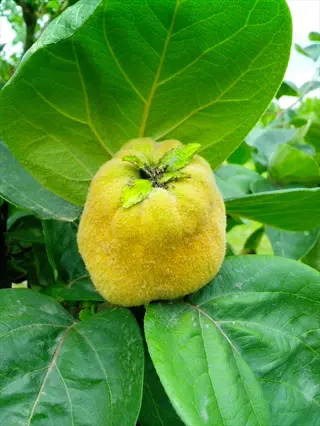
Quince Trees
- Climate zones: Quince trees thrive in hardiness zones 5 through 9 and tolerate wet soil conditions better than most other fruit trees, an advantage in rainy climates.
- Unique fruit: Quince fruit is too hard and tart to eat raw but transforms into a rich, aromatic delicacy when cooked into jams, jellies, pastes, and baked desserts.
- Low maintenance: Quince trees rarely suffer from serious pest or disease problems, need minimal pruning, and produce reliably without the intensive care that apples and peaches demand.
- Pollination: Most quince varieties are self-pollinating, so a single tree produces a full crop without needing a second variety nearby for cross-pollination purposes.
- Size and shape: Quince trees stay compact at 10 to 15 feet (3 to 4.5 meters) tall, making them suitable for small gardens and attractive as ornamental landscape trees as well.
- Historical value: Quince was one of the first cultivated fruit trees in human history, grown in ancient Mesopotamia alongside dates and figs over 4,000 years ago.
Planting and Site Preparation
Getting your site right is the most important step when planting fruit trees in your yard. Your fruit tree soil requirements come down to 3 things: well drained ground, a pH of 6.0 to 6.5, and at least 8 hours of direct sun. NC State Extension warns that standing water in the root zone for 2 to 3 days can kill your trees. Dig a hole twice as wide as the root system but no deeper than the root ball itself.
When to plant fruit trees depends on where you live. Spring works best in northern climates from zones 3 through 6. Fall planting works great in southern regions from zones 7 through 10. Mild winters there let roots get started before summer heat arrives. You'll choose between bare-root fruit trees and container-grown fruit trees. Both options work well, but they have different trade-offs in cost and planting window.
Your graft union must stay above the soil line no matter which type you plant. NC State says to keep it at least 2 inches above ground, while MSU Extension sets it at 6 inches. I keep mine at about 4 inches as a safe middle ground. Burying the graft union lets the scion send out its own roots, which defeats the purpose of your dwarfing rootstock.
Pruning and Training Guide
Fruit tree pruning scares most new growers, but it's one of the best things you can do for your trees. The golden rule is simple: never remove more than 30% of the canopy in a single year. Take more than that and you'll stress the tree, invite sunburn on exposed bark, and lose fruit for the next season. When to prune fruit trees depends on species, but late winter works for most types.
You'll use 2 main training shapes for your trees. A central leader grows like a Christmas tree with one main trunk reaching upward and branches spaced around it. A vase shape works like an open bowl that catches sunlight from above. Apples and pears do best with a central leader system. Peaches and nectarines thrive with a vase shape that lets light flood the center of the tree.
Your trees go through 3 pruning stages over their lives. Establishment pruning shapes young trees during their first 3 to 4 years after planting. Maintenance pruning keeps mature trees producing strong crops each season. Renovation pruning fixes neglected trees over 2 to 3 years of careful cuts. I learned the hard way that rushing renovation on an old apple tree cost me 2 full seasons of fruit.
Apple and Pear Pruning
- Training shape: Use a central leader system with a single dominant trunk and 4 to 5 scaffold branches spaced evenly around the trunk at different heights for balanced light exposure.
- Best timing: Prune during late winter dormancy before buds swell, typically February through March, to minimize disease entry and allow wounds to heal as growth resumes in spring.
- Spur management: Apple and pear fruit spurs remain productive for 7 to 10 years; after that, remove old spurs to encourage the tree to develop fresh, vigorous fruiting wood.
- Annual growth target: Aim for 12 to 18 inches (30 to 45 centimeters) of new shoot growth each year, which indicates the tree has the right balance of vigor and fruiting.
Peach and Nectarine Pruning
- Training shape: Use an open-center vase shape with 3 to 4 main scaffold branches radiating outward from a short trunk, allowing maximum sunlight to reach the interior fruiting wood.
- Best timing: Prune in late winter after the coldest weather has passed but before bloom, typically late February through early March depending on your local climate and zone.
- Fruiting wood: Peaches and nectarines produce fruit only on one-year-old shoots, so annual pruning that removes older wood and encourages new growth is essential for consistent harvests.
- Thinning fruit: After natural fruit drop, thin remaining peaches to 6 to 8 inches (15 to 20 centimeters) apart when fruit reaches the size of a nickel to produce larger, healthier peaches.
Cherry and Plum Pruning
- Training shape: Sweet cherries do best with a central leader, while sour cherries and plums can use either a central leader or a modified open-center shape depending on variety and space.
- Best timing: Prune cherries in late summer after harvest to reduce the risk of bacterial canker infection, which enters through pruning wounds more easily in wet winter conditions.
- Light penetration: Remove inward-growing and crossing branches to open up the canopy, since sunlight drops by half just 18 inches (45 centimeters) into the tree according to research.
- Size control: On dwarfing rootstocks like Gisela 5, cherry trees stay at 8 to 12 feet (2.4 to 3.6 meters), making pruning and harvest much easier from the ground or a short ladder.
Fig and Persimmon Pruning
- Training shape: Both figs and persimmons respond well to a simple open-center shape with 3 to 5 main branches, requiring far less precise training than apples or peaches.
- Minimal needs: These trees need only light annual pruning to remove dead, damaged, or crossing branches, making them the lowest-maintenance fruit trees in terms of pruning effort.
- Best timing: Prune figs and persimmons during late winter dormancy before new growth begins, removing no more than 20 to 25% of the canopy to avoid over-stimulating vegetative growth.
- Renovation pruning: For neglected or overgrown trees, spread heavy pruning over 2 to 3 years rather than cutting back drastically in one season, which can shock the tree and reduce fruiting.
Pollination and Compatibility
Fruit tree pollination trips up more backyard growers than any other issue. You plant a beautiful apple tree, wait 3 years for it to bloom, and then get zero fruit. The problem is almost always a missing pollination partner. Think of it like cats and dogs: they don't breed with each other. Your apple tree needs pollen from a different apple variety, not the same one.
Cross-pollination fruit trees include most apples, pears, sweet cherries, and Japanese plums. These need compatible varieties planted within 50 to 100 feet of each other. Self-pollinating fruit trees like peaches, figs, and sour cherries produce fruit on their own. Knowing your tree's group saves you years of wasted effort.
Here's a detail most guides skip. Triploid apples like Jonagold and Gravenstein need 2 extra diploid varieties nearby to set fruit. That means you need 3 apple trees total for one triploid to produce. The good news is that even 80% flower damage from a late frost still lets you get a full crop from the remaining 20% of blossoms. The table below shows pollination partners and compatible varieties for each type.
Pests and Disease Management
Fruit tree pests and diseases cause more people to give up on their orchards than any other problem. I lost my entire peach crop to brown rot in my third year because I didn't know what to look for until it was too late. The good news is that integrated pest management keeps most problems under control without heavy spraying. Start by choosing disease resistant varieties and you'll cut your pest work in half right away.
MSU Extension says picking resistant cultivars is the single best step for organic pest control fruit trees. A dormant oil spray in late winter handles many overwintering pests before they become a problem. Beyond that, knowing when each pest strikes matters more than which spray you use. The list below covers the 5 biggest threats to your fruit trees and tells you exactly what to do about each one.
Codling Moth
- What it does: Codling moth larvae tunnel into apples and pears, leaving brown frass-filled tunnels through the fruit core that make the entire fruit unusable for eating or storing.
- When to watch: Adult moths emerge in mid to late spring when evening temperatures stay above 62 degrees Fahrenheit (17 degrees Celsius) consistently for several nights in a row.
- Management: Hang pheromone traps to monitor moth activity, apply kaolin clay or organic spinosad sprays at petal fall, and remove all fallen fruit promptly to break the lifecycle.
Plum Curculio
- What it does: This small weevil creates distinctive crescent-shaped scars on the skin of stone fruits and apples, and its larvae develop inside the fruit causing premature drop.
- When to watch: Adults become active right after petal fall in spring and lay eggs in developing fruit during the first 2 to 3 weeks after bloom ends on most fruit tree species.
- Management: Spread a tarp under the tree and shake branches to dislodge adults in early morning, remove fallen fruit daily, and apply surround kaolin clay as a barrier treatment.
Fire Blight
- What it does: This bacterial disease causes shoot tips to blacken and curl into a distinctive shepherd's crook shape, and can kill entire branches or young trees if left unchecked.
- When to watch: Fire blight spreads most aggressively during warm, wet spring weather when temperatures exceed 65 degrees Fahrenheit (18 degrees Celsius) and blossoms are open and vulnerable.
- Management: Prune infected branches 12 inches (30 centimeters) below visible symptoms during dry weather, disinfect tools between each cut, and plant resistant varieties like Liberty apple or Moonglow pear.
Brown Rot
- What it does: Brown rot is a fungal disease that causes stone fruits like peaches, cherries, and plums to develop soft brown spots covered with powdery tan spore masses as fruit ripens.
- When to watch: The fungus becomes active during warm, humid weather in late spring through summer, especially when rain occurs during bloom and as fruit approaches harvest maturity.
- Management: Remove mummified fruit from trees and ground in fall, improve air circulation through proper pruning, and apply sulfur or copper fungicide sprays during bloom if needed.
Apple Scab
- What it does: Apple scab creates olive-green to dark brown lesions on leaves and fruit, causing leaves to drop early and fruit to crack, deform, and become unmarketable or unappetizing.
- When to watch: Spores release from fallen leaf litter in spring during wet weather; the infection period lasts from green tip stage through several weeks after petal fall each year.
- Management: Rake and remove fallen leaves in autumn to reduce overwintering spores, apply fungicide sprays during the primary infection period, and plant scab-resistant varieties like Liberty or Enterprise.
Harvest, Storage, and Yield
Knowing your years to fruit saves you from giving up too soon on a good tree. Wild apple trees take 10 to 12 years to bear their first crop. Grafted trees on modern rootstock cut that wait down to 2 to 3 years. When you harvest fruit trees at the right time, you get the best flavor and the longest fruit storage life from each pick.
Fruit thinning is a step most new growers skip, and it costs them. NC State Extension says to thin your fruit to 6 to 8 inches apart when each piece reaches the size of a nickel. This feels painful at first because you're pulling off good fruit. But the remaining fruit grows bigger, tastes better, and won't break your branches under its weight. Preserving fruit through canning, drying, or freezing lets you enjoy your fruit tree yield for months after the season ends.
A single mature apple tree on dwarf rootstock gives you 100 to 150 lbs of fruit each season. That's enough to feed a family and still have plenty left for pies, sauce, and gifts to your neighbors. Plan your storage method before harvest day arrives so nothing goes to waste.
5 Common Myths
Fruit trees grown from seed will produce the same fruit as the parent tree you took the seed from.
Seed-grown trees produce unpredictable fruit due to genetic variation; grafting onto rootstock is the only way to guarantee the exact same variety.
You must plant fruit trees in spring or they will not survive, so fall planting always fails.
Fall planting works well in mild climates because roots establish during winter dormancy, giving the tree a head start before the growing season.
All fruit trees are self-pollinating, so you only ever need to plant a single tree to get fruit.
Most apple and pear varieties require cross-pollination from a compatible second variety planted within 50 to 100 feet (15 to 30 meters).
You should heavily prune a fruit tree every year to force it to produce more fruit the following season.
Removing more than 30 percent of the canopy in one year stresses the tree; moderate annual pruning encourages steady, healthy fruit production.
Fruit trees need constant watering every single day to produce good fruit throughout the growing season.
Overwatering causes root rot and can kill trees within days; most established fruit trees need deep watering once or twice a week depending on soil and climate.
Conclusion
Growing fruit trees comes down to one core idea: match the right tree to your climate zone, soil, and space before you buy anything. Get that foundation right and your backyard fruit trees will reward you for decades. Skip that step and you'll waste years waiting for fruit that never comes.
Modern grafted dwarf trees produce fruit in 2 to 3 years instead of the 10 to 12 years wild seedlings take. That makes starting a home orchard easier than ever for any backyard gardener. Start with just 1 or 2 disease resistant varieties you know will work in your zone. Two well chosen trees beat five trees you can't keep up with.
Good fruit tree care pays off for a long time. A single pear tree can produce fruit for 50 to 75 years with proper attention. That's fruit for your kids and maybe even your grandkids from the same tree you plant this spring. The U.S. fruit industry hit $18.9 billion in 2024, and every home grower is part of that same tradition of growing food from trees.
Pick your first tree this season. Choose one that fits your zone, give it the right soil and sunlight, and let it grow. Your future self will thank you every time you pick a fresh piece of fruit from your own yard.
External Sources
Frequently Asked Questions
What is the easiest fruit tree to grow?
Apple trees are widely considered the easiest fruit tree to grow because they tolerate a range of soils, climates, and pruning styles while producing reliable harvests with minimal expertise.
What are the main types of fruit trees?
Fruit trees include apples, pears, peaches, cherries, plums, apricots, figs, persimmons, citrus varieties like lemons and oranges, and many more species that produce edible fruit on woody perennial trunks.
Which fruit tree grows very fast?
Fig trees and peach trees are among the fastest-growing fruit trees, often producing fruit within 1 to 2 years after planting in warm climates.
What does baking soda do for fruit trees?
Baking soda is used as a homemade fungicide spray on fruit trees, helping to prevent and reduce fungal diseases like powdery mildew and apple scab on leaves and fruit.
What is the most popular fruit tree?
The apple tree is the most popular fruit tree worldwide, with the United States alone producing $2.9 billion worth of apples annually across dozens of cultivated varieties.
What tree has 7 different fruits?
A multi-grafted or cocktail fruit tree can produce 7 different fruits on one trunk by grafting multiple compatible scion varieties onto a single rootstock.
What is the best fruit to grow for beginners?
Apples and pears are the best fruits for beginners because they are forgiving, widely adapted, and produce well with basic care and annual pruning.
What is the most low maintenance tree?
Fig trees are the most low-maintenance fruit trees, requiring little pruning, no pollination partner, and minimal pest management in suitable climates.
What fruit trees grow in Germany?
Germany grows apples, pears, plums, cherries, quinces, and walnuts, with apple varieties like Elstar and Boskoop thriving in the temperate climate.
What are the different types of fruits?
Common fruit types include apples, pears, peaches, cherries, plums, apricots, figs, grapes, strawberries, blueberries, raspberries, oranges, lemons, limes, bananas, mangoes, persimmons, pomegranates, kiwis, and avocados.