
Introduction
The gardenia plant has held a special place in gardens for over 1,000 years of history. Chinese growers first raised this fragrant flowering shrub for its white blooms and its fruit used in food and medicine. If roses rule the garden, gardenias own the title of fragrance royalty with blooms so strong one flower can scent a whole room.
In my experience growing gardenias over the past 8 years, I learned the hard way that soil matters more than anything else. A neighbor gave me a cutting from her old bush and that one plant taught me more about pH than any book ever could. Gardenia jasminoides sits in the Rubiaceae family, the same group as coffee plants. Scottish naturalist Alexander Garden gave it his name back in the 1700s. Scientists found 162 chemical compounds in this evergreen shrub. China still calls it a dual purpose plant for both food and medicine.
This guide shows you how to keep gardenias healthy in USDA Zones 7b through 11. You will learn the exact soil pH these plants demand and the best varieties for your area. Each section draws from university research and my own years of hands on work with these stunning but picky plants.
Your gardenias can give you months of waxy white blooms and knockout scent when you set them up right from day one. Below you will find what makes these plants tick and how to grow them with real confidence.
8 Best Gardenia Varieties
Picking the right gardenia varieties makes or breaks your success with these plants. I tested over a dozen best gardenia cultivars in my yard. Matching the plant to your climate and space matters far more than the price tag. A hardy gardenia like Kleim's Hardy can survive 10°F while a frost proof gardenia handles Zone 7b winters with ease.
The 8 picks below cover every use case from dwarf gardenia ground covers to large specimen shrubs. I grouped them by purpose so you can jump to what fits your needs. If your soil is sandy, choose grafted plants. Grafts on special rootstock fight off nematodes that kill other gardenias. Grafted plants lose cold tolerance below 28°F.
August Beauty Gardenia
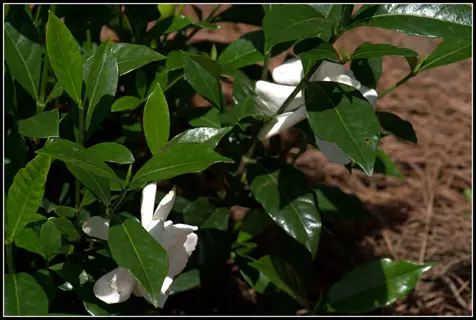
- Height: Reaches 4 to 6 feet (1.2 to 1.8 meters) tall and 3 to 4 feet (0.9 to 1.2 meters) wide, making it a medium-sized landscape shrub.
- Hardiness: Thrives in USDA Zones 8 through 11 and tolerates heat well across the American South and similar warm climates.
- Bloom Season: Produces double white flowers from late spring through fall, offering one of the longest bloom periods among standard gardenias.
- Fragrance: Delivers the classic intense gardenia scent from waxy double blooms that measure 2 to 3 inches (5 to 7.5 centimeters) across.
- Best Use: Works great as a foundation planting, hedge, or specimen shrub near patios where you can enjoy its fragrance up close.
- Care Note: Needs acidic soil at all times with pH between 5.0 and 6.0 and benefits from morning sun with afternoon shade protection.
Frost Proof Gardenia
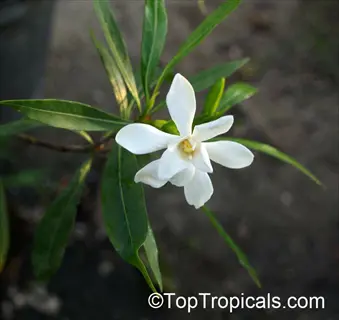
- Height: Grows 4 to 5 feet (1.2 to 1.5 meters) tall and 3 to 4 feet (0.9 to 1.2 meters) wide with a compact upright habit.
- Hardiness: Handles cold down to USDA Zone 7b, making it one of the more cold-tolerant cultivars for borderline gardenia climates.
- Bloom Season: Flowers heavily in spring with scattered rebloom through summer, starting a bit earlier than many other varieties.
- Fragrance: Large double blooms up to 3 inches (7.5 centimeters) open pure white and age to creamy yellow with strong fragrance.
- Best Use: Ideal for gardeners in Zone 7b who want reliable gardenias without worrying about light frost damage to flower buds.
- Care Note: Tolerates brief cold snaps better than most gardenias but still needs protection from sustained freezes below 20 degrees Fahrenheit (-7 degrees Celsius).
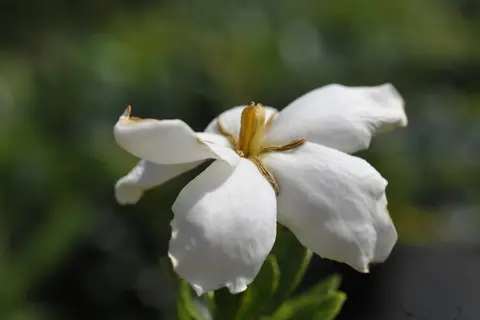
Kleim's Hardy Gardenia
- Height: Stays compact at 2 to 3 feet (0.6 to 0.9 meters) tall and wide, forming a dense rounded mound of glossy foliage.
- Hardiness: Survives temperatures down to 10 degrees Fahrenheit (-12 degrees Celsius), the hardiest gardenia cultivar you can find.
- Bloom Season: Produces single star-shaped flowers in late spring to early summer with a concentrated but shorter bloom period.
- Fragrance: Single-petaled blooms carry intense fragrance despite their simpler flower form compared to double-flowered cultivars.
- Best Use: Perfect for northern Zone 7 gardeners, small spaces, containers, and mixed borders where a compact evergreen shrub is needed.
- Care Note: Single flowers are less showy than doubles but the extreme cold tolerance makes this variety invaluable for cooler regions.
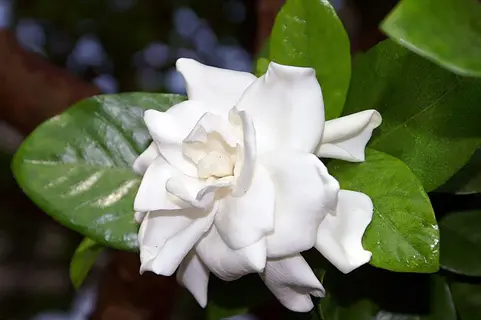
Radicans Dwarf Gardenia
- Height: Low-growing at just 6 to 12 inches (15 to 30 centimeters) tall and spreading 2 to 3 feet (0.6 to 0.9 meters) wide.
- Hardiness: Grows in USDA Zones 8 through 11 and needs protection from hard frosts that can damage its spreading branches.
- Bloom Season: Blooms in late spring to early summer with small but abundant double white flowers across the low canopy.
- Fragrance: Miniature double blooms about 1 inch (2.5 centimeters) wide still carry the signature gardenia scent at ground level.
- Best Use: Excellent as a ground cover, border edging, or in rock gardens where its low spreading habit creates a fragrant living carpet.
- Care Note: Requires good drainage and acidic mulch like pine needles to maintain soil pH and prevent root rot in its short root system.
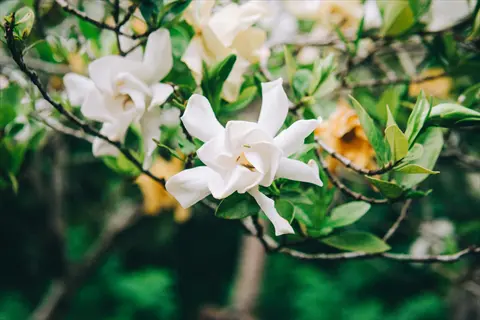
Jubilation Gardenia
- Height: Medium size at 3 to 4 feet (0.9 to 1.2 meters) tall and wide with a round growth habit requiring little pruning.
- Hardiness: Performs well in USDA Zones 7b through 10 and shows improved cold tolerance over many traditional gardenia cultivars.
- Bloom Season: Reblooms from spring through fall, producing waves of double flowers over several months without deadheading.
- Fragrance: Large 3-inch (7.5-centimeter) double blooms deliver powerful fragrance that carries well in outdoor garden settings.
- Best Use: A top choice for foundation plantings, mixed shrub borders, and container growing thanks to its manageable size and repeat blooming.
- Care Note: Responds well to acid-forming fertilizer applied in spring and benefits from consistent moisture without waterlogged soil.
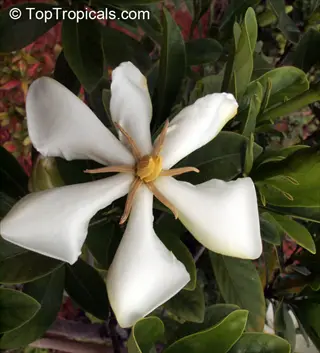
Viet Nam Gardenia
- Height: Grows 4 to 6 feet (1.2 to 1.8 meters) tall with an open, airy growth habit different from the dense mounding of other cultivars.
- Hardiness: Best suited for USDA Zones 9 through 11 and not recommended for areas with regular frost or freezing temperatures.
- Bloom Season: Blooms up to 7 months per year according to UF/IFAS research, making it one of the longest-flowering gardenia cultivars available.
- Fragrance: Single-petaled flowers with a lighter, more delicate scent compared to the heavy fragrance of double-flowered varieties.
- Best Use: Ideal for warm-climate gardeners who want nonstop blooms and a more natural, less formal garden look.
- Care Note: Single flowers set fruit (orange berries) that attract songbirds, adding wildlife value beyond its ornamental appeal.
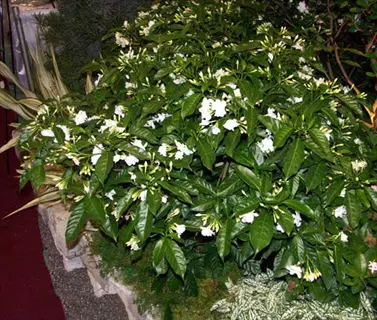
Everblooming Gardenia
- Height: Reaches 3 to 4 feet (0.9 to 1.2 meters) tall and 3 feet (0.9 meters) wide with dense evergreen foliage year-round.
- Hardiness: Grows in USDA Zones 7b through 10 and handles cold a bit better than tropical gardenia varieties.
- Bloom Season: Lives up to its name with multiple flushes of bloom from spring into fall when grown in ideal conditions.
- Fragrance: Medium-sized double flowers provide classic gardenia fragrance with repeat flushes keeping the scent going for months.
- Best Use: Great for gardeners who want continuous color and fragrance in a compact package suited to smaller landscapes and containers.
- Care Note: Consistent watering and feeding with acid-forming fertilizer help sustain the extended bloom period this cultivar is known for.
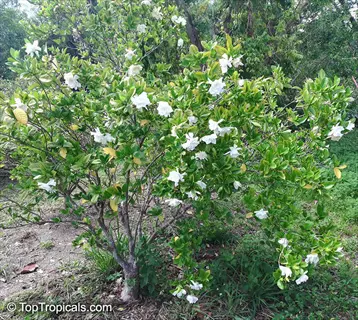
Mystery Gardenia
- Height: One of the larger cultivars at 5 to 8 feet (1.5 to 2.4 meters) tall and 4 to 6 feet (1.2 to 1.8 meters) wide at maturity.
- Hardiness: Thrives in USDA Zones 8 through 11 and needs winter protection in Zone 8 during harsh cold snaps.
- Bloom Season: Produces huge double flowers from late spring through midsummer with sporadic rebloom possible in warm regions.
- Fragrance: Bears the largest blooms of any common gardenia variety at up to 4 inches (10 centimeters) across with intense scent.
- Best Use: Makes a stunning specimen shrub, privacy screen, or focal point where its large size and dramatic flowers can stand out.
- Care Note: Larger size means higher water and nutrient demands; benefits from deep mulching and regular feeding with 2-1-1 ratio fertilizer.
Each of these container gardenia options and landscape picks earned a spot through real world testing and research. Your best bet is to match your USDA zone and growing space to the right cultivar before you spend a dime at the nursery.
Soil and pH Essentials
Your gardenia soil pH can make the difference between a plant with dark green glossy leaves and one covered in sick yellow foliage. Acidic soil gardenias thrive in has a pH between 5.0 and 6.0, which lets them pull iron and other nutrients from the ground. When pH creeps above 6.0, your plant can't absorb iron even if the soil has plenty of it. This leads to iron chlorosis where leaves turn yellow between the veins while the veins stay green.
I test my gardenia soil pH twice a year with a $12 home test kit from the garden center. You can also send a sample to your local cooperative extension office for a more precise reading. Test once in spring before you feed and once in late summer to catch any drift. If your pH sits above 6.0, mix in 1 pound of elemental sulfur per 100 square feet to bring it down over the next few months.
Never plant gardenias near concrete walks or house foundations. Concrete leaches alkaline minerals into the soil and pushes your pH way above what these plants can handle. I learned this the hard way when my first gardenia turned yellow within 3 months of planting it next to a sidewalk. Pick a spot at least 4 feet from any concrete structure to keep your soil safe.
Build your gardenia bed with peat moss gardenias love, mixed with compost into the top 12 inches of well-draining soil. UF/IFAS research found that a pH right around 5.5 to 6.0 gave plants the best growth and the most flowers. Add 2 to 3 inches of pine needle mulch on top to keep the organic matter soil rich and the pH stable through the seasons. Your gardenias will thank you with bigger blooms and stronger roots.
Light, Temperature, and Humidity
Gardenias act like Goldilocks plants for their growing conditions. They want morning sun afternoon shade combos, moist air but not wet leaves, and warm days but cool nights. Getting the gardenia sunlight requirements right is your first step toward great blooms. The gardenia temperature range matters just as much. Your gardenia humidity needs also play a big role in flower bud formation.
I keep a cheap thermometer next to my outdoor gardenias to track night temps during bud season. Night temps between 50 and 55°F trigger your plant to set flower buds. Without those cool nights, you get a green bush with zero flowers. Daytime temps should stay between 65 and 75°F for the best growth during the active season.
Sunlight Needs
- Outdoor Plants: Provide morning sun with afternoon shade in hot climates, or full sun (6 to 8 hours) in cooler regions where midday heat is less intense.
- Indoor Plants: Place near a south-facing or west-facing window that receives at least 6 hours of bright indirect light throughout the day.
- Shade Warning: Too much shade reduces flower production and leads to leggy, sparse growth with fewer blooms and weaker stems over time.
Temperature Requirements
- Daytime Range: Maintain temperatures between 65 and 75 degrees Fahrenheit (18 and 24 degrees Celsius) during the growing season for best results.
- Nighttime Range: Keep night temperatures between 50 and 55 degrees Fahrenheit (10 and 13 degrees Celsius) to trigger flower bud formation.
- Frost Danger: Most gardenias suffer damage below 20 degrees Fahrenheit (-7 degrees Celsius), though Kleim's Hardy tolerates down to 10 degrees Fahrenheit (-12 degrees Celsius).
Humidity Levels
- Ideal Range: Gardenias prefer humidity above 50%, which mirrors their native subtropical forest habitat in southern China and Southeast Asia.
- Indoor Boost: Set pots on a gravel tray filled with water so evaporation raises humidity around the plant without wetting the roots.
- Dry Air Effects: Low humidity is one of the main triggers of bud drop, causing flower buds to yellow and fall before they open.
Regional Growing Tips
- Deep South (Zones 8 to 10): Gardenias thrive here but need afternoon shade protection during the hottest summer months to prevent leaf scorch.
- Zone 7 Borders: Choose cold-hardy cultivars like Kleim's Hardy or Frost Proof and plant at least 6 weeks before the first expected frost date.
- Northern Climates: Grow gardenias in containers that you can move indoors before temps drop below 55°F in fall.
Your region changes everything about how you grow these plants. Deep South gardeners deal with too much heat while Pacific Northwest growers fight low humidity. Match your setup to your local climate and you will see much better results from your gardenias each year.
Planting and Transplanting
Knowing how to plant gardenias the right way saves you from the most common mistakes I see new growers make. Your gardenia planting location matters more than the plant you pick. Choose a spot with morning sun and afternoon shade, and stay far from concrete paths or foundations. Concrete leaches minerals that push your soil pH too high for gardenias to handle.
Fall planting gardenias is your best move if you live in Zones 8 through 11. Clemson Extension expert Robert Polomski calls fall the best time to get gardenias in the ground. The cooler air and warm soil let roots grow strong before summer heat arrives. Where to plant gardenias also depends on where you spend time outdoors. UF/IFAS suggests placing them near patios, doors, or windows so you can enjoy their scent.
Here is the basic process for root ball planting. Dig your hole twice as wide as the root ball but no deeper. Set the plant at the same depth it sat in the nursery pot. Planting too deep smothers the roots and kills the plant fast. Fill in with a mix of your native soil and compost, then press the soil down to remove air pockets.
In my experience, mulching gardenias is the step most people skip and then regret. Spread 2 to 3 inches of pine needles or bark mulch around the base of your plant. Keep the mulch a few inches away from the trunk to prevent rot. This layer holds moisture, keeps roots cool, and helps maintain that acidic soil your gardenias demand.
If you need to move an older gardenia, transplant in late fall or early winter when the plant is dormant. Dig a wide circle around the root zone and lift the whole mass with as much soil as you can keep. Water the new spot well and add mulch right away. Your transplanted gardenia may drop some leaves at first but should bounce back by spring with steady care and patience.
Pests, Diseases, and Fixes
Gardenia pests can turn a thriving plant into a sad mess in just a few weeks if you don't catch them fast. I check my plants every weekend by flipping leaves over and looking at the stems up close. Whiteflies gardenias attract are the number one problem you will face. These tiny bugs leave sticky honeydew on your leaves that breeds black sooty mold.
Gardenia yellow leaves don't always mean you forgot to water. Most of the time, yellow leaves point to a soil pH problem that blocks iron from reaching the plant. Gardenia bud drop has 5 root causes per Clemson Extension: low humidity, too much water, too little water, weak light, and high temps. You need to check each factor one at a time to find what's wrong. Spray insecticidal soap on leaf backs every 7 to 10 days to knock out bugs. Nematodes gardenias face in sandy soil have no chemical fix per UF/IFAS. Grafted rootstock is your best defense against them.
Whitefly Infestation
- Symptoms: Tiny white flying insects cluster on leaf undersides; sticky honeydew coats leaves; black sooty mold grows on the honeydew deposits.
- Treatment: Spray leaf undersides with insecticidal soap or horticultural oil every 7 to 10 days until the population is controlled.
- Prevention: Inspect new plants before bringing them into your garden and avoid over-fertilizing with nitrogen, which promotes the soft growth whiteflies prefer.
Yellow Leaves (Chlorosis)
- Symptoms: Leaves turn yellow between the veins while veins stay green, starting on newer growth at the branch tips.
- Cause: Soil pH above 6.0 locks out iron even when iron is present in the soil, causing iron deficiency chlorosis.
- Fix: Test soil pH and lower it with elemental sulfur or iron sulfate; apply chelated iron as a foliar spray for quick relief.
Bud Drop Before Blooming
- Symptoms: Flower buds yellow, dry out, or fall off the plant before they have a chance to open into full blooms.
- Causes: Five main triggers include low humidity, too much water, too little water, weak light, and temperatures above 75°F.
- Fix: Check each factor one at a time: test soil moisture at 1 inch deep, verify light levels, and increase humidity around the plant.
Nematode Damage
- Symptoms: Stunted growth, wilting despite enough water, and swollen bumps visible on roots when the plant is pulled from the soil.
- Reality: No chemical treatments are available for nematodes in landscape plantings per UF/IFAS Extension research.
- Solution: Plant gardenias grafted onto Gardenia thunbergia rootstock, which provides natural nematode resistance in sandy soil regions.
Scale and Mealybug Issues
- Symptoms: Small brown bumps or white cottony masses attach to stems and leaf undersides, draining the plant over time.
- Treatment: Wipe small patches with rubbing alcohol on a cotton swab; apply horticultural oil or neem oil for larger outbreaks on multiple branches.
- Prevention: Keep good air flow around plants and avoid overhead watering that creates the damp spots these pests love.
Pet owners should know that gardenias are toxic to cats, dogs, and horses. Symptoms are mild and include vomiting and skin hives. Keep your plants out of reach if your pets like to chew on leaves.
Propagation and Pruning
You can learn how to propagate gardenias and turn one plant into a whole collection for free. In my experience, gardenia stem cuttings root best when I place them in small pots on my back porch each summer. The best time for cuttings is June through August when stems are soft enough to root fast. UF/IFAS research shows this window gives you the highest success rate with 6 to 8 weeks of rooting time.
Cut a 4 inch piece from a healthy stem tip and strip the leaves from the bottom half. Dip the cut end in rooting hormone and stick it into a pot filled with a 50/50 mix of sand and peat. Keep the soil moist and warm until you see new growth, which tells you roots have formed. You can also propagate through layering or grafting onto G. thunbergia rootstock for stronger plants with bigger flowers.
Knowing how to prune gardenias and when to stop is just as vital as growing new ones. Deadheading gardenias after each bloom wave keeps the plant looking clean and pushes energy toward new buds. Your gardenia pruning timing matters a lot. Do your shaping cuts right after the spring bloom flush and stop all pruning before October 1. Hard cuts after that date will remove next year's flower buds per UF/IFAS. Feed your gardenias 2 to 3 times per year with a 2:1:1 ratio fertilizer but never in fall.
5 Common Myths
Gardenias need full direct sunlight all day long to produce the most flowers and stay healthy throughout the year.
Gardenias actually prefer morning sun with afternoon shade, as intense midday heat can scorch leaves and cause bud drop.
Coffee grounds are the best way to acidify gardenia soil and you should add them directly around the plant regularly.
Coffee grounds alone rarely lower pH enough and can compact soil; a sulfur-based amendment or acid-forming fertilizer is far more reliable.
Gardenias are completely safe for pets and you do not need to worry if cats or dogs chew on the leaves.
Gardenias contain genioposide and gardenoside, which are toxic to cats, dogs, and horses and can cause mild vomiting, diarrhea, and hives.
Yellow leaves on a gardenia always mean the plant is not getting enough water and needs more frequent watering.
Yellow leaves most often signal iron chlorosis from soil pH above 6.0, not underwatering; a soil test should be the first step before changing watering habits.
You should fertilize gardenias in fall to prepare them for winter and help them store nutrients during dormancy.
Fertilizing in fall stimulates tender new growth that freezes easily below 15 degrees Fahrenheit (-9 degrees Celsius), so the last feeding should be midsummer.
Conclusion
Good gardenia plant care comes down to a few key numbers you should keep in your head at all times. Your soil pH needs to stay between 5.0 and 6.0 for healthy green leaves and strong blooms. Night temps between 50 and 55°F trigger flower bud set. Give your plants about 1 inch of water per week and never feed them in fall. These rules have guided growers for over 1,000 years of growing gardenias.
Your gardenia maintenance routine should include pest checks and smart pruning before October hits. Keep pets away from the leaves since gardenias are toxic to cats, dogs, and horses. Place your fragrant garden shrub near a patio, door, or window where you can enjoy the scent up close. The blooms also attract bees, pollinators, and songbirds that bring your garden to life.
I won't pretend that gardenias are easy plants to grow. They demand more attention than most shrubs in your yard. But in my experience, the payoff is worth every extra minute you spend on them. Few plants on earth can match the beauty and scent of a gardenia in full bloom on a warm summer night.
Start with the right variety for your zone, test your soil before planting, and follow the care steps in this guide. Your gardenias will reward you with stunning white flowers and that famous fragrance season after season. Growing gardenias takes patience but the results speak for themselves.
External Sources
Frequently Asked Questions
Where do gardenias grow best?
Gardenias grow best in USDA Hardiness Zones 7b through 11, in acidic soil with morning sun and afternoon shade.
Do gardenias like sun or shade?
Gardenias prefer morning sun with afternoon shade, though they tolerate full sun in cooler climates.
Is gardenia an indoor or outdoor plant?
Gardenias grow well both indoors and outdoors, though they thrive best outdoors in warm, humid climates.
How do you care for a potted gardenia?
Use acidic potting mix, water when the top inch of soil is dry, and provide bright indirect light with high humidity.
Is gardenia difficult to grow?
Gardenias are rated high-maintenance due to strict soil pH, humidity, and temperature requirements.
How often should I water gardenia?
Water gardenias about 1 inch per week, keeping soil consistently moist but never waterlogged.
What is the lifespan of a gardenia?
Healthy gardenias can live for several decades when planted in the right conditions with proper care.
Do gardenias do better in pots or in the ground?
In-ground gardenias generally grow larger and need less attention, but pots offer more control over soil and mobility.
Does gardenia flower all year?
Most gardenias bloom from late spring through summer, though some cultivars like Viet Nam bloom for up to 7 months.
What to do with potted gardenia in winter?
Move potted gardenias indoors before frost, place in bright indirect light, and reduce watering while maintaining humidity.