
Charles Hartman
A microscope is not capable of revealing the miracle of a seed as it splits open. I have studied the miracle of a seed as it splits open and splits away at that idea for forty years. Underneath my lab coats hang boots crusted with field mud, and my greenhouse walls are pockmarked by the remnants of soil chromatography. Academic achievements pale compared to the ache that lingers in my knees after thinning carrot seedlings for hours. You do not need a doctorate to grow food. But to grow food, it would be fun to explore the science behind why my squash vines wilt mysteriously.
My initial attempts at sterile hydroponics did not go well at all. I watched heads of lettuce float rootless in nutrient baths. Then, I met a Guatemalan farmer at a workshop who handed me a clod of soil from his farm. "Your problem is here," he said confidently, pointing to the unaided nematodes multiplying vigorously in my soil. In the past, I would have said if I had to tone it down, I was growing pests. In a gentle way that opened my mind to other possibilities, he began to teach me how to cultivate beneficial microbes in my basement and to brew fungal teas for seedlings. Sometimes, the old ways contain-level wisdom.
Last semester, a couple of undergrads assisted me in planting a rooftop pollinator garden, and we monitored bumblebee preference of native goldenrod or hybridized cultivars. STOP ordering solely from glamorous seed catalogs and save seeds from that volunteer tomato you grew and threw into your compost pile. Have your children learn to sift for earthworms in the dirt. Data matters. But dirty nails matter more. Grab a pint of my mycorrhizal inoculant, and let's debate the merits of companion planting over 30-year-old perennials. The next great idea or solution could sprout from your backyard.
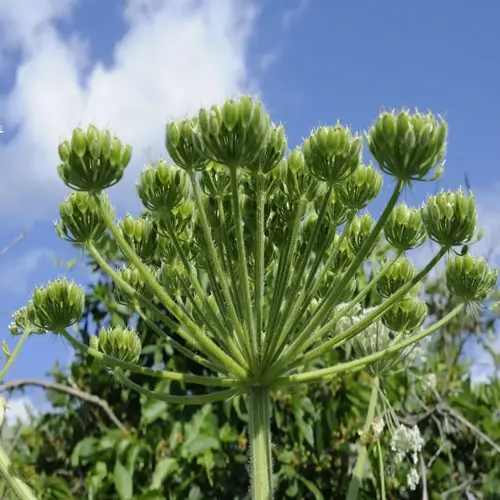
Giant Hogweed: How to Spot It and Stay Safe
Giant hogweed sap burns skin in sunlight. Learn how to identify it, what to do after sap contact, and why removal takes years.
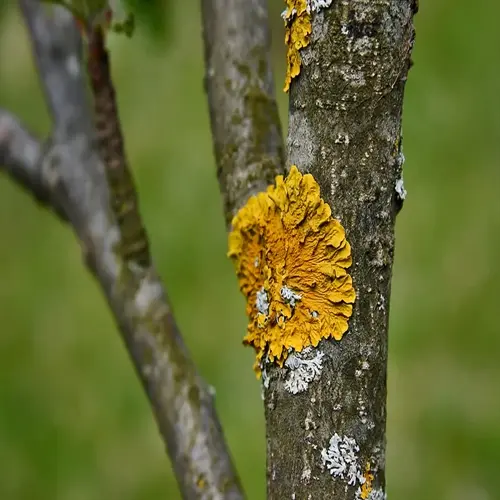
Lichens: What They Are and How to Spot Them
Lichens are fungi in partnership, not plants. Learn the three growth forms, what they signal about air quality, and how to identify them.
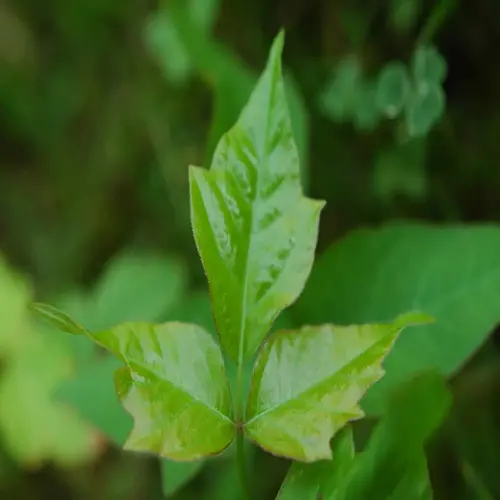
Poisonous Plants: Which Ones Are Truly Deadly
Poisonous plants range from an itchy rash to genuinely fatal. See which ones are which, and how to spot the deadly look-alikes.
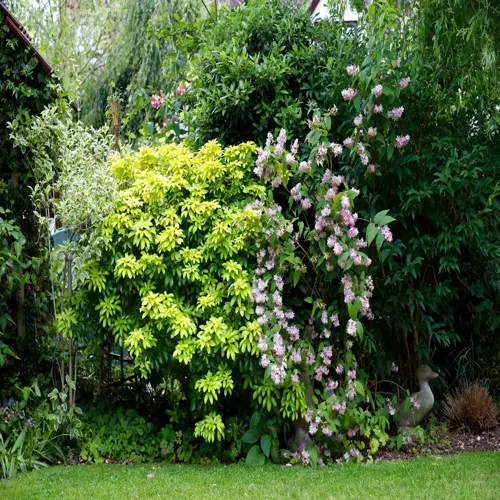
10 Flowering Bushes and How to Pick One
Most flowering bushes bloom about two weeks. Learn how to pick one that fits your space and prune it without losing next year's flowers.
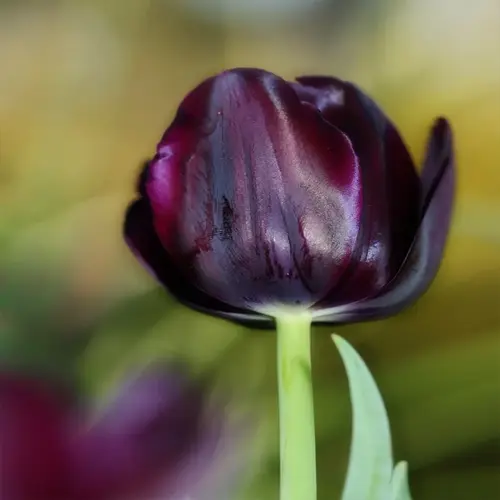
10 Black Flowers That Are Not Truly Black
No plant makes truly black flowers. Meet 10 near black blooms, the pigment behind them, and how to make them read black.
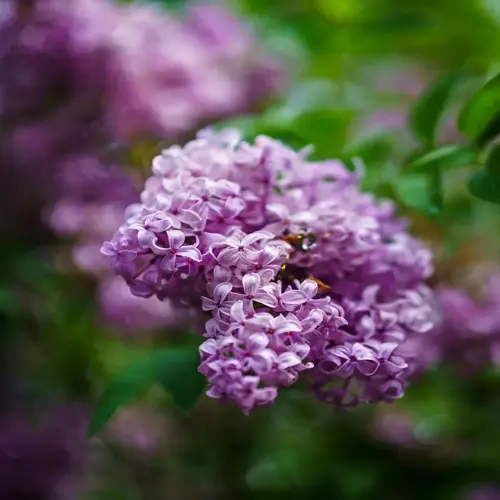
Lilac Flower: Types, Growing Tips and Uses
Your complete lilac flower guide: popular varieties, growing tips, pruning advice, fragrance uses, and pollinator value.
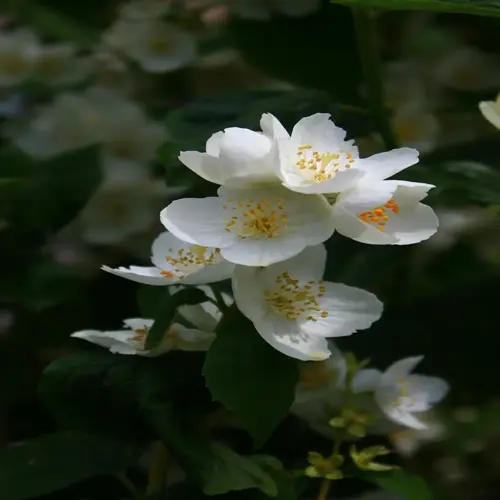
Jasmine Plant Care and Growing Guide
Everything about the jasmine plant, from popular varieties and care tips to fragrance science and propagation methods.
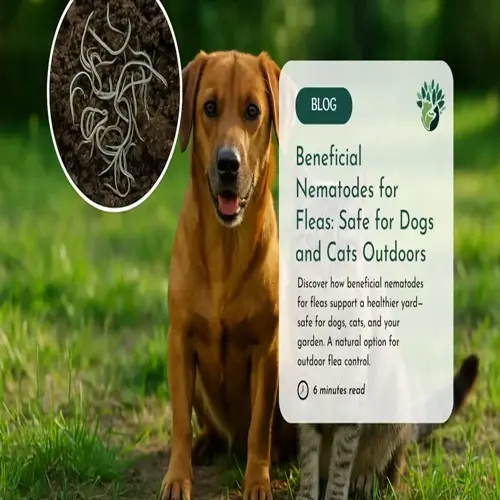
Beneficial Nematodes Pest Control Guide
Learn how beneficial nematodes kill garden pests naturally. Species guide, application tips, and proven efficacy data.
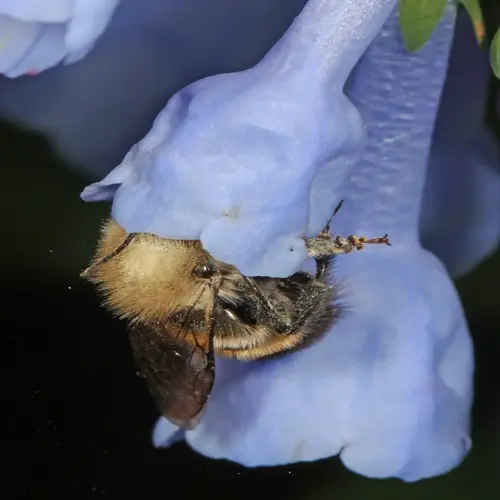
Mason Bees: Your Garden Pollinator
Learn about mason bees, their pollination power, lifecycle, housing needs, and how to attract these gentle native bees to your garden.

Understanding Predator-Prey Relationships in Nature
Understanding predator-prey relationships in nature through the 9.6-year lynx-hare cycle and Yellowstone's wolf reintroduction effects.
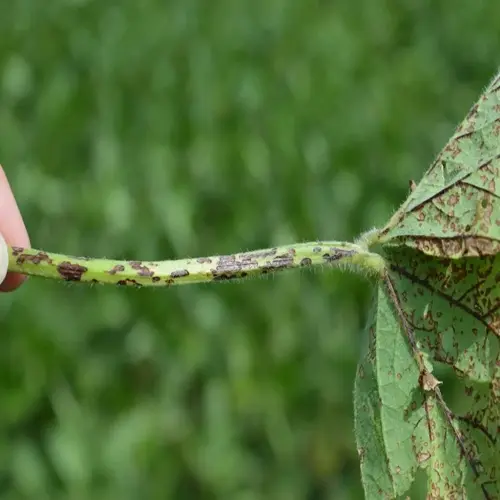
Comprehensive Guide to Identify Plant Diseases
Learn to identify plant diseases with this comprehensive guide. Discover symptoms, diagnostics, and treatments for healthier plants.