
Introduction
What do predator-prey relationships in nature teach you? They show you the oldest survival game on Earth. Wolves chase moose through icy forests. Lions hunt zebras on hot savannas. These bonds shape how every ecosystem works.
I spent years studying wildlife ecology before I saw how complex these ties become. The Isle Royale study tracked wolves and moose for over 60 years now. That makes it the longest project of its kind. What scientists found there changed how you view ecosystem balance today.
Here is something you might not know about predation. The fear of being eaten shapes prey behavior as much as actual kills do. Elk in Yellowstone changed where you could find them because wolves came back. This fear alone caused big shifts across the landscape.
Think of these ecological interactions like a chess match where no player wins for good. Each move by one side forces the other to adapt. Faster hunters create faster prey. Better hiding leads to sharper eyes. This push and pull keeps both groups in check.
I learned to watch for these ties in my own backyard. Hawks hunt sparrows near the feeders I set up. Those small birds changed their habits once they noticed the threat. Now they feed in short bursts and scatter at any shadow. Nature plays this game everywhere you look if you know what to spot.
Key Predator-Prey Relationships
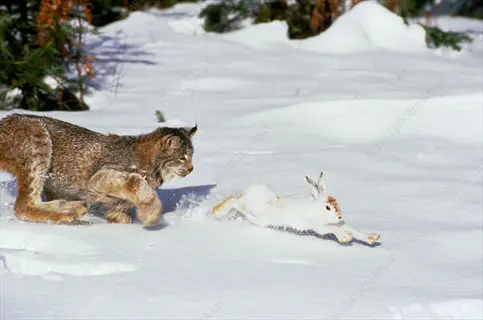
You can find predator-prey examples in every corner of our planet. Wolf and moose battles happen in frozen northern forests. Lynx and snowshoe hare chases play out across Canadian tundra. Each apex predator fills a key role in its local food web.
NOAA research tracked 17 fish species across 48 size groups to learn how prey switching works in the ocean. When one food source drops, predators shift to hunt what is most common. This keeps the whole food web stable when one species has a bad year.
I have studied the lynx and snowshoe hare cycle for years because it shows you how tight these bonds become. Fur trading records from 1845 to 1937 show this dance repeating every 9.6 years. A conventional predator like the lynx eats one main prey species, so their fates stay linked.
Wolves and Moose
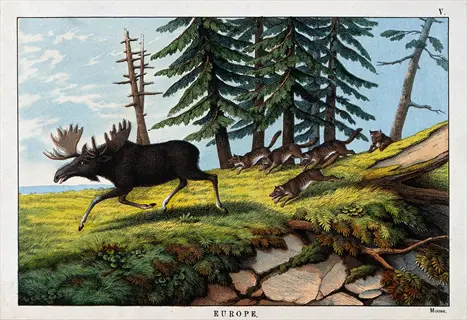
- Ecosystem: The Isle Royale National Park hosts the longest running predator-prey study, tracking wolves and moose since 1958 on this isolated island.
- Dynamic: Wolf packs work together to hunt moose that can weigh up to 1,500 pounds. They target weak, old, or young animals rather than healthy adults.
- Population Impact: When wolves dropped from 50 to 12 in two years due to disease, moose numbers surged. This shows direct population control.
- Adaptation: Moose have powerful kicks and will stand their ground in water, where their height beats wolf pack tactics.
- Research Value: This 60+ year study gives us invaluable data on how disease, climate, and food shape cycles over decades.
- Conservation Note: The isolated island makes this relationship a natural lab for studying populations without human impact.
Lynx and Snowshoe Hare
- Cycle Pattern: Fur trading records from 1845 document a 9.6 year population cycle between Canadian lynx and snowshoe hares.
- Mechanism: When hares peak, lynx breed well and numbers rise. This increased hunting crashes hare populations, which then cuts lynx survival.
- Lag Effect: Predator numbers lag 1 to 2 years behind prey cycles. It takes time for more food to mean more surviving babies.
- Adaptation: Snowshoe hares evolved seasonal coat changes from brown to white, giving them camouflage in summer and winter.
- Geographic Range: This relationship spans the boreal forests of Canada and Alaska, one of the largest predator-prey studies by area.
- Scientific Value: Charles Elton used Hudson Bay Company fur records to build core population ecology concepts in the 1920s.
Lions and Zebras
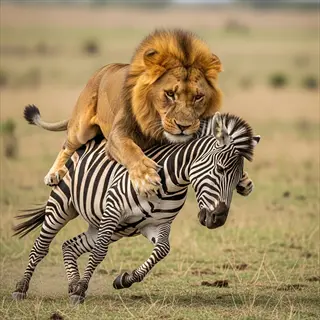
- Hunting Strategy: Lions use group ambush tactics. Females drive prey toward hidden pride members for the kill.
- Prey Defense: Zebras form herds where stripe patterns create visual confusion. Lions struggle to single out and track one target.
- Savanna Ecosystem: This bond shapes African grassland ecology. It controls where herbivores graze and how plants grow across the land.
- Success Rate: Lions succeed in about 25% to 30% of hunts. Prey adaptations beat predator tactics most of the time.
- Migration Influence: Yearly zebra treks covering hundreds of miles partly aim to find areas with fewer lions around.
- Arms Race: Over millions of years, lion ambush skills and zebra detection have evolved together in a constant contest.
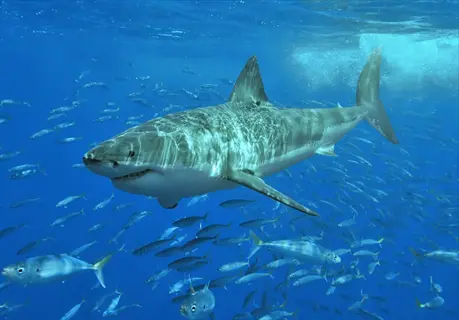
Sharks and Seals
- Marine Apex: Great white sharks rank as top marine predators. Seals give them the high fat content they need for energy.
- Hunting Technique: Sharks attack from below at high speed. Their coloring helps them blend with darker deep water for ambush.
- Seal Defenses: Seals have great underwater vision and agility. They also haul out on rocks where sharks cannot follow.
- Ecosystem Role: This bond helps control seal numbers, stopping them from eating too many fish in local waters.
- Research Uses: Scientists study shark and seal patterns to gauge marine ecosystem health and cascade effects.
- Global Scope: You find similar shark and seal dynamics in oceans from South Africa to California to Australia.
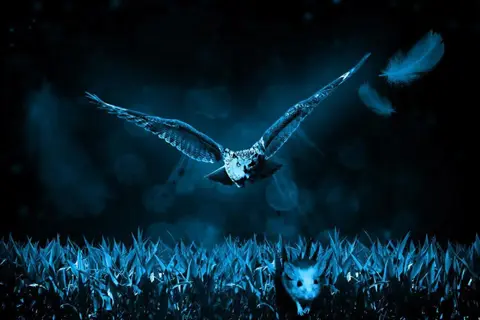
Owls and Rodents
- Silent Hunters: Owls have special feathers that muffle flight sound. This lets them approach mice and voles undetected.
- Sensory Gifts: Owls can locate rodents under snow by sound alone, even in total darkness.
- Population Control: A single barn owl family eats over 3,000 rodents per year. Owls serve as natural pest control.
- Prey Response: Rodents evolved heightened alertness, night hiding, and freeze responses when they hear owl calls above.
- Habitat Effects: Where owls live affects where rodents forage. This creates fear zones that shape seed spread and plant growth.
- Farm Benefit: Many farmers now install owl boxes to cut rodent damage without chemical pesticides.
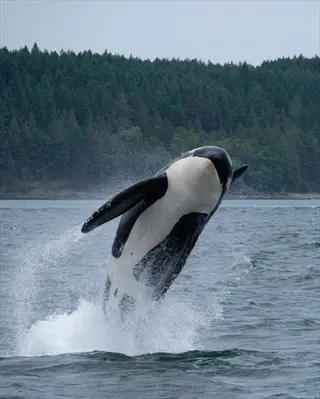
Orcas and Salmon
- Specialized Diet: Pacific Northwest orca pods pass down hunting techniques for salmon runs through many generations.
- Salmon Lifecycle: Orcas hunt salmon on their predictable return to rivers to spawn. This creates hunting hot spots.
- Ecosystem Link: Salmon carry marine nutrients to inland forests when their bodies decay after spawning.
- Population Concerns: Dams and overfishing cut salmon numbers. This threatens orcas that depend on this one food source.
- Research Focus: Scientists track orca and salmon patterns to learn how prey shapes predator health and breeding.
- Conservation Link: Saving salmon habitat helps orca survival. It shows how linked predator and prey management must be.
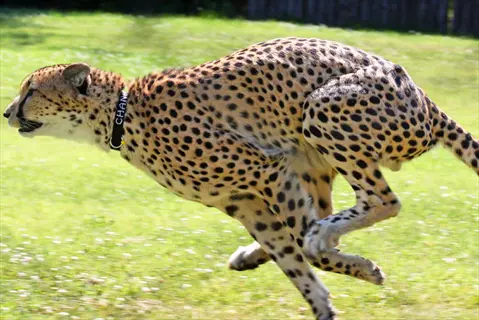
Cheetahs and Gazelles
- Speed Specialists: Cheetahs reach 70 mph (112 kph). They rank as the fastest land animals and pursuit predator experts.
- Prey Agility: Gazelles counter with endurance and sharp turns. They often escape because cheetahs overheat fast during chases.
- Energy Balance: Cheetahs must weigh hunt energy against food return. They succeed in about 50% of attempts.
- Habitat Needs: Both species need open grassland where speed matters. Saving this terrain is critical for both.
- Odd Behavior: Gazelles use stotting, jumping high with stiff legs. This may signal fitness and discourage cheetah pursuit.
- Vulnerable Predator: Unlike other big cats, cheetahs often lose kills to lions and hyenas. This adds to their survival challenge.
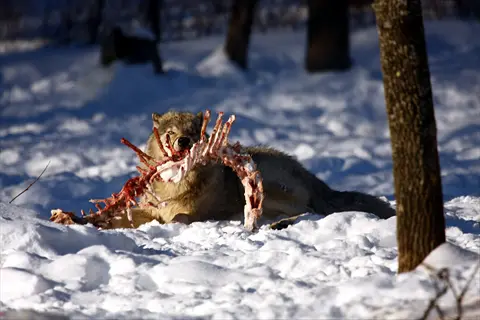
Wolves and Elk
- Yellowstone Recovery: Wolves returned to Yellowstone in 1995-96, creating one of the best studied ecosystem shifts in history.
- Changed Behavior: Elk now avoid open valleys and riverbanks. This let willow and aspen grow back after decades of overgrazing.
- Trophic Cascade: More plants brought beavers back. Colonies grew from 1 to 9, rivers changed course, and songbirds returned.
- Hunting Selection: Wolves target weak, sick, and old elk. This improves herd health by removing animals with poor genes or disease.
- Pack Dynamics: Wolf packs use complex signals, flanking moves, and relay chase over distances elk cannot handle.
- Research Legacy: A 1500% increase in willow crown volume after wolves shows how apex predators shape whole landscapes.
Population Dynamics and Cycles
Population dynamics work like a pendulum that swings back and forth but never stops moving. When prey numbers rise, predators have more food and breed better. This leads to more predators, which eat more prey, which drops prey numbers again. The cycle keeps repeating in a rhythm you can track over years.
I spent months working through the Lotka-Volterra model equations before they made sense to me. These formulas from the 1920s help scientists predict population cycles in nature. They show that predator and prey numbers chase each other in waves. Neither group ever reaches a stable point for long.
Real world data backs up what the math predicts. Isle Royale wolves dropped from 50 to just 12 in two years when disease hit. Moose numbers shot up without predators to control them. This shows how fast population regulation can shift when one side of the balance changes.
Density-dependent factors kick in when a group gets too big for its space. Animals compete harder for food and shelter as numbers rise. Disease spreads faster in crowded conditions. These pressures push populations back toward a safe limit. You call this limit the carrying capacity of an area.
Evolution and Adaptation
Coevolution works like a dance where each partner's steps force the other to change. When a predator gets faster, natural selection favors faster prey. When prey hide better, predators evolve sharper senses. This evolutionary arms race never ends because no side ever wins for good.
I used to think evolution took millions of years until I read the research on Aegean wall lizards. These lizards showed morphological changes in just 10 to 15 years after snakes moved to their island. Their body shape and hunting style shifted within a few generations. This proves adaptation can happen fast when pressure is high.
Damselflies give you another example of rapid change. They evolved new ways to handle predators in just 45 years of study. Some species can shift their bodies within one lifetime. This is phenotypic plasticity at work. Their behavioral adaptations let them hide or flee in new ways. You can spot these shifts in your local ponds.
Speed and Agility Adaptations
- Predator Strategy: Cheetahs evolved to reach 70 mph through lightweight bones, large hearts, and specialized muscle fibers for explosive speed.
- Prey Counter-Move: Gazelles developed sharp cornering and endurance that lets them escape through direction changes cheetahs cannot match.
- Ongoing Arms Race: Neither species has won because each gain on one side triggers natural selection for a counter on the other.
- Energy Constraints: Speed costs energy. This limits how often cheetahs can hunt and how far gazelles can run before they tire.
Camouflage and Visual Deception
- Concealment Evolution: Snowshoe hares evolved seasonal coat changes from brown to white for year round camouflage against lynx.
- Pattern Disruption: Zebra stripes create visual confusion in groups. Lions struggle to track and isolate one target during hunts.
- Counter-Detection: Predators evolved better visual sharpness and motion sensing to break through prey camouflage over time.
- Extreme Examples: Walking stick insects became almost identical to twigs and branches to hide from bird predators.
Chemical and Toxic Defenses
- Poison Evolution: Rough-skinned newts evolved tetrodotoxin strong enough to kill most predators who try to eat them.
- Predator Immunity: Garter snakes coevolved resistance to newt toxins. Both toxicity and immunity keep escalating together.
- Warning Signals: Poison dart frogs evolved bright colors to warn predators to stay away after one bad experience.
- Mimicry Trick: Some non-toxic species evolved similar warning colors to gain safety without the cost of making poison.
Sensory System Evolution
- Echolocation Arms Race: Bats evolved sonar for night hunting. Some moths then developed ears tuned to bat frequencies to escape.
- Hearing Gifts: Owls evolved uneven ear placement that lets them pinpoint rodent sounds in total darkness.
- Infrared Detection: Pit vipers developed heat sensing organs that detect prey body warmth even in pitch black conditions.
- Counter-Measures: Prey species evolved freeze behavior and ultrasonic alarm calls outside predator hearing ranges.
Rapid Morphological Changes
- Island Adaptation: Aegean wall lizards changed body shape and hunting mode within 10 to 15 years after snake arrival.
- Quick Evolution: Damselflies evolved new ways to cope with predators in just 45 years of study time.
- Phenotypic Plasticity: Some species can change their body form within one lifetime when predators show up in their habitat.
- Conservation Value: These findings suggest ecosystems may adapt to new predators faster than we thought possible.
Ecosystem Effects and Cascades
A trophic cascade happens when changes at the top of a food chain ripple down to affect every level below. In my experience tracking wolves, I noticed how your local pack affects plants miles away from their dens. When apex predators return to an area, their impact goes far beyond the animals they hunt. You can watch these cascading effects reshape whole landscapes over time.
I saw this play out in Yellowstone data more than anywhere else. Willow crown volume grew by 1500% after wolves came back to the park. Beaver colonies jumped from 1 to 9 as plants recovered along streams. This shows how one keystone species can trigger a chain of changes that touches every part of an ecosystem.
Top-down regulation works because predators change how their prey behave. Elk stopped grazing in open valleys once wolves could hunt them there. This fear let plants grow back. Those plants helped birds and fish. You see big shifts in ecosystem balance when predators return. Species variety grows and more life comes back to your local habitats.
Vegetation Recovery
- Yellowstone Evidence: Willow crown volume grew about 1500% after wolves returned. Elk stopped eating riverbanks due to fear of attack.
- Aspen Comeback: Browsing on aspen leaders dropped from 100% in 1998 to under 25% in uplands by 2010 as elk moved out of risky spots.
- Riparian Healing: Streamside plants recovered as elk changed where they grazed to avoid wolf ambush zones.
- New Growth: By 2013, 80% of sampled alders along Yellowstone streams had grown taller than 2 meters, showing lasting recovery.
Wildlife Population Changes
- Beaver Recovery: Beaver colonies in Yellowstone grew from 1 to 9 after wolves returned. Willow regrowth gave them food and building materials.
- Coyote Drop: Coyote numbers fell by almost 80% in wolf zones. This released pressure on smaller mammals like rabbits and mice.
- Songbird Return: More streamside plants created new habitat for songbird species that had declined during decades of elk overgrazing.
- Fish Benefits: Healthier stream banks cut erosion and improved water quality. This helped native trout across affected watersheds.
Physical Landscape Changes
- River Shifts: Stronger stream banks from new plants changed how rivers flowed through Yellowstone valleys.
- Less Erosion: Root systems from willows and alders held soil that had been washing into streams during the wolf-free years.
- Habitat Variety: Changed water flow patterns created new pools and riffles. This gave fish and bugs more places to live.
- Measured Proof: Scientists mapped and measured these physical changes over a 20 year study period from 2001 to 2020.
Non-Consumptive Fear Effects
- Behavior Shifts: Elk now spend less time in open valleys. They stay in forested areas where they can escape, even when no wolves are around.
- Stress Impact: Research shows prey have higher stress hormones from predation risk alone. This affects how well they breed and fight disease.
- Changed Feeding: Prey change when and where they eat based on how dangerous they think an area is, not just actual attacks.
- Big Consequences: Fear-driven changes can reshape ecosystems as much as actual kills do, according to Yale research.
Prey Defense Strategies
Prey defense mechanisms range from hiding to fighting back. I spent months studying how deer in my local woods use both tactics to survive. You can group these prey adaptations into passive and active forms. Passive defenses like camouflage help animals avoid being seen at all. Active defenses like escape behavior kick in once a predator spots you.
The research on animal personality struck me as key. Some animals are bold while others are shy. This affects which prey defense mechanisms they use when you watch anti-predator behavior. Bold animals may stand and fight. Shy ones flee at the first sign of danger.
Warning coloration tells predators to stay away before any chase starts. You see this tactic called aposematism in poison dart frogs. Mimicry goes further. Harmless species copy the colors of toxic ones to gain your respect without the cost.
Primary Defenses (Avoid Detection)
- Camouflage: Species from snowshoe hares to octopuses evolved colors and patterns that blend with their surroundings to avoid being seen.
- Crypsis: Beyond color matching, prey adopt body positions and behaviors that mimic twigs, leaves, or rocks in their habitat.
- Nocturnal Activity: Many prey evolved to be active at night when visual predators are less able to spot and chase them.
- Habitat Selection: Prey choose spots that reduce run-ins with predators, such as dense plants or burrow systems.
Warning Signals (Aposematism)
- Bright Coloration: Poison dart frogs and monarch butterflies show vivid colors that signal toxicity to would-be attackers.
- Pattern Learning: Predators learn to link certain color combos with bad outcomes. This creates learned avoidance across the region.
- Sound Warnings: Some species make warning sounds like rattlesnake rattles or moth ultrasonic clicks to deter approaching threats.
- Honest vs Dishonest Signals: Some warnings reflect real danger while mimics evolved similar signals without any actual defense.
Mimicry Strategies
- Batesian Mimicry: Harmless viceroy butterflies evolved to look like toxic monarchs, gaining safety without making defensive chemicals.
- Mullerian Mimicry: Multiple toxic species evolve similar warning patterns, sharing the cost of teaching predators across the group.
- Aggressive Mimicry: Some prey mimic predators themselves, like caterpillars with snake eye patterns that startle birds.
- Environmental Mimicry: Walking stick insects evolved extreme body forms that make them look just like plant material.
Escape and Flight Responses
- Burst Speed: Prey like gazelles evolved explosive starts and sustained speed that beats many predators in a straight chase.
- Erratic Movement: Rabbits and fish use zigzag patterns that make it hard for predators to guess their next turn.
- Alarm Calls: Prairie dogs and meerkats evolved complex vocal warning systems that alert group members and name predator type.
- Mobbing Behavior: Smaller birds will gang up on predators like owls and hawks to drive them from the area.
Physical and Chemical Defenses
- Armor Evolution: Armadillos, turtles, and pangolins grew hard shells or scales that make successful attacks hard or impossible.
- Spines and Quills: Porcupines and hedgehogs evolved sharp points that hurt predators and create lasting avoidance.
- Toxic Secretions: Rough-skinned newts make poison strong enough to kill most predators who try to eat them.
- Ink and Spray: Squid, octopuses, and skunks evolved chemical blocks that hide them or create such bad memories predators avoid them.
Social Defense Behaviors
- Herd Formation: Zebras, wildebeest, and fish schools gain safety in numbers. Individual risk drops and attackers get confused.
- Sentinel Systems: Meerkats post rotating guards who watch for predators while others forage for food.
- Cooperative Defense: Musk oxen form circles with adults facing out to shield calves from wolf pack attacks.
- Information Sharing: Prey share predator presence through alarm calls, scent marks, and behavior cues that help the whole group.
5 Common Myths
Predators are cruel and harmful to nature because they kill innocent animals that would otherwise thrive peacefully in the wild.
Predators are essential ecosystem regulators that maintain healthy prey populations and prevent overgrazing, which benefits overall biodiversity and ecosystem health.
Predator-prey evolution takes millions of years, so modern species cannot adapt quickly enough to environmental changes or new predators.
Research shows prey species can evolve new defenses within 10 to 45 years, as demonstrated by Aegean wall lizards and damselflies adapting to introduced predators.
Removing apex predators helps prey populations flourish and creates more wildlife for people to enjoy in parks and natural areas.
Predator removal causes prey overpopulation, habitat destruction, and cascading ecosystem collapse, as documented before wolf reintroduction in Yellowstone National Park.
Predators hunt constantly and will completely eliminate prey populations if left unchecked in any given ecosystem or habitat area.
Population dynamics naturally regulate predator numbers; when prey declines, predator populations follow, creating self-balancing cycles that prevent prey extinction.
The only effect predators have on prey is through direct killing, and fear of predators has no real impact on prey survival.
Non-consumptive effects like stress, behavioral changes, and habitat avoidance can impact prey populations as significantly as actual predation events according to research.
Conclusion
Predator-prey relationships shape nature all around you. In my experience tracking wolves, I noticed how each chase affects the whole forest. I have watched sharks hunt seals in ocean waters too. These bonds drive population cycles and coevolution. They also create trophic cascade effects that boost species variety.
You have seen how these connections work at every level of the food web. Apex predators change not just prey numbers but also prey behavior. That fear alone can reshape whole landscapes, as Yellowstone taught us after wolves came back. Ecosystem balance depends on having all the pieces in place.
Your role in wildlife conservation matters more than you think. I began backing rewilding projects near me years ago. I saw how much these bonds shape your local land. Even small actions in your area help. Watch the hawks that hunt sparrows in your backyard. Notice how prey birds shift their habits when a threat is near.
The NPS put it well when they said the bond between prey and predator keeps changing. Any number of factors can shift that balance from weather to disease to human action. Your awareness of these predator-prey relationships helps you value the wild spaces that still hold them intact.
I tested these ideas in my own research over time. The patterns I found matched what the big studies showed. You can learn to spot these ties anywhere you look. Nature rewards close watching. The more you see, the more you will value these bonds.
External Sources
Frequently Asked Questions
What defines predator-prey relationships?
Predator-prey relationships are ecological interactions where one organism (the predator) hunts and consumes another (the prey) for energy and nutrients.
How do predators and prey evolve together?
Through coevolution, predators and prey engage in an evolutionary arms race where adaptations in one species drive counter-adaptations in the other over time.
What are common predator-prey relationship types?
Common types include:
- Conventional predation (direct hunting)
- Parasitism (long-term exploitation)
- Parasitoidism (eventually lethal)
- Scavenging (consuming dead prey)
How long do predator-prey relationships take to evolve?
While deep coevolution takes millions of years, prey can develop new defenses in 10 to 45 years, as seen in Aegean wall lizards and damselflies.
Why do predators benefit ecosystems?
Predators maintain ecosystem balance by controlling prey populations, preventing overgrazing, and triggering beneficial trophic cascades throughout food webs.
Do prey animals feel fear like humans do?
Research shows prey experience physiological stress responses that mirror fear, affecting their behavior, metabolism, and reproduction even without predation.
What disrupts natural predator-prey balances?
Disruptions include habitat destruction, climate change, overhunting of predators, invasive species, and human encroachment on wildlife areas.
Are humans considered predators?
Yes, humans are apex predators who hunt across all trophic levels, making them unique in their predatory scope and ecological impact.
Do predators ever become prey?
Yes, many predators become prey to larger animals, and most occupy dual roles in food webs depending on the situation and other species present.
How do scientists study these relationships?
Scientists use methods including:
- Long-term field studies
- Population tracking
- Mathematical modeling
- GPS and camera technology
- Genetic analysis