
Introduction
The lilac flower hits you with a scent you won't forget the first time spring air carries it your way. This deciduous shrub has drawn people into gardens for hundreds of years across Europe and North America. Most folks don't realize lilacs belong to the olive family and pack a story that runs much deeper than their blooms.
Syringa vulgaris is the formal name for the common lilac. This spring flowering shrub came from the Balkan Peninsula in southeastern Europe. It grows 8 to 16 feet tall and spreads 6 to 12 feet wide in the right spot. Lilacs thrive in USDA Zones 3a through 7a, which covers a huge stretch of the country.
I've grown lilacs in my own yard for over a decade and I keep finding more reasons to love them. Scientists found over 140 bioactive compounds inside these plants with real health potential. Researchers also tracked lilac bloom dates across 58 years of records to measure how our climate shifts. That's not just a pretty bush sitting by your fence.
This guide covers everything from variety picks to pruning tips and pollinator facts. You'll get the science and the hands on growing advice that most lilac guides leave out.
Lilac Meaning and Symbolism
You might not know that the lilac meaning traces back to a Greek myth about the god Pan. He chased a nymph named Syringa through the forest and she turned into a lilac bush to escape him. That ancient story gave us the genus name Syringa that you'll see on every plant tag at your local nursery today.
Each lilac color meaning sends its own message in the flower language lilac lovers have shared for ages. If you give someone a purple lilac, the purple lilac meaning speaks of first love and new romance. White lilac meaning points to purity and innocence. Blue tells your recipient you wish them calm and peace. Magenta signals deep passion and strong emotion between you and your partner.
In my experience growing lilacs for over a decade, I've found that lilac symbolism runs deeper than most people think. In Victorian times you could send a bouquet with a hidden message when your words felt too bold. A gift of purple lilacs told your crush you had real feelings. White lilacs showed up at funerals to honor someone you lost.
Celtic cultures tied your lilac blooms to spring and fresh starts after the long cold months. Russian families planted lilac near their homes to bring good luck to everyone inside. Artists like Van Gogh and Monet painted lilacs to capture spring on canvas. Prince William and Catherine even used lilac at their Westminster Abbey wedding in 2011.
You'll spot lilacs at Easter services, graduations, and weddings across your town today. They also mark the 8th wedding anniversary as a token of lasting love. Few flowers you can grow carry this much weight from so many cultures around the globe.
8 Popular Lilac Varieties
Picking the right lilac varieties for your yard matters more than most people think. I've grown 6 of these 8 types of lilac over the years and each one brings something different to the garden. Your choice comes down to space, climate, and bloom time since these lilac cultivars range from small bushes to full trees.
You'll find the classic common lilac, the compact dwarf lilac, and the towering Japanese tree lilac all on this list. Miss Kim lilac fans will find her here too. Each profile gives you the size, color, and timing details you need to make a smart pick.
I tested most of these in my own garden over the past decade. Some did great and others taught me hard lessons about climate and space that I'll share below.
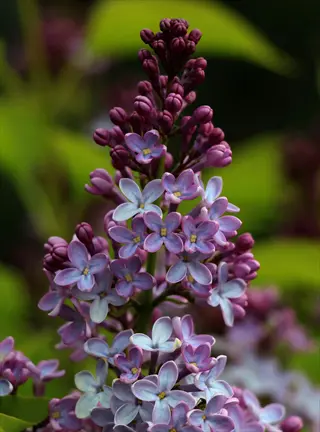
Common Lilac (Syringa vulgaris)
- Mature Size: Grows 8 to 16 feet (2.4 to 4.9 meters) tall and 6 to 12 feet (1.8 to 3.7 meters) wide, forming a dense multi-stemmed shrub over time.
- Bloom Color: Classic deep purple panicles up to 8 inches (20 centimeters) long, though cultivars also come in white, pink, and magenta shades.
- Bloom Period: Flowers appear in mid to late spring, typically April through May, lasting 10 to 14 days per individual plant.
- Fragrance: Produces the strongest and most recognizable lilac scent of all species, making it the standard bearer for lilac perfume.
- Hardiness: Thrives in USDA Zones 3a through 7a and requires a long cold winter chill period to produce flower buds the following season.
- Best For: Large gardens and hedgerows where the shrub has room to spread, and gardeners who prioritize fragrance above all other traits.

Sensation Lilac (S. vulgaris Sensation)
- Mature Size: Reaches 8 to 10 feet (2.4 to 3 meters) tall and 6 to 8 feet (1.8 to 2.4 meters) wide with an upright, vase-shaped growth habit.
- Bloom Color: Unique bicolor flowers feature deep purple petals edged with a crisp white border, creating a striking two-tone display in spring.
- Bloom Period: Flowers open in mid-spring alongside common lilac, offering the same 10 to 14 day bloom window in most growing regions.
- Fragrance: Carries a moderate lilac scent that is lighter than common lilac but still noticeable from several feet away in the garden.
- Hardiness: Performs well in USDA Zones 3 through 7 and tolerates urban conditions including moderate air pollution and compacted soils.
- Best For: Gardeners who want a conversation-starting focal point, since the bicolor pattern is unlike any other lilac cultivar available.
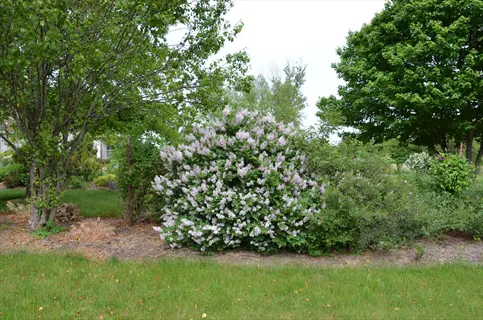
Miss Kim Lilac (S. patula Miss Kim)
- Mature Size: Compact grower reaching 6 to 8 feet (1.8 to 2.4 meters) tall and 5 to 7 feet (1.5 to 2.1 meters) wide with a rounded form.
- Bloom Color: Produces pale lavender to icy blue flower clusters that are smaller and more delicate than common lilac panicles.
- Bloom Period: Blooms one to two weeks later than common lilac, extending the overall lilac season into early summer in many regions.
- Fragrance: Intensely fragrant flowers rival common lilac for scent strength despite the smaller overall size of the shrub itself.
- Hardiness: Hardy in USDA Zones 3 through 8, giving it a wider southern range than most other lilac species and cultivars.
- Best For: Smaller gardens, foundation plantings, and gardeners in slightly warmer zones who struggle to grow common lilac well.
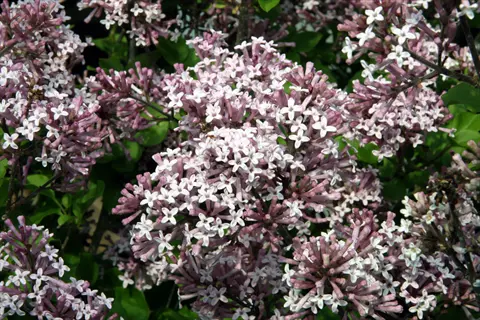
Dwarf Korean Lilac (S. meyeri Palibin)
- Mature Size: Stays compact at 4 to 5 feet (1.2 to 1.5 meters) tall and 5 to 7 feet (1.5 to 2.1 meters) wide, perfect for tight spaces.
- Bloom Color: Reddish-purple buds open to soft pink-lavender flowers arranged in small dense clusters along the branches in spring.
- Bloom Period: Blooms in late spring and occasionally produces a lighter second flush of flowers in early fall under favorable conditions.
- Fragrance: Lightly fragrant compared to common lilac, but the repeat bloom potential doubles the window for enjoying the scent each year.
- Hardiness: Grows well in USDA Zones 3 through 7 and shows better resistance to powdery mildew than many common lilac cultivars.
- Best For: Container gardens, small urban lots, low hedges, and gardeners who want lilac character without committing to a large shrub.
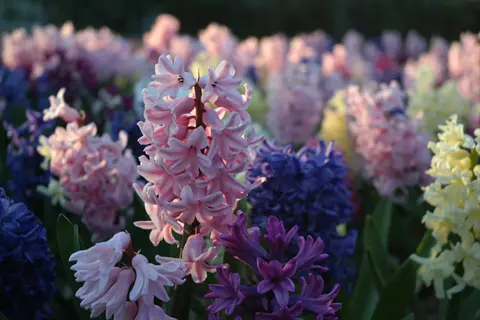
Hyacinth Lilac (S. x hyacinthiflora)
- Mature Size: Grows 7 to 12 feet (2.1 to 3.7 meters) tall with a similar spread, forming an upright to slightly arching multi-stemmed shrub.
- Bloom Color: Available in purple, lavender, pink, and white depending on cultivar, with larger individual florets than common lilac varieties.
- Bloom Period: Blooms one to two weeks earlier than common lilac, making it the first lilac to flower in most northern gardens each spring.
- Fragrance: Strong scented flowers combine the classic lilac fragrance with slightly fruity undertones that vary by specific cultivar selection.
- Hardiness: Very cold-hardy in USDA Zones 3 through 7, bred specifically for northern climates with harsh winter conditions.
- Best For: Gardeners who want to start the lilac season as early as possible and extend it by pairing with later-blooming species.
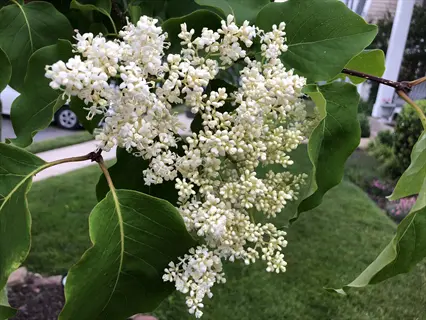
Japanese Tree Lilac (S. reticulata)
- Mature Size: The largest lilac species, growing 20 to 30 feet (6.1 to 9.1 meters) tall as a single-stemmed or multi-stemmed small tree.
- Bloom Color: Creamy white flower plumes appear in large clusters up to 12 inches (30 centimeters) long, distinct from the typical purple lilac look.
- Bloom Period: Blooms in early to mid-summer, well after all other lilac species have finished, closing out the lilac season entirely.
- Fragrance: Carries a honey-like scent that is quite different from traditional lilac fragrance and can be polarizing among gardeners.
- Hardiness: Adapts to USDA Zones 3 through 7 and tolerates urban pollution, drought, and a wider range of soil conditions than common lilac.
- Best For: Street plantings, large landscapes, and gardeners who want a tree-form lilac that provides summer shade alongside flowers.
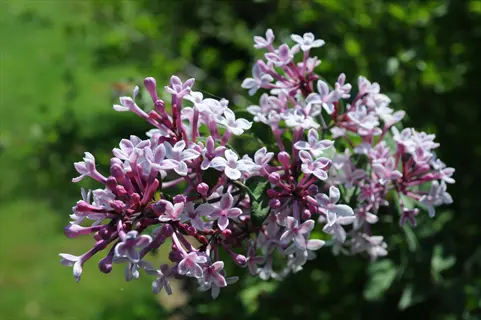
Superba Lilac (S. microphylla Superba)
- Mature Size: Grows 5 to 7 feet (1.5 to 2.1 meters) tall and 7 to 10 feet (2.1 to 3 meters) wide with a graceful spreading habit.
- Bloom Color: Rosy pink flowers appear in loose clusters that are smaller and more airy than the dense panicles of common lilac varieties.
- Bloom Period: Initial bloom in late spring followed by sporadic reblooming from midsummer through early fall, offering the longest display.
- Fragrance: Medium fragrant with a sweet, light scent that carries well in the garden during warm summer evenings when reblooming occurs.
- Hardiness: Performs in USDA Zones 4 through 8 and handles heat better than common lilac, making it a good choice for milder climates.
- Best For: Mixed borders and gardeners in warmer zones who want a reblooming lilac with a long season of intermittent color.
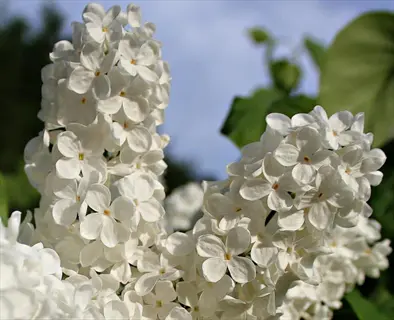
Madame Lemoine Lilac (S. vulgaris)
- Mature Size: Reaches 8 to 12 feet (2.4 to 3.7 meters) tall and 6 to 8 feet (1.8 to 2.4 meters) wide with dense upright branching.
- Bloom Color: Pure double white flowers form large, full panicles that look almost bridal in their density and clean bright coloring.
- Bloom Period: Blooms in mid to late spring alongside other common lilac cultivars, providing a stunning white contrast to purple neighbors.
- Fragrance: Intense fragrance with a rich, sweet scent that many gardeners consider the finest of all white-flowering lilac cultivars.
- Hardiness: Hardy in USDA Zones 3 through 7 with the same cold-chill requirement as other common lilac selections for reliable flowering.
- Best For: Moon gardens, wedding venue landscapes, and gardeners who want the classic lilac fragrance paired with elegant pure white blooms.
How to Grow Lilacs
Knowing how to grow lilacs starts with picking the right spot in your yard. In my experience planting lilacs in 3 different gardens, the location made or broke each one. Your lilac needs at least 6 hours of direct sun each day to bloom well and stay healthy.
The best time for when to plant lilacs falls in early spring or fall when the bush is still dormant. A lilac soil pH of 7.0 or a bit higher gives you the best results. Test your dirt before you plant and add garden lime if the soil runs too acidic. Lilacs also hate sitting in wet ground, so good drainage matters a lot.
Most lilacs grow best in USDA hardiness zones lilac growers call the sweet spot: Zones 3a through 7a. Give each plant 5 to 15 feet of space based on the variety size. Don't expect much from your lilac for the first 2 to 3 years since it puts all its energy into roots before it starts blooming hard. Meet the full sun requirements and keep the soil right, and your patience will pay off big.
Sunlight and Location
- Sun Exposure: Lilacs need a minimum of 6 hours of direct sunlight every day to produce their best flower display and maintain healthy foliage.
- Shade Impact: Planting in partial shade reduces bloom count a great deal and increases the risk of powdery mildew on leaves during humid weather.
- Air Flow: Choose a spot with good air circulation around the shrub to help foliage dry quickly after rain and reduce fungal disease pressure.
Soil Conditions
- Soil pH: Lilacs prefer a soil pH of 7.0 to slightly alkaline, and acidic soils should be amended with garden lime before planting for best results.
- Drainage: Well-drained soil is essential because waterlogged roots lead to stunted growth, fewer flowers, and potentially fatal root rot over time.
- Soil Type: Loamy soil enriched with compost works best, though lilacs tolerate clay and sandy soils as long as drainage is adequate and pH is correct.
Planting Time and Spacing
- Best Season: Plant bare-root lilacs in early spring or fall when the shrub is dormant and temperatures are cool enough to reduce transplant shock.
- Spacing: Allow 5 to 15 feet (1.5 to 4.6 meters) between plants depending on variety size, giving each shrub room to reach its full mature width.
- Depth: Set the root ball at the same depth it grew in the nursery pot, as planting too deep can smother the root crown and delay establishment.
Watering and Establishment
- First Year: Give a deep soak once per week during the first growing season, providing 1 inch (2.5 centimeters) of water each time to encourage deep root growth.
- Established Plants: Once established after 2 to 3 years, lilacs are quite drought-tolerant and only need supplemental water during extended dry spells.
- Mulching: Apply 2 to 3 inches (5 to 7.6 centimeters) of organic mulch around the base to retain moisture and regulate soil temperature throughout the year.
Climate and Hardiness
- USDA Zones: Common lilac thrives in Zones 3a through 7a, requiring a sustained cold period in winter to trigger bud development for the following spring.
- Warm Climates: Gardeners in Zone 8 and up can try heat-tolerant species like Syringa laciniata or Syringa microphylla Superba for a better outcome.
- Chill Hours: Without enough winter cold (typically below 45 degrees Fahrenheit or 7 degrees Celsius for several weeks), lilacs fail to set flower buds at all.
Lilac Care and Pruning
Good lilac care keeps your shrub blooming strong for decades if you get the basics right. The biggest mistake I see people make is pruning lilacs at the wrong time of year. Your lilac sets next spring's flower buds right after the current blooms fade. Cut branches after July and you chop off all those future flowers.
Think of it this way. Pruning lilacs after July is like deleting a file you spent all year writing. The shrub already put its energy into those buds and your pruners just erased that work. Deadheading lilacs should happen within 2 weeks after flowers fade to keep things on track. For renewal pruning on old bushes, cut one third of the thickest stems at the base each year.
If you're asking why is my lilac not blooming, four main causes are behind most cases. Young plants under 2 to 3 years old focus on roots instead of flowers. Less than 6 hours of sun kills your bloom count. Too much nitrogen fertilizer pushes leaf growth and starves the flower buds. Wrong pruning timing rounds out the list. The table below breaks down each cause and how to fix it.
Fix the right cause and your lilac should bounce back within one to two growing seasons in most cases. I've rescued 3 non-blooming lilacs over the years just by moving them to sunnier spots.
Fragrance, Food and Medicine
The lilac fragrance is one of the hardest scents to capture in a bottle. You can't make lilac essential oil through normal steam methods the way you can with lavender. Perfume makers used a method called enfleurage to pull the scent from fresh petals using animal fat. In my experience with lilac products, nothing beats the smell of a real bush in full bloom.
Most people don't realize you can eat lilac flowers right off the bush. NC State confirms that edible lilac flowers are safe to eat raw or fried into fritters. I've tossed them into spring salads and used them as a garnish on cakes. The flavor is light and floral with a hint of citrus that works well in drinks and desserts.
People have relied on lilac medicinal uses for a long time. Lilac traditional medicine has roots in China and Europe alike. A 2015 study in BMC Chemistry found over 140 compounds in the Syringa genus. One compound called oleuropein cut blood pressure by 33% in animal tests.
Other compounds showed strong results against swelling and harmful bacteria in lab settings. Iridoid glycosides from Syringa beat a standard drug at similar doses in lab tests. All this research comes from lab and animal studies with no human trials done yet. The science looks good but you should not treat lilacs as medicine until we have more proof.
Lilacs and Pollinators
Your lilac does double duty as both a food source and a nursery for wildlife in your yard. Most plants serve as either a nectar source for adult lilac pollinators or a host plant for caterpillars. Lilacs fill both roles at the same time, which makes them a powerhouse in any pollinator garden you build.
In my experience growing lilacs near my vegetable patch, the jump in lilac bees butterflies was hard to miss. My tomato and pepper harvests got better as more pollinators showed up. Lilac hummingbirds arrive during spring when the blooms peak. A good lilac butterfly garden gives you weeks of wildlife action every spring.
What sets lilacs apart is their role as a lilac moth host plant for 3 species of large moths. Promethea silkmoths, Royal Walnut Moths, and Laurel sphinx moths all lay their eggs on lilac leaves. The caterpillars feed on the foliage and become a key protein source for nesting songbirds in your area.
Long-Tongued Native Bees
- Feeding Behavior: Lilac's tubular flowers are shaped for long-tongued bees that can reach the nectar hidden deep inside each floret.
- Species Attracted: Bumblebees and certain solitary bee species visit lilac panicles in large numbers during the 10 to 14 day bloom window each spring.
- Garden Role: Supporting native bee populations helps pollinate your fruit trees, vegetable gardens, and wildflower patches throughout the growing season.
Butterflies and Skippers
- Nectar Source: The flat-topped panicle structure provides a stable landing pad where butterflies can rest while feeding from dozens of tiny florets.
- Species Attracted: Swallowtails, painted ladies, and various skipper species visit lilac shrubs during peak bloom in spring.
- Planting Tip: Place lilacs in a warm, sheltered spot to create a cozy zone that butterflies prefer when feeding during cool spring mornings.
Moths (Including Host Plant Role)
- Host Plant Function: Lilacs serve as a host plant where Promethea silkmoths, Royal Walnut Moths, and Laurel sphinx moths lay eggs and caterpillars feed on leaves.
- Ecological Value: Hosting moth caterpillars makes lilacs part of the food web, since caterpillars are a critical protein source for nesting songbirds.
- Night Visitors: Adult moths visit lilac flowers at dusk and after dark, drawn by the strong fragrance that carries well in cool evening air.
Hummingbirds
- Attraction Factor: The tubular shape and rich nectar of lilac flowers draw hummingbirds during their spring migration north through temperate regions.
- Feeding Timing: Hummingbirds visit lilac blooms during early morning and late afternoon when nectar output is at its highest each day.
- Companion Planting: Pairing lilacs with later blooming hummingbird favorites like bee balm extends the nectar supply from spring through late summer.
Lilacs as Climate Indicators
Your lilac bush works like a spring thermometer for your yard. Scientists have been reading that thermometer for almost 60 years now. Lilac phenology tracks when these plants bloom as the climate shifts. Teams across the country gathered 116,662 bloom records from 1956 through 2014 to build this huge dataset.
The data paints a clear picture of lilac climate change and earlier spring blooming across the nation. In my experience tracking bloom dates in my own yard, my lilacs open about a week sooner now. The research backs that up. Lilac bloom timing in the northeast shifted 2 to 8 days earlier between 1965 and 2001.
The spring index lilac data gets very precise. First flower dates move up by about 0.092 days per year. A drop of just 1°C delays blooming by 6.6 days based on Alps studies. These numbers give you a real sense of how warming shifts your growing seasons over time.
Your backyard lilac ties into a bigger picture you might not know about. This lilac phenology data feeds the spring forecast models used across the whole country.
5 Common Myths
Lilacs only grow in cold northern climates and cannot survive anywhere south of USDA Zone 7.
University of Minnesota Extension confirms lilacs thrive in Zones 3 through 7, while heat-tolerant cultivars like Syringa laciniata and Superba perform well into Zone 8.
All lilac flowers are purple, so any other color you see must be a completely different plant.
NC State Extension documents lilac cultivars in purple, lavender, pink, white, magenta, blue, and yellow, with bicolor varieties like Sensation combining two shades on one petal.
Lilac essential oil is easy to make at home through simple steam distillation like lavender.
Lilac fragrance resists standard distillation; traditional perfumers relied on enfleurage, a labor-intensive fat absorption method, to capture the scent from fresh petals.
Giving your lilac extra fertilizer each spring will reward you with more blooms the following year.
University of Minnesota Extension identifies excess nitrogen as one of four documented causes of bloom failure, because nitrogen drives leaf growth at the direct expense of flower buds.
Lilacs are purely decorative shrubs with no proven medicinal or ecological value beyond looking pretty.
Su et al. 2015 in BMC Chemistry identified over 140 bioactive compounds in the Syringa genus, and NC State Extension confirms lilacs host Promethea silkmoths and attract native bees.
Conclusion
The lilac flower brings far more to your yard than just a burst of spring color and sweet scent. In my experience growing lilacs for years, this spring flowering shrub has surprised me over and over with what it offers. Scientists found over 140 compounds with real health potential inside these plants. Researchers used lilac bloom data spanning 58 years to track how our climate shifts.
Growing lilacs in your own lilac garden gives you beauty and fragrance in one package. Your bushes also create a haven for bees, butterflies, and hummingbirds at the same time. Each of the 8 lilac varieties we covered fits a different yard size and climate zone. Pick the right one and you'll enjoy decades of blooms ahead.
Think back to that first moment you caught the scent of a lilac bush on a warm spring breeze. That feeling never gets old no matter how many seasons pass. Your lilac connects you to centuries of garden history and some of the best plant science happening right now.
Start with one bush in a sunny spot with good soil and let it show you what it can do. You'll soon see why people around the world have loved this plant for hundreds of years.
External Sources
Frequently Asked Questions
What do lilac flowers symbolize?
Purple lilacs are traditionally linked to first love, white lilacs to innocence, and blue lilacs to calm and tranquility.
Why can't you bring lilac into the house?
An old English superstition holds that bringing lilac indoors invites bad luck or even death, likely rooted in the strong funeral associations of the flower in Victorian England.
What months do lilacs bloom?
Most lilacs bloom from mid-April through late May, though exact timing depends on your USDA hardiness zone and local temperatures.
What does the Bible say about lilacs?
The Bible does not mention lilacs by name, though some traditions associate the flower with Easter and themes of renewal found in scripture.
What does the purple flower mean in LGBT?
The lavender or purple flower became a symbol of queer identity in the early 20th century, tied to the historical use of lavender as a code word for homosexuality.
Is lilac a funeral flower?
Lilacs have been used in funeral arrangements for centuries, especially in Victorian England, where they represented the memory of a deceased loved one.
What is the Old Wives tale about lilacs?
The most common old wives tale warns that bringing lilac branches indoors will bring misfortune to the household.
What are the downsides of lilacs?
Lilacs are prone to powdery mildew, sucker heavily, bloom for only 10 to 14 days, and require cold winters to set flower buds.
How long does a lilac live?
Healthy lilac shrubs commonly live several decades, with some specimens reportedly surviving well over a century under good conditions.
What is Jesus' favourite flower?
No scripture names a favorite flower of Jesus, though the lily of the valley and the rose of Sharon are frequently referenced in Christian tradition.