
Introduction
Few plants fill your garden with beauty, fragrance, and purpose the way a lavender plant does. Those purple flower spikes bring bees and butterflies to your yard while the scent drifts through open windows on warm summer nights. In my experience, a single lavender plant can thrive for 10 to 15 years with the right care. That makes it one of the best long term investments you can put in the ground.
I started growing lavender about 8 years ago after killing 3 plants in a row from overwatering. That failure taught me more than any book could. Lavender belongs to the mint family with roughly 47 to 50 species to choose from, and each one has its own personality. This perennial herb does far more than just look pretty in a garden bed.
Think of lavender as the Swiss army knife of the garden. It feeds pollinators, flavors food, scents your home, and even repels deer and rabbits. Lavender care is simple once you understand what the plant wants: full sun, dry feet, and a yearly trim. This drought tolerant perennial herb thrives on neglect better than most plants in your yard.
This guide gives you everything you need for growing lavender from scratch or making your current plants stronger. You will find the right varieties for your climate zone and learn how to dodge common mistakes. I also share creative ways to use every harvest you bring inside from the garden.
8 Popular Lavender Varieties
Your choice of lavender varieties decides whether plants thrive or die in the first winter. I tested over 12 cultivars across 3 growing seasons before I found the winners for my zone. English lavender handles USDA zones 5 through 10. French lavender and Spanish lavender need warmer spots in zone 7 or above to survive the cold months.
English lavender blooms twice per season when you deadhead after the first flush. Lavandin types like Phenomenal lavender and Grosso bloom once in late summer but grow bigger with more oil. Phenomenal lavender was bred for humidity, so you can grow it in the Southeast now. Older types used to die there from root rot. Each Hidcote lavender and Munstead lavender entry below shows its best use case and climate zone so you pick the right one.
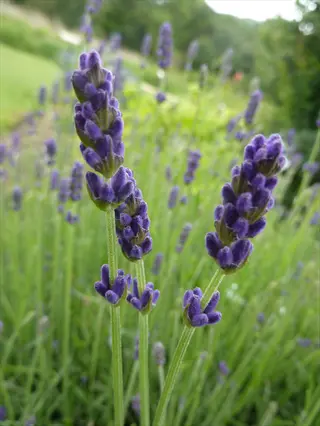
Hidcote English Lavender
- Type: Lavandula angustifolia, one of the most popular English lavender cultivars, known for its compact shape and deep purple flowers.
- Size: Grows 12 to 18 inches (30 to 46 centimeters) tall and wide, forming a neat, rounded mound perfect for borders and edging.
- Hardiness: Thrives in USDA zones 5 through 9, handling winter temperatures down to negative 20 degrees Fahrenheit (negative 29 degrees Celsius).
- Bloom Time: Produces dark violet flower spikes from early to midsummer, with a possible second flush if you deadhead right after the first bloom fades.
- Fragrance: Strong aromatic punch with a classic lavender scent that makes it a top choice for sachets, potpourri, and dried flower arrangements.
- Best Use: Ideal for low hedges, walkway borders, and small gardens where a compact, tidy plant with strong color impact is desired.
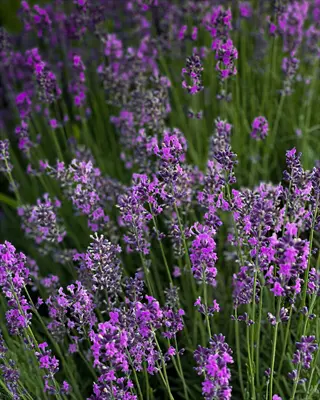
Munstead English Lavender
- Type: Lavandula angustifolia cultivar developed in England, prized for its early blooming habit and reliable cold hardiness in northern gardens.
- Size: Reaches 12 to 18 inches (30 to 46 centimeters) in height with a more open growth habit than Hidcote, creating a relaxed cottage garden look.
- Hardiness: Performs well in USDA zones 5 through 8, tolerating cold winters and moderate humidity better than many other English lavender selections.
- Bloom Time: One of the earliest lavenders to bloom, producing soft violet-blue flower spikes from late spring through early summer ahead of most varieties.
- Fragrance: Sweet, mild lavender scent that works well in culinary applications including teas, baked goods, and herbes de Provence blends.
- Best Use: Excellent for herb gardens, kitchen gardens, and culinary use because its flavor is softer and less camphor-heavy than other varieties.
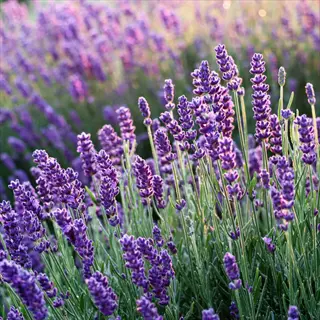
Royal Velvet English Lavender
- Type: Lavandula angustifolia selection known for producing the deepest, richest purple color of any English lavender available to home gardeners.
- Size: Grows 24 to 30 inches (61 to 76 centimeters) tall, making it one of the taller English lavender cultivars suitable for mid-border planting.
- Hardiness: Reliable in USDA zones 5 through 9 with strong cold tolerance and good performance in drier western climates with low summer humidity.
- Bloom Time: Flowers appear in early to midsummer on long, upright stems that hold their deep purple color well even after drying for arrangements.
- Fragrance: Rich, classic lavender aroma with moderate intensity, making it versatile for both fresh cut flowers and dried decorative bundles.
- Best Use: Perfect for cut flower production and dried arrangements because the tall stems and vivid dark purple color create striking visual displays.
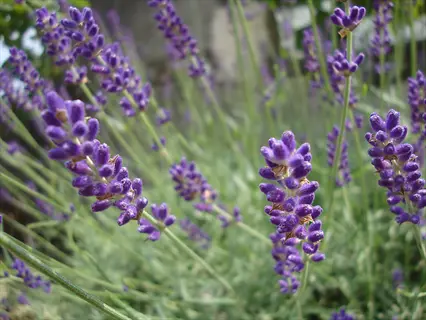
Phenomenal Lavandin
- Type: Lavandula x intermedia hybrid bred for heat and humidity tolerance, solving the problem of lavender failure in southeastern United States gardens.
- Size: Large plant reaching 24 to 34 inches (61 to 86 centimeters) tall and 32 inches (81 centimeters) wide, creating a substantial garden presence.
- Hardiness: Excels in USDA zones 5 through 9 and handles the hot, humid summers that kill classic English lavender varieties in the Southeast.
- Bloom Time: Blooms once in late summer with abundant silvery-purple flower spikes on long stems, producing higher oil volume than English lavender types.
- Fragrance: Strong camphor-tinged lavender scent typical of lavandins, making it better suited for sachets and essential oil production than culinary use.
- Best Use: Top choice for gardeners in humid climates who have struggled with lavender dying from root rot and fungal diseases in previous seasons.
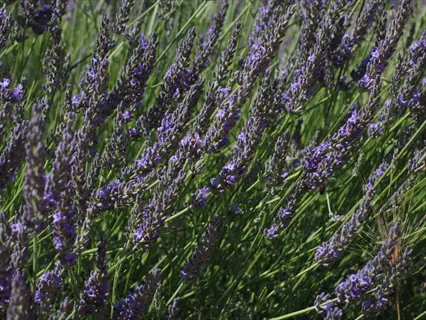
Grosso Lavandin
- Type: Lavandula x intermedia hybrid and the most common commercial lavender in the world, producing the highest essential oil yield of any cultivar.
- Size: Grows 24 to 36 inches (61 to 91 centimeters) tall and up to 36 inches wide, forming a large, silvery-green mound with long flower stems.
- Hardiness: Thrives in USDA zones 5 through 9 and tolerates heat well, though it prefers lower humidity than Phenomenal for best performance.
- Bloom Time: Produces one heavy flush of violet-blue flowers in midsummer, with each stem carrying a fat, dense flower spike packed with aromatic oils.
- Fragrance: The strongest scented lavender you can buy, with a bold, camphor forward aroma that stands out in essential oil production and craft projects.
- Best Use: Ideal for large-scale planting, essential oil distillation, and creating dramatic lavender hedges or mass plantings in sunny garden areas.
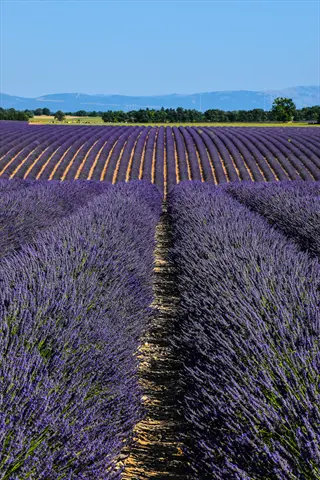
Provence Lavandin
- Type: Lavandula x intermedia cultivar named after the famous lavender-growing region of southern France, valued for its balanced fragrance and garden appeal.
- Size: Reaches 24 to 30 inches (61 to 76 centimeters) tall and wide with graceful, arching flower stems that give it a softer look than upright varieties.
- Hardiness: Performs in USDA zones 5 through 9, tolerating both cold winters and warm summers, though it prefers dry air and good drainage over humid conditions.
- Bloom Time: Blooms in midsummer with light purple to pink-tinged flower spikes that attract bees, butterflies, and other beneficial pollinators to the garden.
- Fragrance: A sweeter, more floral scent than Grosso with less camphor bite, making it one of the few lavandins some gardeners also use in light culinary applications.
- Best Use: A solid all-around choice for home gardens wanting a large, fragrant lavender that works for fresh bouquets, dried bundles, and sachets.
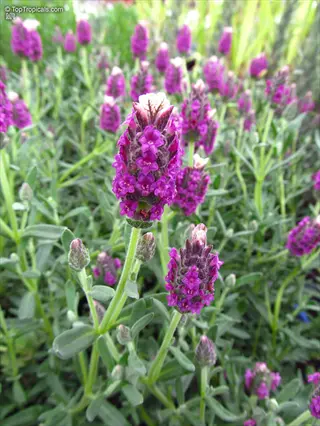
Anouk Spanish Lavender
- Type: Lavandula stoechas cultivar with distinctive rabbit-ear petals (bracts) on top of each flower head, giving it a unique appearance unlike other lavenders.
- Size: Compact grower at 12 to 24 inches (30 to 61 centimeters) tall, making it suitable for containers, rock gardens, and front-of-border planting spots.
- Hardiness: Best in USDA zones 7 through 10, requiring warmer winters than English types. Often grown as an annual in colder zones or overwintered indoors.
- Bloom Time: One of the longest-blooming lavenders, flowering from spring through fall in mild climates and attracting pollinators over an extended growing season.
- Fragrance: Lighter, more herbal scent compared to English lavender, with rosemary-like undertones that some describe as more pine-forward than floral.
- Best Use: Best for mild-winter areas, Mediterranean-style gardens, and container growing where its unique pineapple-shaped blooms add visual interest.
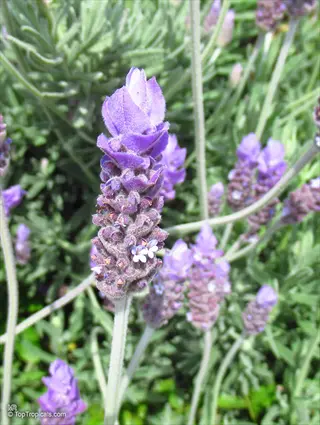
French Lavender
- Type: Lavandula dentata, identified by its toothed or serrated leaf edges, giving it a distinctive texture different from the smooth leaves of English lavender.
- Size: Grows 24 to 36 inches (61 to 91 centimeters) tall and wide, forming a bushy, rounded shrub that works well as a low hedge or focal point.
- Hardiness: Suited for USDA zones 8 through 11, making it best for southern and coastal gardens. It cannot tolerate hard freezes below 10 degrees Fahrenheit (negative 12 degrees Celsius).
- Bloom Time: Blooms close to year round in frost free climates, producing light purple flower spikes nonstop from late spring through early fall in temperate areas.
- Fragrance: Mild, green, somewhat resinous scent that is less like classic lavender, with some gardeners growing it more for its foliage and form than its aroma.
- Best Use: Ideal for warm-climate gardens, coastal plantings, and areas where year-round blooming color is more important than intense lavender fragrance.
Planting and Soil Basics
Getting your lavender soil requirements right from the start saves you from watching plants rot in the ground. I lost my first batch because I planted them in rich garden soil that held too much water. Lavender wants well-drained soil with a pH between 6.5 and 7.5. Utah State University confirms this range works best. Sandy or gravelly ground is ideal, and raised beds give you full control over lavender drainage if your yard has clay.
Here is a big mistake many guides still get wrong. They tell you to mix sand into clay soil to improve drainage. Sand mixed into clay makes a cement like mixture that traps water even worse. Use fine bark mulch or build raised beds to fix heavy soil instead.
When you learn how to plant lavender, you also need to pick a lavender propagation method. Lavender seed germination takes 14 to 21 days at 70°F. But growing from seed to transplant size takes 100 to 200 days total. Cuttings root in just 30 to 40 days with rooting hormone, which makes them the faster path for most home gardeners. Seeds don't always match the parent plant, so cuttings give you a more predictable result.
Fall planting beats spring planting in most climates. CSU Extension research shows that fall plants establish faster. They also produce more flowers the next season. Pick a spot with 6 to 8 hours of full sun and space plants 12 to 18 inches apart so air can move between them. Good airflow keeps the foliage dry and prevents the fungal problems that kill crowded lavender plants.
Pruning and Seasonal Care
Pruning lavender is the single best thing you can do to keep your plants alive for years. Without annual cutting back lavender, most plants turn woody and stop blooming after just 3 to 4 years. USU Extension research confirms that proper pruning extends a lavender plant's life to 10 to 15 years instead. I've seen my oldest Hidcote bounce back strong every spring because I never skip its yearly trim.
The biggest beginner mistake with pruning lavender is cutting into the old bare wood at the base. Picture your plant as 3 horizontal layers from bottom to top. The bottom layer is brown, bare, and woody. The middle layer has older green stems. The top layer is the fresh growth with flowers. You only cut the top green layer, removing about one third of total height. Cut into that bare woody zone and the plant won't grow back.
Snip spent flower spikes in summer as they fade and new buds will form within weeks. Deadheading lavender works best on English types for a second flush of blooms. Skip the fertilizer though. Extra nitrogen grows more leaves but fewer flowers and raises cold injury risk. Lavender winter care in dry climates means you water deep once a month on a warm day. CSU Extension notes that this simple step boosts overwintering lavender survival where rain is low. Good lavender seasonal maintenance keeps your plants blooming strong for years.
Spring Care Tasks
- Pruning: Cut back one-third of the previous year's growth once new green shoots appear at the base, shaping each plant into a rounded mound form.
- Feeding: Apply a thin layer of garden lime around the base if your soil tests below pH 6.5, but avoid compost or nitrogen-rich fertilizers that reduce blooms.
- Inspection: Check for winter damage like blackened or mushy stems and remove any dead wood cleanly to prevent fungal infections from spreading to healthy growth.
- Planting: Transplant new lavender starts into prepared beds after the last frost date, spacing them 12 to 18 inches (30 to 46 centimeters) apart for airflow.
Summer Care Tasks
- Watering: Water established plants every one to two weeks during dry spells, providing about one inch (2.5 centimeters) of water per session at the soil line.
- Deadheading: Remove spent flower spikes as they fade to encourage a second bloom in English lavender varieties and to keep the plant looking tidy.
- Harvesting: Cut flower stems when about 50% of buds have opened, bundling 50 to 100 stems together and hanging them upside down in a dry, dark space.
- Pest Watch: Monitor for aphids and whiteflies on new growth; a strong spray of water or releasing ladybugs provides effective organic control in most situations.
Fall Care Tasks
- Light Pruning: Give plants a final light trim after the last harvest but avoid heavy pruning that would stimulate tender new growth vulnerable to early frost damage.
- Planting: Fall is actually the best time to plant new lavender in mild climates, according to Colorado State University Extension research on establishment success rates.
- Soil Check: Test soil drainage by digging a hole, filling it with water, and confirming it drains within 15 minutes; improve raised beds if water pools longer.
- Mulching: Apply a two-inch (five-centimeter) layer of pea gravel or coarse sand around the plant base to reflect heat and keep the crown dry over winter.
Winter Care Tasks
- Protection: In USDA zones 5 and 6, cover plants with evergreen boughs or a breathable frost cloth after the ground freezes to insulate roots without trapping moisture.
- Watering: In dry winter climates, water deeply once a month on a warm day when temperatures are above freezing to prevent root desiccation in dormant plants.
- Container Plants: Move potted lavender to an unheated garage or cold frame where temperatures stay between 35 and 45 degrees Fahrenheit (2 to 7 degrees Celsius).
- Planning: Order new varieties or propagation supplies in late winter so everything is ready for spring planting as soon as the soil is workable and frost risk passes.
Harvesting and Creative Uses
Timing your harvest right gives you the strongest scent and the most oil from every stem. Cut your flower spikes when about 50% of the buds have opened on each stem. Fresh lavender smells bright and green right off the plant. After drying lavender for 2 to 4 weeks, that scent deepens into the rich, concentrated fragrance most people know and love.
I bundle about 50 to 100 stems together with twine and hang them upside down in a dark, warm room. English lavender produces less oil than lavandins but the oil quality is much higher. Harvesting lavender at the right moment locks in that quality. Lavender essential oil makes up just 2 to 3% of the total plant matter. That's why you need so many stems to fill even a small bottle at home.
Once you have dried buds on hand, the lavender uses are almost endless. Cooking with lavender works best with English varieties because their flavor is softer. Blend dried buds into herbes de Provence or stir them into sugar for baking. You can also tuck lavender sachets into your dresser drawers. The list below breaks down the most popular ways to put your harvest to work.
Culinary Applications
- Herbes de Provence: Blend dried lavender buds with thyme, rosemary, savory, and marjoram to create this classic French seasoning for roasted meats and vegetables.
- Baked Goods: Add half a teaspoon of finely ground dried buds per cup of flour to shortbread, scones, or sugar cookies for a subtle floral note that pairs well with lemon.
- Infused Sugar: Layer fresh lavender sprigs with granulated sugar in a sealed jar for two weeks, then sift out the buds for fragrant sugar to use in teas and desserts.
Home Fragrance Projects
- Sachets: Fill small fabric pouches with dried lavender buds and place them in dresser drawers, linen closets, or under pillows for a natural fragrance that also repels moths.
- Wreaths and Bundles: Bind fresh-cut lavender stems with twine and hang them upside down in a warm, dry room for two to four weeks until fully dried for long-lasting displays.
- Potpourri: Mix dried lavender buds with rose petals, dried citrus peel, and a few drops of lavender oil for a custom potpourri blend that freshens any room naturally.
Body Care and Wellness
- Bath Soaks: Tie a handful of dried lavender buds in cheesecloth and drop the bundle into a warm bath for a soothing soak that releases fragrant oils into the water.
- Linen Spray: Steep dried lavender in distilled water for 24 hours, strain, and pour into a spray bottle for a simple pillow mist that adds a calming scent at bedtime.
- Skin Care Caution: While lavender oil is popular in skincare, contact dermatitis can occur with prolonged exposure; always patch-test before applying lavender products to large skin areas.
Garden and Outdoor Uses
- Pollinator Support: Leave some flower spikes unharvested so bees, butterflies, and hoverflies can feed on the nectar-rich blooms throughout the summer growing season.
- Natural Pest Deterrent: Plant lavender near doorways, patios, and outdoor seating areas because its strong scent naturally repels mosquitoes, flies, deer, and rabbits.
- Companion Benefit: Interplant lavender among vegetable rows to attract beneficial pollinators and deter common pests like aphids and cabbage moths from nearby crops.
Health Benefits of Lavender
Most sources make bold claims about lavender health benefits but skip the real science. I dug into the research so you don't have to. In one clinical trial, 72% of lavender oil inhalers slept well versus just 11% in the control group. That trial had 245 people in it. The number looks great but it comes from a single study. The NIH says we need more research before we can be sure about lavender for sleep and lavender essential oil benefits.
Lavender for anxiety shows more promise than most other claims. An oral product called Silexan may ease anxiety based on NIH data. Lavender aromatherapy for pain still counts as "unclear" in the research. In lab tests, linalool killed 17 of 18 bacteria and 10 of 12 fungi. But those results came from test tubes, not human trials. You can't assume the same thing happens inside your body.
Check lavender safety before you start using any products on your body. Lavender can interact with sedative drugs according to the NIH. Oral lavender products are dietary supplements that the FDA does not check before sale. Talk to your doctor before you swap any medication for lavender. Skin reactions affect up to 13.9% of people with long term exposure, so always do a patch test first.
Companion Planting Guide
Companion planting lavender adds beauty and natural pest control to your garden at the same time. I grow lavender next to my tomatoes every year and the difference in aphid damage is clear. What to plant with lavender comes down to one rule: match the water needs. Pair it with plants that also like dry soil for the best lavender garden design.
USU Extension names coneflowers, salvia, and black eyed susans as top picks. These plants need low water just like lavender does. Put them together to build a lavender pollinator garden that feeds bees all summer. Lavender also repels deer and rabbits, so it works as a functional shield for your vegetables.
You also need to know which plants to avoid near lavender. Mint, hostas, impatiens, and ferns all crave moist, rich soil that will rot your lavender roots. If you plant them together, you either overwater the lavender or starve the others. Neither plant wins that fight. Keep these groups in separate beds with different watering plans.
Mediterranean Herb Partners
- Rosemary: Shares lavender's love of full sun, lean soil, and infrequent watering, making them ideal partners in herb gardens, raised beds, and sunny border plantings.
- Thyme: A low-growing ground cover that fills the space between lavender plants while needing the exact same well-drained, alkaline soil conditions to thrive.
- Sage: Its broad gray-green leaves create a beautiful textural contrast next to lavender's narrow foliage, and both plants attract bees while deterring common garden pests.
- Oregano: Another drought-tolerant Mediterranean herb that thrives alongside lavender and adds culinary versatility to any combined herb and ornamental garden bed.
Flowering Perennial Partners
- Echinacea: A hardy prairie perennial that matches lavender's sun and drainage needs while adding bright pink or purple daisy-like blooms from midsummer through fall.
- Black-Eyed Susan: Rudbeckia's golden-yellow flowers create a striking color contrast against purple lavender, and both plants tolerate drought and poor soil conditions.
- Salvia: Upright flower spikes in blue, purple, or red complement lavender's form, and both plants are pollinator magnets that bloom at overlapping times in summer.
- Daylilies: Hardy, low-maintenance perennials that tolerate the same lean soil and full sun exposure as lavender while adding trumpet-shaped blooms in warm colors.
Vegetable Garden Partners
- Tomatoes: Lavender's strong scent helps deter aphids and whiteflies from tomato plants, while both enjoy full sun and well-drained soil in warm summer weather.
- Peppers: Like tomatoes, peppers benefit from lavender's pest-repelling fragrance, and the two plants share a preference for warm, sunny growing conditions with moderate water.
- Brassicas: Planting lavender near cabbage, broccoli, and kale helps repel cabbage moths and aphids that commonly attack these leafy vegetable crops during the growing season.
- Marigolds: While technically a flower, marigolds are a classic vegetable garden companion that pairs well with lavender to create a double layer of pest protection.
Plants to Keep Away
- Mint: An aggressive spreader that needs consistently moist soil, the opposite of lavender's dry preference, and its runners can invade lavender's root space and outcompete it.
- Hostas: Shade-loving and moisture-dependent, hostas require the exact growing conditions that cause lavender to develop root rot, crown rot, and fungal diseases.
- Impatiens: These shade annuals need rich, moist soil and frequent watering that would quickly waterlog and kill any lavender planted in the same bed or container.
- Ferns: Most fern species thrive in cool, moist, shaded environments that are fundamentally incompatible with lavender's need for hot sun and fast-draining dry soil.
5 Common Myths
Lavender needs rich, fertile soil with lots of compost and organic matter to produce the best flowers and strongest fragrance.
Lavender actually prefers lean, sandy, well-drained soil. Rich soil causes excessive foliage growth and reduces flower production and oil concentration.
You should add sand to clay soil before planting lavender because sand always improves drainage for Mediterranean plants.
Adding sand to clay soil can create a cement-like mixture that worsens drainage. Use fine bark mulch or plant in raised beds instead.
All lavender varieties are the same and any type will survive cold winters in northern climates without special protection.
English lavender tolerates USDA zones 5 through 10, but French and Spanish types need zone 7 or warmer. Variety selection matters for winter survival.
Lavender essential oil is proven to cure insomnia, anxiety, and depression, so you can replace medications with lavender products.
The National Institutes of Health classifies most lavender health benefits as preliminary or unclear. Never replace prescribed medications without consulting a doctor.
Once lavender is established in the garden, it never needs watering because it is a drought-tolerant Mediterranean plant.
While mature lavender is drought tolerant, it still needs occasional deep watering during prolonged dry spells, especially in its first growing season.
Conclusion
Growing lavender comes down to a few simple choices that make all the difference. Match your variety to your USDA hardiness zone using the guide above and give the plant what it craves: full sun, lean soil, and dry feet. Drainage matters more than anything else for lavender plant care. Overwatering and poor drainage kill more lavender than cold weather, pests, and disease combined.
With proper care and annual pruning, a single plant can reward you for 10 to 15 years in your lavender garden. That's over a decade of flowers, fragrance, and pollinators from one spot in the ground. In my experience, Hidcote or Munstead are the best picks for beginners. Both forgive mistakes and grow strong in most zones. Once those plants thrive, branch out into lavandins or Spanish types for more variety.
Your perennial herb garden benefits from lavender in ways that go beyond just looks. The bees and butterflies it draws will pollinate your vegetables and fruit trees nearby. The deer and rabbits it repels protect the rest of your beds. These practical benefits make lavender one of the smartest plants you can add for both beauty and function.
Start with good drainage, give your plants room to breathe, and prune every spring. Follow those 3 basics and you will have lavender blooming strong for years to come. Growing lavender isn't hard once you stop treating it like other garden plants. Let it be a little wild, a little dry, and a little lean. That's when lavender does its best work.
External Sources
Frequently Asked Questions
Is lavender a good indoor plant?
Lavender can grow indoors if it receives at least six hours of direct sunlight or supplemental grow lights and is planted in fast-draining soil.
Where is it best to plant lavender?
Plant lavender in a spot that gets full sun for at least six to eight hours, has well-drained or sandy soil, and offers good air circulation.
Does lavender grow back every year?
Yes, lavender is a perennial that returns each year in USDA hardiness zones 5 through 10 when given proper drainage and annual pruning.
What is the 8 8 8 rule for lavender?
The 8 8 8 rule refers to giving lavender 8 hours of sunlight, watering every 8 days, and keeping plants 8 inches from walls or fences for airflow.
Can I sleep with a lavender plant in my room?
Yes, keeping a lavender plant in your bedroom is safe and the scent may promote relaxation, though clinical evidence for sleep benefits remains preliminary.
How long will potted lavender last?
Potted lavender typically lasts three to five years with annual repotting, proper drainage, and regular pruning to prevent woody growth.
How often should I water lavender?
Water established lavender every one to two weeks, allowing the soil to dry between waterings. Newly planted lavender needs water every few days until roots establish.
What does the Bible say about lavender?
The Bible does not mention lavender by name, but the plant spikenard referenced in the Song of Solomon and the Gospel of John is a related aromatic herb.
What should not be planted next to lavender?
Avoid planting moisture-loving plants like mint, hostas, impatiens, and ferns next to lavender because their watering needs conflict with lavender's dry soil preference.
Does lavender spread quickly?
Lavender spreads slowly, growing outward about two to four inches per year. It does not spread by runners and stays in a compact mound shape.